MIS
KA
TON
IC
Institute of
Horror Studies
Talks
Talks
Blood Work: The Craft and Culture of Gore Cinema
Shellie McMurdo
12 May 2026
Blood Work: The Craft and Culture of Gore Cinema
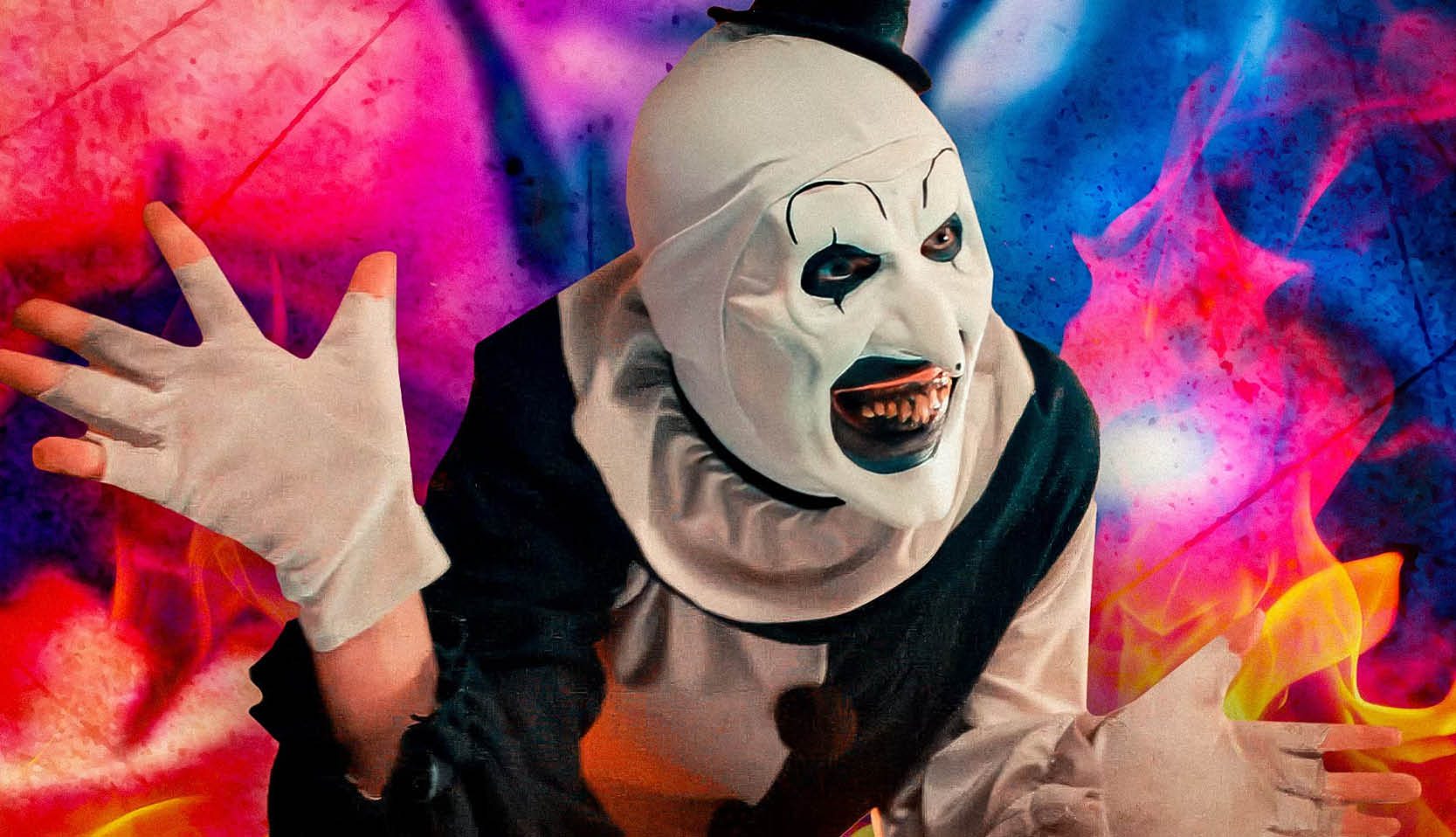
Gore has long been one of horror cinema’s most contested pleasures. Frequently dismissed as gratuitous spectacle, defended as the essence of “real” horror, and routinely denied artistic legitimacy, gore occupies an uneasy position within film culture. This lecture approaches gore not as excess, but as an aesthetic practice and a mode of artistic expression—one rooted in tactility, craft, and meaning. It traces the intersections between practical makeup effects, fan communities, and critical discourses to argue for gore’s cultural and artistic value.
The lecture opens by examining how gore films and their audiences have been historically devalued within academic writing and popular commentary, before situating cinematic gore within longer traditions of “high art” preoccupied with the body, violence, and the grotesque. Far from disrupting narrative, gore sequences will be positioned as integral to storytelling, where practical effects function as moments of heightened attention rather than distraction. In an era increasingly defined by digital smoothness and visual ephemerality, the visible labour, imperfection, and ingenuity of practical effects emerge as a form of aesthetic resistance.
The second half of the lecture turns to Damien Leone’s Terrifier series as a contemporary case study, exploring the dynamic relationship between creator, audience, and horror history. Through close attention to the films’ notorious death scenes and their cultural reception, on-screen mutilation is reframed as an invitation to look closer rather than look away—to engage with texture, process, and craft as sources of power. Drawing comparisons with films such as Headless (2015) and The Void (2016), the lecture demonstrates how practical effects continue to carry subcultural capital in the age of CGI.
Ultimately, this talk argues that gore’s persistence reflects a shared reverence for the messy, the material, and the handmade; reasserting horror’s outsider status and its enduring artistic potential.
Shellie McMurdo
12 May 2026
Tickets
12 May 2026
Mansion of Gloom: the Unsettling Legacy of Poe’s ‘The Fall of the House of Usher’
Antony Clayton
18 May 2026
Mansion of Gloom: the Unsettling Legacy of Poe’s ‘The Fall of the House of Usher’
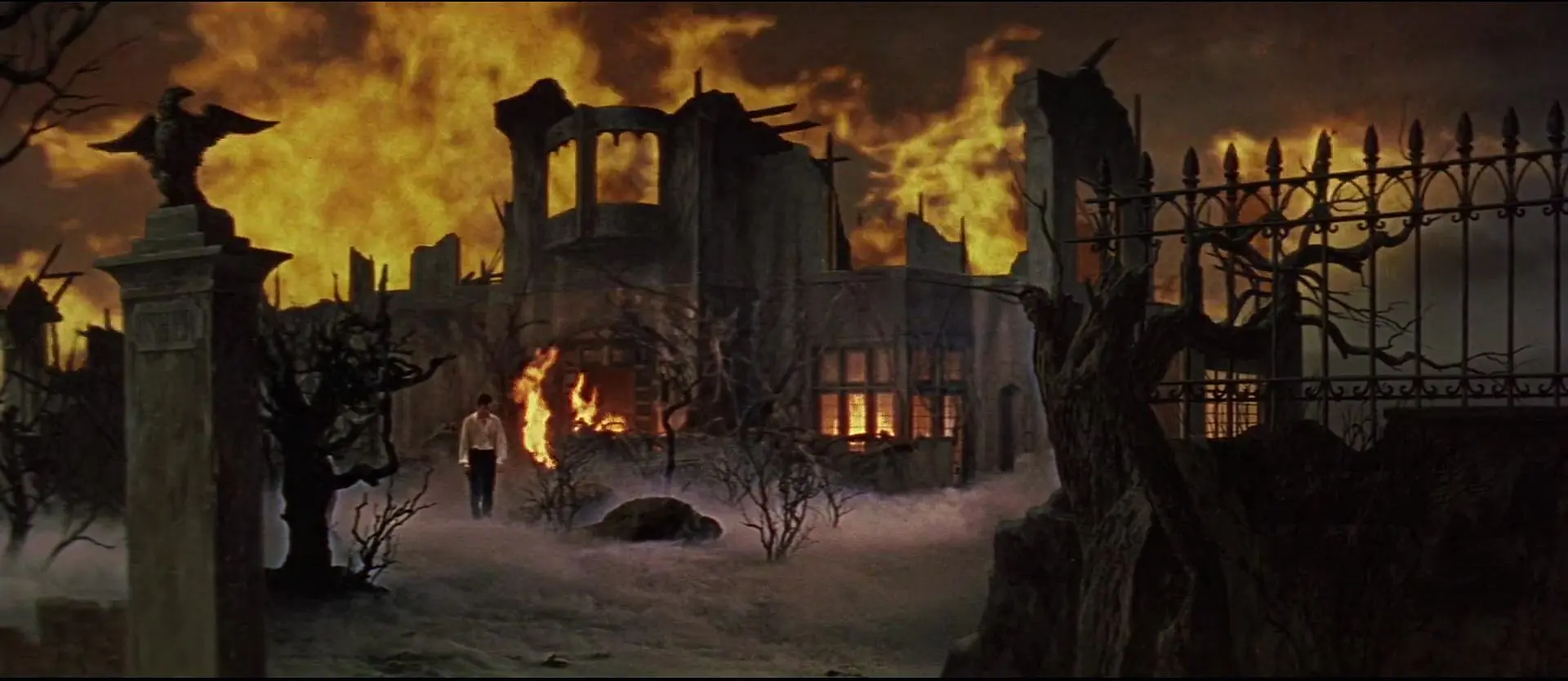
Edgar Allan Poe’s “The Fall of the House of Usher” has unsettled readers since its first publication in 1839. A tale steeped in atmosphere, madness, and the terror of premature burial, it remains one of Poe’s most haunting and influential works. Few short stories have proven so endlessly adaptable, or so capable of absorbing the aesthetic concerns of successive generations. Across the twentieth and twenty-first centuries, Usher has been repeatedly reimagined across film, television, theatre, music, literature, and visual art.
There have been approximately twenty screen adaptations, spanning continents and styles. European filmmakers have included Jean Epstein’s lyrical Impressionist version (1928), the surrealist animation of Jan Švankmajer, and the transgressive excesses of Jess Franco. In the United States, the story was memorably shaped by Roger Corman and Curtis Harrington, while British interpretations range from Ivan Barnett’s 1946 adaptation (filmed in a Hastings guesthouse then occupied by Aleister Crowley) to Ken Russell’s idiosyncratic reworkings. The role of Roderick Usher has attracted some of the screen’s most distinctive performers, including Vincent Price, Martin Landau, Denholm Elliott, and Oliver Reed.
The story’s cultural afterlife continues into the present. Recent reimaginings include Lady Usher (2020) and Mike Flanagan’s eight-part Netflix series The Fall of the House of Usher (2023), which reworks Poe’s themes for contemporary audiences. Musically, the tale has inspired operas by Philip Glass and Debussy, as well as concept albums by The Alan Parsons Project, Peter Hammill, and Lou Reed. It has also been adapted for the stage by Steven Berkoff, reimagined in fiction by Ray Bradbury, and illustrated by artists from Arthur Rackham to Leonor Fini.
A masterpiece by one of America’s greatest writers, The Fall of the House of Usher may be the most continuously transformed short story ever written and its collapse shows no sign of ending.
All talks start at the following local times:
London @ 19:00:00
Berlin @ 20:00:00
New York @ 2pm (3pm 16th March)
Los Angeles @ 11am (12pm 16th March)
Antony Clayton
18 May 2026
Tickets
18 May 2026

The Finder and The Moon: Real UFOs Caught on Film
Mark Pilkington
9 June 2026
The Finder and The Moon: Real UFOs Caught on Film
Mark Pilkington, author of the UFO meta-conspiracy classic Mirage Men, presents a curated selection of his favourite filmic artefacts from the flying saucer era and beyond. Against the backdrop of the longest sustained wave of UFO coverage in the United States since the 1940s—culminating in a series of inconclusive congressional hearings—this lecture examines how moving images shape belief, doubt, and wonder.
As UFOs have re-entered public discourse, Hollywood and the Military Entertainment Complex have responded in kind. High-profile figures such as Steven Spielberg and Jerry Bruckheimer have announced large-budget films inspired by recent aerial encounters, promising spectacles that frame revelation as entertainment. These productions function as religious epics for an age of Big Tech Conspirituality, offering cosmic truths that can supposedly only be communicated through fiction.
Yet the most compelling UFO films are not blockbuster spectacles but accidental documents. Shot by startled witnesses with whatever recording technology happened to be at hand—8mm film, VHS camcorders, digital smartphones, night-vision equipment—these fragments form what Pilkington terms a kind of “UFO vérité.” Spanning more than eighty years, they constitute a parallel history of both the UFO phenomenon and domestic media technologies, capturing fleeting moments of ambiguity and awe.
These artefacts occupy a liminal space between evidence and illusion. For viewers, their impact can range from mild ontological unease to life-altering revelation. For believers, UFOs function like dust on celluloid or glitches in digital images: unintended artefacts that rupture the medium’s spell and expose the fragility of consensus reality. Paired with a persuasive witness narrative, even the blurriest image can destabilise certainty, provoking a deeper and more unsettling question—if this is real, what else are we not being told?
Mark Pilkington
9 June 2026
Tickets
9 June 2026