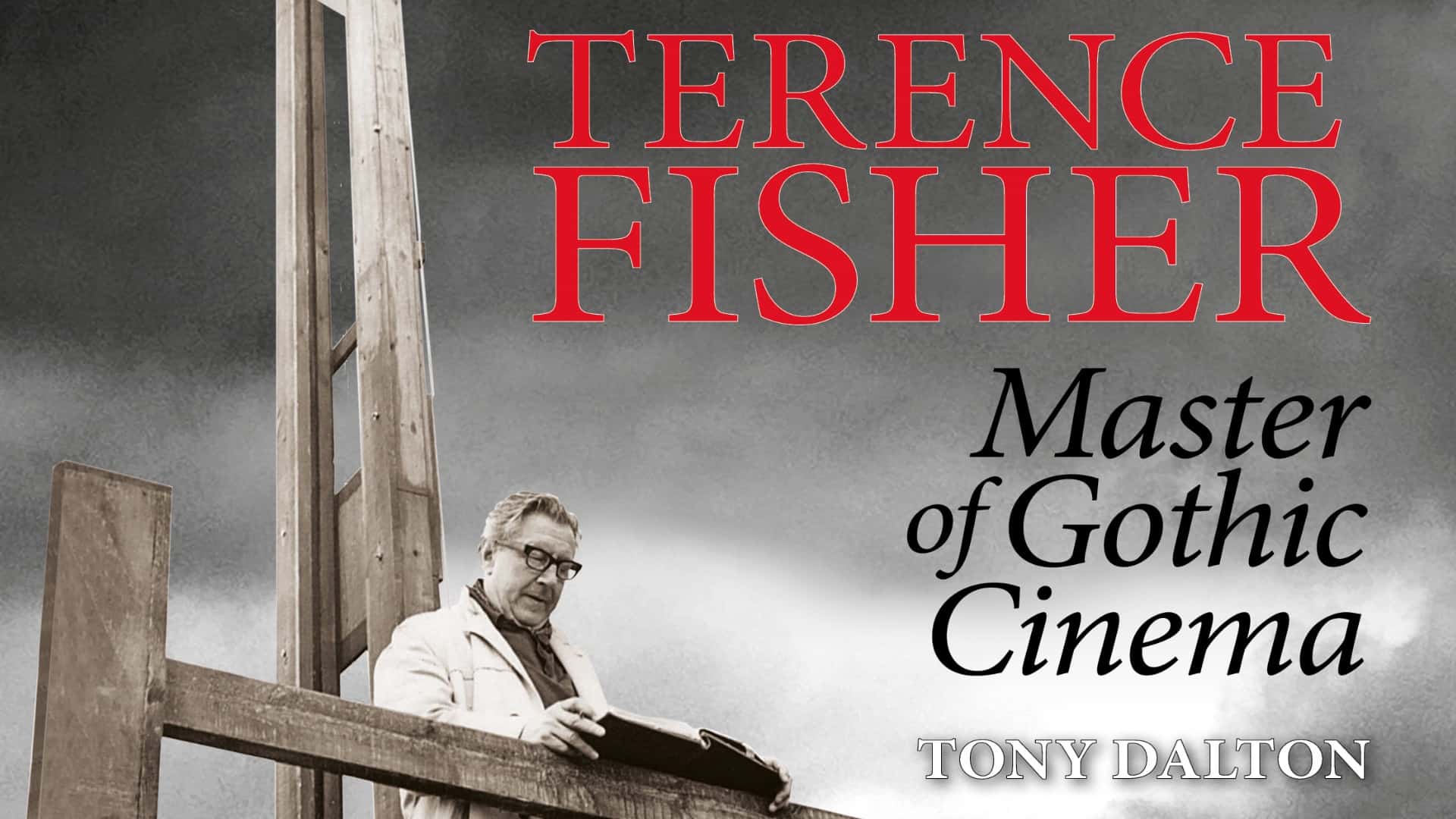
A great amount has been written about Terry, but much of it is either inaccurate, far too academic (‘imagining what was never intended’ as Terry would have said) or just plain silly. Terry would have laughed loudly at academic analysis of his work although, perhaps secretly, he would have been more than a little flattered. The films he made were always carefully planned, but they were primarily made to entertain, and for no other reason than Hammer was in business to make money – and Terry would have find it amusing that people thought otherwise. He would remind people that his films were what you see, nothing more and nothing less. No hidden meaning, no significant undercurrent, just an interpretation of the written word.
My lecture Terence Fisher Master of Gothic Cinema is an analysis of the man and his films. He was a shy person, normally directors are strong-willed individuals who command the sound stage with an iron fist. Terry just got on with his work and only rarely did he insist on something (and if he did the technicians knew he was usually right) and very rarely did he lose his temper. He just wasn’t that kind of man.
During his directing career most of his pictures were largely dismissed as cheap, vulgar and sensational, including the early ones. Now, in the early twenty-first century, his work is considered a major influence not only on the history of Hammer Films, but on the whole genre of horror films, especially the mid to late twentieth century cycle. Terry didn’t really live to see his films acknowledged, except by a handful of dedicated fans and film historians. He would have been pleased by their acceptance today, but would have also have been tickled pink because his work has proved all those pompous critics wrong – and Terry was never one to like critics. What did they know about what the public wanted or indeed, what would stand the test of time?
This class will not only be discussing the horror cycle and their background, but also some of his work as an editor and a number of the preceding directorial films that integral as a training ground for the Hammer Gothic cycle.
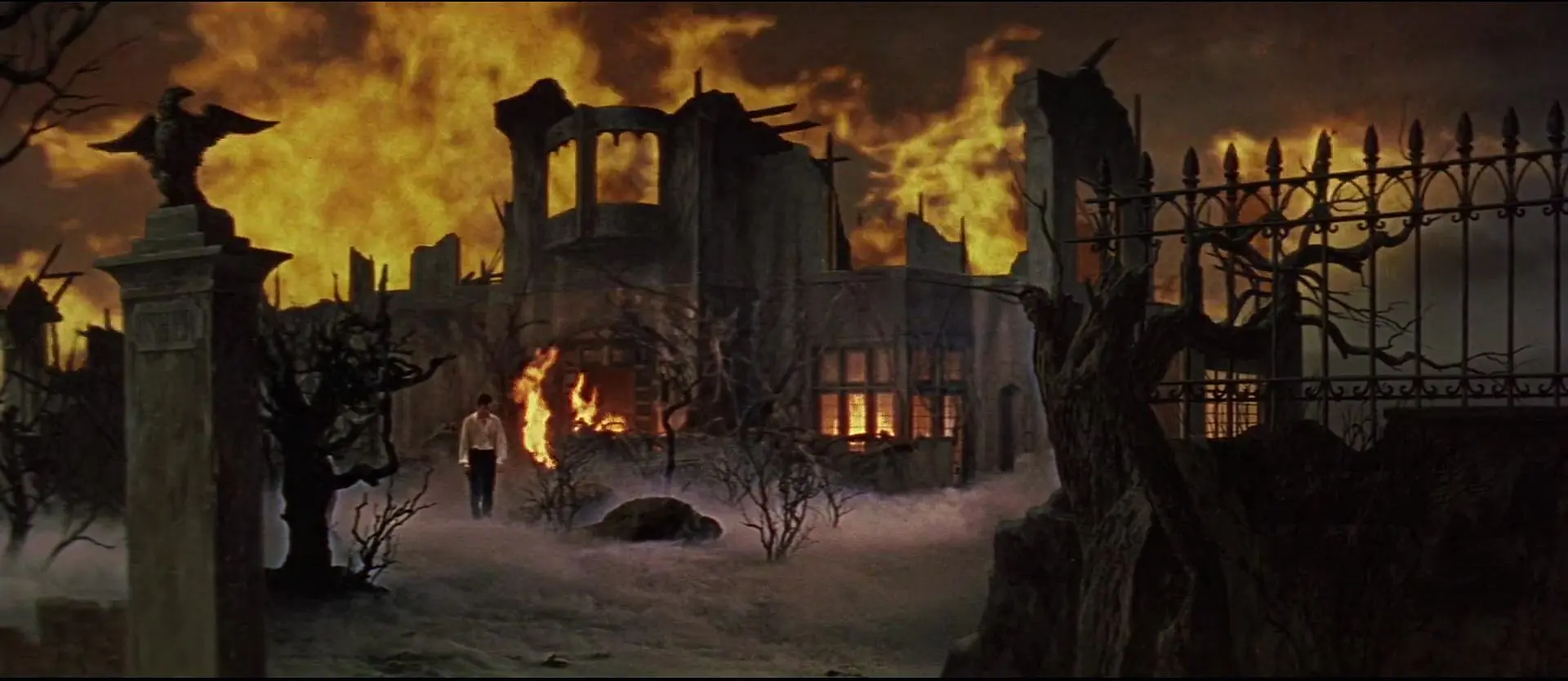
He once commented in connection with The Curse of Frankenstein that, ‘Until that moment I had been learning the craft. Now I began to feel the art of it’. In essence, even in the 1950s he was an old-fashioned director but the art of film construction, through editing and all the genres he had worked on prior to 1957, were what made his Hammer horror cycle so timeless and still enjoyable today. Those films set the trend for other directors and producers at the time, including Roger Corman and his Poe cycle, and even today many directors of the genre refer to Terry as the founding father of the style.
Please note these are live events – they cannot be downloaded and watched later, so please be sure you are available at the time and timezone the classes are being offered in before registering.
Tony Dalton has worked extensively in the film and television industry since 1969.
He's work with Granada TV, the BFI, BAFTA and many more.
Over the course of his career he befriended Roy Harryhausen, and co-written a biography of Ray’s life and work called AN ANIMATED LIFE (2002), which was published in 2003 followed by four more books about Ray and his life – THE ART OF RAY HARRYHAUSEN (2005), A CENTURY OF MODEL ANIMATION (2008), RAY HARRYHAUSEN – A LIFE IN PICTURES (2010) and RAY HARRYHAUSEN’S FANTASY SCRAPBOOK (2011).
He was also friends with Freddie Francis and assisted him with his biography, which was finally published in 2013 as FREDDIE FRANCIS – THE STRAIGHT STORY FROM MOBY DICK TO GLORY.
In 1972 he met Hammer director Terence Fisher and remained friends with him until his death in 1980. Tony has recently written a book on Fisher's life and career entitled TERENCE FISHER. MASTER OF GOTHIC CINEMA which is currently available from FAB Press.