At the height of the 2020 American Election, amidst the chaos of the Covid-19 pandemic, #Dracula started trending on Twitter. The reason? Trump, his lead disappearing, had tweeted “STOP THE COUNT!”. People immediately responded with images of Dracula, offering unflattering comparisons with the outgoing President. This is the latest episode in Dracula’s long career of being relevant, referenced, and reinvented. This class will explore just what it is about Bram Stoker’s Dracula (1897). that makes it eternally relevant for adaptation within a rapidly changing culture.
>Dracula demonstrates the significance of Victorian anxieties within contemporary culture more than any other novel. Theories of adaptation has moved beyond fidelity to an ‘original’, recognising instead that each new adaptation has its own audience and intention. Dracula adaptations react to the needs and expectations of the era that produced them – providing an invaluable case-study that demonstrates changing attitudes toward Victorian legacies and their synergies of reinvention. For example, the popular convention of ‘Romanticising’ Dracula (such as Bram Stoker’s Dracula (1992) adding a plot about Dracula’s reincarnated wife) is read with cultural trends of ‘attractive’ vampires, such as Anne Rice’s fiction and the Twilight phenomenon, often ignoring that it signals a rejection of the patriarchal, xenophobic values Victorian period.
This class will examine the extended ‘afterlife’ of Dracula in transformations, identifying shared themes across diverse media, and to demonstrate that reworking Dracula, even making him child-friendly, is a way of coming to terms with problematic nineteenth-century histories. Increased engagement with new media incarnations of Dracula is vital to understanding the appeal of this nineteenth-century vampire to modern audiences of all kinds. Video games, comic books, and even cartoons have all played a key role in enshrining Dracula as a pop-culture icon; as comfortable opening a hotel as fighting Batman.
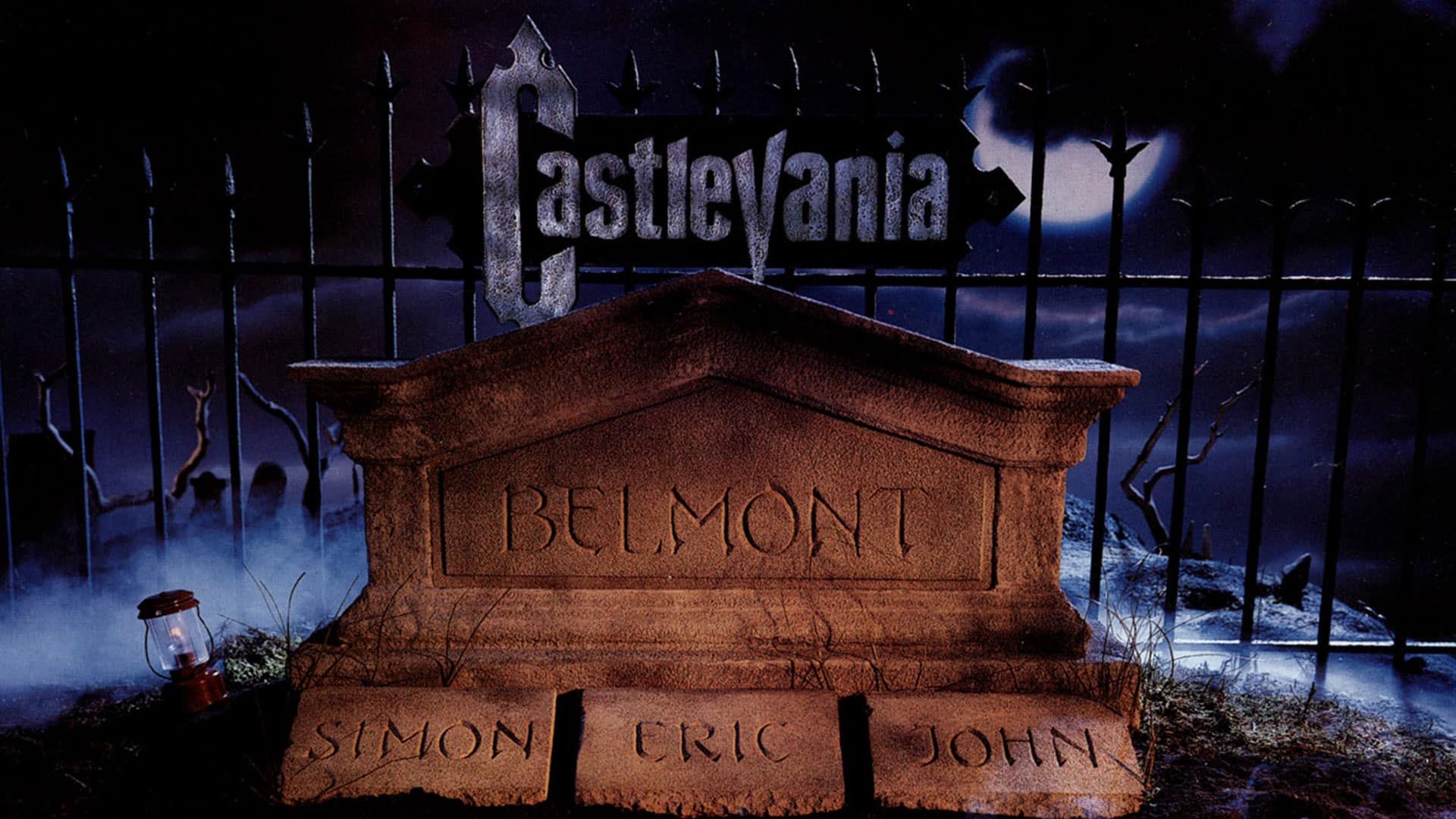
A key example of such an incarnation is the long-running Castlevania series, which has run from 1986 to the present and could boast being the ‘Dracula’ series with the most iterations. Castlevania has built its own Dracula mythos, received its own trans-media adaptation and offers an international perspective on incorporating diverse influences from other adaptations. To Dracula scholarship it offers a long-running example of not only literary adaptation across media, the role of international cultures, but most significantly how new versions feed off previous ones, engaging with audience expectations, and crafting a lineage of blood across many different versions.
Please note this is a live broadcast event – the class cannot be watched later, so please be sure you are available at the date and time the class is being offered in before registering. All sales are final, and we will not give refunds for any reason other than class cancellation. Classes curated by Miskatonic London are either in Greenwich Mean Time or British Summer Time depending on the time of year.
Matthew Crofts was awarded his doctorate at the University of Hull, England, UK, for his research on the importance of tyranny to the Gothic mode, utilising a range of Gothic novels and historical eras. Matthew’s previous publications include chapters on historical figures in MacDonald Fraser’s Flashman in Neo-Victorian Biofictions (2020), an article in the special ‘Alternative Dickens’ issue of Victoriographies (8:1, 2018), a chapter on Dracula’s multimedia legacy in the edited collection Gothic Afterlives (Lexington Books, 2019), and a joint-authored chapter on Gothic rats in the edited collection Gothic Animals (Palgrave, 2020).