*Note that this class is not part of the Miskatonic Online branch; Miskatonic Online passes do not include access to this class.
The recent all-out explosion of interest in witches and the occult is reflected in many film, TV, and literary offerings about witchcraft. Witchery in films is now so pervasive as to become its own sub-genre. Many of these stories focus on younger witches, with coming of age narratives being an increasingly popular and intriguing genre. But the continuum of witchy portrayals may be widening.
Despite the ubiquitous presence of witches in film and TV, far too many films about witches engage tired Hollywood tropes and stereotypes: witches as malevolent doers of evil, witches as seductresses, etc. Often we see that remakes of modern classics continue these trends. Even within the earthy folk horror genre, witchcraft films and shows tend to engage with supernatural energies and special effects. There’s been a shift in recent years, with a greater focus on natural witches: forest dwellers, edge dwellers (like the one in Brand New Cherry Flavor), witches coming of age, and witches communing with nature, not just with the Devil.
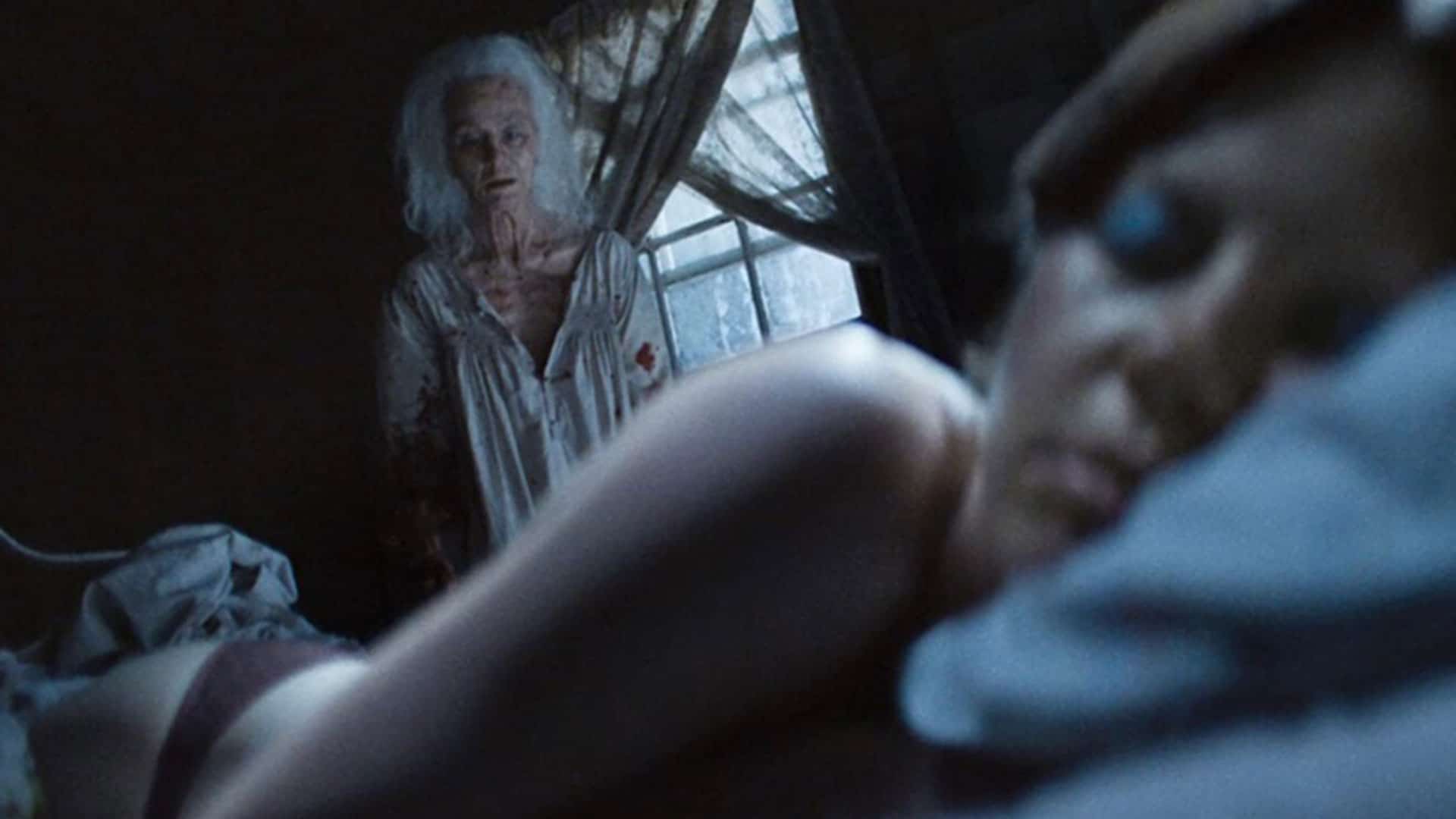
Horror offerings in recent years, especially in the indie landscape, have explored the witch in inventive ways (including Hereditary, Guadagnino’s remake of SUSPIRIA, and THE LOVE WITCH). These newly complex portrayals include the witch as crone, hag, and generally terrifying old woman (as in HAGAZUSSA, THE LORDS OF SALEM, and films that explore various permutations of the Witch, like Robert Eggers’ THE WITCH, subtitled “A New England Folk Tale”). The cinema and TV of 2022 have reflected a trend towards portrayals of older (although not always wiser) witches. Debut feature films like Mariama Diallo’s MASTER and Goran Stolevski’s YOU WON’T BE ALONE were 2022 Sundance hits that are now drawing rave reviews. The older witch archetype is also prominent in the 2022 horror hit BARBARIAN directed by Zach Cregger, Scottish filmmaker Charlotte Colbert’s SHE WILL, Ti West’s companion films X and PEARL, the upstate NY indie film HELLBENDER, and in recent TV series like Archive 81 and The Midnight Club.
This piece will explore the hag, the crone and the wise woman as both problematic stereotypes and powerful figures in contemporary horror narratives and mass media, and the implications for their increased presence across popular culture.
Peg Aloi is a freelance film and TV critic, a former professor of media studies, and co-editor (with Hannah Sanders) of The New Generation Witches: Teenage Witchcraft in Contemporary Culture (Routledge) and Carnivale and the American Grotesque: Critical Essays on the HBO Series (Macfarland). With Hannah, she also co-organized two scholarly conferences at Harvard University on paganism, witchcraft, and media. Peg’s forthcoming book The Witching Hour: How Witches Enchanted the World is a cultural analysis of the witch in contemporary media. Peg was also one of the co-founders of The Witches’ Voice and wrote about film and TV for the site for over a decade, and her long-running blog “The Witching Hour” can now be found on Substack.