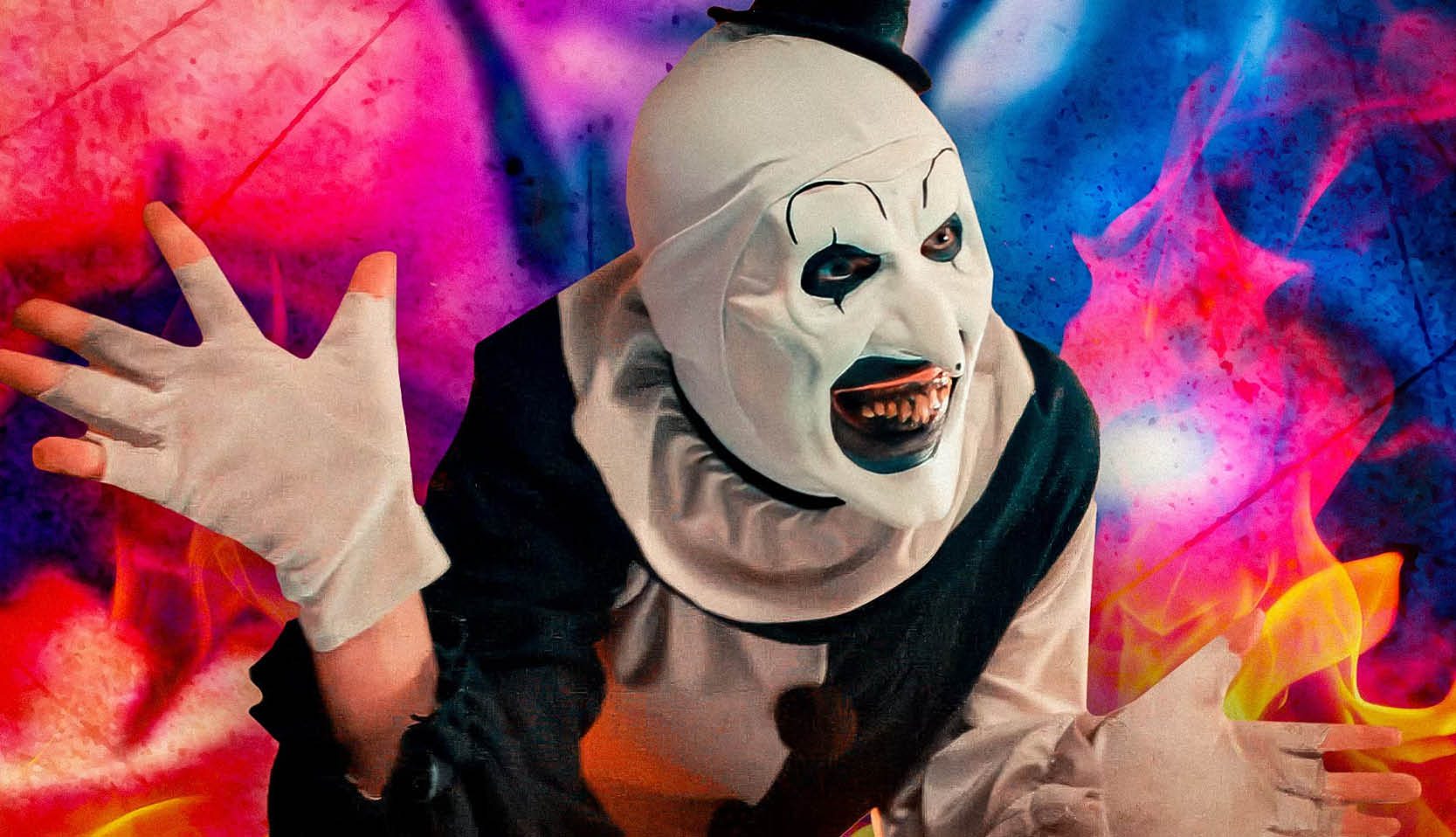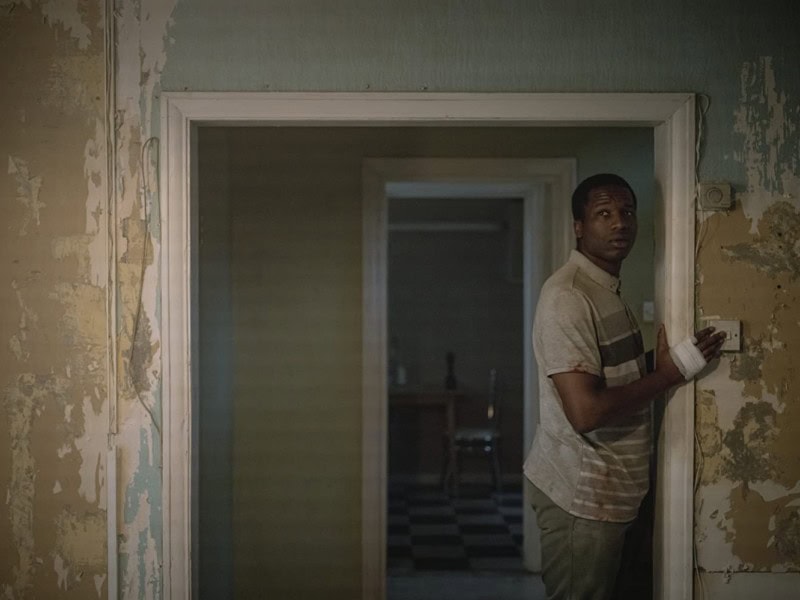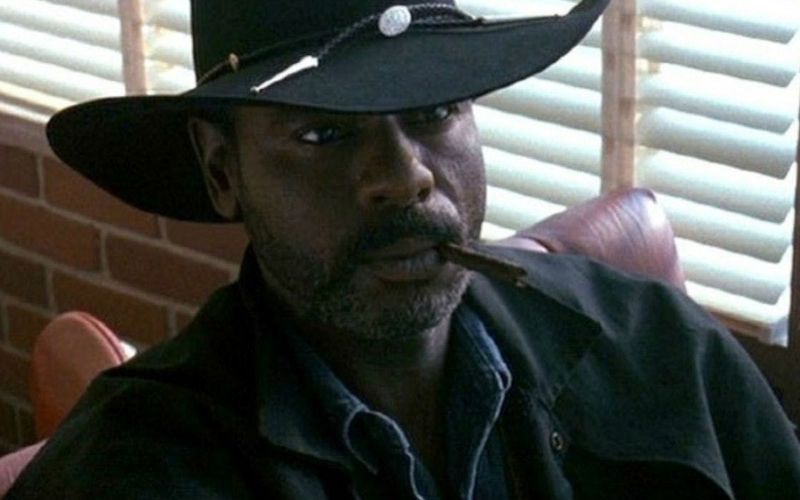
Expository monologues – the long speeches delivered by a character to provide backstory or motivation – can be the downfall or the showstopper of a horror film, and there’s at least one in a vast majority. The purpose of all these soliloquies is an extended, intense effort to overcome the unusually high threshold of disbelief concomitant with the horror genre, generally in an attempt to answer questions for the audience like: How is this possible? Why did she do this – and in such a convoluted and oblique way? Why is this not a plot hole?
For actors and directors in the genre space expository monologues are an occupational hazard that have the potential to be a moment of cinematic glory… if you have the right tools. In this presentation for both performers and filmmakers, we will study the four types of expository monologues and review instructive examples of each. They comprise:
- Explaining an implausible/supernatural situation (Poltergeist) and possibly encouraging a risky solution
- Tenuous justification for a character’s actions up to this point (usually involves a reveal or twist)
- Providing backstory from previous film(s) to catch up the franchise fan or fully inform a viewer who hasn’t seen the earlier installments
- Retrocontinuity – indispensable for franchises and reboots where the director maybe changing mythology (Scream 3, Jason Goes to Hell)
In analyzing clips we’ll explore the difference between a naturalistic approach and “excess” in performance, briefly digressing here into a discussion of the theories of genre scholars Linda Williams and Kristin Thompson.
Because a performance built around excess requires a lot of character work, in the second part of the class we will focus on more natural techniques when we study our text: Creighton Duke’s monologue from Jason Goes to Hell. Using detailed textual analysis – aided by Creighton Duke himself, Steven Williams, who will appear in person as a special guest – we’ll discover how to bring emotional authenticity to language dense with proper nouns and also examine patterns of inflection and breath in relating anecdotes in our own lives.
*Please note Steven Williams’ appearance is subject to change dependent on his professional schedule.
Gillian Wallace Horvat is a Los Angeles-based filmmaker, writer and film programmer.
Her first short film, GUNPLAY, was a 2007 Wasserman Semi-Finalist and the only film to ever receive a disclaimer for graphic content at Tisch’s First Run Film Festival. KISS KISS FINGERBANG, starring Anton Yelchin, Kate Lyn Sheil and Buck Henry was awarded the Jury Prize in its short category at the 2015 South by Southwest Film Festival, premiering online as a Vimeo Staff Pick. Miriam Bale wrote in Indiewire that Gillian was one of “the most exciting American indie filmmakers I can think of.” Her films have screened in festivals around the world including SXSW, Fantasia, Palm Springs International Short Film Festival, Beyond Fest, Maryland Film Festival, Yale University, and many others.
Gillian also produced A FULLER LIFE, a documentary on the life and films of director Samuel Fuller that premiered at the 2013 Venice Film Festival. For the past five years she has been producing documentary shorts for Arrow Films, Kino Lorber and Olive Films, working on projects ranging from an AMERICAN NINJA box set to Orson Welles’ MACBETH. She is also a guest columnist for Filmmaker magazine and her writing has appeared in Sight & Sound.