In a 2018 essay for The Los Angeles Review of Books, Sheri-Marie Harrison identified what she terms “New Black Gothic”: a revival across literature, cinema, and music in which Black creators mobilise Gothic tropes to confront an ongoing accumulation of historical and contemporary violence. Writing in what she describes as distinctly Gothic times, Harrison argues that artists such as Jesmyn Ward, Jordan Peele, and Donald Glover use horror, satire, and the uncanny to expose how racial violence does not recede into the past, but continues to shape everyday Black life. As long as this violence persists, she suggests, the Gothic will remain central to Black cultural expression.
This lecture builds on Harrison’s framework while shifting focus away from the satirical dark humour of works like Get Out and Atlanta, and toward a less frequently discussed current within New Black Gothic: Gothic romance. Paying particular attention to Black women’s horror and Gothic storytelling, the talk explores how intimacy, desire, mourning, and attachment to the dead operate alongside terror. Drawing on the work of scholars and creators including Dr. Kinitra Brooks, Leila Taylor, John Jennings, and Rammellzee, the lecture introduces multiple critical approaches to Afrogothic cinema.
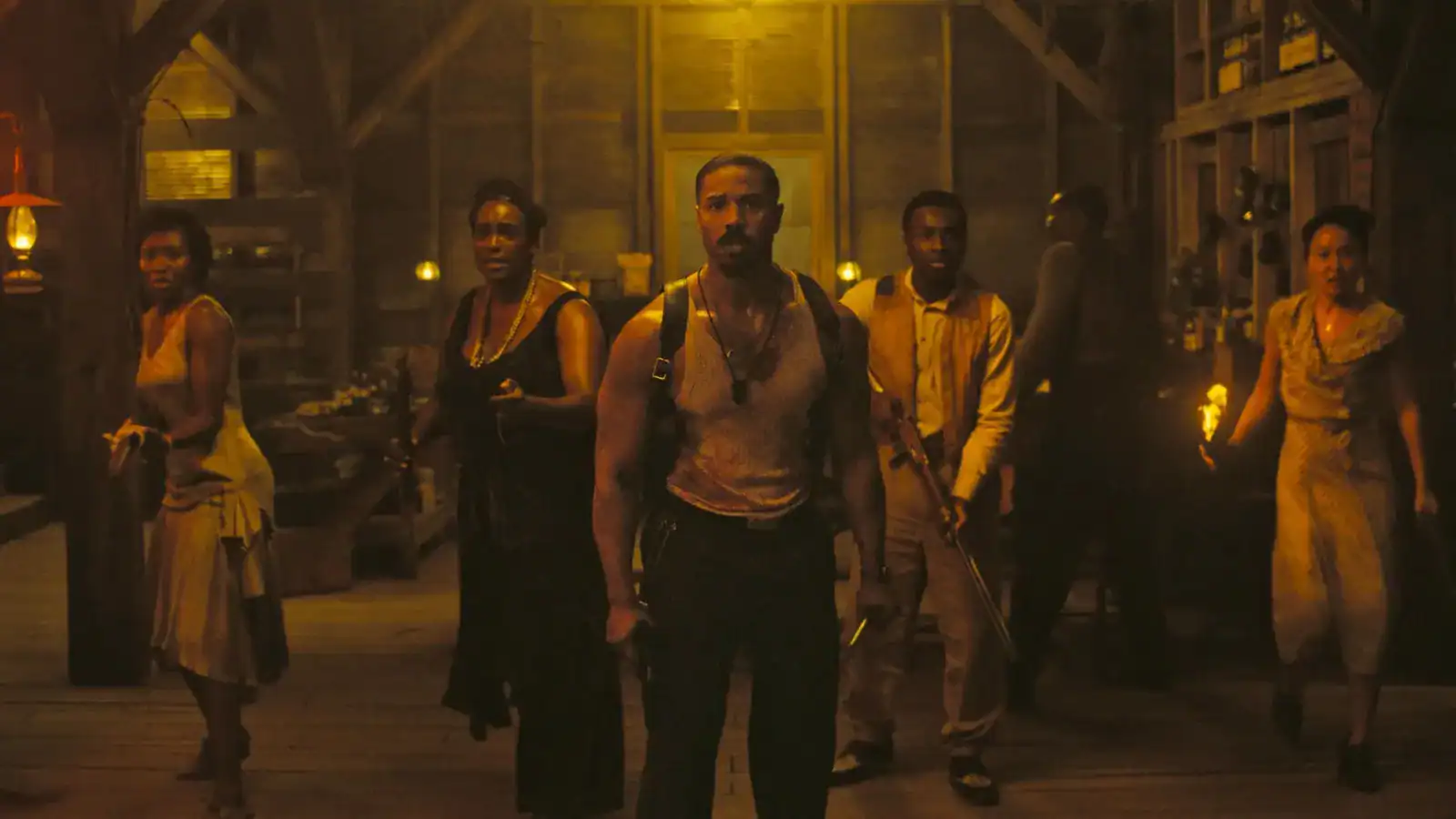
These frameworks are then applied to a series of films that span generations and geographies, from Ousmane Sembène’s Black Girl (1966) to Nikyatu Jusu’s Nanny (2022), Julie Dash’s Daughters of the Dust (1991) to Mati Diop’s Atlantics (2019), alongside Eve’s Bayou, His House, and Ryan Coogler’s Sinners. Together, these works reveal how survival within the Black diaspora has required an intimacy with ghosts that can only be described as Gothic—one that signals horror, but also articulates a romance oriented not toward the past, but toward possible futures.
All talks start at the following local times:
London @ 19:00:00
Berlin @ 20:00:00
New York @ 2pm (3pm 16th March)
Los Angeles @ 11am (12pm 16th March)
Lea Anderson is a critic and genre expert working in the intersections of Black horror, monster theory, and Black feminism. A FANGORIA columnist and contributor, she has appeared in the Shudder docuseries, The 101 Scariest Horror Movie Moments of All Time and Horror’s Greatest.