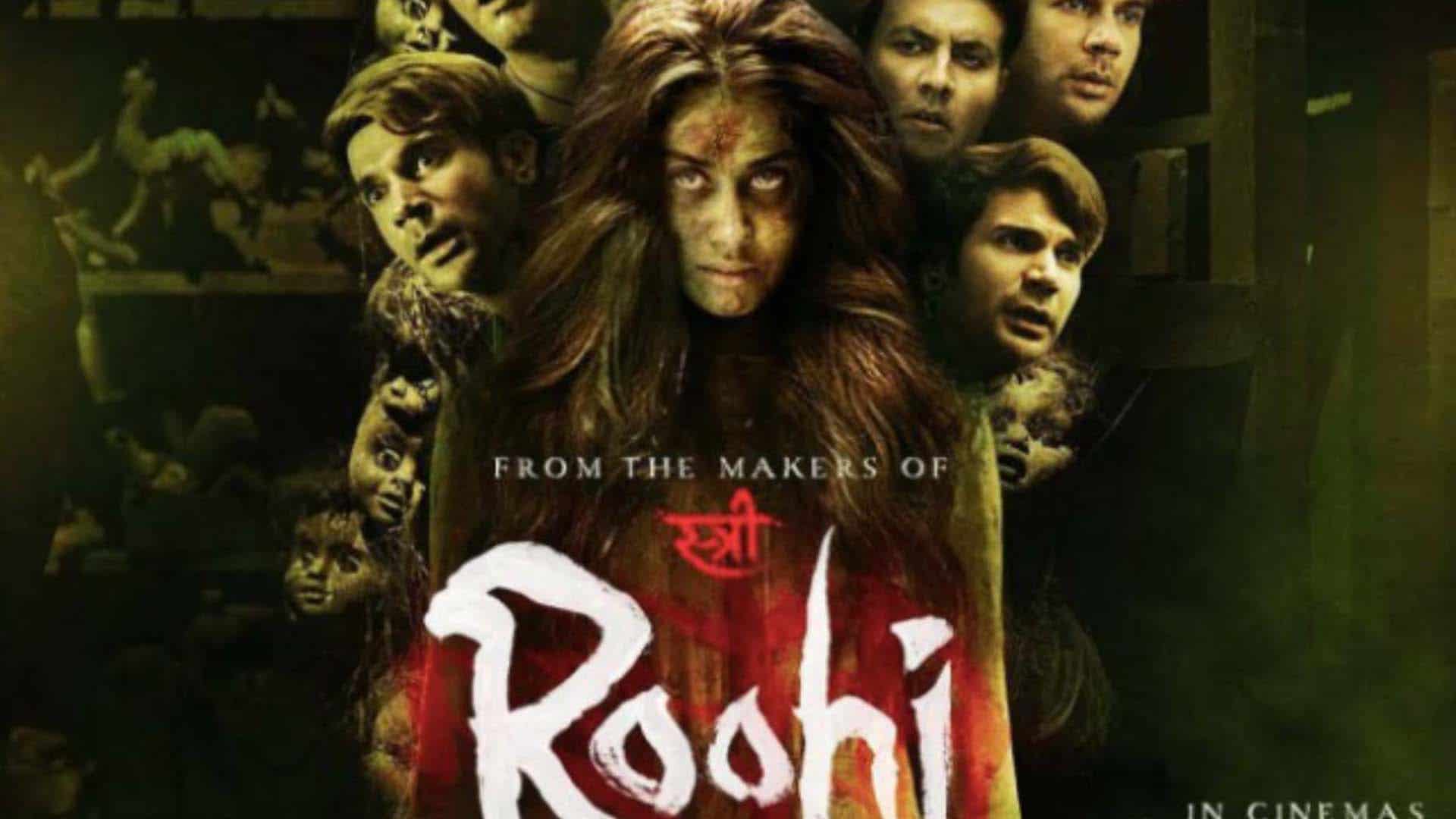
The focus of this lecture is ostensibly on representations of the witch in contemporary Bollywood film. But it is also a discussion on how the supernatural as a genre is being used to challenge problematic gender codes and social conventions in South Asian popular cultures. Hindi popular cinema is in many respects unique in relation to other global cinemas, particularly in its historic reliance upon strictly proscribed guidelines for representations of women and a ‘good woman/bad woman’ binary. In Bollywood, this gender binary has been used to code socially acceptable behaviours that have privileged an imagined concept of India, one that is patriarchal, Hindu-centric and homogenous. Historically, the figure of the witch or churail as she is known in both Hindi and Urdu, has fit the context of this binary through her representation as a ‘bad woman’ who is inevitably punished for acting outside of filmic norms of gender behaviour. However, recent iterations of the witch in Hindi film productions, have seen a complete volte-face, as new witch films have represented the figure as a sympathetic protagonist and fighter for gender justice.
Looking at the films Veerana (dirs. Shyam and Tulsi Ramsay, 1988), Chudail No.1 (dir. R. Kumar, 1997), and contemporary Netflix co-productions, Stree (dir. Amar Kaushik, 2018), and Roohi (dir. Hardik Mehta, 2021) we can observe how the witch and relatedly, gender conventions, are evolving in Bollywood. Situating these films within socio-political, cultural and production contexts, it becomes apparent that there has been a rupture with the traditional gender paradigms that have historically sought to police and control women’s gender expression.
View instructor Saira Chhibber’s class citations here.
Saira Chhibber is a PhD candidate in the Cultural Studies program at Queen’s University in Kingston Ontario. She has taught courses in popular culture, film and television studies. Her love of all things pop culture has led to having work published in diverse spaces, from Maximumrocknroll to the Journal of Religion and Film. As lifelong horror fan, she is excited to have a chapter forthcoming in The Witch Studies Reader. Saira has a long history of mostly successfully, convincing other kids and now adults, to check out more scary movies.