The Monster in horror films carries the representational burden of its location’s social and cultural . The
broadly drawn, corrupt and irredeemable Monster becomes the screen upon which socio-cultural fears are projected. To make such a figure sexual, attractive, vulnerable or relatable is to pervert the role of the Monster, rendering it more dangerous, less easily contained. (Think about vampires such as Lestat, Angel and Spike— No, I’m not putting a Twilight reference here).
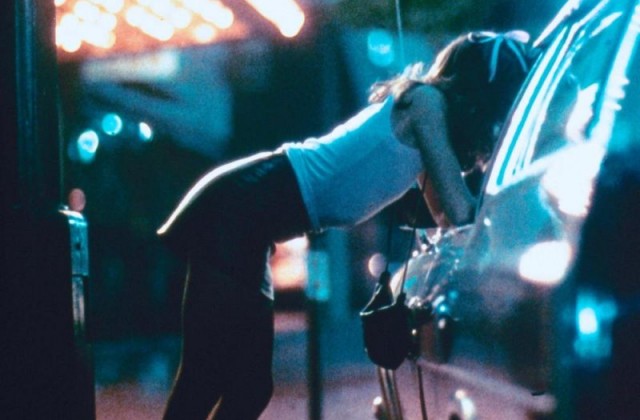
These same principles operate in the construction of stereotypes. For instance, the figure of the prostitute has long been depicted (and understood) to be unfeminine, irredeemable and polluting – a source of corruption and contagion. Thus, she becomes a monster — both in terms of fears about women’s sexuality and assumptions about ‘natural’ or ‘normal’ gendered behaviour. This course will parallel the extreme treatment of, and presentation of, the Monster in films with the representation of prostitutes and sex workers. This juxtaposition makes the underlying cultural constructions and fears at play in both contexts both more complicated, and compelling. Ultimately, the construction of the Other – both in how it serves to articulate the unacceptable, and how it is deployed to govern appropriate behaviour, will be discussed.
Week 1 – Wednesday, April 4th – Film: A FOOL THERE WAS
Week 1 Readings PDF
Jeffery Jerome Cohen, “Monster Culture (Seven Theses)”
Karen Herland fell in with a bad crowd with a taste for horror at a young age. Currently, her research focuses on the social and cultural construction and marginalization of bodies considered threatening or challenging to traditional norms. She is a Co-Director of Montreal’s Monstrum Society and sits on the Monstrum Journal’s editorial board. She has taught at the Miskatonic Institute of Horror Studies since 2012. Amongst her recent publications are “ ‘Always Hearing Voices, Never Hearing Mine’: Sound and Fury in The Snake Pit” in Recovering 1940s Horror Cinema (2014) and “Horror and the Last Frontier: Monstrous Borders and Bodies” in Firefly and Westworld.” Joss Whedon vs. the Horror Tradition: The Production of Genre in Buffy and Beyond.(2019), A lecturer in popular/visual culture and sexuality studies at Concordia University, she has been involved in teaching their interdisciplinary course on HIV/AIDS for more than a decade and has served as the Director of the university’s HIV/AIDS Community Lecture Series.