MIS
KA
TON
IC
Institute of
Horror Studies
Archive
Archive
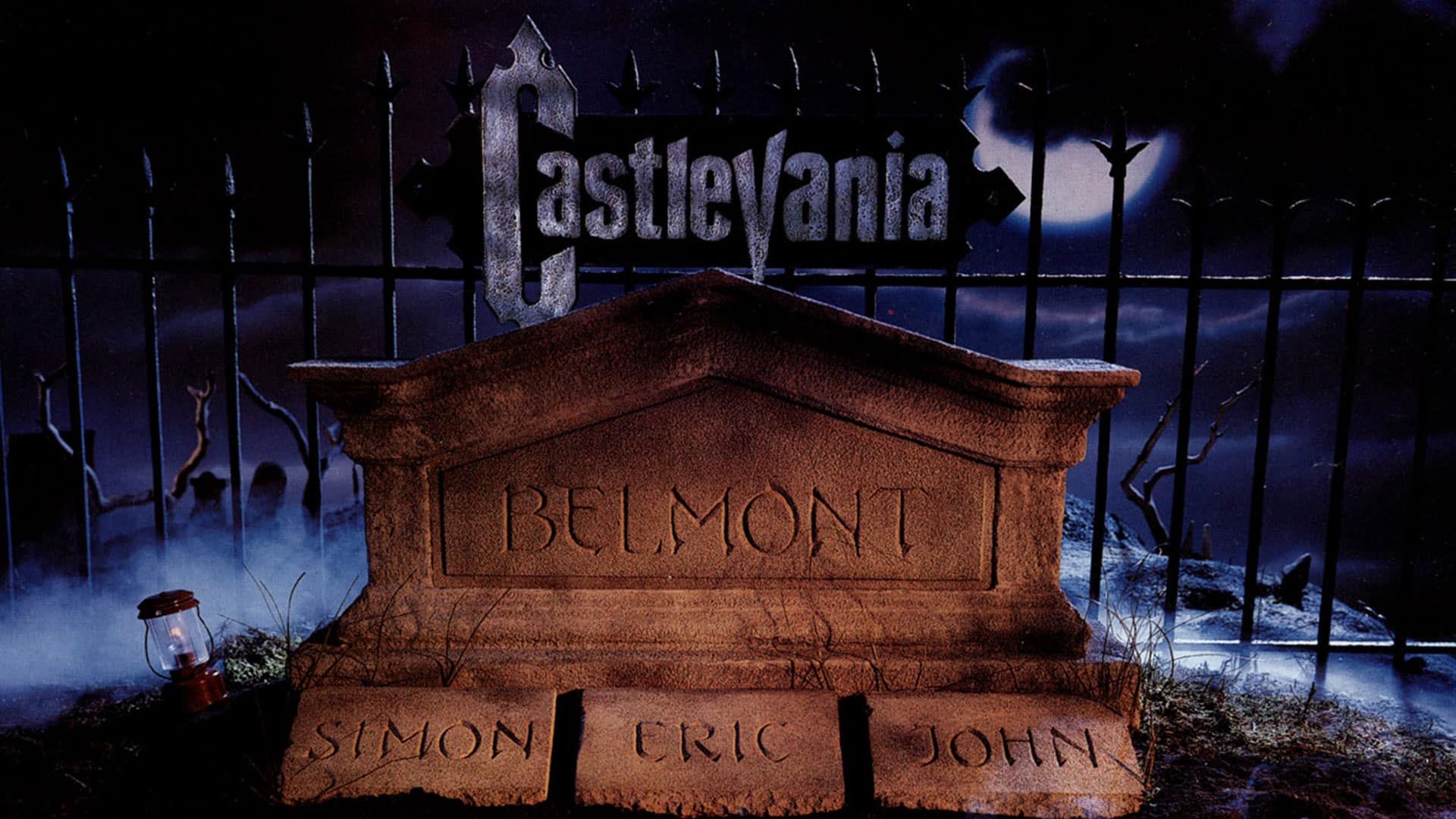
Castlevania’s ‘Miserable Pile of Secrets’: Dracula Adaptations and What They Can Teach Us (London Online)
Matthew Crofts
8 March 2022
Castlevania’s ‘Miserable Pile of Secrets’: Dracula Adaptations and What They Can Teach Us (London Online)
At the height of the 2020 American Election, amidst the chaos of the Covid-19 pandemic, #Dracula started trending on Twitter. The reason? Trump, his lead disappearing, had tweeted “STOP THE COUNT!”. People immediately responded with images of Dracula, offering unflattering comparisons with the outgoing President. This is the latest episode in Dracula’s long career of being relevant, referenced, and reinvented. This class will explore just what it is about Bram Stoker’s Dracula (1897). that makes it eternally relevant for adaptation within a rapidly changing culture.
>Dracula demonstrates the significance of Victorian anxieties within contemporary culture more than any other novel. Theories of adaptation has moved beyond fidelity to an ‘original’, recognising instead that each new adaptation has its own audience and intention. Dracula adaptations react to the needs and expectations of the era that produced them – providing an invaluable case-study that demonstrates changing attitudes toward Victorian legacies and their synergies of reinvention. For example, the popular convention of ‘Romanticising’ Dracula (such as Bram Stoker’s Dracula (1992) adding a plot about Dracula’s reincarnated wife) is read with cultural trends of ‘attractive’ vampires, such as Anne Rice’s fiction and the Twilight phenomenon, often ignoring that it signals a rejection of the patriarchal, xenophobic values Victorian period.
This class will examine the extended ‘afterlife’ of Dracula in transformations, identifying shared themes across diverse media, and to demonstrate that reworking Dracula, even making him child-friendly, is a way of coming to terms with problematic nineteenth-century histories. Increased engagement with new media incarnations of Dracula is vital to understanding the appeal of this nineteenth-century vampire to modern audiences of all kinds. Video games, comic books, and even cartoons have all played a key role in enshrining Dracula as a pop-culture icon; as comfortable opening a hotel as fighting Batman.
A key example of such an incarnation is the long-running Castlevania series, which has run from 1986 to the present and could boast being the ‘Dracula’ series with the most iterations. Castlevania has built its own Dracula mythos, received its own trans-media adaptation and offers an international perspective on incorporating diverse influences from other adaptations. To Dracula scholarship it offers a long-running example of not only literary adaptation across media, the role of international cultures, but most significantly how new versions feed off previous ones, engaging with audience expectations, and crafting a lineage of blood across many different versions.
Please note this is a live broadcast event – the class cannot be watched later, so please be sure you are available at the date and time the class is being offered in before registering. All sales are final, and we will not give refunds for any reason other than class cancellation. Classes curated by Miskatonic London are either in Greenwich Mean Time or British Summer Time depending on the time of year.
Matthew Crofts
8 March 2022
Read more
8 March 2022

Thai Horror Film As An Extension Of Thai Supernaturalism (LA Online)
Katarzyna Ancuta
22 February 2022
Thai Horror Film As An Extension Of Thai Supernaturalism (LA Online)
Horror has always been important for Thai cinema, although most Thai horror films, steeped in local folklore, history and modes of narrative, have relatively little in common with the genre as defined by major western productions. While in other languages horror derives its name from the emotion it is meant to evoke, in Thai it is the content of the films that defines the genre. Most of those films follow strictly supernatural plots built around a variety of beings described collectively as phi (ghosts, spirits, deities, and demons), they are therefore commonly known as nang phi, or ‘ghost films.’
Thai horror films differ from their western counterparts in one more aspect: they exist as an extension of Thai supernaturalism, a collection of shared beliefs and cultural practices that not only affects the portrayal of the preternatural in the films but also frames the functioning of the local entertainment industry. How then does one make a ghost film for an audience that sees living with spirits as part of everyday experience? How does one create a work of fiction that, on some level, can still be recognized as ‘real’?
In order to succeed locally, Thai horror films need to offer a fictional retelling of hypothetically possible spiritual encounters and generate fear by tapping into the personal experience of their viewers. If the filmmakers stray too far from the audience’s expectations, they risk getting seriously criticized for producing an ‘unconvincing’ film narrative. This is the layer of the film that is frequently lost on international viewers, which is why since the early 2000s, we have seen the rise of ‘new’ Thai horror films that align themselves with the pan-Asian Horror aesthetics popularized by Japanese and Korean horror cinema in an attempt to appeal to a wider audience. These new films repackage traditional Thai horror formulas for global consumption using supernaturalism as a means to connect with local viewers and simultaneously exoticize Thai culture for the outsiders.
In this lecture we will focus mostly on the 21st century films seen as a distinct stage in the evolution of Thai horror cinema. We will discuss the main themes of these films, situate them in the larger body of Thai cinematic horror, and address the effects of globalization on horror film production in Thailand.
Please note this is a live broadcast event – the class cannot be watched later, so please be sure you are available at the date and time the class is being offered in before registering. All sales are final, and we will not give refunds for any reason other than class cancellation. Classes curated by Miskatonic Los Angeles are in Pacific Time.
Katarzyna Ancuta
22 February 2022
Read more
22 February 2022
Don’t Dream It’s Over: Unreliable Narrators, Death Dreams, And Determinism In Horror (NYC Online)
Robyn Citizen
15 February 2022
Don’t Dream It’s Over: Unreliable Narrators, Death Dreams, And Determinism In Horror (NYC Online)
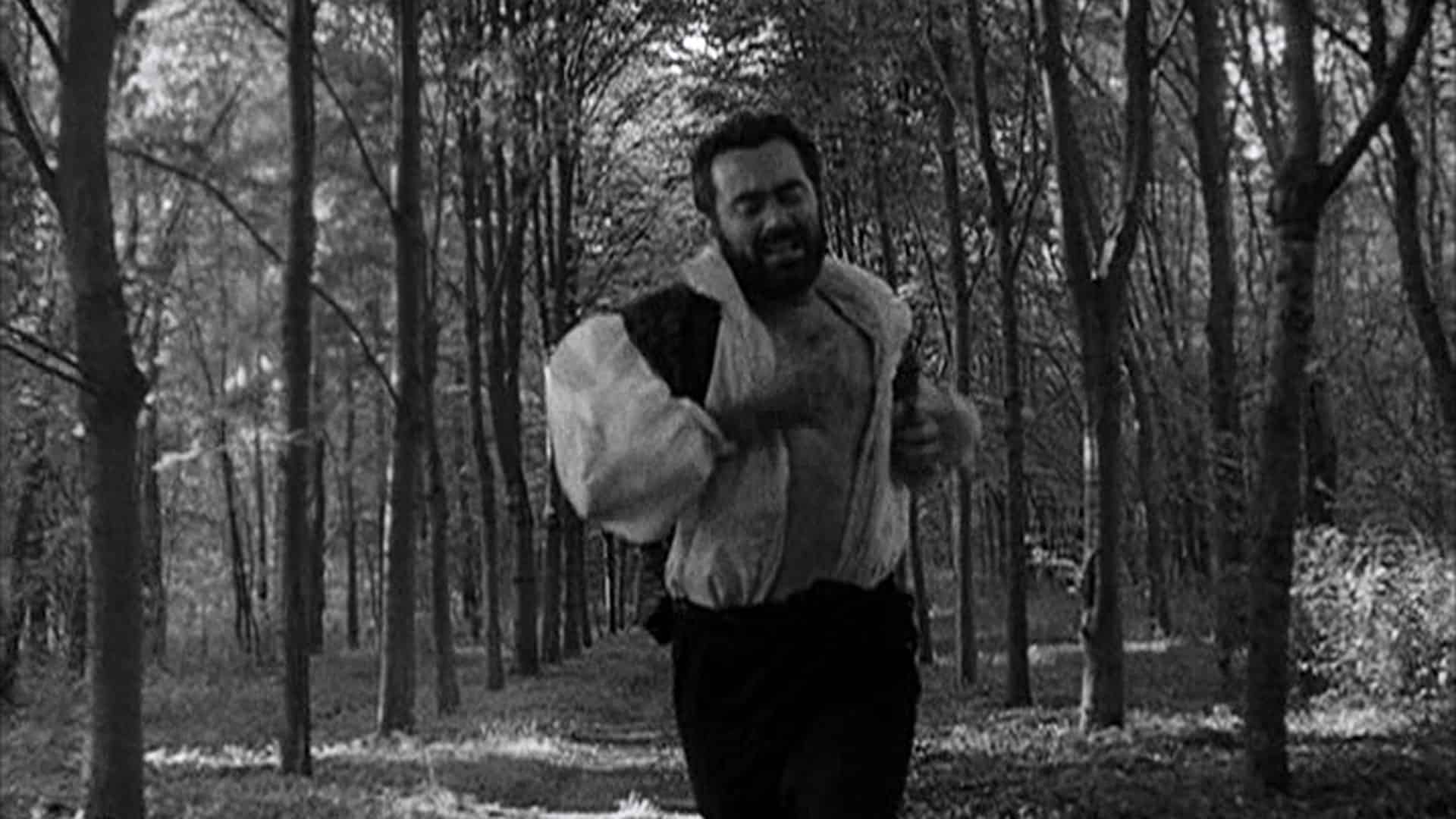
The already dead or damned unreliable narrator, and the similar path of characters immersed in death dreams – initially popularized by Ambrose Bierce’s short story, “The Occurrence at Owl Creek Bridge” – allow for philosophical explorations on the nature of reality, consciousness, the grim inevitability of death and occasionally, the possibility of an afterlife. This talk asks students to consider horror narratives in popular cinema and TV with characters who negotiate their impending / past deaths by constructing alternate scenarios in which they have escaped their fates going on to avenge themselves or make different choices entirely with their second chances. We will explore the functions of the death dream and damned narrator in films such as Jacob’s Ladder, Carnival of Souls, Ghost Stories, Angel Heart, Tale of Two Sisters, and Phantasm. We will also touch on Mike Flanagan’s limited series The Haunting of Bly Manor and Midnight Mass which both use this trope as a way to conceptualize the afterlife as a neverending dream that reimagines the present. In a media landscape where sci-fi and fantasy multiverses and their defining ‘what ifs’ are central to a significant number of family friendly, mainstream entertainment, what is the source of the horrific being mined in horror characters’ departures from objective reality?
Please note this is a live broadcast event – the class cannot be watched later, so please be sure you are available at the date and time the class is being offered in before registering. All sales are final, and we will not give refunds for any reason other than class cancellation. Classes curated by Miskatonic New York are in Eastern Time.
Robyn Citizen
15 February 2022
Read more
15 February 2022

‘People are going to want to see this’: The Evolution of Witnessing in Found Footage Horror (London Online)
Shellie McMurdo
8 February 2022
‘People are going to want to see this’: The Evolution of Witnessing in Found Footage Horror (London Online)
When the term “found footage horror” is mentioned, certain films may spring to mind: The Blair Witch Project, perhaps, or Paranormal Activity. In contrast, this class seeks to highlight selected found footage horror films that have been less thoroughly analysed by critics and scholars, and will use these to examine both the subgenre’s aesthetic evolution and provide an in-depth examination of one of its most enduring themes.
Part of found footage horror’s appeal is a lack of loyalty to a specific “look” (although it has revisited several, for reasons I will explore). As such, the first part of this class will trace how and why found footage horror has emulated various emergent reality “looks” during its lifespan, including its most recent movement towards aping the aesthetics of social media. The subgenre’s construction of terror stems from the fact that these narratives are presented not as adjacent or similar to our reality, but part of it, and I will detail how found footage horror attempts to achieve this positioning in various ways. This class presents the subgenre’s preoccupation with its cultural context – as evidenced through its rapid aesthetic evolution – as a significant contributory component to its longevity as a distinct horror movement.
Despite the multiple formal shifts and changes we can identify in found footage horror, one theme has remained constant – that of witnessing – and the second part of this class will examine this recurrent topic. The act of witnessing in these films is often inadvertent in nature, and although they are compelled to document, found footage protagonists are often unable to capture the visual evidence they so desire: whether this be through the limitations of their diegetic recording equipment or their own inability to record events objectively, as they are driven to intervene, to help, or are shocked into simply letting their camera roll and capture what it can. This class will, then, outline how the vulnerability of characters in found footage horror is emphasised by the subgenre’s unstable frames, and how they are repeatedly endangered by what lurks in the offscreen space, or punished for their desire to see, to look, to witness, and to know.
Overarchingly then, this class will provide a grounding in the evolution of the subgenre, while presenting it as one that only becomes more relevant as time goes on. Having a particular resonance in a society increasingly fixated on recording events both mundane and spectacular.
Please note this is a live broadcast event – the class cannot be watched later, so please be sure you are available at the date and time the class is being offered in before registering. All sales are final, and we will not give refunds for any reason other than class cancellation. Classes curated by Miskatonic London are either in Greenwich Mean Time or British Summer Time depending on the time of year.
Shellie McMurdo
8 February 2022
Read more
8 February 2022

The Cinema Of The Ramsay Brothers (LA Online)
Shamya Dasgupta
25 January 2022
The Cinema Of The Ramsay Brothers (LA Online)
They were a family of outsiders, who moved to Mumbai from Karachi during the Partition of India, and set up a shop selling and repairing radios. In the 1970s, they transitioned to film producing and, one fateful night while observing the reactions of the crowd in a movie theater, made the decision to pursue the genre that would define their career…
In this lecture, Shamya Dasgupta, author of Don’t Disturb the Dead: The Story of the Ramsay Brothers, will detail how seven brothers with a business background embraced every aspect of filmmaking—while economizing at every opportunity—to become India’s first horror film factory and a genre unto themselves.
They made a splash in Bollywood, but just like in the movies, their tale has a rise, a fall, and eventual redemption. Join the Miskatonic Institute of Horror Studies to learn why, even today, decades later, the Ramsay name is synonymous with horror in India.
Please note this is a live broadcast event – the class cannot be watched later, so please be sure you are available at the date and time the class is being offered in before registering. All sales are final, and we will not give refunds for any reason other than class cancellation. Classes curated by Miskatonic Los Angeles are in Pacific Time.
Shamya Dasgupta
25 January 2022
Read more
25 January 2022
The Holocaust And Its Double: Writing Fiction In The Medium Of Genocide (NYC Online)
Tony Burgess
18 January 2022
The Holocaust And Its Double: Writing Fiction In The Medium Of Genocide (NYC Online)
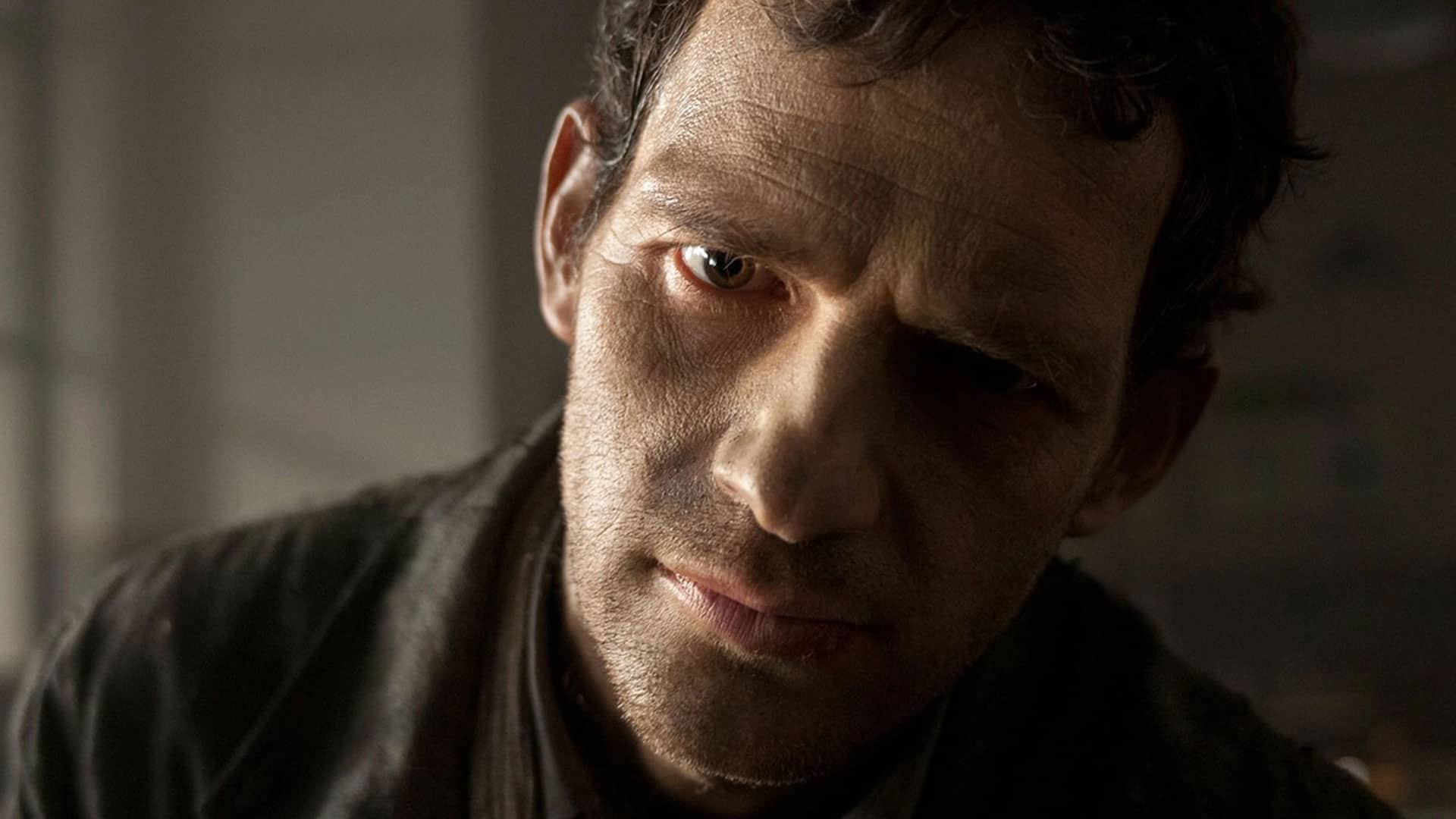
Primo Levi responded to Adorno’s startling statement that “after Auschwitz poetry is an act of barbarity” with a slight shift into possibility: “after Auschwitz there can only be poetry about Auschwitz”. In the past twenty years or so, Holocaust Studies has emerged as its own formidable discipline. Despite unique pressure, and possibly because of it, Holocaust Studies has made increasingly relevant advances in most fields of theoretical practice. This lecture attempts a preliminary examination of how these practises and strategies might hyphenate into other areas of study. Themes include the problem of emplotment, modelling exceptional history within history, the productive effect of silence and repression, hybridization, the false opposition of mystification and demystification, fiction and non-fiction, intentionalism and structuralism. This lecture is part confessional, part academic slurry with a literary horror fiction and film focus.
Mr. Burgess is donating his fee for the lecture to The Neuberger Holocaust Education Centre. For more information on their work, you can visit their website, www.holocaustcentre.com.
Please note this is a live broadcast event – the class cannot be watched later, so please be sure you are available at the date and time the class is being offered in before registering. All sales are final, and we will not give refunds for any reason other than class cancellation. Classes curated by Miskatonic New York are in Eastern Time.
Tony Burgess
18 January 2022
Read more
18 January 2022
Hyperpostmodern or Just Plain Camp? A Revisionist History of the Contemporary Teen Slasher Film (London Online)
Daniel Sheppard
11 January 2022
Hyperpostmodern or Just Plain Camp? A Revisionist History of the Contemporary Teen Slasher Film (London Online)
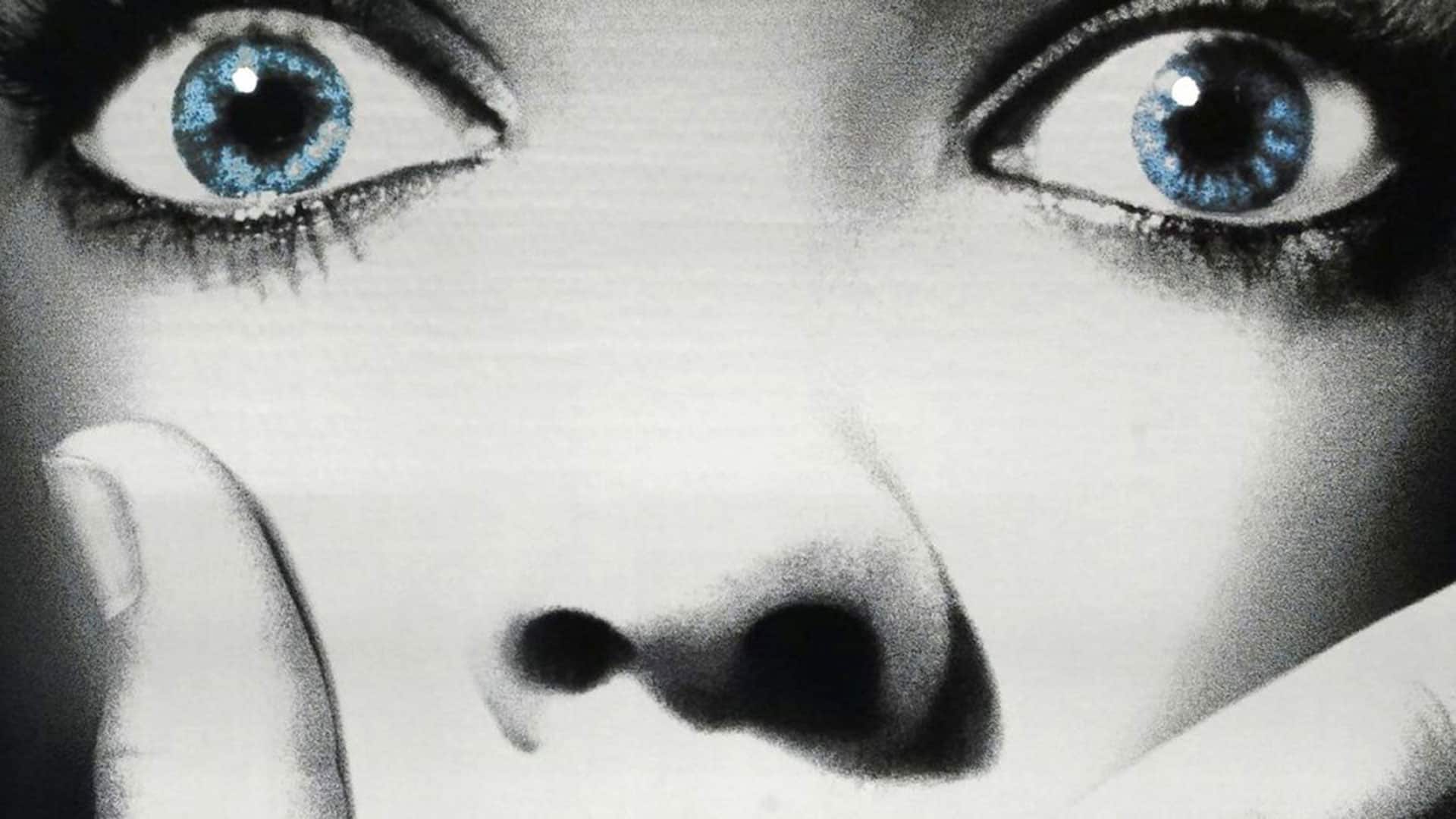
In the late nineties, teen slasher films entered their third production cycle following the box-office successes of Scream, I Know What You Did Last Summer and Scream 2. These films are often described as being “like Scream,” criticised as copycats and cash-ins, in which they have become apolitically synonymous with terms such as “metatextual,” “self-reflexive,” “pastiche,” “postmodern,” etc. While such cynicism suggests that the teen slasher film has become a self-deprecating mockery of itself, Daniel Sheppard brings into consideration the role of the gay screenwriter and, in doing so, demonstrates how Kevin Williamson’s use of camp in Scream, I Know What You Did Last Summer and Scream 2 created new generic possibilities for other gay screenwriters, directors and producers working in Hollywood at the turn of the millennium—as well as now—including Silvio Horta (Urban Legend), Don Mancini (Bride of Chucky), Gus Van Sant (Psycho), Jeffrey Reddick (Final Destination), and Aaron Harberts (Valentine).
Where critical accounts of gay screenwriters, directors and producers have, until now, been near exclusive to “queer horror,” this illustrated lecture calls for a revaluation of what it means for gay screenwriters working in Hollywood to script heteronormative (“straight”) narratives that consciously erase LGBTQ+ representation. Where the teen slasher film has historically been approached in heteronormative terms, then—which itself has “straightwashed” histories of mainstream production—this lecture demonstrates how these films critique heteronormative ideology through camp, thereby encouraging queer positionalities for audiences.
Please note this is a live broadcast event – the class cannot be watched later, so please be sure you are available at the date and time the class is being offered in before registering. All sales are final, and we will not give refunds for any reason other than class cancellation. Classes curated by Miskatonic London are either in Greenwich Mean Time or British Summer Time depending on the time of year.
Daniel Sheppard
11 January 2022
Read more
11 January 2022
The Back Rooms: An Exploration of the Creepypastas Phenomenon (LA Online)
Simon Laperrière
28 December 2021
The Back Rooms: An Exploration of the Creepypastas Phenomenon (LA Online)
First co-presented with NIGHTSTREAM earlier this year, instructor Simon Laperrière returns for a live broadcast of his lecture.
From the Slender Man to Candle Cove, creepypastas have an undeniable influence on pop culture. Internet urban legends and fictions have recently been the object of numerous films, tv series and podcasts. Such phenomenon deserves not an analysis, but an exploration, in order to understand why they fascinate us (and why they keep us in front of our computer late at night). Being one of the first scholars to write about the Slender Man mythology, Simon Laperrière invites you on a journey through those amateur fictions, questioning why their impact is so strong on a sociological point of view. Creepypastas are a new folklore that cannot be ignored, especially when a film like We’re Are All Going to the World’s Fair understands their power so well. Welcome into a world of strange and funny stories. Welcome to the Back Rooms!
Please note these are live events – they cannot be downloaded and watched later, so please be sure you are available at the time and timezone the classes are being offered in before registering. For those with global passes and Los Angeles branch passes, your registration link for the original December lecture will work for this replacement class. We hope to present REGRESSION OBSESSION in 2022.
Simon Laperrière
28 December 2021
Read more
28 December 2021
Marvel Comics and the Occult (London Online)
Miriam Kent
14 December 2021
Marvel Comics and the Occult (London Online)
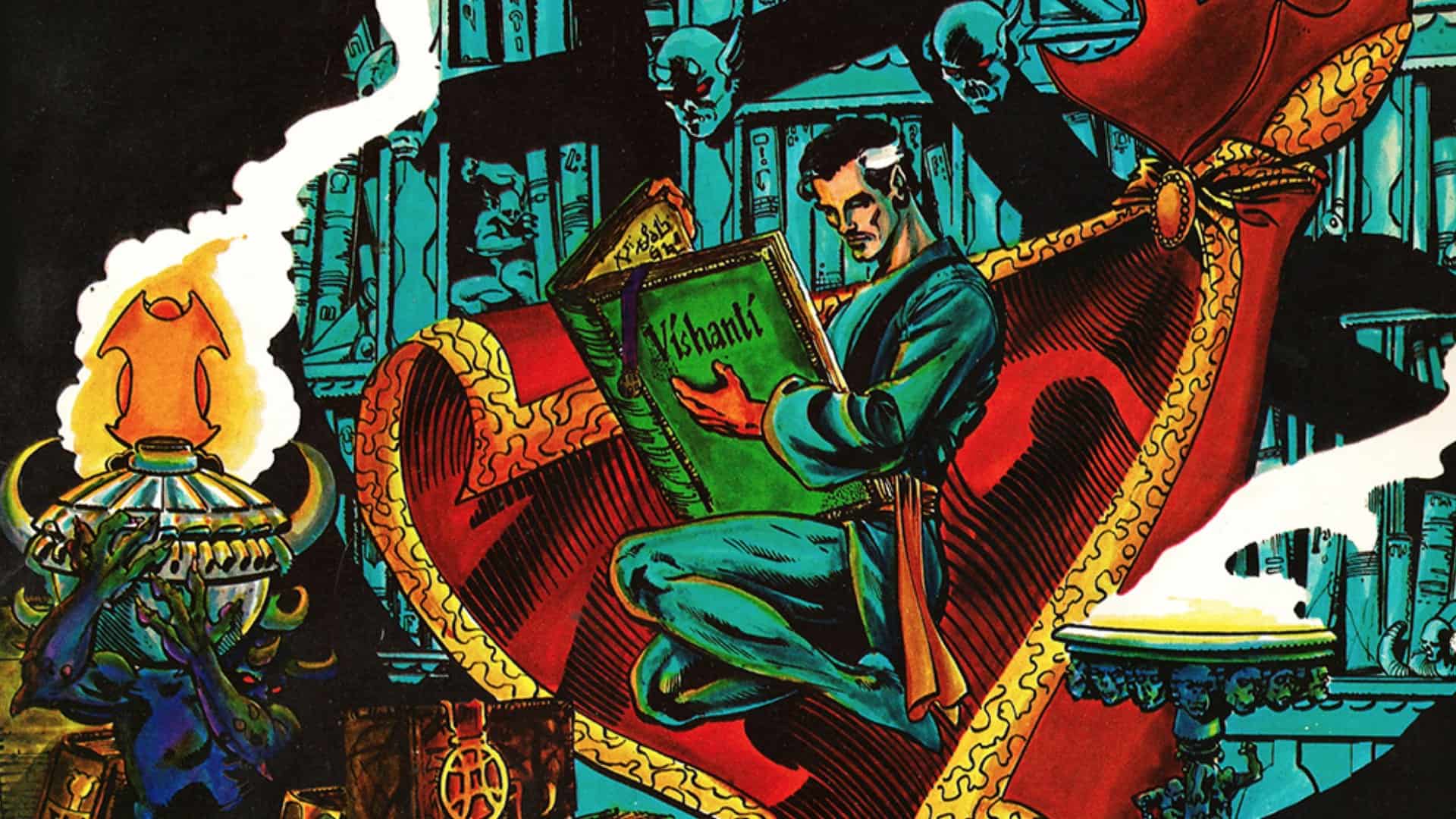
From 1940s horror comics to Vertigo characters such as John Constantine and Neil Gaiman’s Sandman, American comic books have a wide-ranging history with the occult. Superheroes, whose occupations traverse the fantastical and supernatural, have been receptive to occult influences for decades. However, Marvel superheroes are often sidelined in discussions of occult superheroes, with critics reaching more obviously to DC and independent publishers. Despite this, Marvel has a rich history of dark superheroes and villains, whose representations are often emblematic of cultural shifts.
This session discusses the secret occult origins of Marvel superheroes as well as summarising how certain characters can be made sense of through an occult lens while considering their historical and cultural contexts. Western culture’s interest in the occult peaks and troughs throughout history, often occurring at moments of societal distress, upheaval or existential crisis, or as an alternative to traditional models of religious belief. By the 1950s, horror comics—including those invoking occult themes—had caused a moral panic resulting in industry-wide censorship under the Comics Code and ending their stronghold. While superhero comics reinvigorated the industry, the supernatural never really left, with the more socially acceptable face of superheroes merely masking occult undercurrents.
Moreover, by the time the Code was relaxed in the 1970s, Marvel was publishing supernatural comics series including Tomb of Dracula, Werewolf by Night and Ghost Rider. While the launch of its Vertigo imprint opened up more avenues for DC’s explicitly occult stories, Marvel’s superheroes maintained their occupation of a realm placed somewhere between science fiction, fantasy and the occult through characters such as Doctor Strange, Daimon Hellstrom (the Son of Satan), Magik and the Scarlet Witch.
Using Doctor Strange, who debuted in 1963, as a touchstone, the discussion will position these characters within the cultural context in which they appeared to make sense of their specific configurations of occultism. Incorporating elements of Eastern mysticism filtered through Western Orientalism, Doctor Strange’s early adventures represented the countercultural fixation on psychedelia through Steve Ditko’s surreal hallucinogenic artwork. Later appearances expanded the character’s scope to darker, more supernatural realms, encountering vampires, the devilish Mephisto and more. The session thus concludes with a consideration of genre influences concerning Marvel’s wider historical forays into horror comics, placing the character at the locus of the fantastical and horrific.
These appearances mark an interesting merging of genres, navigating the boundaries between fantasy and horror while on a social level, the prospect of science fiction’s abstract networks of virtual embodiment became a reality through technological developments in digital media. Meanwhile, the representations of Doctor Strange’s holistic mysticism have been discussed as speaking to the individualist politics of neoliberal America. With Marvel’s forthcoming film Doctor Strange and the Multiverse of Madness allegedly set to be the studio’s first foray into horror, now is the perfect time to reflect on the changing definitions of the occult in superhero comics history.
Please note these are live events – they cannot be downloaded and watched later, so please be sure you are available at the time and timezone the classes are being offered in before registering.
Miriam Kent
14 December 2021
Read more
14 December 2021

Visual Pleasure and Genre Cinema: Voyeurism and Obsession (NYC Online)
Justin LaLiberty
14 December 2021
Visual Pleasure and Genre Cinema: Voyeurism and Obsession (NYC Online)
It’s easy to suggest that cinema at its most base form was born out of a desire to watch others; in its earliest incarnation, moving images mixed the seemingly banal tasks of everyday life alongside brief attempts at narrative. Whether adopting tropes of voyeurism out of sexual perversity/pleasure – see keyhole stag films from the early years of the 20th century – or wrapping a tightly knit narrative around the human proclivity to merely watch other humans with interest (Rear Window), it’s clear that this theme found its way into cinema at large but was specifically ripe fodder for genre cinema thanks to its both carnal and insidious implications.
Please note these are live events – they cannot be downloaded and watched later, so please be sure you are available at the time and timezone the classes are being offered in before registering.
Justin LaLiberty
14 December 2021
Read more
14 December 2021