MIS
KA
TON
IC
Institute of
Horror Studies
Archive
Archive

The Sleep Of Reason: The Artist In Horror Movies (LA Online)
Ken Johnson
30 November 2021
The Sleep Of Reason: The Artist In Horror Movies (LA Online)
Art critic and artist Ken Johnson will discuss a selection of horror movies in which the main character is an artist. From the perspective of an art critic, rather than a film critic, he will address questions such as, what is an artist in popular consciousness? What makes the artist and the sorts of things artists produce ripe for horror? A short answer would be that the artist’s cultivation of creative imagination, and susceptibility to irrational fantasy, makes him or her particularly attractive to demonic forces arising from the depths of the unconscious or invading from non-ordinary dimensions. As Goya’s famous print declaims, “The Sleep of Reason Breeds Monsters.”
The lecture will address what these movies get right about art and artists, and what (as they more often do) they get risibly wrong—akin to what a scientist might have to say about science fiction.
The primary subjects will be:
“A Bucket of Blood” (1959)
“Color Me Blood Red”
“Deep Dark”
“Velvet Buzzsaw”
“Hereditary”
Please note these are live events – they cannot be downloaded and watched later, so please be sure you are available at the time and timezone the classes are being offered in before registering.
Ken Johnson
30 November 2021
Read more
30 November 2021
Monetizing The Morbid: A History Of Ghost Tourism (NYC Online)
Andrea Janes
16 November 2021
Monetizing The Morbid: A History Of Ghost Tourism (NYC Online)
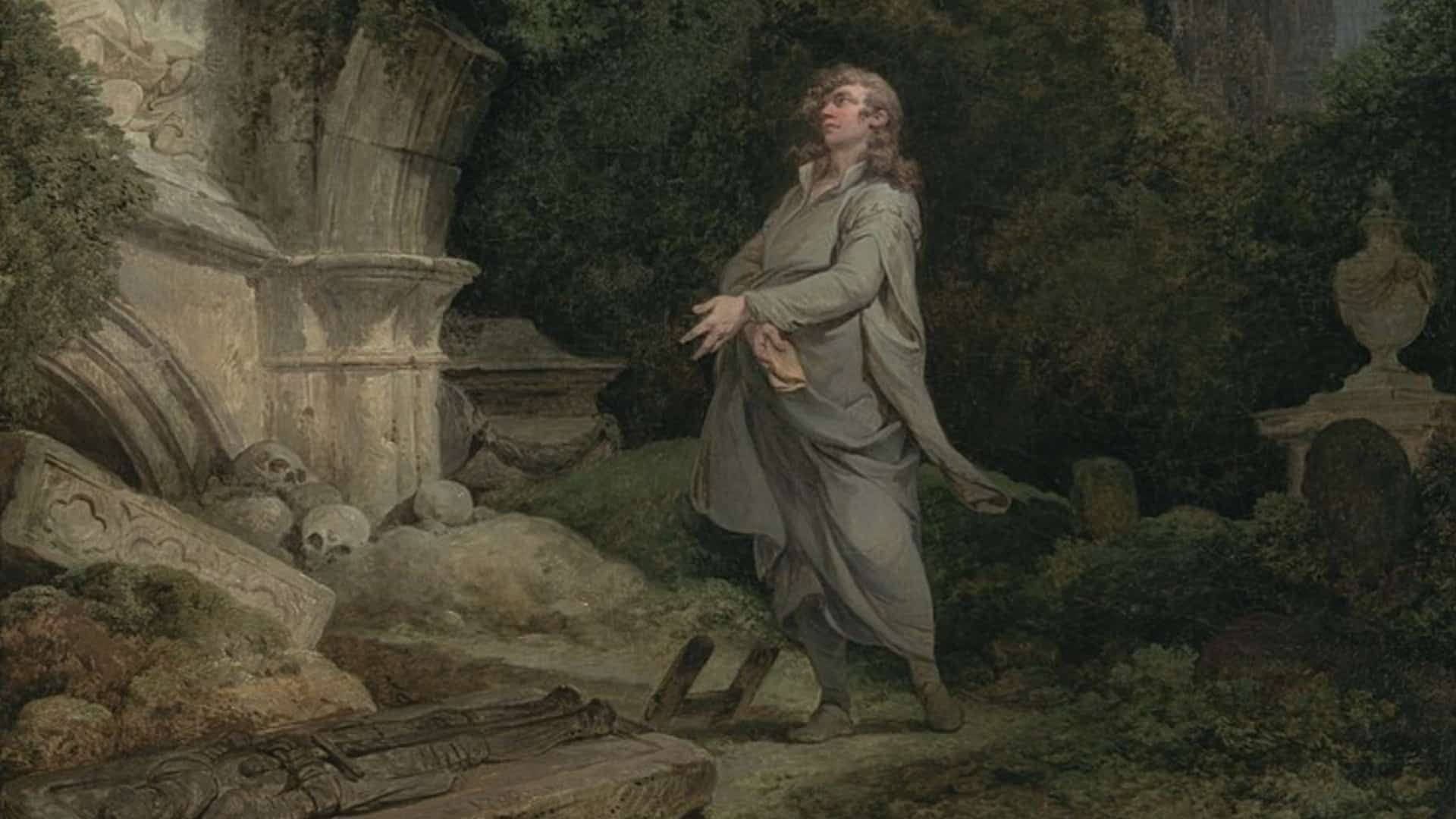
Since 18th century visitors to Tintern Abbey gawked at gothic ruins, and Thomas Cook referenced the supernatural writings of Sir Walter Scott in his 19th century marketing of Scottish tours, ghosts have been part of popular tourism. Modern ghost tours continue to exploit supernatural appeal in a mass market format, delivering moderate thrills three times a night to paying audiences in historic city centers throughout the world. This illustrated lecture draws a line from these proto-ghost tours to contemporary (and often problematic) ghost tours of present-day America, focusing on the ways people interact with these haunting and supposedly haunted spaces.
A subcategory of the broader term “dark tourism”, ghost tourism is defined as any form of leisure travel that involves encounters with or learning about ghosts or hauntings; this lecture focuses on the ghost walk, the most accessible and affordable ghost tourism experience. Ghost walks offer many potentially positive aspects: they can provide a welcome space to begin to address troubling histories, and have, since their beginnings, provided a cathartic emotional release for participants. The Victorian-era practices of visiting and picnicking in cemeteries, or visiting the Paris catacombs, similarly provided tourists with a way to safely enjoy death-adjacent surroundings, and process their own complex feelings about mortality, grief, and the afterlife.
The commercial aspect of contemporary ghost tourism, however, is inherently problematic, and questions of taste, morality, and exploitation continue to plague what has been called the “worst form of tourist trappery around.” So how can ghost tours approach the delicate line between one person’s good time, and another’s spiritual taboo? And how are a new group of emerging ghost tour operators attempting to change the kitschy and exploitative nature of the industry?
Case studies of various American ghost tours will illustrate this complicated interplay between exploitation, education, and emotion. We will look at traditional and “new age” spirit walks in Salem; parse the complex racial dynamics at play in ghost tours of New Orleans and Savannah; explore the tensions between history and sensationalization in commercial ghost walks of New York City; and look at new perspectives on supernatural storytelling in Maine.
Presented by Andrea Janes, owner and founder of Boroughs of the Dead: Macabre New York City History Tours, this lecture acknowledges the difficult aspects of ghost tourism while also positing that, as our death-positive Victorian forbears knew, ghost tours may offer a healthy way to process grief and address the difficult histories that must be acknowledged lest they continue to haunt us forever.
Please note these are live events – they cannot be downloaded and watched later, so please be sure you are available at the time and timezone the classes are being offered in before registering.
Andrea Janes
16 November 2021
Read more
16 November 2021

Top Hat, Cape, Gladstone Bag and Fog; Jack the Ripper on Film (London Online)
Clare Smith
9 November 2021
Top Hat, Cape, Gladstone Bag and Fog; Jack the Ripper on Film (London Online)
In 1888 a series of brutal murders shocked London. The killer was never caught but his name has become synonymous with murder and misogyny – Jack the Ripper. The murders were avidly reported in the press and captivated the public but alongside fear an entertainment industry developed. Residents of streets near the murder sites rented window space out and a waxwork show complete with red paint stained models opened on Commercial Road. It is not then a surprise that film embraced Jack the Ripper as a character.
Many theories have been put forward regarding the identity of the killer, from royalty to artists with ever more convoluted motives. This class will consider who the killer is on screen, not who the killer was in reality but who he, and in some films, she becomes on screen. How one unidentified serial killer can project fears and anxieties on screen that have carried over since the late nineteenth century.
In this class I will examine the Ripper’s screen presence as arguably one of the most recognisable characters on screen. An audience presented with a man in a top hat and cape, carrying a Gladstone bag emerging from a fog bound street identifies this character as the Jack the Ripper. I will consider the iconography of this costume and setting as each element borrows from tropes across the horror genre connected to class, gender, madness, medicine, the gothic and the Freudian theory of the uncanny.
While the source material for many iconic horror characters such as Dr Frankenstein and Dracula is literature the Whitechapel murders are fact not fiction. While we do not know who the killer was we know a great deal about the victims, the detectives who investigated the killings and the scene of the crime – the East End of London. What shall emerge during this talk is that film sacrifices the truth of these people and place to further the development of the character of Jack the Ripper.
For in these films it is always 1888 in Whitechapel, women will scream, detectives will fail and it is all about Jack. This class will include stills and clips from films including From Hell, Dr Jekyll and Sister Hyde, Hands of the Ripper, The Lodger: A Story of the London Fog, The Ruling Class, Jack the Ripper (Franco) and Murder by Decree.
Please note these are live events – they cannot be downloaded and watched later, so please be sure you are available at the time and timezone the classes are being offered in before registering.
Clare Smith
9 November 2021
Read more
9 November 2021
THINGS THAT GO BUMP IN THE NIGHT! THE HISTORY AND PRACTICE OF HORROR RADIO (LA Online)
Richard J. Hand
26 October 2021
THINGS THAT GO BUMP IN THE NIGHT! THE HISTORY AND PRACTICE OF HORROR RADIO (LA Online)
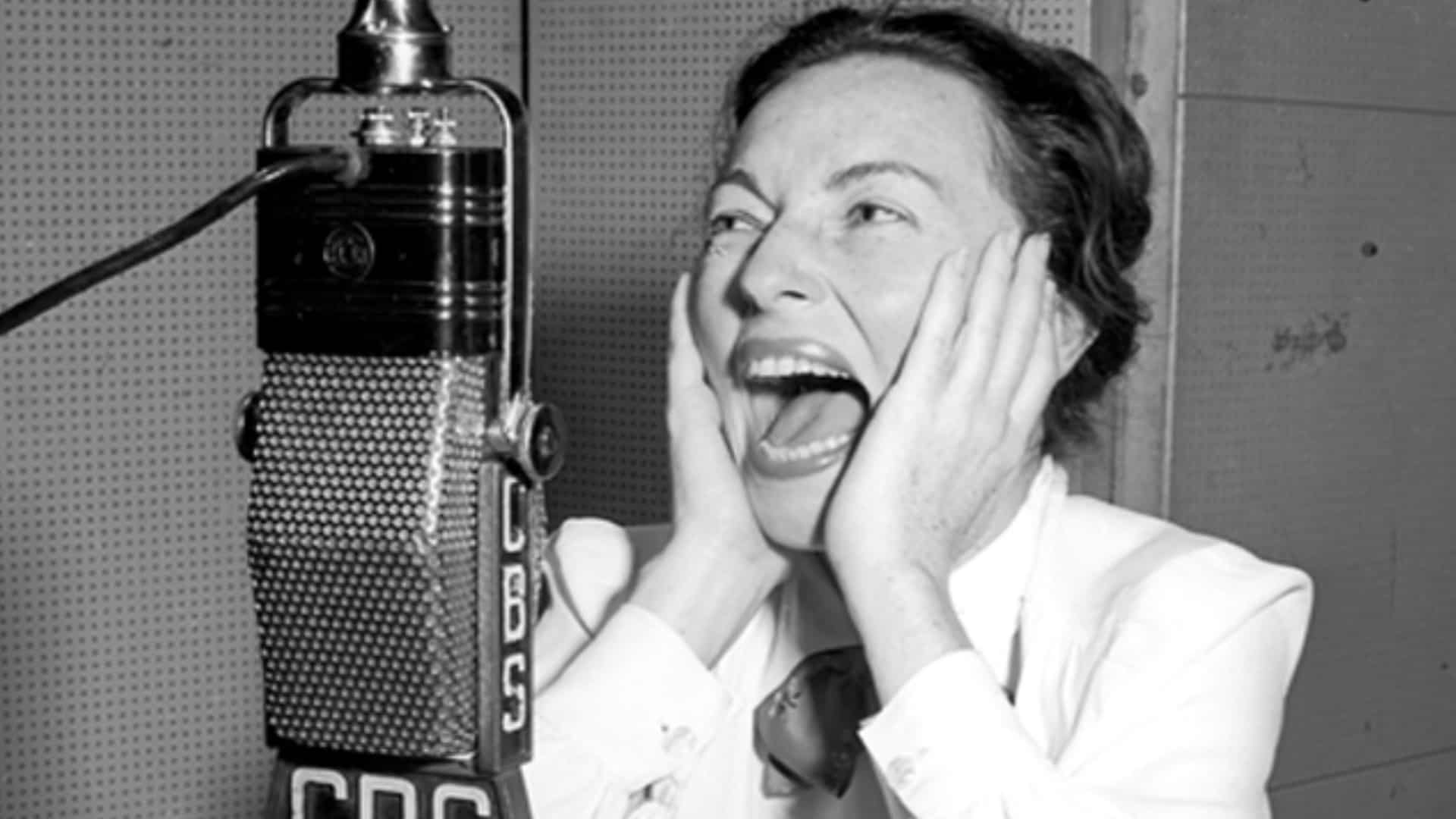
Although overshadowed by the visual media, audio is one of the richest forms for horror. Audio can be intimate and immersive, placing us in limitless locales while exploiting the medium’s essential and literal darkness. After all, for all its visual tropes, Gothic and horror culture abounds with sounds: screams, whispers, heartbeats, howling winds, baying hounds, rattling chains and countless other things that go bump in the night. Moreover, as horror film, videogame and podcast sound director Graham Reznick puts it, effective sound design has the eerie ability to ‘unwrite and rewrite reality at any time’. This ability to turn things awry is core to the power of sonic horror, not least in the specific context of audio drama.
For precisely one hundred years, radio drama has sustained a close relationship with horror and the Gothic. Using numerous auditory examples, Richard J. Hand will tell the fascinating history of horror radio, from its beginnings and legendary shows like The Witch’s Tale, Lights Out! and Quiet, Please right through to innovative work from the present day.
The all-live broadcasts of horror radio in the US and UK during the golden age of the 1930-50s abounded with incredible talent and personalities: vivid horror hosts such as The Old Hermit and The Man in Black ensured that millions of loyal listeners tuned in at the same time to experience the latest tales of terror that ranged from the hilarious to the genuinely audacious and disturbing. Indeed, live horror radio’s penchant for gore, cruelty and unhappy endings would lead to controversy and attacks from ‘moral crusaders’. Horror radio exploits its ‘invisibility’ to the fullest degree, presenting terrifying spectacles to our mind’s eye for, as Stephen King acknowledges, radio is a genuinely formidable horror form in its ability to create the ‘perfect monster’.
In our own time, digital technology and the rise of the podcast has led to an epoch for horror audio as rich and exciting as the considerable achievements of the golden age. From epic horror shows such as We’re Alive, the long-running zombie apocalypse saga; Julian Simpson’s ingenious updating of H. P. Lovecraft’s works for the BBC; to uncanny experiments in site-specific and binaural recording, it remains a terrific time to ‘listen in terror’.
As well as deconstructing the fundamental combination of scriptwriting, voice acting and sound effects in giving each individual listener the ‘darkest nightmares imaginable’, Richard will also reflect on his own practical experience as a radio writer/producer, in particular in the reconstruction of 1940s-style horror radio for live broadcast in the twenty-first century.
Please note these are live events – they cannot be downloaded and watched later, so please be sure you are available at the time and timezone the classes are being offered in before registering.
Richard J. Hand
26 October 2021
Read more
26 October 2021
THE AMERICAN NIGHTMARE: HOMEOWNERSHIP AND THE HAUNTED HOUSE (NYC Online)
Leila Taylor
19 October 2021
THE AMERICAN NIGHTMARE: HOMEOWNERSHIP AND THE HAUNTED HOUSE (NYC Online)
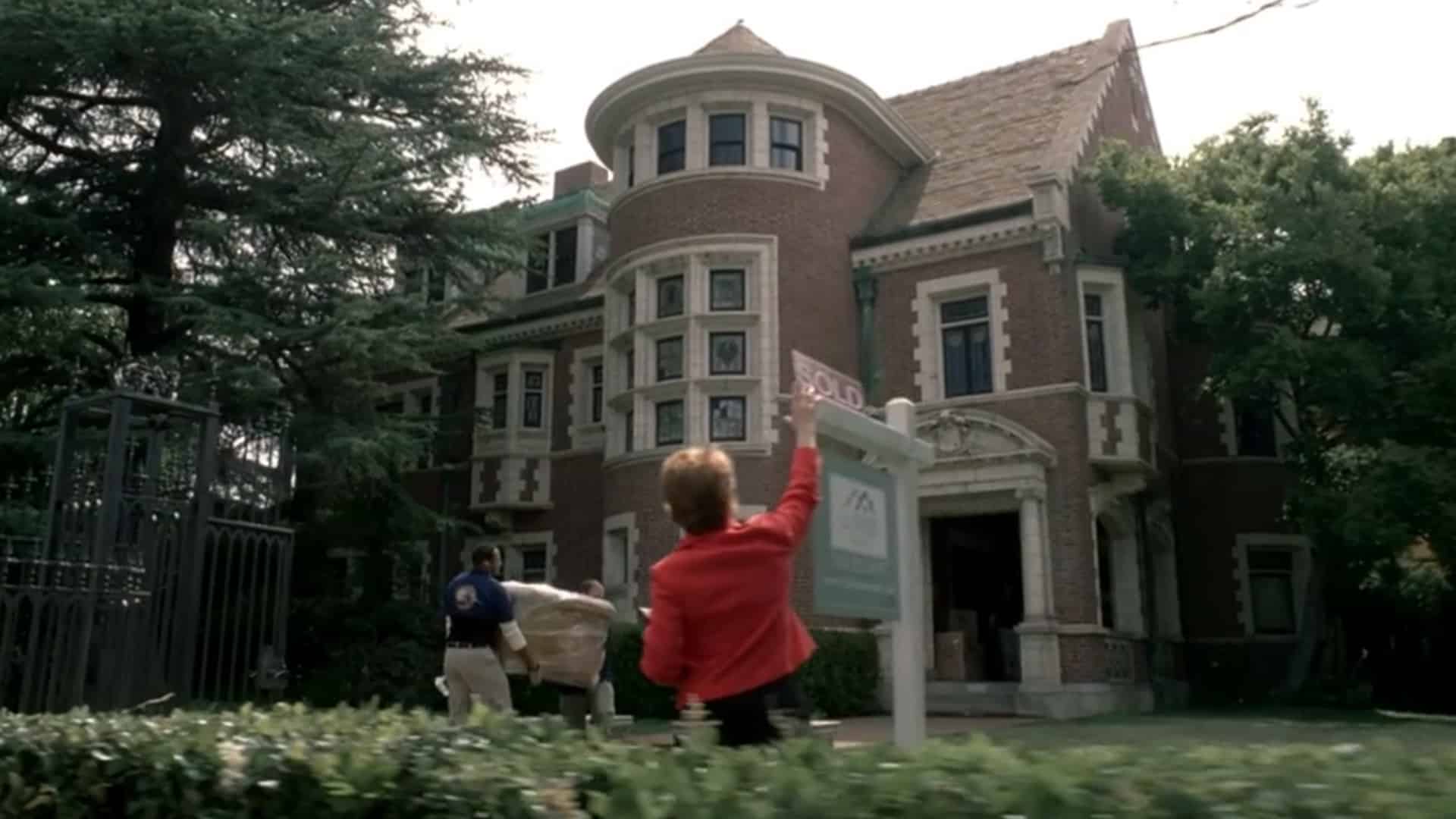
Homeownership is integral to the mythology of the so-called American Dream, and the right to property has been a thematic device in horror since The Castle of Otranto. With the promise of stability, autonomy, comfort, and a path towards upward mobility, the house is not merely a financial asset but a representation of our identity and our place in society. But what happens when malevolent forces shatter that illusion of power and safety and the dead won’t give up the deed? When does the private home become a haunted house? With films like The Amityville Horror, The Haunting in Connecticut, Dark Water, and His House, this talk will examine the role homeownership plays in horror both as aspirational bait and financial trap.
Please note these are live events – they cannot be downloaded and watched later, so please be sure you are available at the time and timezone the classes are being offered in before registering.
Leila Taylor
19 October 2021
Read more
19 October 2021

Creepy Dolls: From Precious Playthings to Harbingers of Death (London Online)
Joana Rita Ramalho
12 October 2021
Creepy Dolls: From Precious Playthings to Harbingers of Death (London Online)
In the gothic and horror imagination, inert things are often literally or seemingly vivified by being ascribed properties of the human. Human-like avatars of the creepy and the weird, objects such as dolls, puppets, dummies, automata, and waxworks facilitate key narrative, cultural, and socio-political discourses pertaining to identity and personhood. By stressing the permeable boundaries between self and other, uniqueness and anonymity, the living and the lifeless, these entities become haunting symbols of liminality and powerful harbingers of loss and death.
Using an intermedial, intergeneric, and transdisciplinary approach, this illustrated lecture will focus on the figure of the doll and propose an investigation into the ways these humanoid bodies operate in gothic and horror cinema. Drawing on ‘thing theory’, as developed by Bill Brown and Elaine Freedgood, we will first explore the difference between objects and things and will then trace the use of eerie dolls from early film to contemporary horror flicks. In so doing, we will look closely at how unsolicited animation is depicted in order to distinguish between gothic and horror films in their use of this familiar trope. We will analyse the disruptiveness that in/animate agents foster in the narratives and the manner in which they activate Masahiro Mori’s ‘uncanny valley’ to represent subjectivity in crisis. The unsettling presence of the doll disturbs or subverts the normal subject object relationship and articulates themes as varied as mental instability, trauma, ageing, and consumerism. In this part, we will look at such films as Bunny Lake is Missing (1965), What Ever Happened to Baby Jane (1962), Dolly Dearest (1991), and the Child’s Play franchise.
We will then move on to consider the negotiation of agency and femininity through acts of ‘dollifying’, by which I mean both the ascription of human faculties to inanimate objects and the subject’s acquisition of doll-like qualities. The nefarious implications of this process, along with its (paradoxical) potential for empowerment, will be discussed with reference to such films as the eccentric British gothic horror drama Corridor of Mirrors (1948) and the horror musicals The Devil’s Carnival (2012) and Alleluia! The Devil’s Carnival (2015).
For centuries, creepy dolls have toyed with our collective imagination. But why are we drawn to them? What can the doll’s association with transgression, doubling, and monstrosity tell us about ourselves and the postmodern societies in which we live? By the end of the class, students should be able to answer these and other related questions.
Please note these are live events – they cannot be downloaded and watched later, so please be sure you are available at the time and timezone the classes are being offered in before registering.
Joana Rita Ramalho
12 October 2021
Read more
12 October 2021
The Back Rooms: An Exploration of the Creepypastas Phenomenon (NIGHTSTREAM)
Simon Laperrière
10 October 2021
The Back Rooms: An Exploration of the Creepypastas Phenomenon (NIGHTSTREAM)
The Miskatonic Institute is excited to once again team up with the collaborative virtual event NIGHTSTREAM, to present a special lecture on that very contemporary horror phenomenon, the Creepypasta.
From the Slender Man to Candle Cove, creepypastas have an undeniable influence on pop culture. Internet urban legends and fictions have recently been the object of numerous films, tv series and podcasts. Such phenomenon deserves not an analysis, but an exploration, in order to understand why they fascinate us (and why they keep us in front of our computer late at night). Being one of the first scholars to write about the Slender Man mythology, Simon Laperrière invites you on a journey through those amateur fictions, questioning why their impact is so strong on a sociological point of view. Creepypastas are a new folklore that cannot be ignored, especially when a film like We’re Are All Going to the World’s Fair understands their power so well. Welcome into a world of strange and funny stories. Welcome to the Back Rooms!
Simon Laperrière
10 October 2021
Read more
10 October 2021
CHOOSE YOUR OWN MISADVENTURE: THE LABYRINTH OF HORROR VIDEO GAME SCRIPTWRITING (LA Online)
Larry Fessenden, Graham Reznick
28 September 2021
CHOOSE YOUR OWN MISADVENTURE: THE LABYRINTH OF HORROR VIDEO GAME SCRIPTWRITING (LA Online)
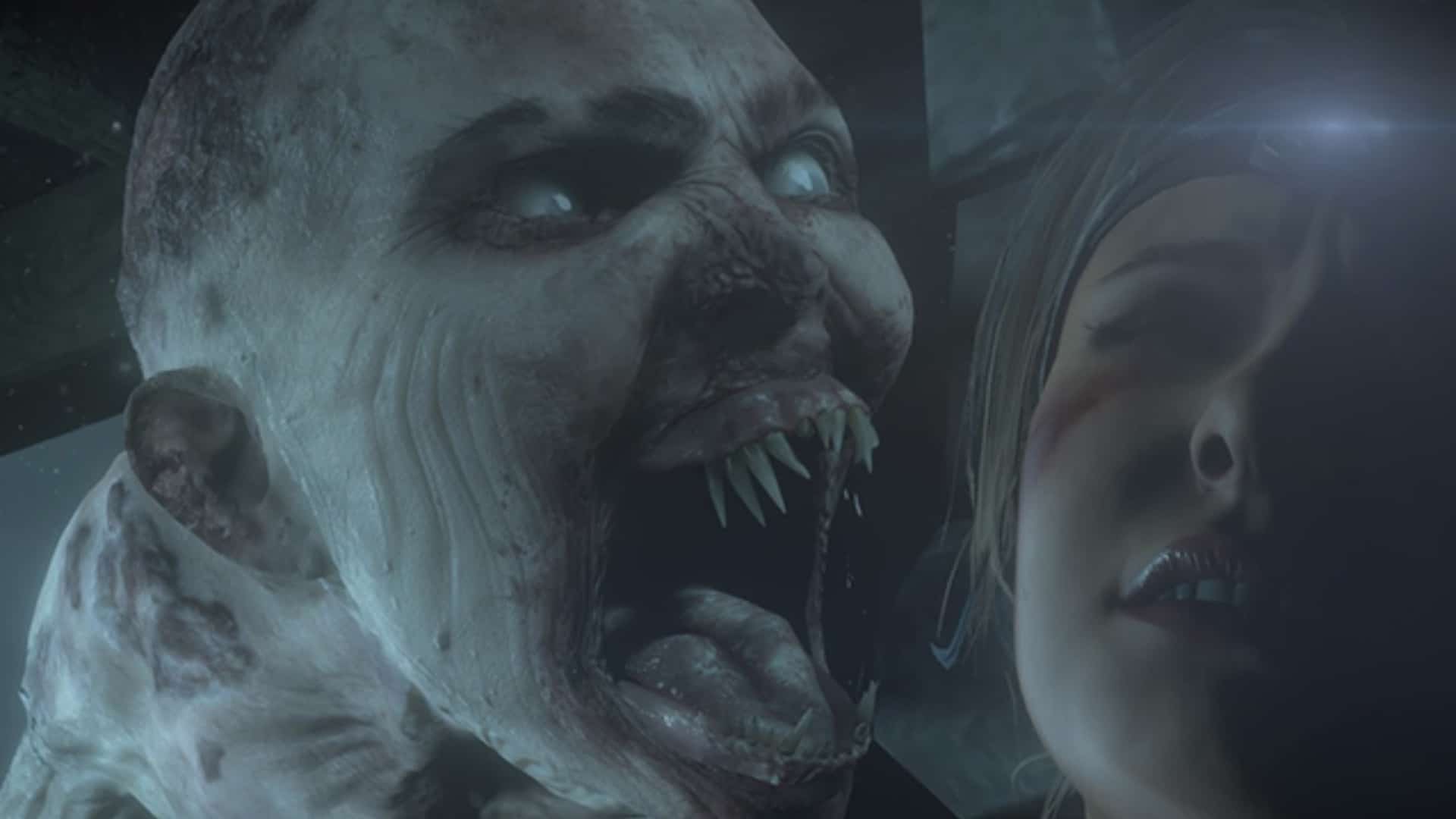
Horror has been a key component of video games since the medium’s inception. From Haunted House for the Atari 2600 to this year’s Resident Evil: Village, video game designers have tasked players with something wholly unique to the genre: live through the horror, or die trying. The artistry behind crafting compelling stories with stimulating and responsive game mechanics requires a singular perspective and skill set. Miskatonic is proud to welcome genre legends Larry Fessenden and Graham Reznick to discuss their role in the craft behind such hit horror video games as Until Dawn and The Dark Pictures Anthology: Man of Medan. This lecture will be an in-depth exploration of their approach to the maze-like structure of horror video game scripts, and how they make sure the audience never gets lost in the process. Horror has always pushed the boundaries of sensation, and Fessenden and Reznick know firsthand how powerful, and terrifying, this relatively new medium can be.
Please note these are live events – they cannot be downloaded and watched later, so please be sure you are available at the time and timezone the classes are being offered in before registering.
Larry Fessenden, Graham Reznick
28 September 2021
Read more
28 September 2021
ENTER THE TRAP: RENEE HARMON AND RESCUING LOST FILMS FROM A USED CAR (NYC Online)
Annie Choi
21 September 2021
ENTER THE TRAP: RENEE HARMON AND RESCUING LOST FILMS FROM A USED CAR (NYC Online)
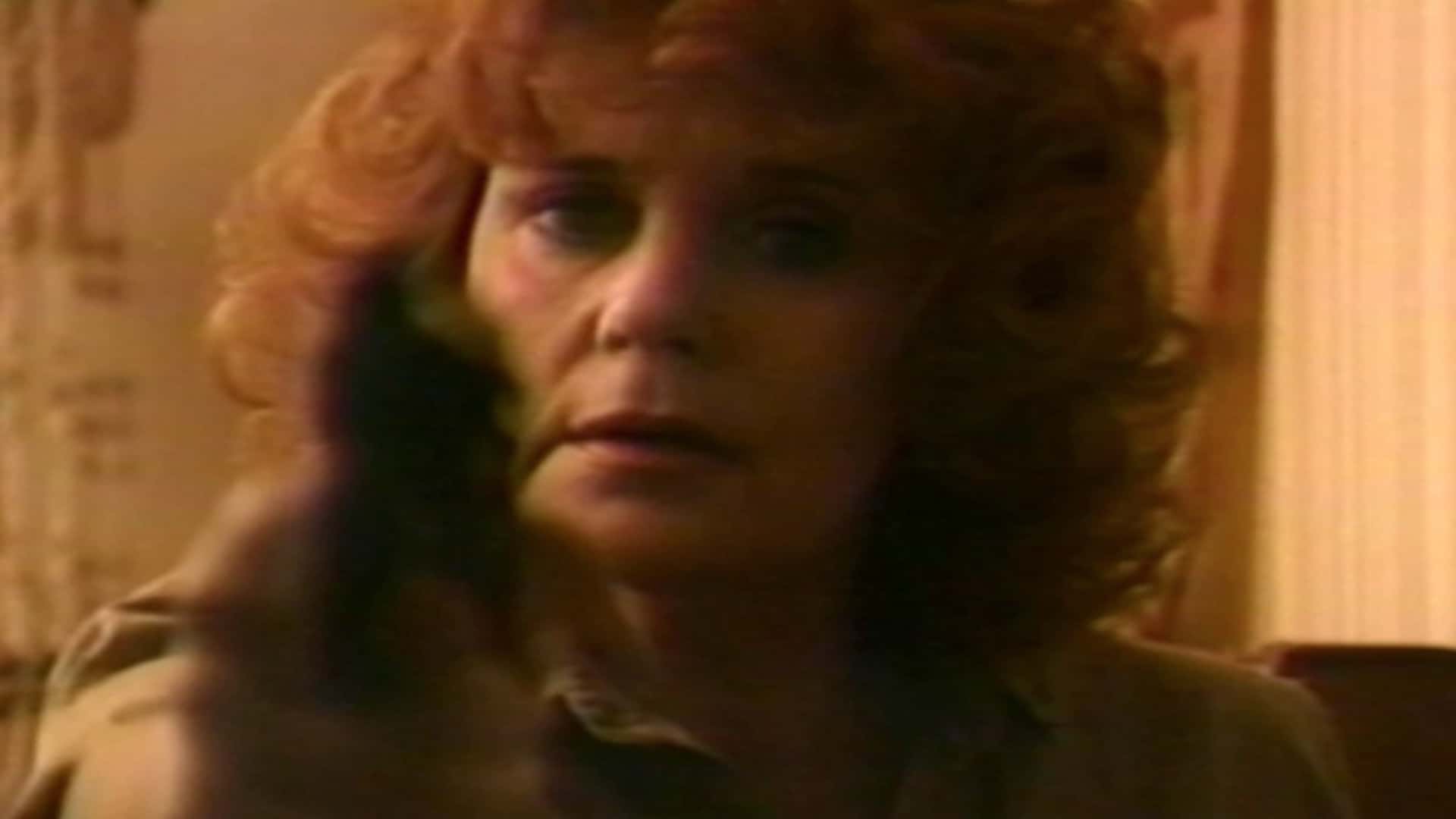
Throughout the 70s and 80s, Renee Harmon was quietly–and not so quietly–working both in front and behind the camera producing DIY exploitation films. She wrote and produced zombie nightmares (Frozen Scream) and action thrillers (Lady Street Fighter, Executioner Part II) at a time when women typically played empty plot devices on the big and small screens.
This lecture will explore Renee Harmon’s immense career and her dogged, unconventional ways of getting her films made. We will dive into her work with director James Bryan (Don’t Go in the Woods) and focus on Jungle Trap, their final collaboration that was left unfinished in 1990.
Lecturer Annie Choi will share how, through a series of wacky events involving a used car, the Bleeding Skull team had the honor of collaborating with Bryan to complete and unleash the film in front of new audiences today.
Please note these are live events – they cannot be downloaded and watched later, so please be sure you are available at the time and timezone the classes are being offered in before registering.
Annie Choi
21 September 2021
Read more
21 September 2021
Terence Fisher. Master of Gothic Cinema (London Online)
Tony Dalton
14 September 2021
Terence Fisher. Master of Gothic Cinema (London Online)
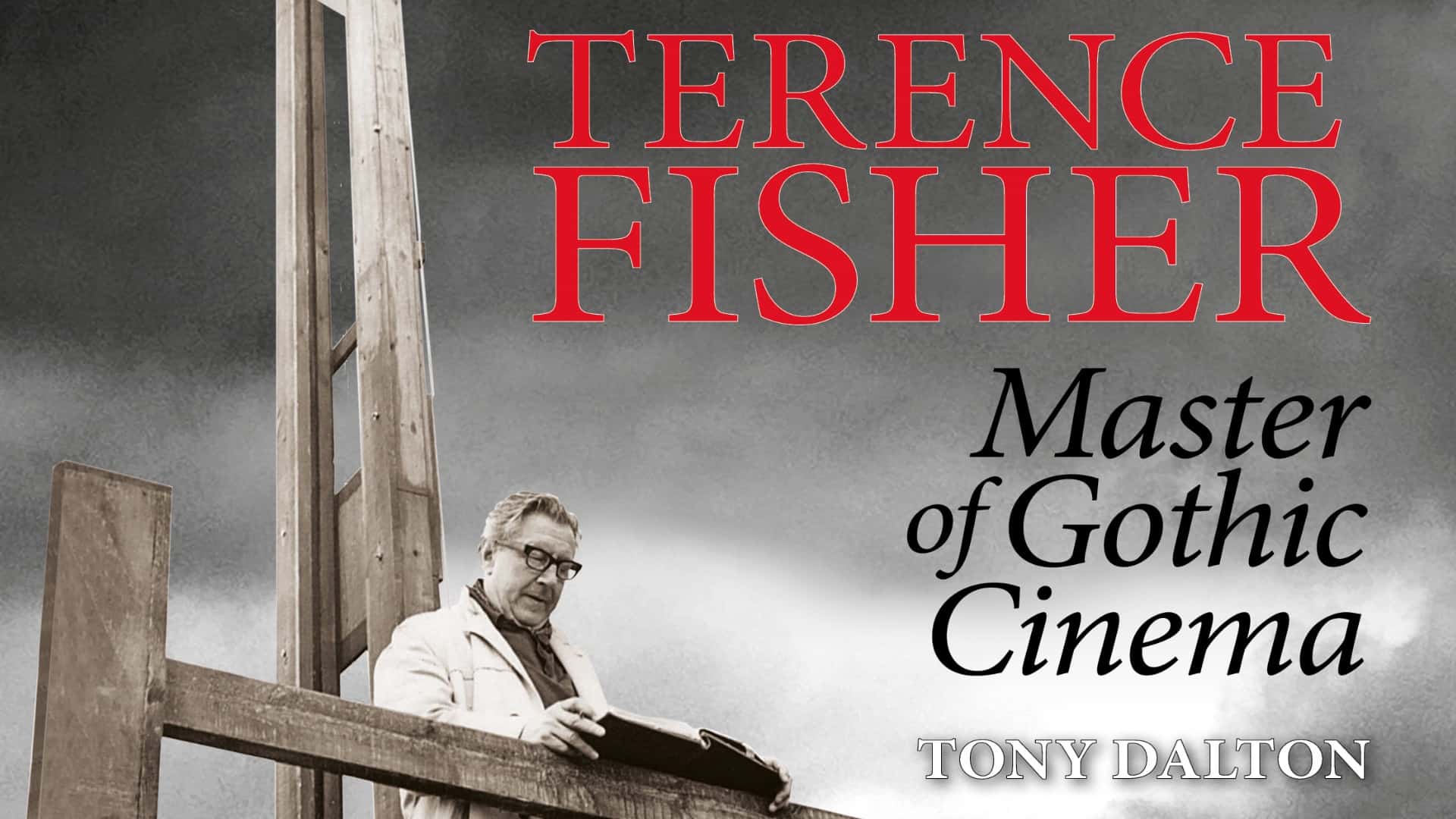
A great amount has been written about Terry, but much of it is either inaccurate, far too academic (‘imagining what was never intended’ as Terry would have said) or just plain silly. Terry would have laughed loudly at academic analysis of his work although, perhaps secretly, he would have been more than a little flattered. The films he made were always carefully planned, but they were primarily made to entertain, and for no other reason than Hammer was in business to make money – and Terry would have find it amusing that people thought otherwise. He would remind people that his films were what you see, nothing more and nothing less. No hidden meaning, no significant undercurrent, just an interpretation of the written word.
My lecture Terence Fisher Master of Gothic Cinema is an analysis of the man and his films. He was a shy person, normally directors are strong-willed individuals who command the sound stage with an iron fist. Terry just got on with his work and only rarely did he insist on something (and if he did the technicians knew he was usually right) and very rarely did he lose his temper. He just wasn’t that kind of man.
During his directing career most of his pictures were largely dismissed as cheap, vulgar and sensational, including the early ones. Now, in the early twenty-first century, his work is considered a major influence not only on the history of Hammer Films, but on the whole genre of horror films, especially the mid to late twentieth century cycle. Terry didn’t really live to see his films acknowledged, except by a handful of dedicated fans and film historians. He would have been pleased by their acceptance today, but would have also have been tickled pink because his work has proved all those pompous critics wrong – and Terry was never one to like critics. What did they know about what the public wanted or indeed, what would stand the test of time?
This class will not only be discussing the horror cycle and their background, but also some of his work as an editor and a number of the preceding directorial films that integral as a training ground for the Hammer Gothic cycle.
He once commented in connection with The Curse of Frankenstein that, ‘Until that moment I had been learning the craft. Now I began to feel the art of it’. In essence, even in the 1950s he was an old-fashioned director but the art of film construction, through editing and all the genres he had worked on prior to 1957, were what made his Hammer horror cycle so timeless and still enjoyable today. Those films set the trend for other directors and producers at the time, including Roger Corman and his Poe cycle, and even today many directors of the genre refer to Terry as the founding father of the style.
Please note these are live events – they cannot be downloaded and watched later, so please be sure you are available at the time and timezone the classes are being offered in before registering.
Tony Dalton
14 September 2021
Read more
14 September 2021