MIS
KA
TON
IC
Institute of
Horror Studies
Archive
Archive
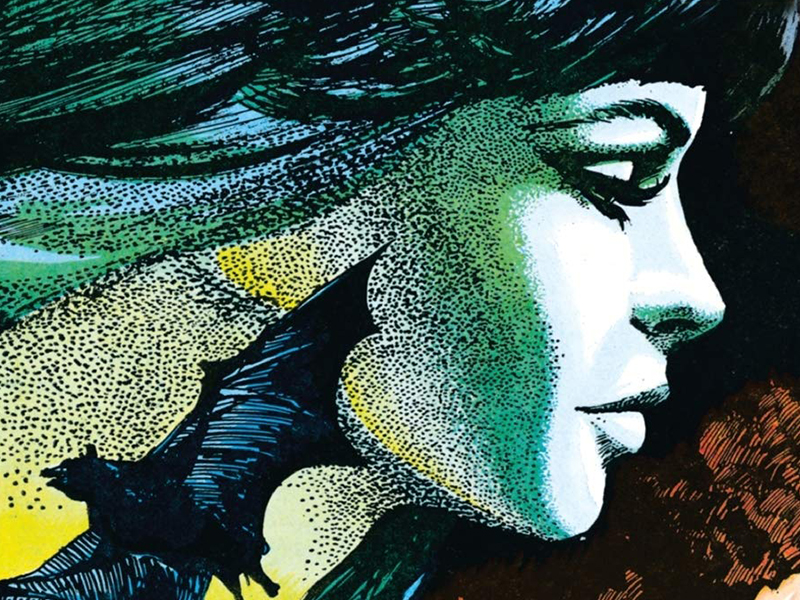
The Strange Story of Misty and Gothic for Girls in British Comics (London online)
Julia Round
12 November 2020
The Strange Story of Misty and Gothic for Girls in British Comics (London online)
British comics dominated children’s entertainment in the UK in the last century but have been all but forgotten today. When they are remembered, it is often assumed that the boys’ titles were all about sports, space and war, while girls got stories about ponies, ballet and boarding schools. But nothing could be further from the truth! – these comics were not for the fainthearted and the girls’ titles in particular told many stories of outsider protagonists, psychological cruelty, isolation, and supernatural mystery.
Misty (IPC, 1978-80) is an important part of this lost history, whose stories included “Pacts with the devil, schoolgirl sacrifice, the ghosts of hanged girls, sinister cults, evil scientists experimenting on the innocent and terrifying parallel worlds where the Nazis won the Second World War.” (Guardian, 18 August 2012). This lecture will introduce students to Misty and its creators, explore the ways in which it draws on Gothic themes and archetypes, and argue that its combination of fairytale abstraction and psychological mystery constructs a particular type of ‘Gothic for Girls’.
I begin by giving some brief background to the rise of the British girls’ comics industry from the 1950s onwards, with a particular focus on spooky stories and horror host characters. I then look more closely at Misty’s inception and creation, and explore its evolution from a proposed horror vehicle into a supernatural mystery title. This cultural history discusses its aesthetic, Misty herself as host character, and the editorial changes that were made to proposed story content.
The second part of this talk digs more deeply into the Misty stories to explore their Gothic qualities, with particular reference to gender. It argues that Misty twists Gothic tropes into metaphors for the experiences of a female teenage audience: for example, through grotesque bodies, uncontrolled growth, and the exclusion of male characters. I also analyse Misty’s use of Female Gothic symbols (e.g. the double, the Other, mirrors, masks), and archetypes (e.g. witch, ghost, vampire).
The final part of this lecture contextualises Misty against 1970s children’s horror (TV, public information films) and the literary tradition of children’s Gothic. It argues that Misty combines Female Gothic tropes with fairy-tale markers to articulate a Gothic for Girls: an underexplored subgenre that constructs and acknowledges girlhood as an uncanny experience, interrogating expectations and reimagining its fears.
Please note these are live events – they cannot be downloaded and watched later, so please be sure you are available at the time and timezone the classes are being offered in before registering.
Julia Round
12 November 2020
Read more
12 November 2020
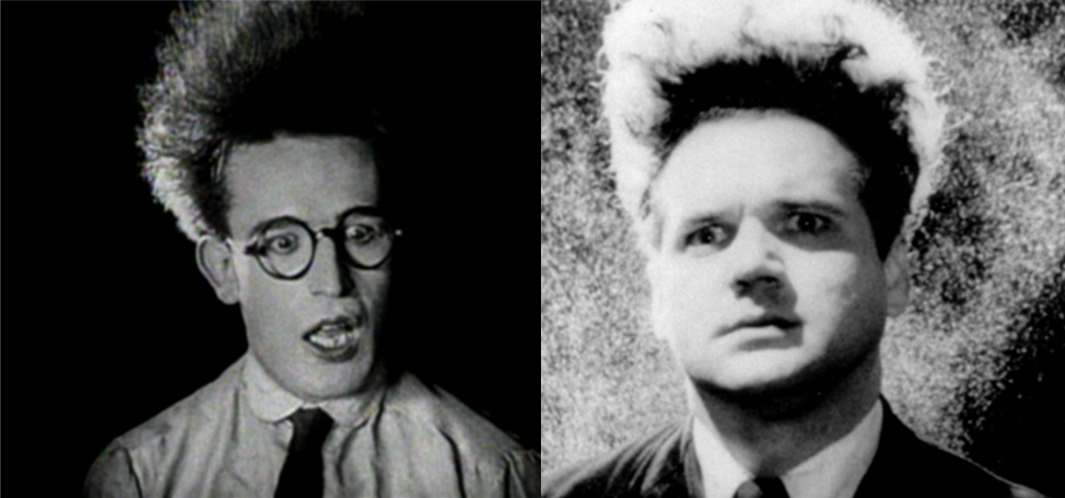
HA! AAAH! THE PAINFUL RELATIONSHIP BETWEEN HUMOR AND HORROR (LA online)
David Misch
5 November 2020
HA! AAAH! THE PAINFUL RELATIONSHIP BETWEEN HUMOR AND HORROR (LA online)
From 1920’s Haunted Spooks to Pride and Prejudice and Zombies, the genre of horror-comedy has never really, you should excuse the expression, died.
Yet humor and horror seem pretty different; one’s a pie in the face, the other’s an axe in the skull. It’s obvious why watching someone being torn asunder would be horrible but why is the endless suffering of the Three Stooges funny? Could there be any congruencies between funny and fear, snickers and screams, gore and gags, slapstick and slaughter?
Yes.
This class proposes – carefully, while remaining alert and well-armed – that the two genres are not mortal enemies.
For one thing, people in pain are a perennial part of every art; to be fascinated with human suffering is to be human. Both comedy and horror can show us how to live (and, of course, die); from Psycho we learn that Death can come to anyone at any time. Also, to always shower with a friend.
The class will examine horror’s relationship with philosophers’ explanations of comedy: Immanuel “Carrot Top” Kant’s Incongruity Theory (it’s funny when two things that don’t go together go together); Sigmund “Shecky” Freud’s Relief Theory (comedy is a rapid expulsion of tension); Thomas “Nutso” Hobbes’s Superiority Theory (“You’re in pain and I’m not – ha!”); Henri “Giggles” Bergson (comedy requires “a momentary anesthesia of the heart”); and Mel Brooks (“Tragedy is when I cut my finger; comedy is when you fall into an open sewer and die”).
We’ll explore the mechanics of both using video clips and examples ranging from Frankenstein and Dracula to Abbott & Costello, and try to figure out what makes us laugh and/or scream.
We’ll see that both genres love loss of control, anarchy, the breakdown of rules and conventions – the beast within us set free. And both exploit our paradoxical feelings about helplessness: seeing someone out of control can be hilarious (a clumsy person falling) or horrifying (a clumsy person falling into a snake-pit suspended over a shark-pit next to a zombie zoo).
Both humor and horror also share a mordant view of our relationship to pain; an obsession with the human body and its multifarious fluids; and a subtext of death and transcendence underlying the eviscerated flesh and fart jokes. What could be more blood-curdlingly fun?
Please note these are live events – they cannot be downloaded and watched later, so please be sure you are available at the time and timezone the classes are being offered in before registering.
David Misch
5 November 2020
Read more
5 November 2020
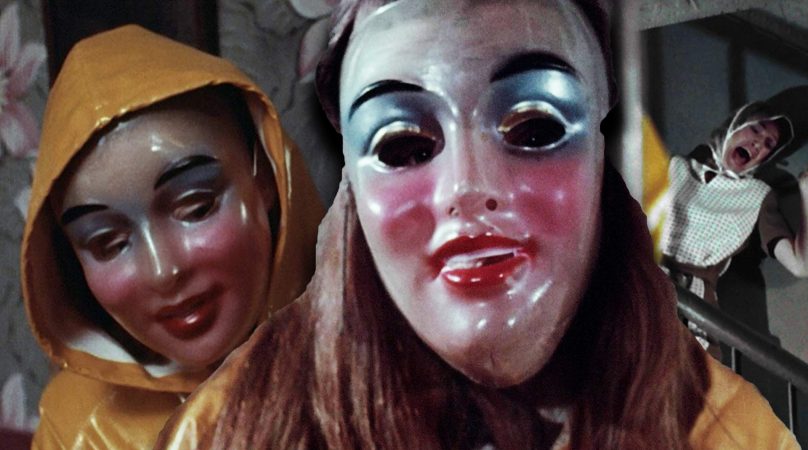
The Mask in Horror Cinema: Ritual, Power and Transformation (LA online)
Alexandra Heller-Nicholas
22 October 2020
The Mask in Horror Cinema: Ritual, Power and Transformation (LA online)
In 2020, almost from out of nowhere, masks have become a politically explosive subject in the context of the COVID-19 pandemic. Yet masks have an extraordinarily long history, containing great potency both culturally and socially, a subject of key interest for anthropologists and those in other fields of research. Horror cinema can reveal a great deal about the contemporary mechanics of masks and mask wearing in terms of how the genre has evolved since its earliest days to the present. As Alexandra Heller-Nicholas argues in her Bram Stoker Award nominated book Masks in Horror Cinema: Eyes Without Faces (University of Wales Press, 2019), three factors have long been at the core of how masks have endured so unrelentingly as extremely powerful cultural objects: the intersection of ritual, power and transformation. This talk maps the concept of the horror mask from ancient times to a range of different cultural and national contexts, including Japanese Noh theater and the Italian commedia dell’arte, turning towards its evolution in gothic literature and Grand Guignol theater in France, before focusing on film in particular. Beginning with early cinema, the lecture will provide a chronological tour of how the mask evolved and became such an enduring, ubiquitous, yet bewilderingly critically overlooked element of horror cinema iconography, leading to its codification in the genre from the early 1970s. Then, a loose taxonomy of different kinds of horror masks will be introduced: skin masks, blank masks, repurposed masks, animal masks, and technological masks. Across these categories, Heller-Nicholas will discuss a range of examples from horror movies from around the world with an emphasis as much on how the mask can deviate in its meaning and usage as it does present a coherent, consistent logic. But, at its heart, the presence of the mask remains mobilized around those three key concepts: ritual, power and transformation. What does this tell us about horror? What does this tell us about the cultures that produce and consume the genre? And what can it tell us about where we are today, where the very presence of the mask instantly speaks to very specific political affiliations and beliefs where masks are now a life or death matter?
Please note these are live events – they cannot be downloaded and watched later, so please be sure you are available at the time and timezone the classes are being offered in before registering.
Alexandra Heller-Nicholas
22 October 2020
Read more
22 October 2020
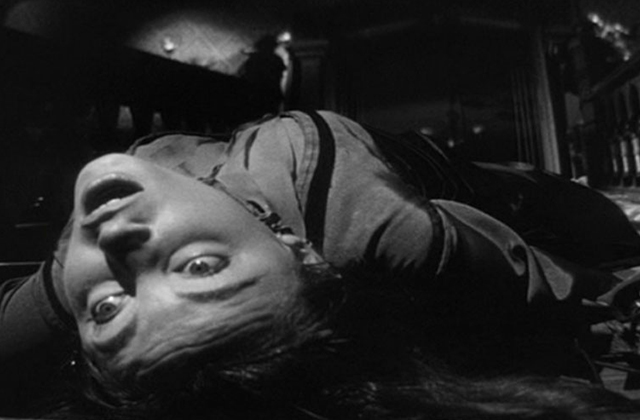
Monster, Vampire, Cannibal: Queer Horror and the Gothic (NYC online)
Laura Westengard
15 October 2020
Monster, Vampire, Cannibal: Queer Horror and the Gothic (NYC online)
This class investigates the intersection of horror, queerness, and the Gothic. Since the first Gothic novel, Horace Walpole’s The Castle of Otranto (1764), the Gothic has included themes of transgressive sexuality. Queerness is embedded in the roots of Gothic fiction, and conversely gothicism has become a means of creating a “queer world” in art, literature, and culture. Though Gothic themes and tropes have morphed over the years to reflect shifting cultural anxieties and desires, gothicism along with its inherent queerness has persisted in various forms up to the present. Horror often contains Gothic elements such as monstrosity, cannibalism, haunting, live burial, torture, subterranean passages, and sexualized power dynamics that signal overt or sub-textual queer content. This class asks students to consider how and why gothicism emerges in queer horror contexts.
The class first examines the 18th and 19th century roots of Gothic aesthetics and shows how gothicism is linked with queer genders and sexualities. We will then explore how queer gothicism manifests in the context of horror by looking at a variety of 20th and 21st century horror texts, including films such as Lambert Hillyer’s Dracula’s Daughter (1936) and Julia Ducournau’s Raw (2016), the blood-based art practices of Ron Athey and Jordan Eagles, and the recently released dystopian horror comic series SFSX (Safe Sex). By the end, Miskatonic students will be able to identify several Gothic tropes rooted in 18th and 19th century fiction, understand the inherent queerness in gothicism, locate queer gothicism in horror texts, and speculate about the social and cultural circumstances that foster the confluence of queer horror and the Gothic.
Please note these are live events – they cannot be downloaded and watched later, so please be sure you are available at the time and timezone the classes are being offered in before registering.
Laura Westengard
15 October 2020
Read more
15 October 2020
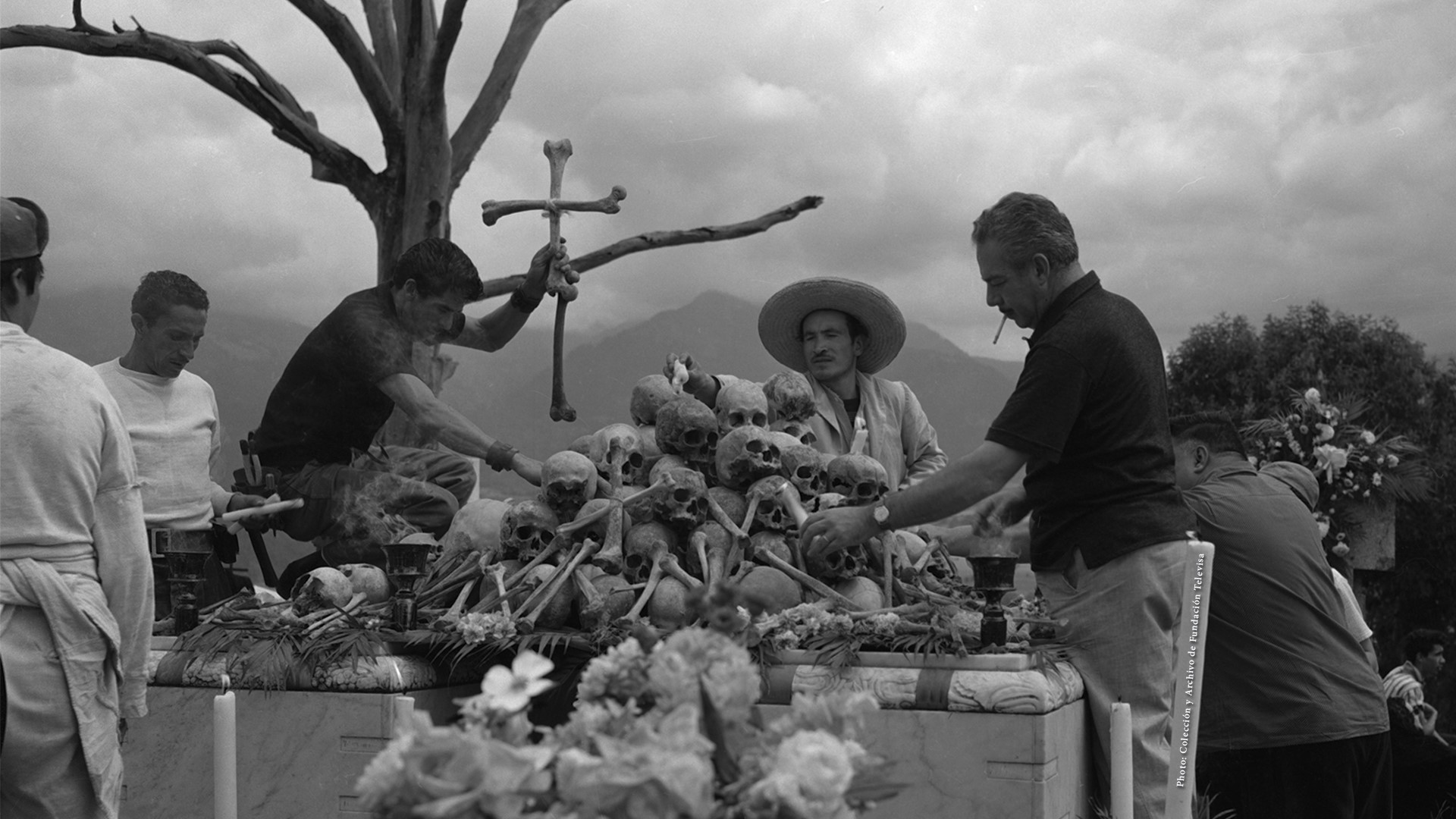
THE MORBIDO CRYPT’S GUIDE TO MEXICAN FANTASY AND HORROR CINEMA (Nightstream Festival)
Abraham Castillo-Flores
10 October 2020
THE MORBIDO CRYPT’S GUIDE TO MEXICAN FANTASY AND HORROR CINEMA (Nightstream Festival)
In an effort to unite forces in the midst of COVID 19’s many challenges this year, and to provide U.S. genre film fans with a unique and dynamic virtual festival event this Halloween season, organizers from the Boston Underground Film Festival, Brooklyn Horror Film Festival, North Bend Film Festival, The Overlook Film Festival, and Popcorn Frights Film Festival have teamed up for a collaborative virtual festival experience called NIGHTSTREAM running from October 8-11, 2020.
Nightstream and Miskatonic are proud to co-present this repeat of one of our most popular classes – for the first time online! Please note this is a special event NOT included in NYC Semester passes, and takes place in US Central Time.
For decades, Mexican fantasy and horror cinema hid in the shadows; wearing a luchador mask, surviving budgets tainted by economic gloom, holding vampires with a nylon thread, receiving the scorn of near-sighted critics and consumption by audiences sunk into tongue-in-cheek appreciation.
But things have changed. Over the past two decades there has been a clear rise in the amount, quality and risk found in Mexican horror and fantasy cinema. It is not by chance that today, in the midst of a horrifying reality, Mexican genre films enjoy popularity, freedom and sometimes, profitability. As if that were not enough, our beloved national genre warrior – Guillermo del Toro – has recently been knighted by Hollywood.
Join us for a scenic tour of Mexican genre cinema guided by Morbido Fest’s head programmer, Abraham Castillo Flores. Delving beyond luchadores and psychotronica, Abraham unearths the monsters that fomented a distinctive but barely acknowledged corner of our cinematic consciousness.
We will revisit the origins of Mexican fantasy and horror cinema and examine its development through the 20th Century and the start of the 21st. Along the way we will meet the filmmakers and performers responsible for these celluloid nightmares. Some of these films can be questioned but rest assured, anything they lack is compensated by their sheer honesty and passion.
In parallel we will dissect national legends and traumas that have been continuously reinterpreted by our national filmmakers that stand as a reaction to the tragic reality that Mexico is now experiencing.
Who would have thought that stories filled with wailing legends from our pre-Hispanic past, starved female vampires, Aztec mummies, monk ghosts, child practitioners of the dark arts and tropicalized sci-fi Queens, would become part of our cultural heritage?
Photo courtesy of the Collection of Fundación Televisa
Special Thanks to Evrim Ersoy, who facilitated our first presentation of this class at Fantastic Fest 2019.
MORBIDO CRYPT’S GUIDE TO MEXICAN FANTASY & HORROR CINEMA @ NIGHTSTREAM October 10th 2020 from Aullidos Panteoneros on Vimeo.
Abraham Castillo-Flores
10 October 2020
Read more
10 October 2020
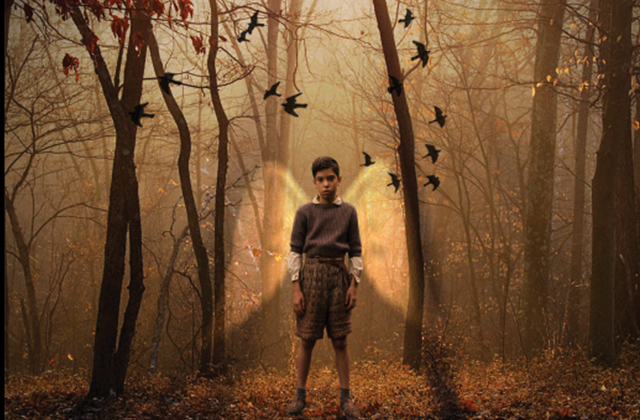
Spanish Horror Cinema: Industry, Political Trauma and the Gothic Imaginary (London online)
Xavier Aldana Reyes
8 October 2020
Spanish Horror Cinema: Industry, Political Trauma and the Gothic Imaginary (London online)
Spain did not become well-known for its contribution to horror cinema until the late 1960s, when the long-running success of the genre in other countries like Britain and Italy made its relatively low-risk production attractive to independent directors. The cycle that emerged from the overdrive period of filmmaking that began in 1968 and had petered out by the introduction of the Miró decree in 1982 has often been termed ‘fantaterror’ (a portmanteau combining ‘fantástico’ and ‘terror’ – both words which have culturally specific meanings in the country). After laying the ground for this financially driven cinematic surge, the presentation will consider the terminological implications of the modern use of ‘fantaterror’ to refer to all forms of supernatural cinema, especially its shortcomings: its lack of affective and narrative specificity. Highlighting the need to separate Gothic horror from other horror subgenres (like the giallo), especially in the contemporary context, I make a case for the usefulness of the increasingly global term ‘Gothic’ to refer to a certain aesthetic and thematic category that foregrounds ideas of tyrannical oppression, ideological repression and, especially, the return of a haunting past.
The presentation will then move on to consider how the last element – the importance of unresolved trauma – has become a key marker of the evolution of Gothic horror cinema in Spain since the transition to democracy that followed the death of dictator Francisco Franco in 1975. In the twenty-first century, I argue, the Gothic has become a key artistic mediator of the largely silenced legacy of the Civil War which began to be actively defied by the socialist party during their time in power from 2004–2010. The pervasive motif of the Gothic haunting in particular resonates vividly with the very literal digging up of the war’s missing dead from mass graves and with a resurgence of regional identity that has led to widely reported incidents like the violent intervention by state police in the 2017 Catalan independence referendum. Covering a few examples – del Toro’s Spanish co-productions, but crucially, also lesser known films like Pa negre (Black Bread, 2010), Insensibles (Painless, 2012) and Errementari (2017) – I will propose the need to start shifting our understanding of Spanish horror and to contemplate the import of the challenges posed by films made by autonomous communities like Catalonia and the Basque Country, whose sense of identity was threatened by national centralism.
Please note these are live events – they cannot be downloaded and watched later, so please be sure you are available at the time and timezone the classes are being offered in before registering.
Xavier Aldana Reyes
8 October 2020
Read more
8 October 2020
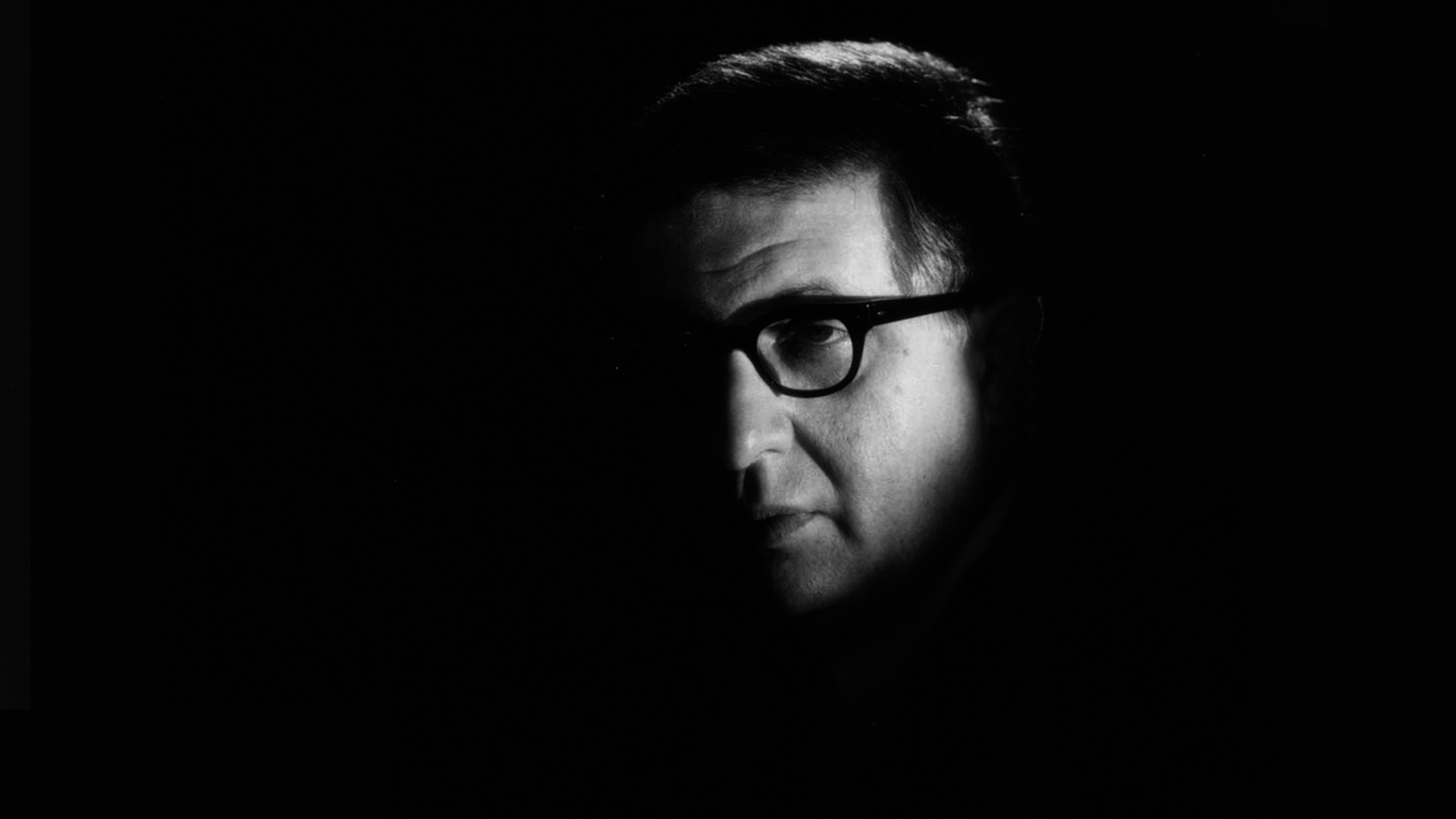
Symphony Macabre: Bernard Herrmann and the Scoring of Horror (LA online)
Steven C. Smith
24 September 2020
Symphony Macabre: Bernard Herrmann and the Scoring of Horror (LA online)
A newborn baby who prefers human flesh to breast milk. A friendly motel owner with mom issues and a habit of butchering women. A demented concert pianist who composes his greatest score during a killing spree in London.
These characters have more in common than their anti-social behavior. Each became more relatable—and at the same time, more terrifying—thanks to the musical accompaniment of Oscar-winning composer Bernard Herrmann.
In his 35-year film career, Herrmann scored “respectable” screen classics like Citizen Kane, Jane Eyre, and The Ghost and Mrs. Muir. But this emotionally volatile iconoclast was no snob. He loved exploring the dark side of human nature, in classic horror and suspense titles for multiple media.
It’s Alive, Psycho, and Hangover Square are three of the films to be analyzed in this lecture by author and Emmy-nominated documentarian Steven C. Smith (A Heart at Fire’s Center: The Life and Music of Bernard Herrmann). Through clips and music cues, plus interviews with the composer himself, we’ll discover how Herrmann earned his reputation as the twentieth century’s top composer of horror and suspense scores. Steven will explore in clear, non-technical language the techniques Herrmann used to put us inside the minds of characters that society would consider “monsters,” and how he made us feel their humanity as well as their madness.
Steven will also discuss Herrmann’s friendship with Ray Bradbury, spotlighting their collaboration on the classic Hitchcock-produced television program The Jar. And he’ll explain why Herrmann used an ancient Gregorian chant of death in that score–a melody later used as the musical centerpiece of Stanley Kubrick’s film of The Shining.
We’ll also find out why Herrmann, unlike most of his Hollywood contemporaries, relished working in the horror genre, and why in the 1970s he preferred teaming with low-budget filmmakers like Larry Cohen and Brian De Palma rather than A-list studio directors like William Friedkin (Herrmann turned down The Exorcist, for reasons to be explained).
Finally, we’ll also see how Herrmann’s music lives on, both in its influence on today’s composers, and in its literal re-use in movies like Kill Bill and Once Upon a Time in Hollywood. The result will be a lively study of one of film music’s most innovative figures, whose scores remains the template for the sound of cinematic horror.
Please note these are live events – they cannot be downloaded and watched later, so please be sure you are available at the time and timezone the classes are being offered in before registering.
Steven C. Smith
24 September 2020
Read more
24 September 2020

THE PSYCHOLOGY OF HORROR: ANDY NYMAN IN CONVERSATION (London online)
Andy Nyman
17 September 2020
THE PSYCHOLOGY OF HORROR: ANDY NYMAN IN CONVERSATION (London online)
Miskatonic is delighted to welcome horror renaissance man Andy Nyman for an evening of conversation and misdirection.
Nyman is an Olivier award-winning English actor, writer and director, and is perhaps best known for co-creating the long-running international stage hit Ghost Stories, which he both starred in and co-wrote/directed (with Jeremy Dyson). The play originally ran for over a thousand performances in England, as well as being successfully adapted for the cinema in 2017 (the film version also starred and was co-written/directed by Nyman.) Both play and film of Ghost Stories showcase not only his deep knowledge and love of the horror genre, but also his abiding fascination with the art of illusion. It is this fascination that spawned a long-running partnership with the famed illusionist Derren Brown: to date, he and Nyman have collaborated on several television productions together, as well as four West End theatrical hits. As an actor, many of Nyman’s film and television credits reflect his continuing interest in genre cinema and television, and include: The Woman in Black (1989), Severance (2006), Dead Set (2008), Black Death (2010), Kick Ass 2 (2013) and The Last Jedi (2017). On the London stage, he has also appeared in Stephen Sondheim’s Assassins and Martin McDonagh’s Hangmen.
Rosie Fletcher will talk to Andy Nyman in an attempt to explore the role that psychology plays in horror cinema and theatre, not least in his own work. What kind of psychological underpinning makes one scare work when another does not? Why do audiences everywhere respond so enthusiastically to being tricked and scared? How have themes of mental health played into some of his most famous creations, notably Ghost Stories? Why are some people revolted by horror when others are irresistibly drawn to it? How does Nyman’s deep understanding of human psychology feed into his work with Derren Brown? And how does he utilise this sort of insight in his many acting roles? The session will offer a detailed look at the many aspects of Andy’s multi-faceted career, as well as giving him an opportunity to discuss his personal love of horror and examining precisely what makes him tick: as a performer, creator and a devoted fan.
Please note these are live events – they cannot be downloaded and watched later, so please be sure you are available at the time and timezone the classes are being offered in before registering.
Andy Nyman
17 September 2020
Read more
17 September 2020
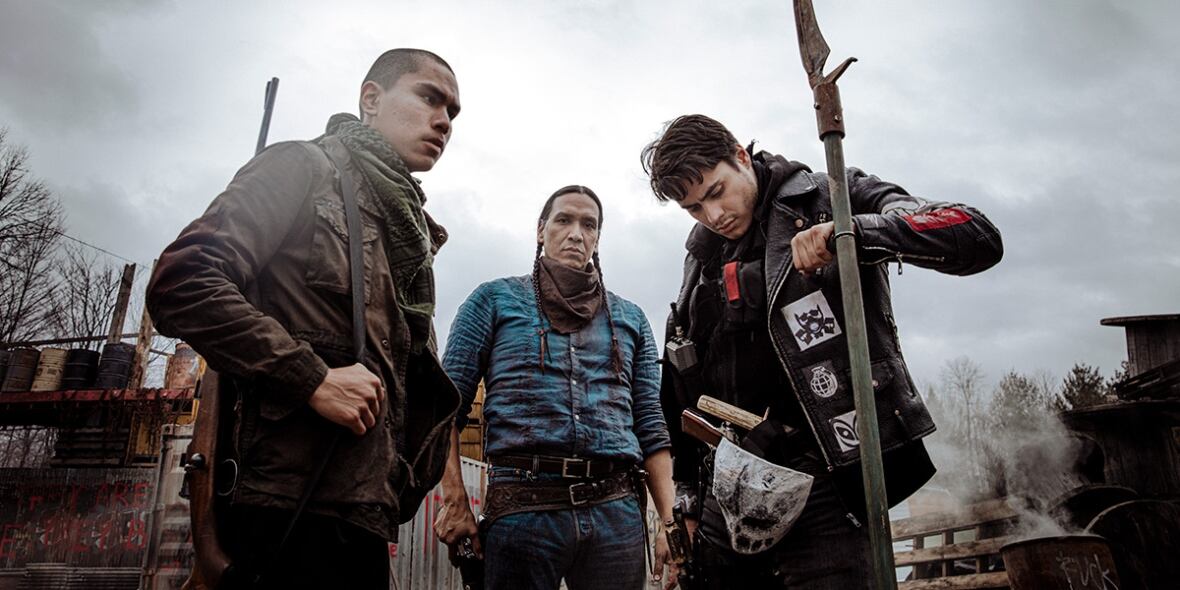
HAUNTING THE NATIONAL CONSCIOUSNESS: THE RISE OF INDIGENOUS HORROR (NYC online)
Kali Simmons
17 September 2020
HAUNTING THE NATIONAL CONSCIOUSNESS: THE RISE OF INDIGENOUS HORROR (NYC online)
Indigenous peoples have long participated in the history of cinema, dating back to the Indigenous written and produced silent films of James Young Deer and Lillian M. St. Cyr (aka “Princess Red Wing”). Despite the labors of many Indigenous writers, actors, crew, directors, and audiences, much of this early cinema represented Indigenous peoples in limited and stereotypical ways. Additionally, popular representations of Indigenous peoples were generally relegated to the Western genre, with limited crossover into other genres or modes of storytelling.
However, history shows that Indigenous peoples played a key role in structuring the imaginary of other film genres, especially horror. In the 1960s, during the rise of the “Red Power” movement in the United States and Canada, Indigenous peoples again captured international attention by reigniting debates about environmental racism, land theft, and the destruction of cultural patrimony. Since this period, independent Indigenous filmmakers seized the opportunity to produce material that told stories from Indigenous perspectives, and Indigenous peoples soon began appearing in a variety of narrative contexts. Despite a surge in depictions of Indigenous peoples, Hollywood has continuously co-opted indigeneity, producing additional stereotypes, especially within the horror genre. This includes such representations as the “Medicine Man” who warned against both environmental catastrophe in films such as Nightwing and Prophecy (both 1979) as well as the lingering trope of “The Indian Burial Ground,” which we encounter in everything from blockbusters like The Amityville Horror (1979) and The Shining (1980), and in low-budget efforts such as Scalps (1983) and Grim Prairie Tales (1990). In addition, countless media productions by non-Indigenous producers have appropriated Indigenous cultural productions for monster lore, from films The Manitou (1978), Creepshow 2 (1987) and The Last Winter (2006), to the recent video game Until Dawn (2015).
In recent years, Indigenous filmmakers in the United States and Canada have increasingly embraced horror as a means to narrate their historic and ongoing experiences under settler-colonialism. From the brutal works of filmmaker Jeff Barnaby (Rhymes for Young Ghouls (2014), Blood Quantum (2019)) to Helen Haig-Brown and Gwaai Edenshaw’s Edge of the Knife (2018), the latter of which is the first film told entirely in the Haida language, these filmmakers have not only utilized the horror genre to depict Indigenous boarding school experience, violence against Indigenous women, and the other ongoing horrors of colonization, they have actively refuted and critiqued Hollywood’s stereotypes.
For this class we welcome instructor Kali Simmons who will guide us through the cultural shifts that have affected and informed the depiction of Indigenous cultures onscreen over the last 50 years of horror history.
Please note these are live events – they cannot be downloaded and watched later, so please be sure you are available at the time and timezone the classes are being offered in before registering.
Image from Jeff Barnaby’s BLOOD QUANTUM (2019)
Kali Simmons
17 September 2020
Read more
17 September 2020
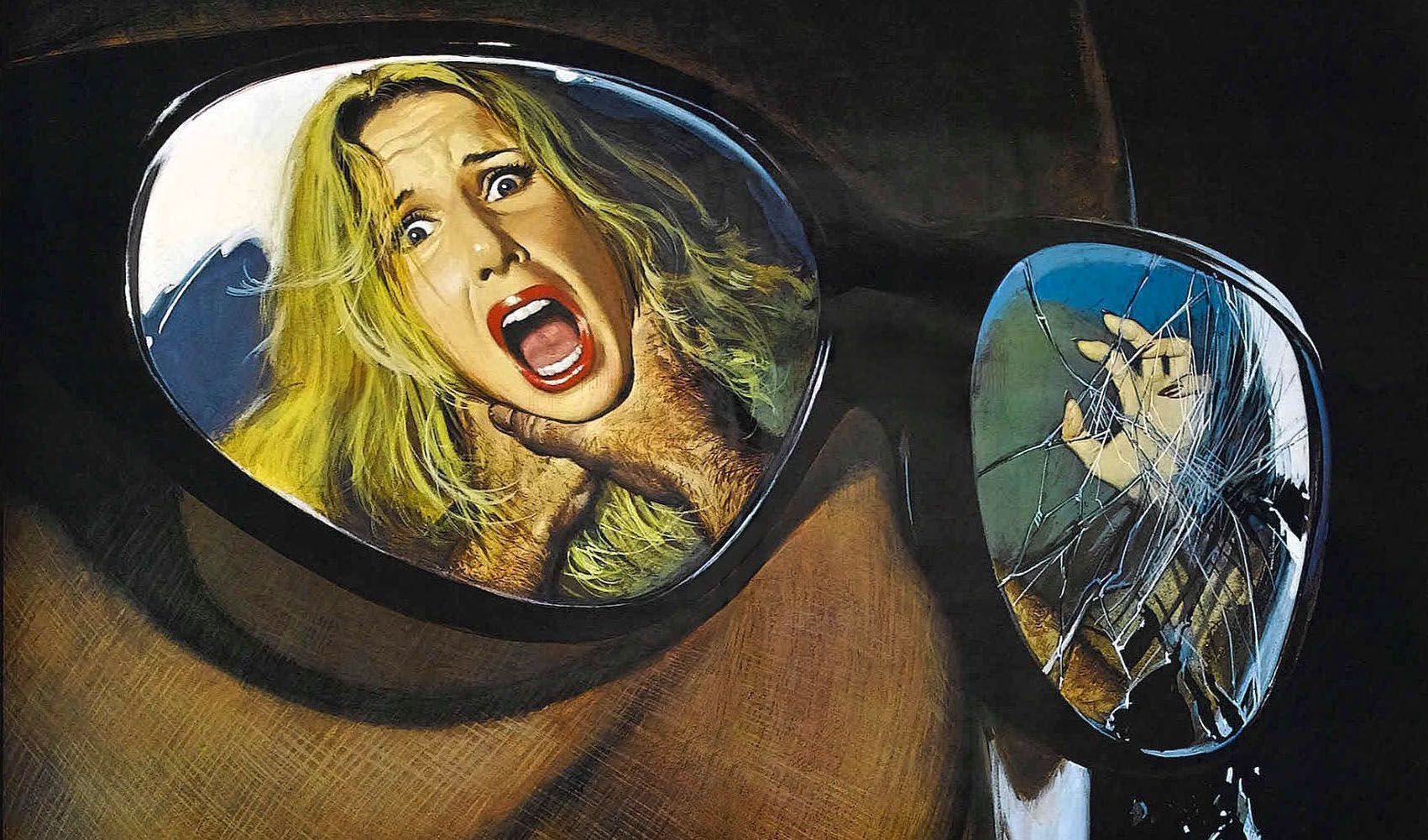
POSTPONED: BLOOD IN THE STREETS: FILM CYCLES, SERIAL KILLERS AND THE GIALLO (London)
Austin Fisher
14 May 2020
POSTPONED: BLOOD IN THE STREETS: FILM CYCLES, SERIAL KILLERS AND THE GIALLO (London)
Please note this event has been postponed due to concerns related to COVID-19. A new date for the class is to be determined.
The vast collection of rapidly-produced murder mystery films that emerged in 1970s Italy has become known in exploitation cinema histories as the giallo. This all-encompassing categorisation has however subsumed several smaller, loosely-connected film cycles, each of which was embedded in its immediate cultural, economic and political contexts in different ways. This talk will investigate how a collection of these cycles capitalised on preoccupations with the recent past in 1970s Italy, and an attendant sense of disquiet towards modernity and the pace of socio-cultural change. This will in turn reveal various strategies that were being deployed to exploit the local film market, in a perpetual attempt to capitalise on topicality and the perceived tastes of the popular audience.
The key cycles to be considered include a small collection of films that make explicit reference to memories of the Second World War weighing heavily upon the present (In the Folds of the Flesh, Naked Girl Killed in the Park, Watch Me When I Kill, Hotel Fear), commentaries on the increasingly globalised lifestyles of affluent post-war modernity (a much larger category, including such films as Blood and Black Lace, A Quiet Place to Kill, Blade of the Ripper and What Have You Done to Solange?) and ‘rural’ gialli that gaze inwardly at Italy’s atavistic underbelly, to deploy a well-established set of discourses surrounding the nation’s past and the onset of modernity (Bay of Blood, Don’t Torture a Duckling, Torso, The House of the Laughing Windows, Bloodstained Shadow).
Ultimately, the talk will consider these films as prime examples of the serial repetition that characterised Italy’s popular film industry in the 1960s and 1970s. Numerous opportunistic (and usually short-lived) bursts of activity – known locally as filoni – emerged around the profitable film genres du jour. By looking at several of these cycles side-by-side (and placing them in the broader context of numerous filoni focusing on violent crime that emerged at the same time), this talk will examine how this sector of the film industry engaged both with contemporary events and the whims of the market: firstly, by creating speculations in an attempt to predict where the next cycle might lie, informed by previous patterns; and secondly, to exploit the short-lived favourable market conditions of already profitable cycles. My interest is therefore not with uncovering ‘hidden’ preoccupations in the films. Rather, it is with investigating how the industrial conditions of filone filmmaking demanded production decisions that relied on the assumption that such preoccupations were present in a target audience.
Austin Fisher
14 May 2020
Read more
14 May 2020