MIS
KA
TON
IC
Institute of
Horror Studies
Archive
Archive
LIVE FROM MISKATONIC: KAREN ARTHUR IN CONVERSATION (NYC)
Karen Arthur
19 October 2019
LIVE FROM MISKATONIC: KAREN ARTHUR IN CONVERSATION (NYC)
Tickets on sale when Brooklyn Horror announces!
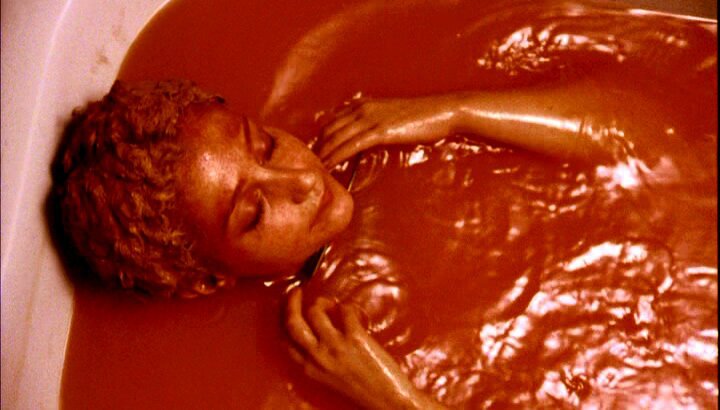
In collaboration with the Brooklyn Horror Film Festival (which runs Oct 17-24), Miskatonic is proud to present a conversation with the pioneering director and producer Karen Arthur who paved the way for women in genre filmmaking with her transgressive and socially challenging body of work.
Arthur began her professional artistic career at the age of 15 dancing as a soloist with the Palm Beach Ballet company which took her to London, New York, and Los Angeles where she performed as an actor on Broadway and in a slew of films in Hollywood. Her time in Hollywood in the 1970s marked a turning point in her trajectory as an artist when she enlisted in a UCLA filmmaking course where she was encouraged by then-teaching assistant Penelope Spheeris (The Decline of Western Civilization, Suburbia, Wayne’s World).
Arthur’s 1975 directorial feature film debut Legacy, adapted from Joan Hotchkis’ one-woman play deconstructing the unraveling neurotic psyche of an affluent middle aged woman trapped in a loveless marriage, was a landmark entry in the feminist filmmaking canon in its unflinching depiction of the interior life of its protagonist viewed though a female lens. Legacy set the stage for Arthur’s next film, the darkly bizarre tale of sisterly psychosis The Mafu Cage (1977), starring Carol Kane and Lee Grant as the siblings Sissy and Ellen who inhabit a fantastically bizarre world of their own making complete with caged primates brutalized by the mentally unstable Sissy. The Mafu Cage is an exercise in exploding taboos, with themes of incest, bestiality, murder and colonialism tackled with such extreme eccentricity that, although celebrated on the art house film festival circuit, the film was doomed to be buried in obscurity and marketed as lowbrow exploitation prior to becoming the cult psychological horror classic that it is recognized as today.
Arthur’s next film project titled Lady Beware about a young woman plagued by a dangerously fixated stalker (which would eventually be made into a feature in 1987 with Diane Lane) was stuck in development purgatory, leading her to turn to television directing for work. In the heavily male-dominated world of TV in the late 1970s Arthur would become the first woman to work in episodic television, directing the show Rich Man, Poor Man for Universal Studios, making her the first woman to direct for the iconic studio since Ida Lupino’s Playhouse Series in the early 1950s. In 1983 she would direct the successful three-part Australian miniseries Return To Eden about an heiress who is the victim of foul play involving a crocodile attack, and in 1985 she would become the first woman in history to win a directing Emmy award for her work in the hit drama television series Cagney & Lacey.
Arthur’s prolific output in directing made-for-television movies began with Victims for Victims: The Theresa Saldana Story (1984) starring actress Theresa Saldana (of Raging Bull fame) as herself in the harrowing true story of the brutal near fatal stabbing attack she suffered at the hands of an obsessed fan. Arthur’s other notable made-for-television movies include the controversial story of the rape of a male police detective The Rape of Richard Beck (1985), Evil in Clear Water (1988) starring Randy Quaid, Fall From Grace (1990) – the biographical story of televangelists Jim and Tammy Bakker, played by Kevin Spacey and Bernadette Peters – and Against Their Will (1994), a drama of corruption in a women’s prison starring Judith Light.
Arthur’s early film work challenged the codes that dominated the lexicon of American cinema and defined the “woman’s picture”; a sexist classification assigned to movies concerning the lives of women, which were often relegated to the domestic, sappily romantic, or melodramatic. Arthur’s genre-defying work was both psychologically complex and artfully subversive, pushing the boundaries of cinema with a human rawness rarely seen at the time from a female auteur, redefining perceptions of what types of movies women were interested in making and consuming. When Legacy was released in 1975, Molly Haskell in her Village Voice review called it “a high-water mark in the exploration of women’s sexuality,” and Ed Pechulick of Film International wrote that the film “rivals the esteemed works of Bergman and Cassavetes.” Such accolades eventually helped persuade reticent male producers to give Arthur a shot in the world of professional television directing, where she continued to explore themes of female sexuality, violence and destructive male aggression towards women within the narrative trappings of the TV movie genre.
In this talk we will discuss the formative experiences that shaped Arthur’s journey in becoming a filmmaker, her artistic process in the creation of Legacy and The Mafu Cage, the inner workings and personal reflections on breaking the glass ceiling in the male dominated industry of television, and her films in the 1980s that deal with the complexities of sexual assault and toxic masculinity within a culture of often dangerous male supremacy.
Moderated by filmmaker and writer Remy Bennett
Karen Arthur
19 October 2019
Read more
19 October 2019

WANTED! MORE VIEWERS LIKE… DEPICTIONS OF HORROR FANDOM IN FILM AND TELEVISION (Los Angeles)
Amy Voorhees Searles
10 October 2019
WANTED! MORE VIEWERS LIKE… DEPICTIONS OF HORROR FANDOM IN FILM AND TELEVISION (Los Angeles)
In the comparatively nascent academic field of fan studies, very little scholarship has been devoted to horror fandom. Yet, for a branch of study invested in an audience’s passionate participation, horror fans have much to offer. Weaned on a steady diet of horror hosted syndicated shockers, EC Comics contraband, and dog-eared copies of Famous Monsters of Filmland, the dedicated “Monster Kids” of the 1950s and 1960s became the vaunted creators for the next generation. Similarly, enterprising “Gorehounds” of the 1980s, inspired by their use-worn pages of Fangoria and liquid latex-flecked copies of Dick Smith’s Do-It-Yourself Monster Make-Up Handbook went on to become the notable effects wizards for the ensuing generation. And the slithering ouroboros that is horror fandom continues to both feed and eat itself into the present day.
As an insular community oftentimes found at the fringe of popular culture, it comes as no surprise that the vast majority of media representation of horror fans is generated by horror fans. However, this is not exclusively the case, which accounts for the spectrum of stereotypes from resilient artist (Tommy Jarvis in Friday The 13th: The Final Chapter), to misunderstood outcast (“Evil” Ed in Fright Night), to amoral puppet (Michael Brower in Brainscan), to desensitized sociopath (Eric Binford in Fade to Black). Happily, there are also numerous examples to explore that defy such preconceptions.
Using fan studies as a springboard, this interdisciplinary lecture will chart the historical events, technological advancements, and cultural anxieties toward media effects that have influenced both the horror fan and the portrayal of the horror fan in film and television over the years.
Please note actor Dean Cameron (Summer School) was originally scheduled to participate but no longer can attend due to work commitments.
Amy Voorhees Searles
10 October 2019
Read more
10 October 2019
THE MORBIDO CRYPT’S GUIDE TO MEXICAN FANTASY AND HORROR CINEMA (Austin)
Abraham Castillo-Flores
22 September 2019
THE MORBIDO CRYPT’S GUIDE TO MEXICAN FANTASY AND HORROR CINEMA (Austin)
Come join us for our second collaboration with Austin’s Fantastic Fest!
For decades, Mexican fantasy and horror cinema hid in the shadows; wearing a luchador mask, surviving budgets tainted by economic gloom, holding vampires with a nylon thread, receiving the scorn of near-sighted critics and consumption by audiences sunk into tongue-in-cheek appreciation.
But things have changed. Over the past two decades there has been a clear rise in the amount, quality and risk found in Mexican horror and fantasy cinema. It is not by chance that today, in the midst of a horrifying reality, Mexican genre films enjoy popularity, freedom and sometimes, profitability. As if that were not enough, our beloved national genre warrior – Guillermo del Toro – has recently been knighted by Hollywood.
Join us for a scenic tour of Mexican genre cinema guided by Morbido Fest’s head programmer, Abraham Castillo Flores. Delving beyond luchadores and psychotronica, Abraham unearths the monsters that fomented a distinctive but barely acknowledged corner of our cinematic consciousness.
We will revisit the origins of Mexican fantasy and horror cinema and examine its development through the 20th Century and the start of the 21st. Along the way we will meet the filmmakers and performers responsible for these celluloid nightmares. Some of these films can be questioned but rest assured, anything they lack is compensated by their sheer honesty and passion.
In parallel we will dissect national legends and traumas that have been continuously reinterpreted by our national filmmakers that stand as a reaction to the tragic reality that Mexico is now experiencing.
Who would have thought that stories filled with wailing legends from our pre-Hispanic past, starved female vampires, Aztec mummies, monk ghosts, child practitioners of the dark arts and tropicalized sci-fi Queens, would become part of our cultural heritage?
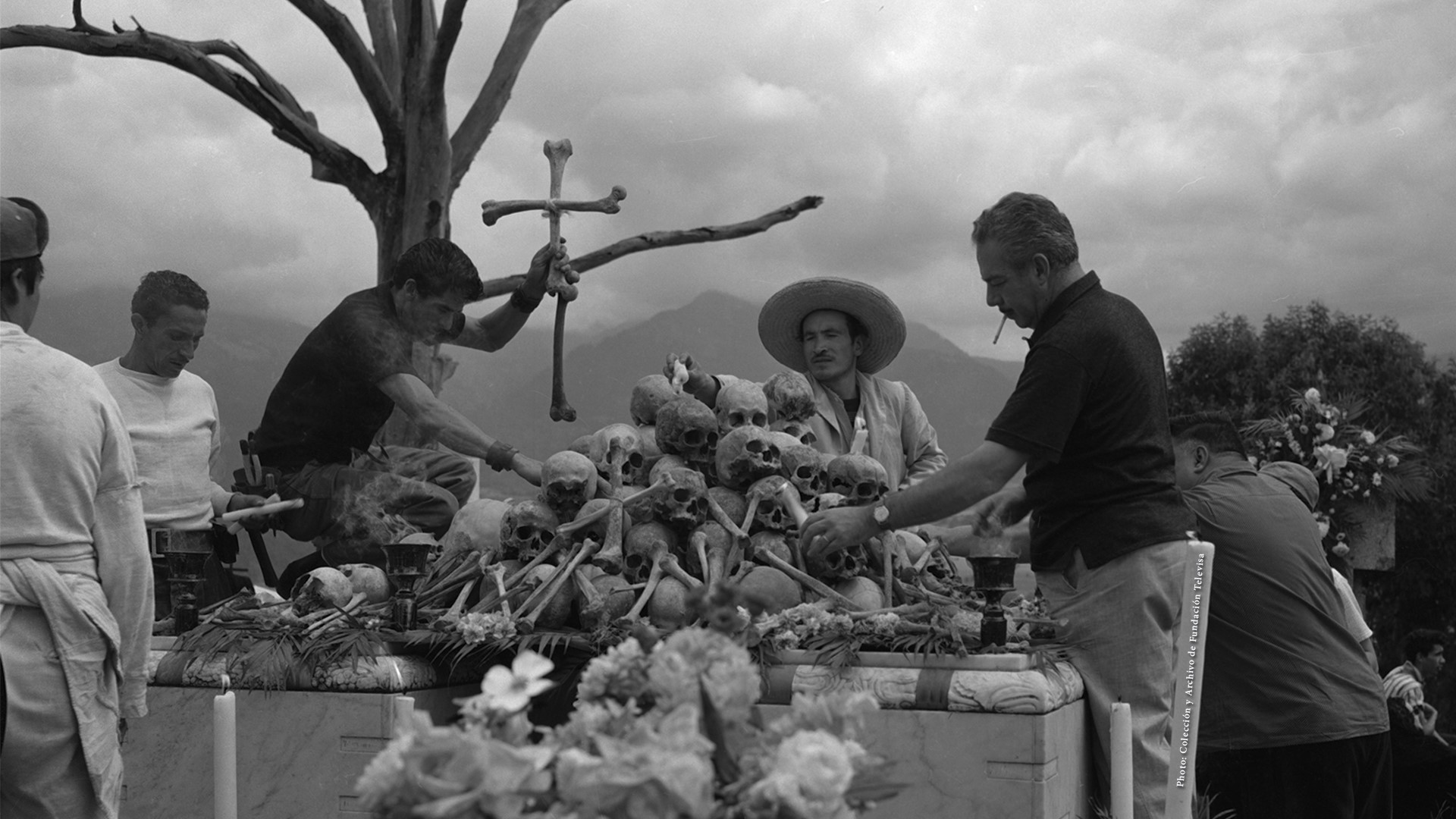
Photo courtesy of the Collection of Fundación Televisa
Abraham Castillo-Flores
22 September 2019
Read more
22 September 2019
GOD OF THE OUTSIDERS: SATAN IN LITERATURE, CULTURE, AND ENTERTAINMENT—OLD MYTH AND NEW INSIGHT (NYC)
Mitch Horowitz
19 September 2019
GOD OF THE OUTSIDERS: SATAN IN LITERATURE, CULTURE, AND ENTERTAINMENT—OLD MYTH AND NEW INSIGHT (NYC)
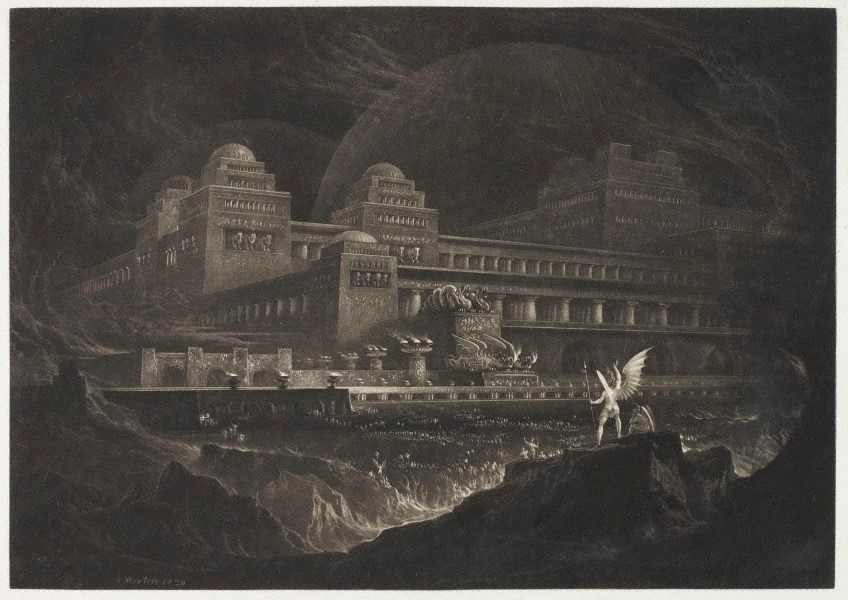
There exists a little-understood counter tradition in Western life that often goes under the easily misconstrued term Satanism. In this intellectually stimulating and probing evening, Mitch Horowitz (“solid gold” – David Lynch) explores the interplay between our primeval understandings of the Dark Side and how Satan is reflected back to us in myth, parable, legend, culture, horror, music, and fashion. Tracing the earliest origins of humanity’s conception of an opposing force in the Eastern and Western worlds, Mitch explores some of history’s most bracing and provocative interpretations of the Satanic—from the work of Milton and the Romantic poets (William Blake’s The Marriage of Heaven and Hell; Lord Byron’s Cain) to more recent fiction and nonfiction literary efforts (Arturo Pérez-Reverte’s The Club Dumas; Anton LaVey’s The Satanic Bible; Michael Aquino’s The Diabolicon), and examines how even some of our most recognized supernatural films (Devil’s Advocate; Rosemary’s Baby; The Ninth Gate) enunciate Satanic themes with penetrating classical validity. In the process, Mitch strips away historical and cultural preconceptions, misunderstandings, and shibboleths to open an entirely fresh window on the intellectual and cultural idea of the Satanic in Western history and contemporary life. He shines a new light into ancient myths, canonical literature, legends, and pop culture to trace out an authentic outsider tradition of Satanic thought. Join us for a challenging and eye-opening evening. You will come away with an entirely new conception of a “familiar devil.”
Mitch Horowitz
19 September 2019
Read more
19 September 2019
Miskatonic Presents: WITCHES, SLUTS, FEMINISTS (Huntington, NY)
Kristen J. Sollée
17 September 2019
Miskatonic Presents: WITCHES, SLUTS, FEMINISTS (Huntington, NY)
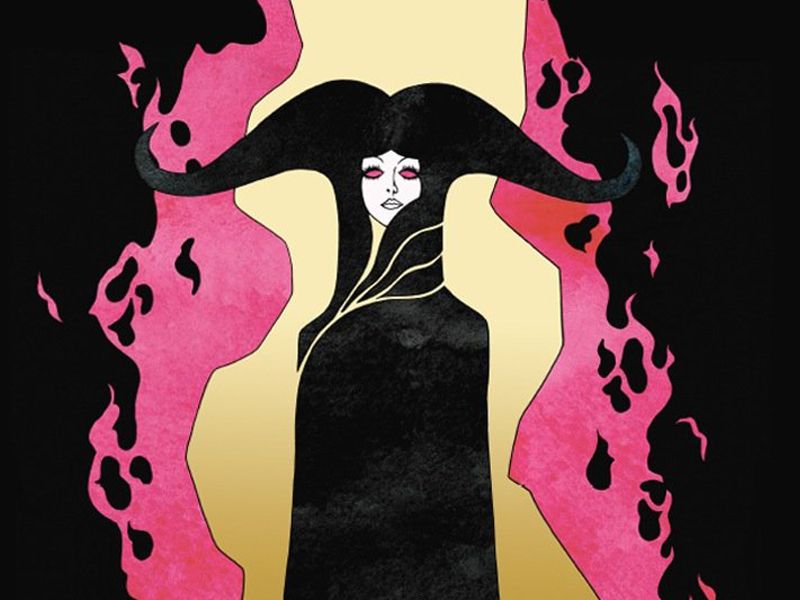
In art, literature, and film, the witch is a shapeshifter. She is a gruesome villain and a studious heroine, a spiritual guide and an enchanting seductress. The witch’s narrative can shift effortlessly, transforming her from vixen to hag and healer to hellion based solely upon who decides to tell her tale. But despite these disparate depictions, the witch’s presence is inextricably tied to patriarchal anxieties about powerful women and unruly female bodies: her representation always reflects or refutes societal perceptions about femininity. In this illustrated talk, New School faculty member and author of Witches, Sluts, Feminists: Conjuring the Sex Positive Kristen J. Sollée will trace the witch in visual media from the early modern era through the present, examining her legacy as an icon of female power and persecution, and as a potent feminist symbol.
Beginning with the 1922 Swedish film Haxan to offer perspective on the historical origins of the witch, the talk will include clips and analysis of Mario Bava’s 1960 film Black Sunday to examine what film theorist Barbara Creed calls “the monstrous feminine,” and TV classic Bewitched to offer visions of the “good witch” as the women’s liberation movement begins to coalesce in the early 1960s. Sollée will also use aspects of George Romero’s Season of the Witch, anime classic Belladonna of Sadness, Lair of the White Worm, The Witches of Eastwick and The Craft to analyze conceptions of female sexual expression, and Anna Biller’s The Love Witch to undress the witch through the female gaze. By juxtaposing leading scholarly research on European and American witch hunts with art and pop occulture artifacts, this talk will delve into the complex legacy of the witch from past to present, exploring how the divine and demon feminine have been harnessed to both frighten and inspire diverse audiences for decades.
This class originated at The Miskatonic Institute of Horror Studies NYC in November 2017 and has has since gone on to be be presented at the Monsters of Film Festival in Stockholm (in October 2018) and more.
++++
The Cinema Arts Centre (CAC) is Long Island’s premiere, year-round, independent and international film showcase and its leading 501(c)3 not-for-profit community cinema. Located on Long Island’s North Shore, just an hour from Manhattan, the CAC is unique in scope and programming, with three state-of-the-art theaters, including a main theater holding nearly 300 seats. Founded by Vic Skolnick, Charlotte Sky and Dylan Skolnick in 1973, the CAC has over 10,000 members and serves approximately 150,000 individuals each year.
Kristen J. Sollée
17 September 2019
Read more
17 September 2019
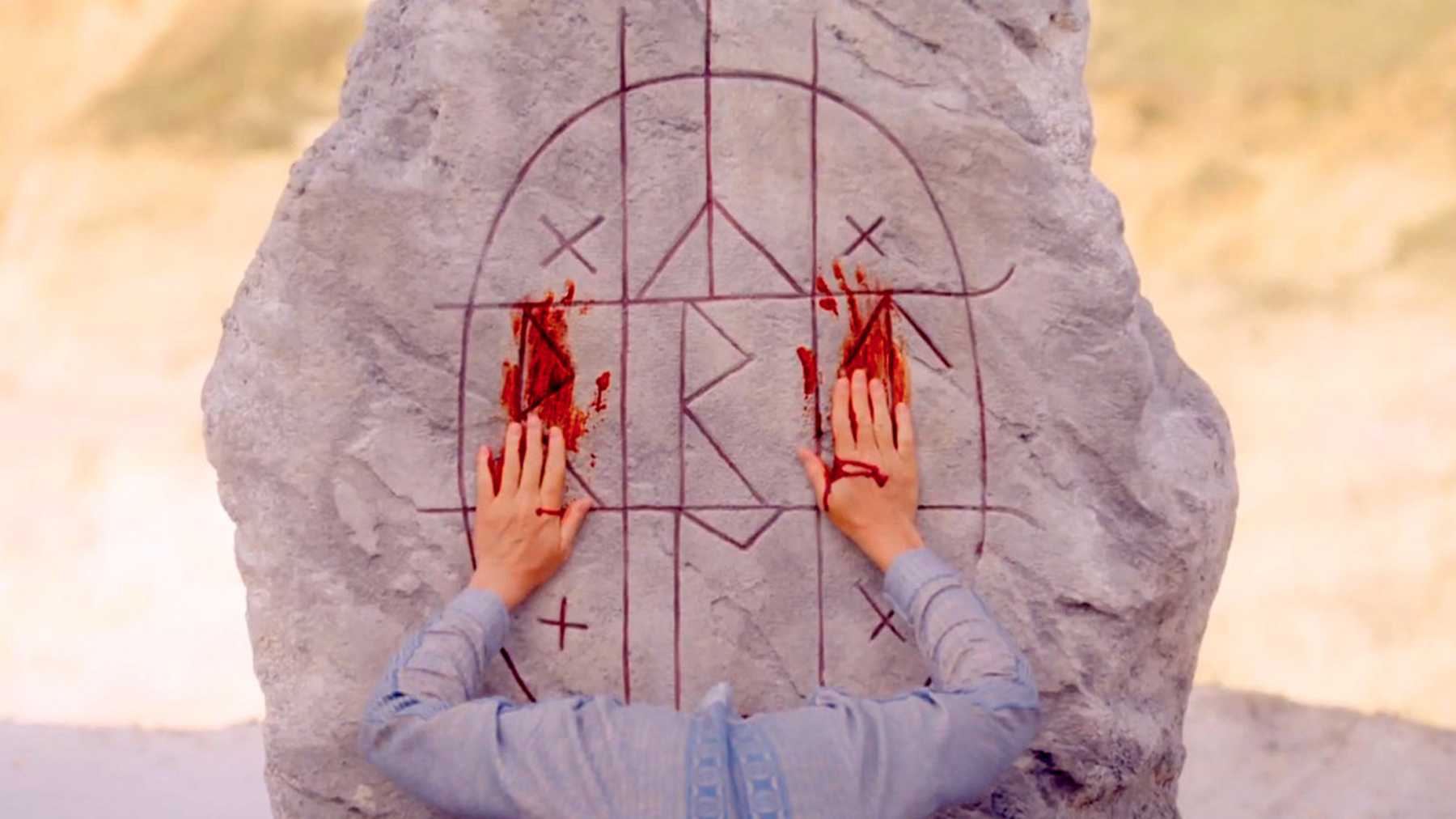
FOLK HORROR AND NEW FOLK HORROR: A CONVERSATION WITH ARI ASTER (Lisbon)
Howard David Ingham
15 September 2019
FOLK HORROR AND NEW FOLK HORROR: A CONVERSATION WITH ARI ASTER (Lisbon)
Presented at the Motel X International Horror Film Festival, Lisbon, which runs Sept 10-15, 2019
The occult fields and forests of Folk Horror, which in the 1970s and 80s birthed “The Wicker Man”, “Witchfinder General”, “Blood on Satan’s Claw”, “The Company of Wolves”, and others, have been revisited with increasing frequency in recent years. Filmmakers such as Ben Wheatley (“Kill List”, “A Field in England”), Robert Eggers (“The Witch”, “The Lighthouse”), Jordan Peele (“Get Out”, “Us”) and Ari Aster (“Hereditary”, “Midsommar”) have led a resurgence of New Folk Horror over the last decade.
In this masterclass, Ari Aster and writer Howard David Ingham (“We Don’t Go Back: A Watcher’s Guide to Folk Horror”) will discuss exactly what is so inspiring about the genre, why the time is right for it to find a new audience, and what the New Folk Horror brings to the field. Founded by film writer/programmer Kier-La Janisse in 2010, The Miskatonic Institute of Horror Studies offers classes in horror history, theory and production, with branches in London, New York and Los Angeles, as well as presenting special events worldwide. Howard, representing Miskatonic at this event, has instructed at Miskatonic London on the subject of folk horror.
Howard David Ingham
15 September 2019
Read more
15 September 2019
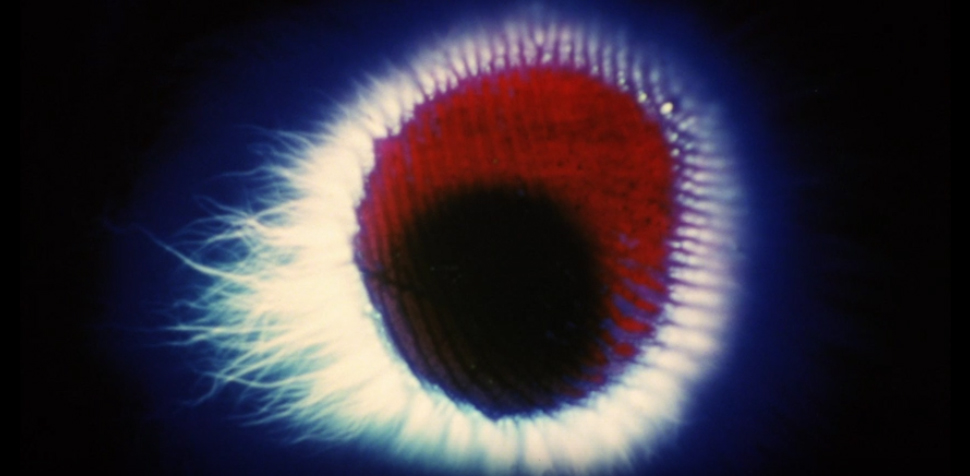
MURDER SEASON: CRIME-SOLVING PLANTS AND OTHER VEGETAL HORRORS (Los Angeles)
Kier-La Janisse
12 September 2019
MURDER SEASON: CRIME-SOLVING PLANTS AND OTHER VEGETAL HORRORS (Los Angeles)
Like the human cadaver, every plant, tree, flower and fungus has a story to tell. But when it comes to how plants tell stories, there are essentially two schools of thought: In the 1970s it was a popular belief – aided by unorthodox experiments, the proliferation of New Age publications and the mass-marketing of Peter Tompkins and Christopher Bird’s 1973 book The Secret Life of Plants – that, despite their lack of a nervous system, plants were sentient and emotional, and could communicate their feelings to humans with the help of electronic devices. Conversely, the scientific community found more practical ways of gleaning what plants had to tell us, through the examination of trace elements at crime scenes in the field of forensic botany.
Expanded from an article commissioned for Nicolas Winding Refn’s website ByNWR.com, Murder Season takes a look at the ways that a disillusioned generation became obsessed with plants, not only in their homes and gardens as part of the burgeoning environmentalist and earth mysteries movements that summoned people back to their rural roots, but in laboratories and recording studios that aimed to document the ways plants experienced and witnessed the world around them and how they could communicate knowledge to us – whether imparting ancient wisdom or fingering a murderer. We’ll look at the influential studies of polygraph expert Cleve Backster and the early 20th century scientists who preceded him, the importation of Kirlian photography from behind the Iron Curtain and its subsequent championing at the UCLA Parapsychology Lab, and the more tangible ways that plants aid in solving crimes, from the trace elements found in poo-prints to the decomposing donors at The Body Farm.
We’ll also look at how vegetal anxiety manifested in horror literature and film, from the writings of Roald Dahl and Philip Jose Farmer to films like Day of the Triffids (1962), The Mutations (1974), The Gardener (1974), The Kirlian Witness (1979) and more.
++++
This class is held in conjunction with several city-wide events celebrating Sacred Bones Records’ re-release of Mort Garson’s classic 1976 electronic concept album, Mother Earth’s Plantasia. Other events in this series include Atlas Obscura’s Plantasia listening party at the UCLA Botanical Gardens on August 10 + 11 (https://www.atlasobscura.com/events/plantasia-at-ucla-botanical-garden-aug-2019) and UCLA Film & Television Archive’s screening of The Kirlian Witness (1979) at the The Velaslavasay Panorama Theatre and Gardens on August 25 (https://www.panoramaonview.org/).
Kier-La Janisse
12 September 2019
Read more
12 September 2019
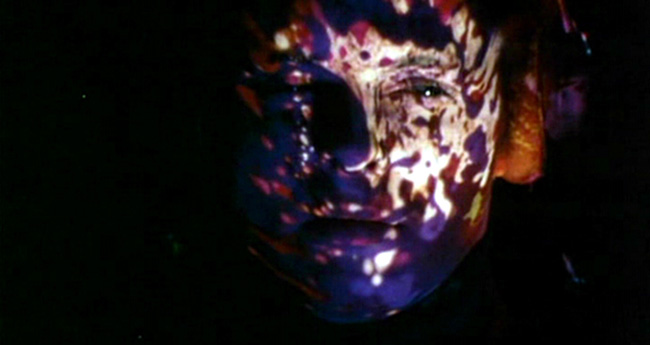
THE BAD TRIP: PSYCHEDELIC HORROR CINEMA, 1967-1972 (London)
James Riley
12 September 2019
THE BAD TRIP: PSYCHEDELIC HORROR CINEMA, 1967-1972 (London)
In March 1966 Life magazine published ‘The Exploding Threat of the Mind Drug that Got Out of Control’, an article that covered the growing popularity of LSD use in America. Staff writer Gerald Moore was largely even-handed in his account, reporting that LSD could provide the user with ‘beatific serenity and shimmering insight’. However, he struck a darker, more cautionary tone when he described the case of an unnamed ‘teen-age girl’ who attended a Hollywood ‘acid party’. According to Moore, she took LSD and then suffered a bad trip: ‘a sudden vision of horror or death which often grips LSD users when they take it without proper mental preparation.’
Within psychedelic culture the threat of the bad trip hovers like an ominous presence. Psychedelic or ‘Mind-clearing’ drugs may promise wisdom, visionary insight or a fabulous holiday for the brain, but they can also release the horrors of the id, tear the veil of sanity and pull you into the void.
As psychedelic culture took root into the public imagination, film-makers of the mid to late 1960s, drew heavily on its visual language. From the art-house to the drive in; Conrad Rooks’ Chappaqua (1966) to Ed Mann’s Hallucination Generation (1966), cinema variously made use of and attempted to imitate the sensory intensity of the stereotypical acid trip: polychromatic colours, spatial-temporal distortion and strange, surreal encounters. However, as this class will explore by way of an illustrated talk, it was the horror cinema of the period that made the most productive and imaginative use of psychedelic imagery. Films like Michael Reeves’ The Sorcerers (1967), Vernon Sewell’s Curse of the Crimson Altar (1968) and Daniel Haller’s The Dunwich Horror (1970) vividly rendered ‘sudden vision (s) of horror or death’ in scenes that carried a distinctly acid-tinged ambience. These cinematic bad trips are gateways to inner space and terrifying psychic landscapes. Along with other examples by directors including José Mojica Marins, Ray Danton and ‘J.X. Williams’, they signify a preoccupation with a horror of the mind, not of the body.
With reference to writers including Aldous Huxley and Timothy Leary this class will chart the emergence of psychedelia across the Sixties and will examine the incorporation of its visual language in horror cinema during the period 1966-1972. Rather than seeing the films in question as acts of exploitation, the talk will frame them as radical works of acid horror, a from which in the case of The Dunwich Horror is used to conjure the cosmic vertigo integral to H. P. Lovecraft’s writing. Further, the talk will also read back from the films to the wider drug culture to uncover a sense of horror underpinning the psychedelic experience as a whole.
James Riley
12 September 2019
Read more
12 September 2019
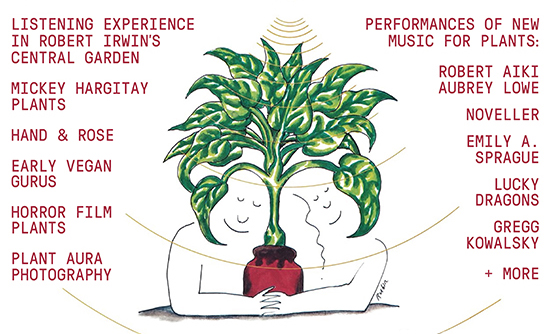
Ever Present: MOTHER EARTH'S PLANTASIA (Los Angeles)
Jacqueline Castel
7 September 2019
Ever Present: MOTHER EARTH'S PLANTASIA (Los Angeles)
Note: this is a free, all-day event with multiple activities – you can arrive/depart at anytime!
Celebrate California plant culture with a special program inspired by 1970s Los Angeles and Plantasia, the iconic album made for plants and the people who love them. Worldwide curiosities guide Atlas Obscura and Brooklyn’s Sacred Bones Records teams up with the Getty’s Ever Present series to delve into the plant-centric cultural movement behind Mort Garson’s 1976 cult-classic electronic album Mother Earth’s Plantasia. Join us for a day filled with music, workshops, and presentations that explore the influence of plants on art and culture in Los Angeles.
Originally recorded in Los Angeles, and recently reissued by Sacred Bones, Plantasia includes such songs as “Symphony For A Spider Plant,” and “A Mellow Mood For Maidenhair.” The album’s cult status grew over the years due to its rarity—it was only distributed to customers at the legendary Mother Earth Plant Boutique then located on Melrose Avenue.
The album will be streaming all day for a unique listening experience in the Getty’s Robert Irwin-designed Central Garden, serenading its blooms and bushes with its “warm earth music.” On the courtyard stage, a lineup of electronic experimenters perform their take on music for plants. They include New York-based Robert Aiki Aubrey Lowe, known for composing with plant-based bio data, ambient guitarist Noveller, Florist’s Emily A. Sprague, Lucky Dragons, and Gregg Kowalsky—all performing amid a custom stage installation by Hand & Rose.
Additional programming includes presentations by Lyra Kilston, author of Sunseekers: The Cure of California, on L.A.’s early vegetarian evangelists, and film writer/Miskatonic founder Kier-La Janisse on the preoccupation with plant life in 1970’s horror films (note this is a 20min presentation, a teaser to the Miskatonic class Sept 12). Pioneering synthesizer company Moog, creators of the modular instrument Mort Garson used to compose Plantasia, will install two self-driven interactive synthesizer workstations where visitors can experiment with electronic music. Also on hand: legendary Los Angeles green thumb Mickey Hargitay, Jr. (yes, the son of the Crimson Executioner himself!) of Mickey Hargitay Plants hosts succulent care and macramé workshops, artist and Miskatonic NYC co-director Jacqueline Castel demonstrates “Kirlian,” or plant-aura photography, garden-inspired cocktails, and more.
+++
This event is held in conjunction with several city-wide events celebrating Sacred Bones Records’ re-release of Mort Garson’s classic 1976 electronic concept album, Mother Earth’s Plantasia. Other events in this series include Atlas Obscura’s Plantasia listening party at the UCLA Botanical Gardens on August 10 + 11 (https://www.atlasobscura.com/events/plantasia-at-ucla-botanical-garden-aug-2019), UCLA Film & Television Archive’s screening of The Kirlian Witness (1979) at the The Velaslavasay Panorama Theatre and Gardens on August 25 (https://www.panoramaonview.org/) and Miskatonic LA’s Sept 12 class Murder Season: Crime-Solving Plants and Other Vegetal Horrors.
Jacqueline Castel
7 September 2019
Read more
7 September 2019
Screening: THE KIRLIAN WITNESS (Los Angeles)
Kier-La Janisse
25 August 2019
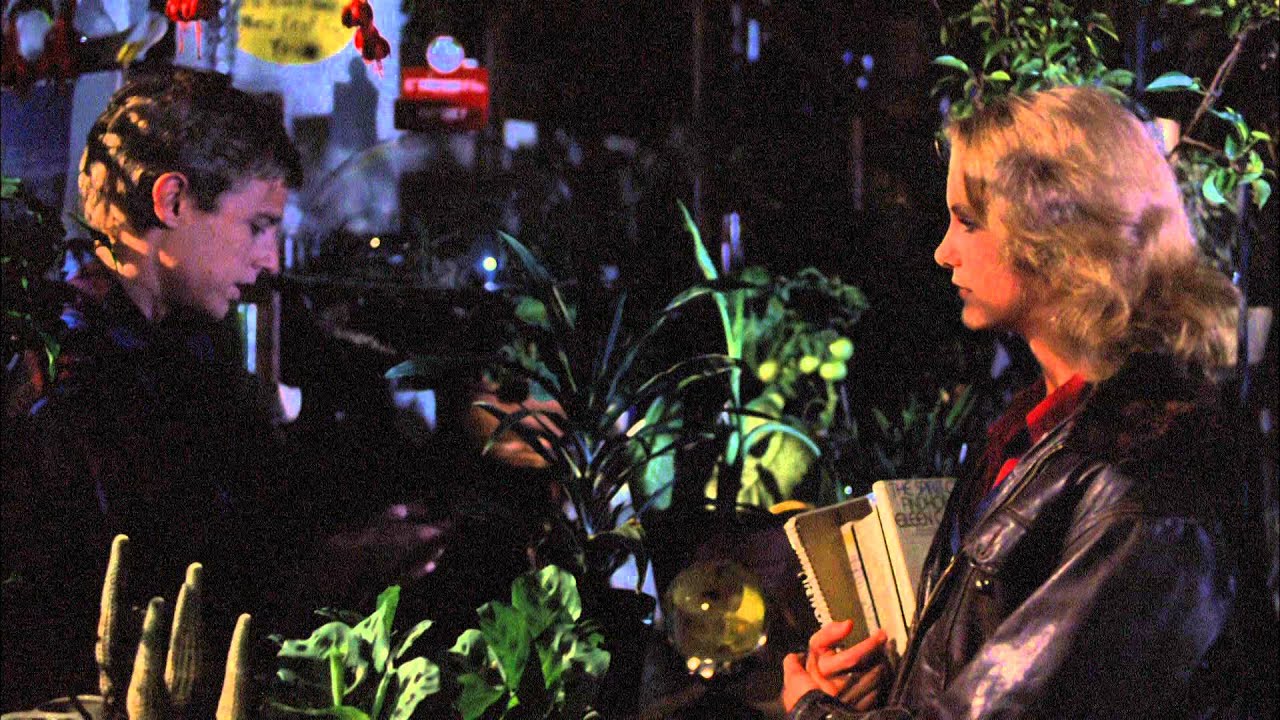
Screening: THE KIRLIAN WITNESS (Los Angeles)
Co-presented by UCLA Film & Television Archive, the Velaslavasay Panorama, the Miskatonic Institute of Horror Studies and Atlas Obscura
THE KIRLIAN WITNESS (aka THE PLANTS ARE WATCHING, 1979)
Can spider plants sense pain? Is fern telepathy feasible? The empathic, ecophilic Laurie (Nancy Boykin) thinks so, most days eschewing human interactions in favor of quality time with her fiddle-leaf fig tree. After a sudden tragedy, her sister Rilla (Nancy Snyder), a photographer and the film’s narrator, subsumes Laurie’s plant obsession, believing that certain secrets lie within their leaves. Beautifully shot by João Fernandes (Bloodrage, 1980), The Kirlian Witness is a botanical thriller of dendritic proportions, and an essential entry in the tiny but rich horticultural horror canon.
The screening is at 7pm, but enjoy a pre-screening reception in the gardens of the Velaslavasay Panorama from 6pm onwards. Film program begins at 7pm at the Velaslavasay Panorama, 1122 West 24th Street, Los Angeles, CA 90007. (www.panoramaonview.org). Tickets $13 ($11 VPES members.)
++++
This class is held in conjunction with several city-wide events celebrating Sacred Bones Records’ re-release of Mort Garson’s classic 1976 electronic concept album, Mother Earth’s Plantasia. Other events in this series include Atlas Obscura’s Plantasia listening party at the UCLA Botanical Gardens on August 10 + 11 (https://www.atlasobscura.com/events/plantasia-at-ucla-botanical-garden-aug-2019) and Kier-La Janisse’s class Murder Season: Crime-Solving Plants and Other Vegetal Horrors at the Miskatonic Institute of Horror Studies on Thurs. Sept 12.
Kier-La Janisse
25 August 2019
Read more
25 August 2019