MIS
KA
TON
IC
Institute of
Horror Studies
Archive
Archive
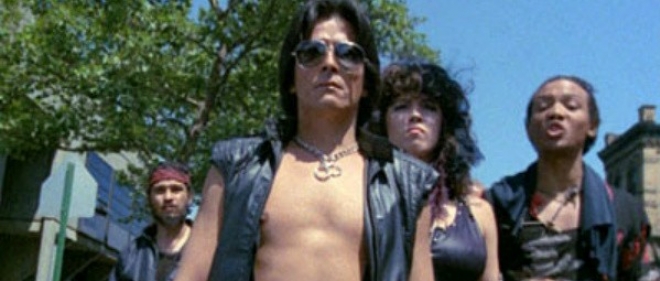
Screening: TENEMENT (Los Angeles)
Kier-La Janisse
13 August 2019
Screening: TENEMENT (Los Angeles)
In conjunction with its August 8th class GRAND DAMES OF THE GRINDHOUSE: THE FILMS OF ROBERTA FINDLAY AND DORIS WISHMAN, The Miskatonic Institute of Horror Studies is pleased to present this digital restoration of exploitation film pioneer Roberta Findlay’s action/horror masterpiece, Tenement – preceded by a brief introduction by Miskatonic founder Kier-La Janisse – as part of the Alamo Drafthouse Cinema’s signature Terror Tuesday series.
When the working-class residents of a South Bronx apartment building discover a gang of leather-clad junkie thugs squatting in their basement, they get the cops to haul them away – only to ignite an all-out war when the gang is promptly released and wants revenge! The residents soon find their building under siege by the bloodthirsty, drug-addled lunatics, and no one is safe from the brutality as the thugs terrorize, maim and kill the residents, one floor at a time. Their only choice is to fight back, using only their wits, guts and a variety of otherwise benign household implements including weaponized refrigerators, a torrent of pots and pans, and swinging meat cleavers. It’s a classic blowout that paved the way for modern multi-level showdowns like The Raid and Brawl in Cellblock 99.
Please be advised that this film contains mean-spirited violence and sexual assault.
Alamo Drafthouse LA is a state-of-the-art facility featuring twelve auditoriums, each with 4K laser projectors and one with 35mm film projection. Like the brand’s nearly forty other locations across the country, the downtown Los Angeles theater includes a full bar and kitchen, as well as the unique bar and video store Video Vortex, where Blu-Rays and DVDs will be available for free rental.
Alamo Drafthouse LA is conveniently located at The Bloc, an open-air urban center in the heart of downtown Los Angeles where the Blue, Red, Purple, and Expo lines converge – making it easy to reach from Hollywood, North Hollywood, Mid-Wilshire, Santa Monica, South LA, and Long Beach. Easy-access validated parking is available on-site in the BLOC garage, and bike parking is readily available inside the theater.
Alamo Drafthouse Los Angeles social media:
Facebook: Alamo Drafthouse Los Angeles
Twitter: @DrafthouseLA
Instagram: @DrafthouseLA
Website: Drafthouse.com/los-angeles
Kier-La Janisse
13 August 2019
Read more
13 August 2019

GRAND DAMES OF THE GRINDHOUSE: THE FILMS OF ROBERTA FINDLAY AND DORIS WISHMAN (Los Angeles)
Lisa Petrucci
8 August 2019
GRAND DAMES OF THE GRINDHOUSE: THE FILMS OF ROBERTA FINDLAY AND DORIS WISHMAN (Los Angeles)
Something Weird Video’s Lisa Petrucci will lead a lively illustrated lecture on genre film mavericks Roberta Findlay and Doris Wishman, two larger-than-life ladies who were making sexploitation films at a time when it was not common for women to be behind the camera. We will look at their comparable trajectory from nudies and roughies in the 1960s to porn and horror films in the 1970s and 80s, as well as their unique and quirky vision and styles of filmmaking. Both lived in New York City during the mid-1960s, and worked with a lot of the same actresses. They both also used pseudonyms, initially not taking credit for their own films or involvement in making them. The class will begin with a visual overview of each of their careers through a clip and trailers video program, followed by an illustrated lecture about their sleazy and often unsettling subject matter, distinctly unique camerawork and artistic vision, and overall significance to exploitation film history. Doris and Roberta have publicly claimed to not have a feminist agenda (and verge on female misogyny with some of the things they’ve actually said and depicted in some films), but their overall oeuvres often speak otherwise, so we will examine and debate this. The class will conclude with a Q&A session.
Lisa prefers to keep things light so she will try to regale you with fun factoids and anecdotes from her years of being involved with Something Weird Video. There also may be a surprise guest speaker or two. And brace yourselves, all participants will receive a delightfully depraved FREE ARTIFACT – a genuine piece of sexploitation history from the Something Weird Archive that you will cherish for years to come!
This event is in collaboration with the UCLA Film and Television Archive‘s series Catch a Thrill! Celebrating Ten Years of the American Genre Film Archive, which runs July 12-Aug 17, 2019.
Lisa Petrucci
8 August 2019
Read more
8 August 2019
HORROR EXPRESS BUS TOUR - FANTASIA EDITION (Montreal)
Kier-La Janisse
17 July 2019
HORROR EXPRESS BUS TOUR - FANTASIA EDITION (Montreal)
By popular demand, after a successful chartered bus tour of iconic cult and horror film locations in Toronto last summer, Spectacular Optical and The Miskatonic Institute of Horror Studies invite you to the first-ever Horror Express-Montreal on Wednesday July 17th! This 6-hour bus tour hosted by longtime horror journalist Michael Gingold (Fangoria, Rue Morgue) and House of Psychotic Women author Kier-La Janisse will stop at 10 iconic horror locations from Canada’s infamous tax shelter era. Come join us for fun and photo ops as we navigate through the history of Montreal’s cinematic underbelly.
The tour will begin with a 9:30am registration in central Montreal (location to be disclosed to registrants in an email, but it will be close to Fantasia headquarters at Concordia’s Hall Building) and departure at 10am, and will run until approximately 4:00pm, including a stop for lunch along the route (cost of lunch not included).
PLUS! The luxury bus has AV so we can watch clips of the films in advance of arriving at each location! But act fast because there are only 30 seats!
TICKETS $50.00 CAD – available in Spectacular Optical’s webstore HERE >>
This tour is being organized in conjunction with Montreal’s Fantasia International Film Festival, which runs July 11-Aug 1, 2019.
Kier-La Janisse
17 July 2019
Read more
17 July 2019
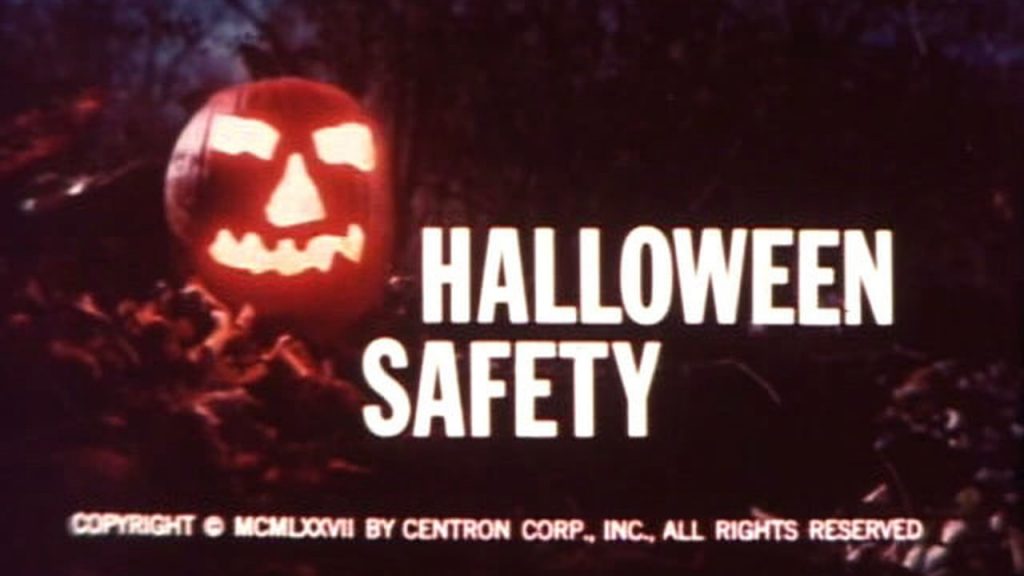
Industrial Terror: Sponsored Filmmaking and Regional Horror (NYC)
Jon Dieringer
21 May 2019
Industrial Terror: Sponsored Filmmaking and Regional Horror (NYC)
From the late 1950s through the mid-1980s, many workaday directors tasked with exposing film for the workplace and classrooms moonlit in cemeteries, bayous, and basements lensing brilliant genre pieces and prurient trash for drive-ins and grindhouses. Archivist and programmer Jon Dieringer will present on some of the best known examples, including George Romero and Herk Harvey, along with more obscure figures, such as the Satantic sexploitation filmmaker who made piston-pumping films for oil companies; a duo from Detroit who parlayed an independently made anti-drug PSA into an opportunity to make a gory biker revenge flick; and more. We’ll consider how quasi-documentary tropes and regional myth were appropriated within lurid, fantastic, and terrifying narratives; and reciprocally, how wry bits of the macabre livened up training and educational films. Dieringer will also discuss adapting his research into a series at Anthology Film Archives.
Jon Dieringer
21 May 2019
Read more
21 May 2019
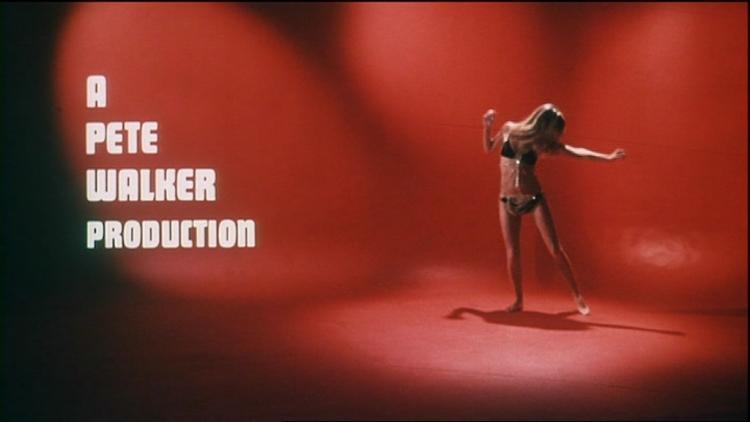
Live From Miskatonic: Pete Walker in Conversation (LA)
Pete Walker
9 May 2019
Live From Miskatonic: Pete Walker in Conversation (LA)
Miskatonic is proud to present an evening in conversation with the great British horror and sexploitation director Pete Walker.
Starting out in softcore sex shorts in the 1960s before turning to features in 1968 with films like The Big Switch, School of Sex and his breakthrough, Cool it Carol! in 1969, Walker then self-financed a decade of brilliant horror and terror films including Die Screaming Marianne (1971), The Flesh and Blood Show (1972), House of Whipcord (1974), Frightmare (1974), The Confessional (1976), Schizo (1976), The Comeback (1978) and House of the Long Shadows (1983), with the odd sexploitation film still peppered in, such as Tiffany Jones (1973) and Home Before Midnight (1979).
Walker’s work was often critically reviled in its day – even while being immensely successful commercially – although some astute critics did note their sophisticated subtexts, often dealing with double lives and the sadism of conservative authority figures who dole out various degrees of punishment to their younger, less repressed counterparts, who they see as vulgar or sinful. Thanks to the combination of enthusiastic British horror journalists and zine writers, the FAB Press release of Steve Chibnail’s book Making Mischief: the Cult Films of Pete Walker in 1998, and the reissue of several of Walker’s films by Anchor Bay in 2005, and more recently on blu ray by Kino Lorber (as well as on horror streaming services Amazon Prime and Shudder), he has thankfully staked his place in the horror pantheon.
We’ll talk to Walker about being an upstart in an uptight industry, making a horror icon out of elderly Scottish actress Sheila Keith, turning communion wafers into weapons in The Confessional, working with horror giants Christopher Lee, Peter Cushing, Vincent Price and John Carradine on House of the Long Shadows, his ill-fated Sex Pistols documentary, and so much more.
Pete Walker
9 May 2019
Read more
9 May 2019
Hellbound Hearts: The Dark Art of Clive Barker (London)
Sorcha Ni Fhlainn
9 May 2019
Hellbound Hearts: The Dark Art of Clive Barker (London)
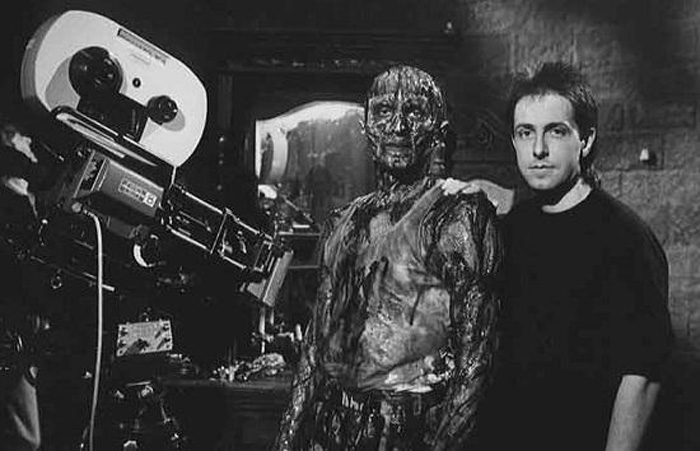
A polymath of considerable artistic importance in the horror genre, Clive Barker has been a mainstay in horror culture since the mid-1980s, and has won critical and fan appreciation for his various strange and often beautiful creations, which have been curiously overlooked outside of horror circles. This class will examine his uniquely abject and original artistry, beginning with the splatterpunk delights of Books of Blood (1984-5), The Damnation Game(1985), and The Hellbound Heart (1986) through to his fusions with the dark fantastic and YA fiction in Weaveworld (1987), The Great and Secret Show(1989), and Abarat series(2002 -), among other popular titles. Barker’s own films, as a writer and director, in the 1980s and 1990s will also be examined to analyse their familiar Barkerian elements (sex, death, religion, belonging, selling one’s soul) alongside themes and motifs on monstrosity, cultural rejection, secret desires and appetites, torment and the limits of excess and power. With the aid of clips, sketches, posters, and archive material, in this lecture I will trace and present core themes and ideas that run riot throughout his fiction and film, and invite you to (re)discover Barker’s enduring legacy and unique contribution to horror culture.
Sorcha Ni Fhlainn
9 May 2019
Read more
9 May 2019

The Shadow Over Lovecraft: Interrogating H.P. Lovecraft's Racism (NYC)
Matt Ruff
16 April 2019
The Shadow Over Lovecraft: Interrogating H.P. Lovecraft's Racism (NYC)
NOTE:This archival class is now available online at http://www.vimeo.com/ondemand/shadowoverlovecraft
This archival class is behind a paywall for a limited time, from August 20, 2020 – September 20, 2020. 70% of proceeds from purchase or rental of this class during this period will be donated to Black Lives Matter charities.
Featuring Authors Victor LaValle (THE BALLAD OF BLACK TOM), Matt Ruff (LOVECRAFT COUNTRY), Ruthanna Emrys (WINTER TIDE), Peter H. Cannon (H.P. LOVECRAFT: A CRITICAL STUDY) and moderator Rodney Perkins.
THE SHADOW OVER LOVECRAFT: INTERROGATING H.P. LOVECRAFT’S RACISM from Miskatonic Institute on Vimeo.
There is no denying that H.P Lovecraft was a racist. In his earliest years as a writer, he was an outright white supremacist, later supposedly softened into a cultural elitist. Though racism was not uncommon in his day, and some have argued that this excuses his attitudes, his racism and xenophobia was especially vehement, even for his time. These attitudes are directly apparent not only in an infamous 1912 poem denigrating those of African descent, but in journal entries and personal correspondences, as well as indirectly discernable through allegorical descriptions of non-human races in his fiction. This latter point is the most tricky, as it is not discernible to everyone (sometimes a fish-person is just a fish-person) and this has on occasion made fans of his work defensive when it comes to this line of questioning.
Often held as Lovecraft’s most racist horror story, The Horror at Red Hook was addressed, revised and reclaimed by writer Victor LaValle in his brilliant, multiple award-winning novella The Ballad of Black Tom in 2016, which reconfigures the perspective of the story to that of African American protagonist Charles Thomas Tester, which Locus magazine praised for “co-opting Lovecraft’s epic-scale paranoia into the service of a trickster tale.”
The same year saw the release of Matt Ruff’s novel Lovecraft Country – currently in production as an HBO series with Jordan Peele and JJ Abrams – which similarly explores issues of race in Lovecraft’s work through its tale of an African American science fiction fan named Atticus Turner, traversing through New England during the heyday of the Jim Crow laws in search of his missing father.
The release of both of these books prompted renewed questioning into the legacy of Lovecraft’s fiction for a legion of fans and fellow writers who have found magic in his Mythos and Cosmic Horror, easily one of the most influential strands of horror in literary history. But does Lovecraft’s racism overshadow his incredible contributions to the field? Should Lovecraft be demoted in the pantheon of horror writers based on his personal ideologies? Can people of those races and ethnicities Lovecraft directed hate towards still find value his work?
Come join us as we hash it out Town Hall-style, with our special guest speakers, Lovecraft scholar Peter H. Cannon and authors Victor LaValle, Matt Ruff and Ruthanna Emrys – whose debut novel Winter Tide (2017) was called “A mythos yarn that totally reverses the polarity on Lovecraft’s xeophobia, so that in the end, the only real monsters are human beings.” The panel will be moderated by author and festival programmer Rodney Perkins.
Matt Ruff
16 April 2019
Read more
16 April 2019
Destructible Man: The Dummy-death and Cinematic Storytelling Language (LA)
Howard S. Berger
11 April 2019
Destructible Man: The Dummy-death and Cinematic Storytelling Language (LA)
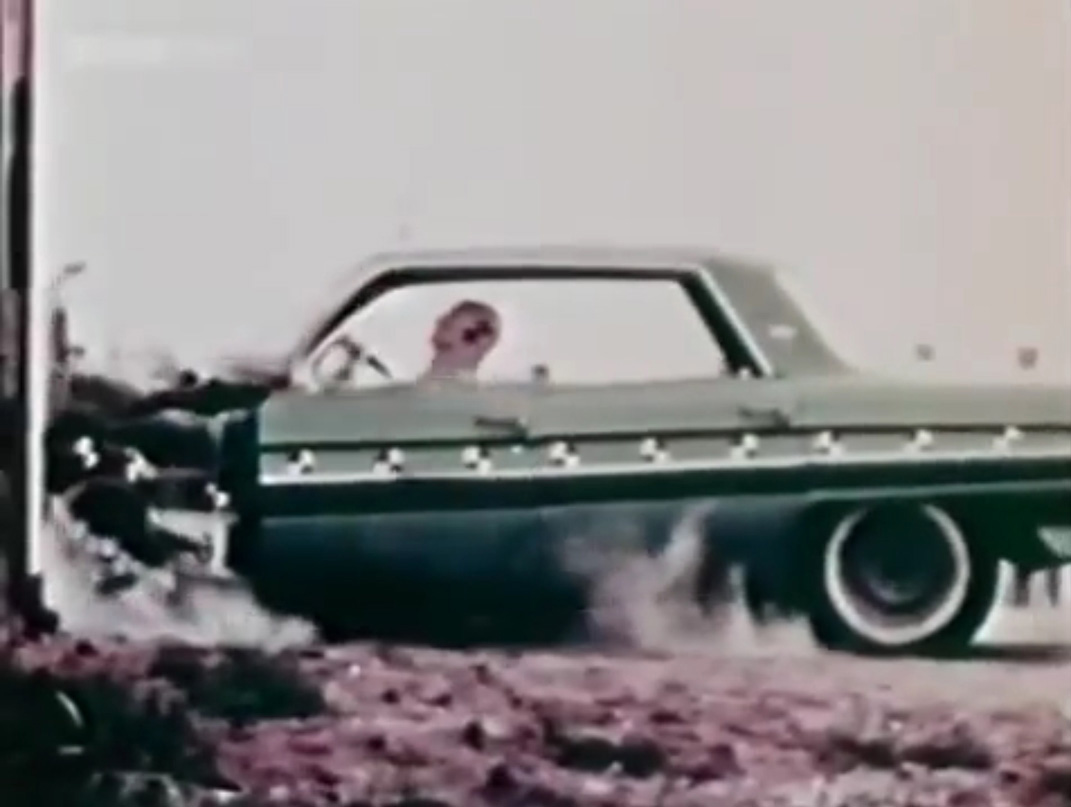
Prosthetic demise, or the “dummy death” as film historians Howard S. Berger and Kevin Marr refer to it, is a practical cinematic technique wherein an actor portraying a character is replaced by an articulated replica special-effects mannequin at a moment of extreme violence and/or death within a given film’s narrative. This device has been employed by filmmakers all over the world, at every level of production and in every genre since the dawn of the cinematic medium. When viewed in isolation, the dummy death effect can be characterized as the cinematic illusion in microcosm. Artificial celluloid images convey the illusion of life and reality – an illusion that is reflected in the (either subtle or abrupt) transition from actor/character to its corresponding prosthetic replica. It is also cinema at it’s most vulnerable – understanding that a viewer is to temporarily accept this illusion as reality, as such, the nature of this illusion invites this moment where, without explanation, a character physically transforms (however briefly) into something inanimate or inhumanly animate during his or her death. Berger and Marr call this the “Destructible Man effect” and its very existence creates ripples upon ripples of visual and thematic repercussions. Berger and Marr utilize a two-prong approach when examining films that contain a moment of prosthetic demise: one is thematic and one involves strictly visual elements of cinematic storytelling. The key thematic elements relatable to the dummy death effect include (but are not limited to): transformation, substitution, deception, duality and abstraction.
Transformation refers to the abrupt shift in method of presentation from actor/character to prosthetic facsimile (also reflected in narrative aspects such as personality or physical changes in characters); substitution refers to the replacement of actor/character with a prosthetic facsimile (and any story arcs that depict substitution of one or more characters for others); deception refers to the intended, illusory effect on the audience (and any experienced by characters within the plot); duality is reflected in the pairing of the actor/character with their dummy twin (and often reflected by twinning characters either with another character or psychologically, as in schizophrenia); abstraction defines the dummy as an inanimate image/replica of its living, human counterpart (again, which may also have metaphoric impact on the story’s characters). In addition, ever-present are themes of dehumanization, re-humanization and familial dislocation. Elements of visual storytelling in cinema that are relatable to cinematic dummies include (but are not limited to): shadows, silhouettes, mirror reflections, paintings, statues, photographs, dolls, mannequins, costumes and masks.
An examination of films that contain a dummy death, using these two methodologies in tandem, allows the viewer to bypass potential analytical roadblocks like personal taste, subjective notions of high and low art and more traditional approaches to film criticism in favor of a more objective, fixed set of thematic and physical elements that can be used like tools to uncover hidden, recurring patterns of meaning, symbolism and sub-textual counter-narratives in all (including non-dummy-death) cinema.
This overall approach also levels the cinematic playing field, allowing for an examination of films by directors as disparate as Alfred Hitchcock and William Castle, Francois Truffaut and Al Adamson, Quentin Tarantino and Edwin S. Porter, Steven Spielberg and Shohei Imamura, within the same cinematic, storytelling continuum.
The class will be illustrated by clips from such dummy-death emboldened films like STRAIT-JACKET, SCANNERS, DRACULA VS FRANKENSTEIN, THE BIRDS, 2001 and THE FURY in addition to two crucial silent films: Alfred Clark’s Execution of Mary, Queen of Scots (1895), known to be the first edit in cinema as well as the first dummy-death and The Great Train Robbery (1903), the first complex narrative film and also the first dummy-death within a complex narrative film.
Howard S. Berger
11 April 2019
Read more
11 April 2019
African Horror: Shades of Superstition (London)
Nuzo Onoh
11 April 2019
African Horror: Shades of Superstition (London)
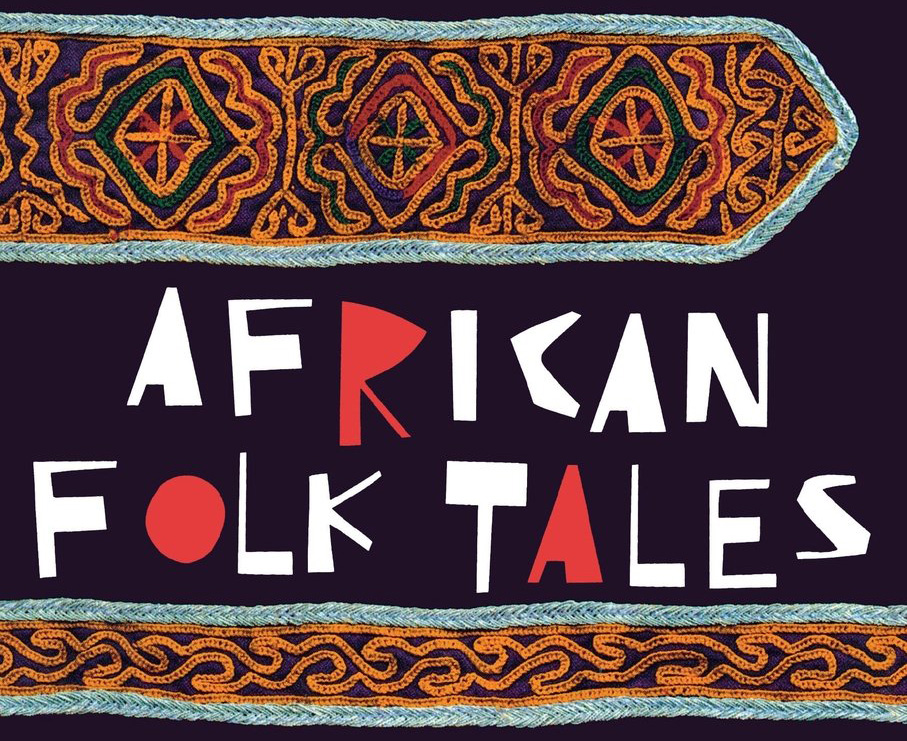
This lecture aims to introduce students to the African Horror literary genre. While African Horror films have made great strides in recent years, thanks to the Nollywood film industry and the South African Horror Film Festival, African horror literary fiction is still to take its rightful place in the commercial horror market. We shall examine the term “African Horror”, and how it is portrayed by the popular media before discussing its place as a bona-fide literary genre, similar to other regional horror genres and its classification by distributors. We shall also discuss what constitutes African horror, and what makes it different from horror fiction written by people of African descent.
With over 4000 African tribes and counting, it would be impossible to study African Horror under one uniform blanket as each tribe has its own unique culture and lore. Therefore, I shall focus on the West African (specifically, Nigerian) region in discussing the evolution of African Horror from folk tales under the moonlight to early written works such as Amos Tutuolas’s The Palmwine Drinkard (1952), Vusamazulu Credo Mutwa’s Indaba, My Children: African Folktale (1964), to later African Horror works such as Ben Okri’s The Famished Road (1993) and Nuzo Onoh’s The Sleepless (2016). We shall also examine the mythos of African Horror, the lore, the superstitions that surround death, burial rites and the afterlife in African communities and the role colonialism, Christianity, politics, poverty and globalisation have played in creating situations that give rise to evils such as the harvesting of Albino body parts, the killing of child witches and the kidnapping of humans for witchcraft or political motives. These true-life horrors have all been bred by superstition, and these superstitions form the ethos behind most African Horror literature.
We shall discuss the relevance of African horror to the genre pool, especially as relates issues of negative stereotyping of the continent and the prevalence of poverty and other true-life horror situations in the continent which has led some critics to question the relevance of African Horror genre amidst these real life problems. I shall illustrate with video clips, images and press articles in an interactive session with the students. It is my hope that the students will accompany me on this unique journey into the deep mysteries of African culture and understand this emerging horror genre and the various shades of superstition that drive the African Horror narrative.
Nuzo Onoh
11 April 2019
Read more
11 April 2019
What the Fest NYC 2019: DARLIN' Screening with Jack Ketchum Tribute
Douglas E. Winter
21 March 2019
What the Fest NYC 2019: DARLIN' Screening with Jack Ketchum Tribute
For this Special Screening at the IFC’s Center’s 2nd annual genre film festival What the Fest!? NYC, Douglas E. Winter – acclaimed author, editor, biographer of Stephen King and Clive Barker and personal friend of the late Dallas Mayr (aka Jack Ketchum) – will be presenting a short tribute to author Jack Ketchum before the film, which will also be followed by a Q+A with the film’s director (and ‘The Woman’ herself!) Pollyanna McIntosh.
From the What the Fest!? website:
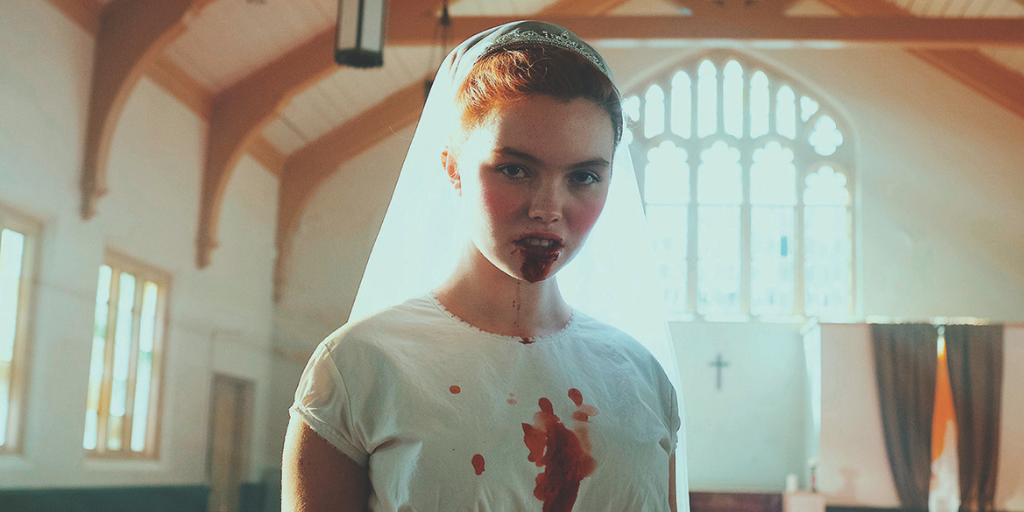
When we last came upon Darlin’, she was leaving her seemingly ideal suburban family life behind to live in the wilderness with The Woman (writer/director Pollyanna McIntosh, perhaps best known for her role on The Walking Dead), who came into her life when her depraved father captured The Woman and kept her chained up in the family barn. It’s eight years later and Darlin’ is a teenager not unlike any other, except for the fact she’s been raised in the wilderness by a feral woman. Now separated from her family and placed in a Catholic girls reformatory (never a good idea, but that’s the Catholic Church for you), she’s being assimilated back into society and taught the ways of the Lord. But the feral part of Darlin’ is never far away, and neither is The Woman who loved, nurtured and cared for her, hoping to bring her family back together.
The Woman, the late novelist Jack Ketchum’s most twisted creation, was first introduced in his 1991 novel Offspring, and when that tale came to the screen in 2009, Pollyanna McIntosh brought the character to life so vividly that Ketchum and Lucky McKee wrote the 2011 film THE WOMAN (later novelized by Ketchum) to continue her story. Now McIntosh herself has taken the reins as writer/director and made a stunning debut feature that honors the author and this demented family saga. McIntosh has assembled a first-class cast, with Irish actress Lauryn Canny excelling in the title role and Nora-Jane Noone and Cooper Andrews (McIntosh’s co-star on The Walking Dead) both lending fine support as Darlin’s few adult sympathizers. And then there’s McIntosh returning as The Woman, fiercer and more feral than ever, but also filled with the love and purity of a devoted mother that makes this her best performance in the series yet. As dark and violent as anything you’ll find at this year’s What The Fest?, DARLIN’ is both a satisfying continuation of the saga of The Woman and her demented family and a terrific directorial debut for its star.
– Matthew Kiernan
Director: Pollyanna McIntosh
Producer: Andrew van den Houten
Cinematographer: Halyna Hutchins
Editor: Julie Garcés
Running Time: 101 min
Language: English
Country: USA
Year: 2019
Douglas E. Winter
21 March 2019
Read more
21 March 2019