MIS
KA
TON
IC
Institute of
Horror Studies
Archive
Archive
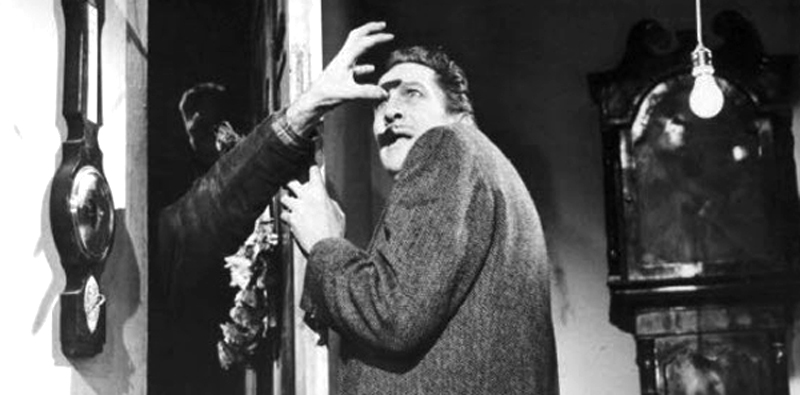
The Legacy of Richard Matheson's 'I Am Legend'
Stacey Abbott
15 March 2018
The Legacy of Richard Matheson's 'I Am Legend'
Richard Matheson’s novel I Am Legend (1954) is a recognized classic of science fiction and horror. It has been adapted many times in films such as The Last Man on Earth (1964), The Omega Man (1971), and I Am Legend (2007). In 1958, Matheson wrote a script adapting the novel for Hammer Studios, but it was never filmed. The script was rejected by both the MPAA and the BBFC. In 1968, George Romero directed Night of the Living Dead, a film he admitted was inspired by Matheson’s novel, and this was the film that Matheson felt was most faithful to the themes of his book.
Through an analysis of a selection of official and unofficial adaptations of the novel, including Matheson’s own script, this lecture by Stacey Abbott considers how this text marks a key transformative moment within the evolution of the horror genre on film. It will consider how the novel reimagined the vampire film through the lens of science fiction and how Matheson’s adaptation for Hammer offered a new, more brutal and modern approach to horror than the studio’s Gothic adaptations of The Cure of Frankenstein (1957) and Dracula (1958). Abbott will discuss how the script confounded the censors in its approach to horror, signaling a cultural resistance to the modernization of the genre and a growing tension between filmmakers and arbiters of cinematic taste. Finally, in this lecture Abbott will demonstrate not only how I Am Legend influenced Romero’s work, representing a key bridge between classic and new horror, but also continues to influence twenty-first century filmmakers, particularly in the development of the vampire and zombie genres.
MISKATONIC LONDON “I AM LEGEND” TRAILER March 2018 from Miskatonic Institute on Vimeo.
Stacey Abbott
15 March 2018
Read more
15 March 2018
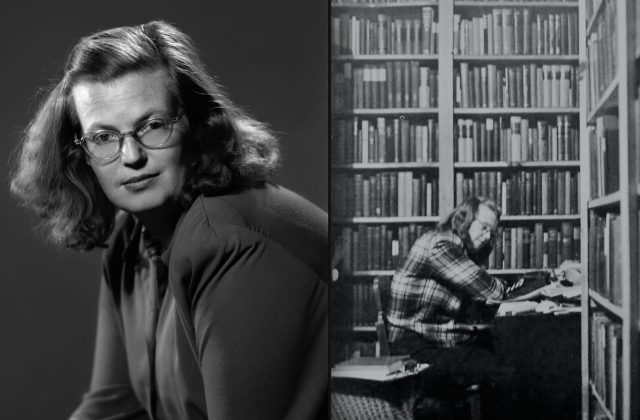
Shirley Jackson's Weird (NYC)
Kristopher Woofter
13 March 2018
Shirley Jackson's Weird (NYC)
This class is devoted to the work of the reclusive Vermont author whose brutal short story, “The Lottery,” still holds the record for the most letters of protest sent to The New Yorker for publishing it. Come along with instructor Kristopher Woofter as we walk through the haunted spaces of Jackson’s four major works: THE LOTTERY AND OTHER STORIES (1949), and her “uncanny house trilogy,” THE SUNDIAL (1958), THE HAUNTING OF HILL HOUSE (1959), and WE HAVE ALWAYS LIVED IN THE CASTLE (1962). A bestseller in her time, and a major influence on authors like Stephen King and Joyce Carol Oates, Jackson’s work has gone relatively unacknowledged by scholarship that relegates her to obscurity. Jackson’s body of work varied from domestic satire in her darkly humorous memoirs RAISING DEMONS and LIFE AMONG THE SAVAGES), to young-adult fiction (THE WITCHCRAFT OF SALEM VILLAGE), to uncanny psychological studies (THE ROAD THROUGH THE WALL, THE BIRD’S NEST), to her most popular work in the realm of horror and the weird. This class brings Jackson back to acknowledge her place as one of America’s—and without question one of horror’s—greatest writers.
Kristopher Woofter
13 March 2018
Read more
13 March 2018
Live From Miskatonic: Ramsey Campbell in Conversation with Stephen Jones
Ramsey Campbell
15 February 2018
Live From Miskatonic: Ramsey Campbell in Conversation with Stephen Jones
The Oxford Companion to English Literature describes RAMSEY CAMPBELL as “Britain’s most respected living horror writer”. An author, editor and critic, he has been given more awards than any other writer in the field, including the Grand Master Award of the World Horror Convention, the Lifetime Achievement Award of the Horror Writers Association and the Living Legend Award of the International Horror Guild, while in 2015 he was presented with an Honorary Fellowship by John Moores University, Liverpool, for “outstanding services to literature”.
Initially influenced by the works of H.P. Lovecraft, he published his first short story in 1962 and his first collection two years later, both with August Derleth’s famed Arkham House imprint. Since then he has published literally hundreds of short stories and novellas, and more than thirty-five novels, from The Doll Who Ate His Mother, The Face That Must Die and The Hungry Moon, to more recent titles such as Thirteen Days by Sunset Beach, The Searching Dead and Born to the Dark. Campbell has also novelised such movies as Bride of Frankenstein, Dracula’s Daughter, The Wolf Man and Solomon Kane, and PS Publishing recently issued Ramsey Campbell’s Limericks of the Alarming and Phantasmal, which was illustrated by Pete Von Sholly and covered the entire history of horror fiction.
For this exclusive event, Ramsey Campbell will discuss his life, his career and his ideology with his friend and colleague, award-winning editor and writer STEPHEN JONES, as well as giving advice to would-be writers on the current state of horror publishing. The evening will end with a Q&A session with the audience. This is an opportunity no horror fan can afford to miss—an informal discussion with one of the giants of the genre, with more than half-a-century of writing experience to draw upon, about the state of modern fiction and film. Don’t miss it!
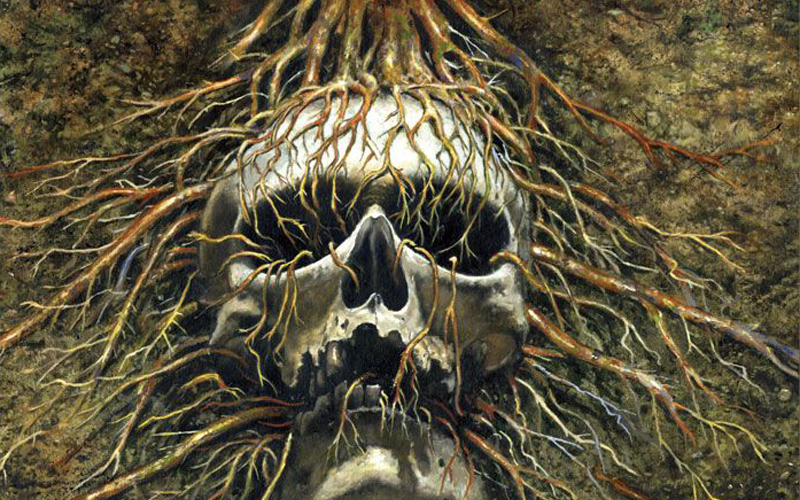
Image: Les Edwards’ cover artwork from Ramsey Campbell’s The Searching Dead, PS Publishing 2016.
Ramsey Campbell
15 February 2018
Read more
15 February 2018
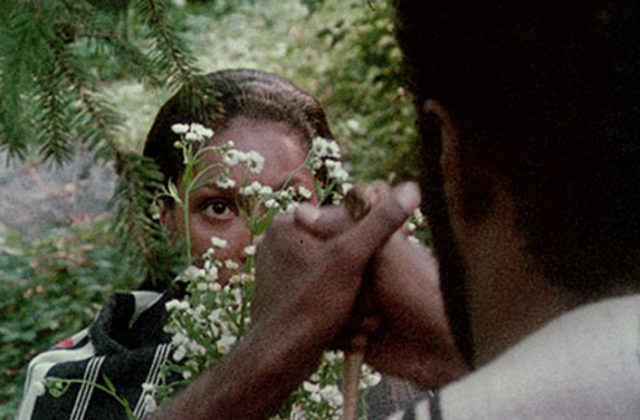
Black Horror: The Revolutionary Act of Subverting the White Gaze (NYC)
Dianca London Potts
13 February 2018
Black Horror: The Revolutionary Act of Subverting the White Gaze (NYC)
Note: Online tickets are now suspended. There are five seats still available for door sales.
From Spencer Williams’ Son of Ingagi to Jordan Peele’s Get Out, the cinematic screen has consistently served as a site of subversion for filmmakers of the African diaspora. Through the camera’s lens, tales of hauntings, demonic possession, vampirism, and hoodoo rituals gone awry have become a celluloid metaphor for colonization and racism’s toll on the Black psyche. Within this space, expressions of Black embodiment and the Black experience are momentarily freed from the limitations the white gaze. The narrative shifts, allowing for the complexity and depth of Black identity and its subsequent anxieties, fears, and vulnerabilities to be examined outside the constraints of traditional tropes.
Whether it’s Blaxploitation classics like Blacula and Sugar Hill, or successors like Spike Lee’s Da Sweet Blood of Jesus and the aforementioned Get Out, Black horror films are a historically visual mode of resistance within a pervasively supremacist culture. Rather than being sacrificial lambs, wise sages, or saviors to non-POC protagonists, Black characters within this context determine their goals and desires in opposition to whiteness rather than their proximity to it. William Crain’s Prince Mamuwalde becomes the immortal Blacula, Ben — the sole Black character depicted in George Romero’s cult classic Night of the Living Dead —becomes a hero. Jordan Peele’s Chris becomes a survivor. Within this narrative context, the off-screen script is flipped. The marginalized aren’t merely centered, they’re canonized.
This multimedia presentation will offer an immersive thematic overview of Black horror narratives while highlighting noteworthy films within the genre spanning the early 1900s to modern day. Select films will be paired with excerpts of literary, sociological, and philosophical texts to enhance students understanding of the cinematic genre and its radical roots. Through visual, cultural, and historical exploration, this presentation aims to examine and foster dialogue about what happens when subjection is subverted and what stories can be told when the white gaze is decentered.
Dianca London Potts
13 February 2018
Read more
13 February 2018
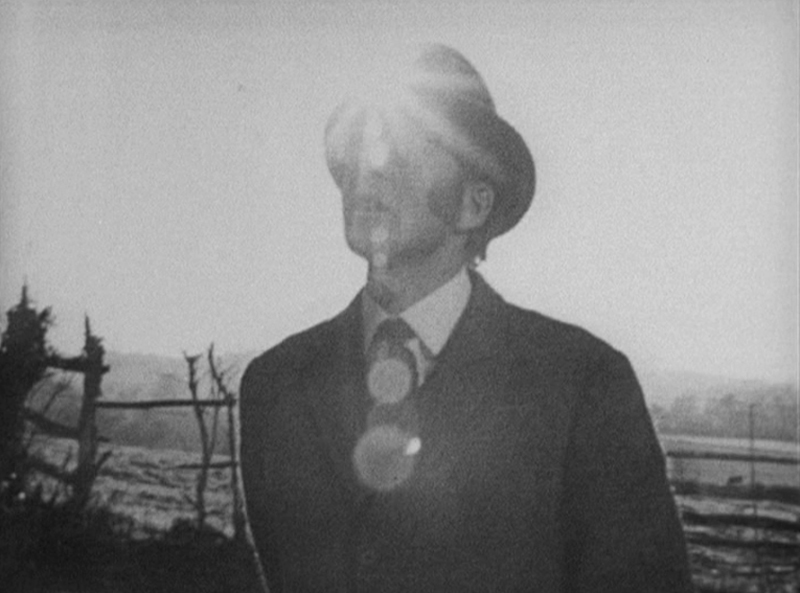
Secret Powers of Attraction: Folk Horror in its Cultural Context
Howard David Ingham
18 January 2018
Secret Powers of Attraction: Folk Horror in its Cultural Context
British “folk horror” was in many ways a phenomenon of the 1970s, but it has seen a massive revival of popularity in the last decade. What caused it to grow in the fields, forests and furrows of the 1970s and early 1980s? And why has it come back with such a vengeance?
In Secret Powers of Attraction, Howard David Ingham gives a broad overview of British folk horror in its time and space, and how popular interest in the occult creates the conditions for it to become a force in our collective imagination.
Howard’s overview of British folk horror is the starting point for an exploration into the cultural atmosphere of the 1970s and the present. If horror is a reaction to our culture, folk horror holds a mirror up to the concerns of the day. The politics and popular culture of both eras give ample space for folk horror to grow. Howard looks at period ephemera and cultural concerns of the time, drawing parallels with the present day. The Wicker Man and Ghost Stories for Christmas sprang from a world of TV astrologers and spiritualists in the national news, the National Front and the Three-Day Week; The Witch, Without Name and the films of Ben Wheatley come from the same milieu that brought us #witchesofinstagram, the return of the far right and Brexit. Secret Powers of Attraction explores how a world where the uncanny has become normal reflects itself in the horror genre, just as it did decades ago.
Secret Powers of Attraction begins with a look at the central filmic texts of the Folk Horror movement: Witchfinder General, Blood on Satan’s Claw and The Wicker Man, explores folk horror in the British TV play (including classics such as Robin Redbreast, the Exorcism, and The Stone Tape) and examines how folk horror tropes invaded popular TV, from Doctor Who to Robin of Sherwood. Finally, bringing the story into the present, Howard will look at the folk horror renaissance, including the films of Ben Wheatley and Peter Strickland, the rise of independent folk horror and the unexpected places it appears in popular culture right now.
Howard David Ingham
18 January 2018
Read more
18 January 2018
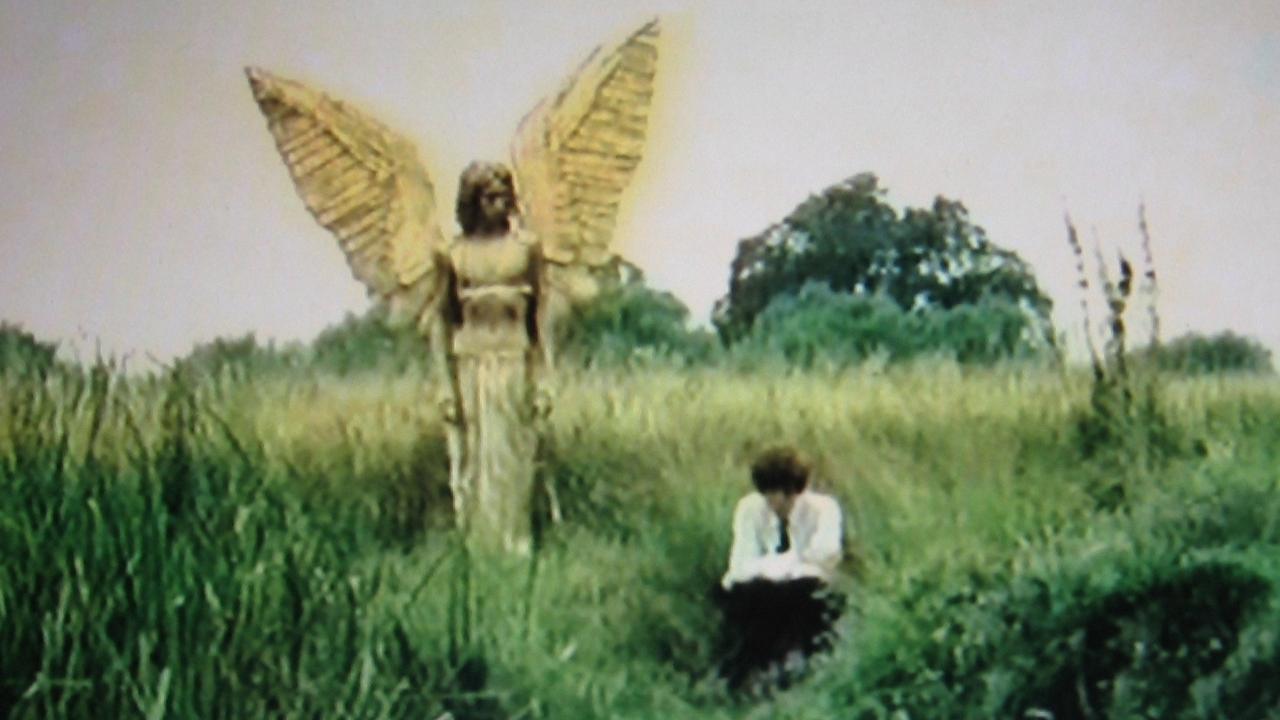
Sacred Disobedience: on ‘Penda’s Fen’ (NYC)
Sukhdev Sandhu
9 January 2018
Sacred Disobedience: on ‘Penda’s Fen’ (NYC)
Named after the last pagan king of England, David Rudkin/ Alan Clarke’s Penda’s Fen (1974) is deep heresy, an extraordinary piece of folk horror, a visionary film that is almost a foundational text in the pantheon of The Old Weird Albion. A clergyman’s son – agonistically, ecstatically – has his personal armour stripped away: parentage, nationality, sexuality, patriotism. He has encounters with an angel, a demon, the ghost of Edward Elgar, the crucified Jesus, and Penda himself. A radical archaeology of Deep England and a praise-song to anarchist transformation, it culminates with the most euphoric revelation in British cinema: “My race is mixed. My sex is mixed. I am woman and man, light with darkness, nothing pure.”
Only recently exhumed after having been out of circulation for forty years, Penda’s Fen has lost none of its power to bewitch and ensorcel. This illustrated talk by Sukhdev Sandhu, editor of The Edge Is Where The Centre Is, a limited-edition art book on the film, will explore its topographies and febrile contexts – experimental public broadcasting, avant-garde arcadias, the rural uncanny, a mid-70s Britain that teetered on the brink of civil war, the rise of eldritch England.
Sukhdev Sandhu
9 January 2018
Read more
9 January 2018
YULETIDE TERROR: CHRISTMAS HORROR ON FILM AND TELEVISION
Derek Johnston
14 December 2017
YULETIDE TERROR: CHRISTMAS HORROR ON FILM AND TELEVISION
For many, Christmas is an annual celebration of goodwill and joy, but for others, it’s a time to curl up on the couch in the dead of winter for a good old fashioned fright. The festive holiday season has always included a more somber side, and scary tales of child-stealing demons to ghost stories told ‘round the fireplace go back to pre-Christian celebrations. These long-standing traditions have found modern expression in the Christmas horror film, a unique and sometimes controversial subgenre that cheerfully drives a stake of holly through the heart of cherished Christmas customs.
To celebrate the release of Spectacular Optical’s new book Yuletide Terror: Christmas Horror on Film and Television, contributors Stephen Thrower and Derek Johnston will delve into the world of festive fright favourites and obscurities, from American Santa Slashers (and the ensuing controversies) to the quintessentially-English A Ghost Story for Christmas series, providing insight on these subversive film and television presentations that allow viewers to engage in different ways with the complicated cultural history of the Christmas season, while also examining literary precedents and the broader role of television and radio horror.
As part of this special event, we will also be premiering a new Christmas horror short film made to accompany the book by filmmaker Sean Hogan (THE DEVIL’S BUSINESS): a windswept ghost story set on England’s southeastern coast called WE ALWAYS FIND OURSELVES IN THE SEA.
Books will be available at the event.
Derek Johnston
14 December 2017
Read more
14 December 2017
YULETIDE TERROR: Christmas Horror on Film and Television (NYC)
Kier-La Janisse
12 December 2017
YULETIDE TERROR: Christmas Horror on Film and Television (NYC)
For many, Christmas is an annual celebration of goodwill and joy, but for others, it’s a time to curl up on the couch in the dead of winter for a good old fashioned fright. The festive holiday season has always included a more somber side, and scary tales of child-stealing demons to ghost stories told ‘round the fireplace go back to pre-Christian celebrations. These long-standing traditions have found modern expression in the Christmas horror film, a unique and sometimes controversial subgenre that cheerfully drives a stake of holly through the heart of cherished Christmas customs.
To celebrate the release of Spectacular Optical’s new book Yuletide Terror: Christmas Horror on Film and Television, contributors Michael Gingold (Rue Morgue) and Kier-La Janisse (House of Psychotic Women) will delve into the world of festive fright favourites and obscurities, from American Santa Slashers (and the ensuing controversies) to the quintessentially-English A Ghost Story for Christmas series, providing insight on these subversive film and television presentations that allow viewers to engage in different ways with the complicated cultural history of the Christmas season.
As part of this special event, we will also be premiering a new Christmas horror short film made to accompany the book by filmmaker Sean Hogan (THE DEVIL’S BUSINESS): a windswept ghost story set on England’s southeastern coast called WE ALWAYS FIND OURSELVES IN THE SEA.
Books will be available at the event.
Kier-La Janisse
12 December 2017
Read more
12 December 2017

Duane Jones: Race and Revolution in the Vietnam Era
David Austin
28 November 2017
Duane Jones: Race and Revolution in the Vietnam Era
This two-week course with Dave Austin and Mario DeGiglio-Bellemare examines the important place of the actor who played the now-iconic character of Ben in NIGHT OF THE LIVING DEAD (1968) and the lead in the experimental horror film, GANJA AND HESS (1973), as a figure embodying the revolutionary aspirations of the Vietnam era.
David Austin
28 November 2017
Read more
28 November 2017
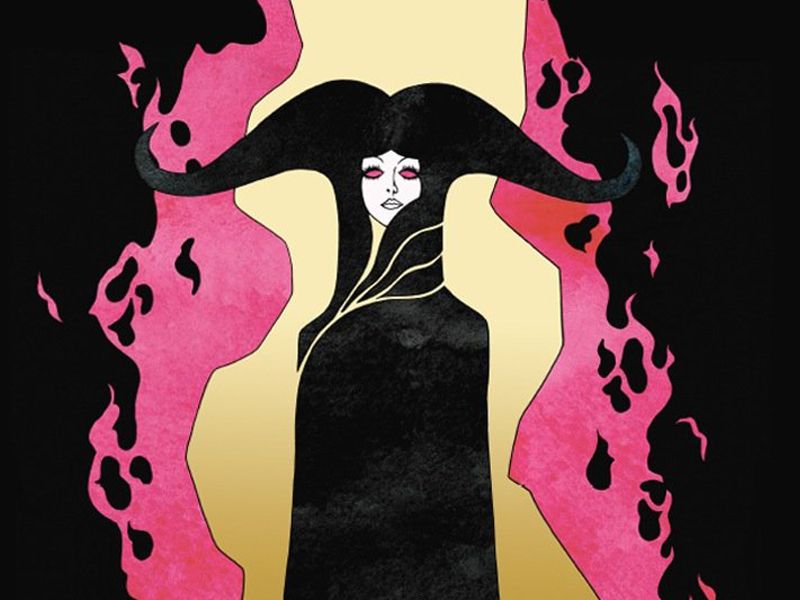
Witches, Sluts, Feminists: Exploring The Demon Feminine In Film (NYC)
Kristen J. Sollée
21 November 2017
Witches, Sluts, Feminists: Exploring The Demon Feminine In Film (NYC)
In art, literature, and film, the witch is a shapeshifter. She is a gruesome villain and a studious heroine, a spiritual guide and an enchanting seductress. The witch’s narrative can shift effortlessly, transforming her from vixen to hag and healer to hellion based solely upon who decides to tell her tale. But despite these disparate depictions, the witch’s presence is inextricably tied to patriarchal anxieties about powerful women and unruly female bodies: her representation always reflects or refutes societal perceptions about femininity.
In this illustrated talk, New School faculty member and author of <em>Witches, Sluts, Feminists: Conjuring the Sex Positive </em>Kristen J. Sollée will trace the witch in visual media from the early modern era through the present, examining her legacy as an icon of female power and persecution, and as a potent feminist symbol. Beginning with the 1922 Swedish film <em>Haxan</em> to offer perspective on the historical origins of the witch, the talk will include clips and analysis of Mario Bava’s 1960 film <em>Black Sunday</em> to examine what film theorist Barbara Creed calls “the monstrous feminine,” and TV classic <em>Bewitched</em> to offer visions of the “good witch” as the women’s liberation movement begins to coalesce in the early 1960s. Sollée will also use aspects of George Romero’s <em>Season of the Witch</em>, anime classic <em>Belladonna of Sadness</em>, <em>Lair of the White Worm</em>, <em>The Witches of Eastwick </em>and <em>The Craft</em> to analyze conceptions of female sexual expression, and Anna Biller’s <em>The Love Witch</em> to undress the witch through the female gaze.
By juxtaposing leading scholarly research on European and American witch hunts with art and pop occulture artifacts, this talk will delve into the complex legacy of the witch from past to present, exploring how the divine and demon feminine have been harnessed to both frighten and inspire diverse audiences for decades.
<iframe width=”560″ height=”315″ src=”https://www.youtube.com/embed/k2XP8qkRz5A” frameborder=”0″ allowfullscreen></iframe>
Kristen J. Sollée
21 November 2017
Read more
21 November 2017