MIS
KA
TON
IC
Institute of
Horror Studies
Archive
Archive
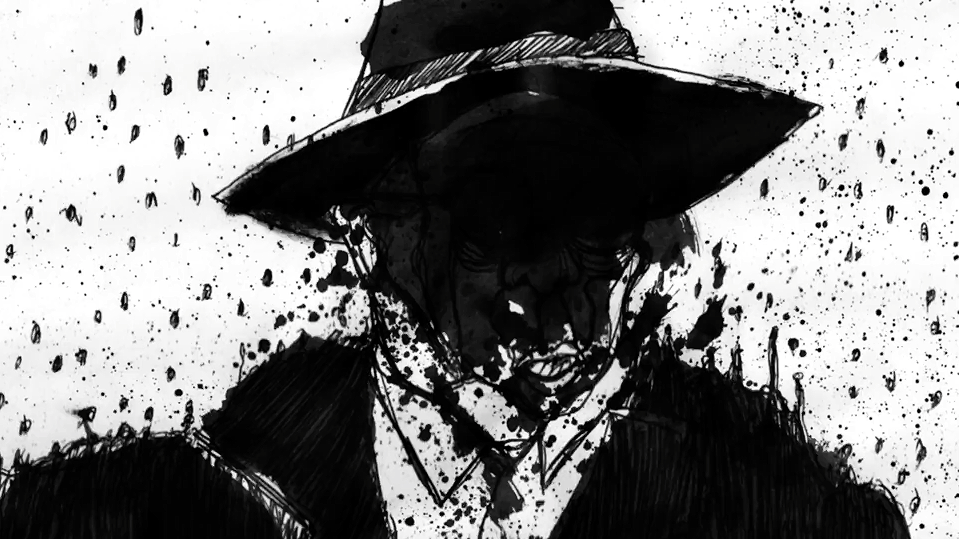
INTO THE DARK: THE MONSTERS AND NIGHTMARES OF HORROR ANIMATION
Nag Vladermersky
9 November 2017
INTO THE DARK: THE MONSTERS AND NIGHTMARES OF HORROR ANIMATION
Just added: Animators Robert Morgan (BOBBY YEAH) and Chris Shepherd (DAD’S DEAD) will appear at the class in person to discuss their work!
Too little attention has been paid to animated horror and yet animation is uniquely qualified as an art form to fully explore all our fears and anxieties, through visuals crafted by some of the most creative imaginations on the planet. In this illustrated talk, Nag Vladermersky, Director of the London International Animation Festival, will look at the specific forms that horror takes in animation, digging deep into the bowels of the extensive LIAF archive to unearth some of the darkest, weirdest and hellish gems that have screened at the festival over the last 14 years.
Among several short films rarely screened outside of the film festival circuit, he will explore the cruel and casual violence seen in the films of local animators Chris Shepherd (Dad’s Dead) and stop-motion puppet master Robert Morgan (Bobby Yeah) alongside the terrifying visions and otherworldly sinister CG terrains of Dutch animator Rosto (Lonely Bones), the ultra-creepy, bizarre monsters created by Pieter Coudijzer (Beast!) and race issues in the American South circa 1919 as depicted by Einar Baldwin (The Pride of Strathmoor).
Above: Robert Morgan’s BOBBY YEAH (2011)
Chris Shepherd’s DAD’S DEAD (2015)
Nag Vladermersky
9 November 2017
Read more
9 November 2017
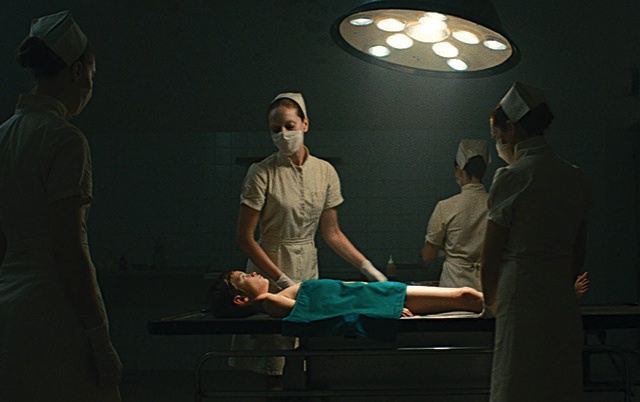
DAUGHTERS OF DARKNESS: WOMEN HORROR DIRECTORS
Alanna Thain
17 October 2017
DAUGHTERS OF DARKNESS: WOMEN HORROR DIRECTORS
In this five-week course, five different instructors focus on issues related to women’s and gender issues in horror. Topics include horror films by female directors, feminist horror, feminist readings of horror, and female performances of abjection in horror. Films include CARRIE (Brian De Palma, 1976), TÉSIS (Alejandro Amenábar, 1996), JENNIFER’S BODY (Karyn Kusama, 2009), THE BABADOOK (Jennifer Kent, 2014), and EVOLUTION (Lucile Hadžihalilović, 2015).
Tuesday nights, 7-10pm
17 October – Kristopher Woofter, on CARRIE (1976)
24 October – Alanna Thain, on EVOLUTION
31 October – Halloween Break
7 November – Rosanna Maule, on TÉSIS
14 November – Karen Herland, on THE BABADOOK
21 November – Anne Golden, on JENNIFER’S BODY
Alanna Thain
17 October 2017
Read more
17 October 2017
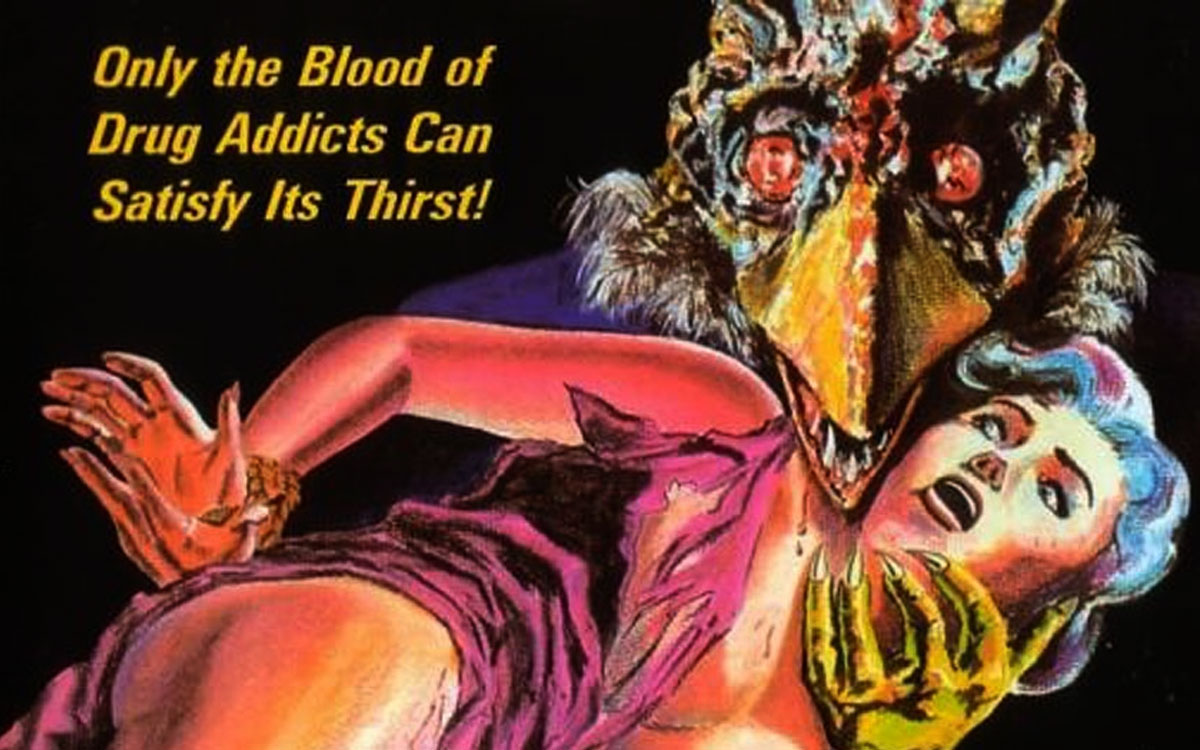
VIDEO DUNGEON: HOW TO TALK ABOUT ‘PSYCHOTRONIC CINEMA’
Kim Newman
12 October 2017
VIDEO DUNGEON: HOW TO TALK ABOUT ‘PSYCHOTRONIC CINEMA’
In his introduction to the important collection of film essays King of the Bs, Todd McCarthy quotes Andrew Sarris’s dictum ‘eventually we must speak of everything if there is enough time and space and printer’s ink’. Sarris was working up to an assessment of Edgar G. Ulmer’s Daughter of Dr Jekyll (1958).
In his new book Video Dungeon, Kim Newman has written about ten sub-categories of ‘everything’ – from found footage and Bigfoot movies through the weirder appearances of Frankenstein and Dracula and group-of-random-strangers-wake-up-in-a-trap pictures to Weird Hippie Shit and made-for-cable CGI mutant shark or snake attack cinema.
To launch the book, Kim will be talking about critiquing films some reckon beyond or beneath or outside criticism, illustrated with clips from the weirdest and rarest films. He will consider critical approaches to what Michael Weldon calls ‘Psychotronic Cinema’ and less perceptive souls write off as ‘junk’.
He’ll look at the Golden Turkey/Mystery Science Theatre brand of snark, the engaged approach of John Bloom writing as Joe Bob Briggs, fanzine legends like Bill Landis (Sleazoid Express), the cataloguing frenzy of Video Watchdog, academic and personal approaches from Carol Clover and Kier-La Janisse and curatorships like Cigarette Burns, the Final Girls and the Miskatonic Institute itself.
Kim Newman
12 October 2017
Read more
12 October 2017
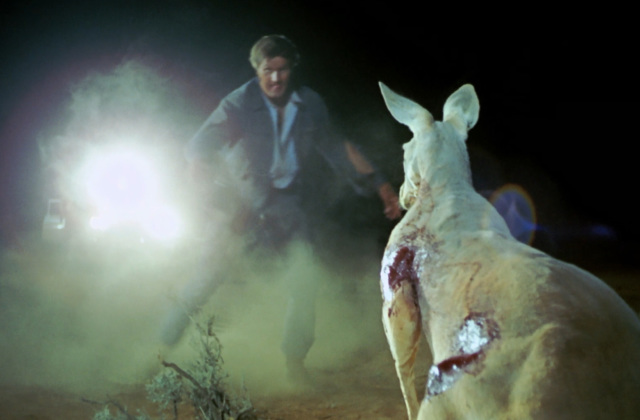
AUSTRALIAN HORRORSCAPES
Melanie Ashe
26 September 2017
AUSTRALIAN HORRORSCAPES
Animals that kill, barren desert landscapes, and brash local culture: myths regarding Australia’s danger persist on an international scale. This course will examine how these narratives inhabit the landscape in Australian horror film, drawing material from the inventive ‘Ozploitation’ of the 1970s, the historically canonized art-cinema of the same time, and the more recent cycle of Australian horror films. In order to investigate how the horror-landscape is constructed and utilized within these examples, we will interrogate space and formal elements such as lighting, mise-en-scène and sound. To scrutinize the national mythologies behind these landscapes, and to question how genre is employed to project fears from and of colonial Australia, we will consider the historical, political and industrial contexts around the production of these films. We will ask how these films engage with Australian Indigenous and settler histories, myths of nationhood and national cinemas, and the ‘wilderness’ versus ‘culture’ binary. Films that may be included are WAKE IN FRIGHT, RAZORBACK, PICNIC AT HANGING ROCK, THE LONG WEEKEND, WOLF CREEK, HOWLING III: THE MARSUPIALS, NIGHT CRIES, CARS THAT ATE PARIS, ROGUE, DARK AGE, MYSTERY ROAD, WYRMWOOD.
Melanie Ashe
26 September 2017
Read more
26 September 2017
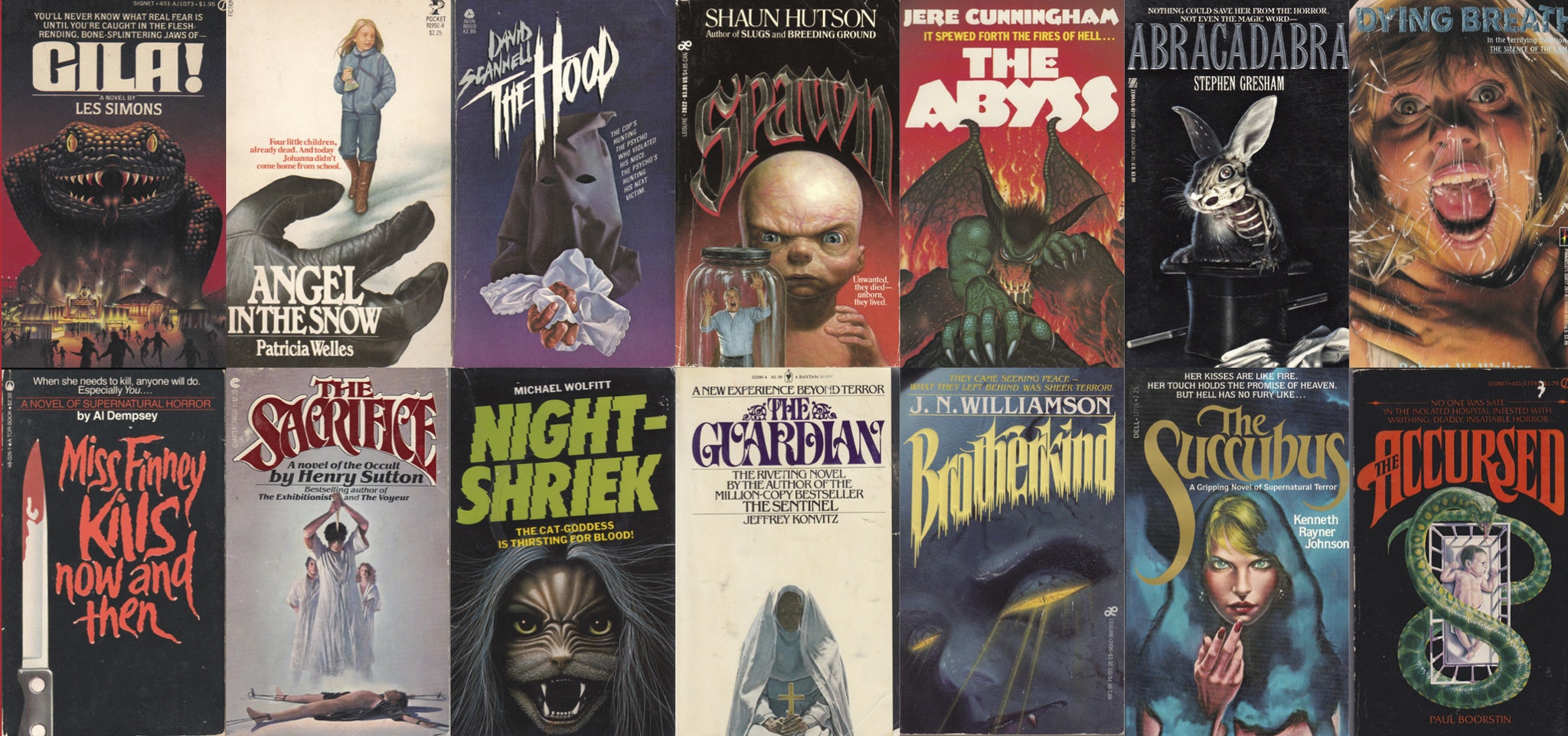
PAPERBACKS FROM HELL – with Grady Hendrix and Special Guests! (NYC)
Grady Hendrix
19 September 2017
PAPERBACKS FROM HELL – with Grady Hendrix and Special Guests! (NYC)
*PLEASE NOTE THIS EVENT IS SOLD OUT*
In the early ’70s, three books changed horror forever: “Rosemary’s Baby,” “The Exorcist,” and “The Other.” The first horror novels to hit bestseller lists since 1940, they opened the floodgates for an avalanche of horror paperbacks to flood supermarket and drugstore shelves throughout the ’70s and ’80s, before “Silence of the Lambs” slit the genre’s throat in the early ’90s.
Fresh off last year’s one-man show, SUMMERLAND LOST, Grady Hendrix delivers a mind-melting oral history of this wild and woolly world of Nazi leprechauns, skeleton doctors, killer crabs, killer jellyfish, and killer fetuses, featuring hair-raising readings, a William W. Johnstone quote-off, and more tales of terrifying tots, tricycles, clowns, puppets, and heavy metal bands than should be strictly legal. Prepare yourself for a tour of this long-lost universe of terror that lurked behind the lurid, foil-embossed, die-cut covers of… the Paperbacks from Hell!
PLUS! Following Grady’s illustrated presentation will be a live round table discussion and Q+A with several artists who painted the book covers under discussion, including:
Jill Bauman – if you’ve seen a doll on a horror paperback cover, it was probably painted by Jill Bauman. A longtime fan favorite, she has illustrated covers for everyone from Harlan Ellison, to Ramsey Campbell, to Dean Koontz, Stephen King, and Peter Straub.
Lisa Falkenstern – award-winning artist, Lisa Falkenstern, has painted some of the most memorable horror covers in the business, and she was the regular VC Andrews cover artist for 15 years.
Thomas Hallman – still painting book covers today, Tom Hallman’s distinctive style has graced everything from forgotten creature horror novels like Gila! to popular paperbacks like Stephen King’s The Green Mile.
Grady Hendrix
19 September 2017
Read more
19 September 2017

VIRGINS & VAMPIRES: GOTHIC DAMSELS AND FINAL GIRLS IN THE CINEMA OF JEAN ROLLIN
Marcelle Perks
14 September 2017
VIRGINS & VAMPIRES: GOTHIC DAMSELS AND FINAL GIRLS IN THE CINEMA OF JEAN ROLLIN
Mixing art cinema, fantastique and exploitation, Jean Rollin created a unique cinematic world, transgressive and oneiric, and dominated by the feminine. His films, steeped in the roman noir of the 18th and 19th century via his love for Surrealism, are peopled by damsels in distress who reveal themselves much less vulnerable than they initially appear.
Electric Sheep editor Virginie Sélavy will look at the way in which Rollin’s films use Gothic motifs such as the castle and the vampire to question social and moral norms and subvert conventional gender expectations. She will also explore the conflation of exploitation and aesthetic vision in his work, and the insight it offers into the tensions around the representation of the female body in the sexual liberation era.
Longtime genre critic Marcelle Perks will investigate Final Girl strategies in the films of Rollin, looking at the ways his predominantly female protagonists depart from the tropes emerging from the slasher films of the time, as analyzed by Carol Clover in her 1987 essay Her Body, Himself, which became the basis of the seminal Men, Women and Chainsaws. Perks will also examine Rollin’s unique approach to concepts of contagion and infection, with an emphasis on Les raisins de la mort (1978) and La nuit des traquées (1980).
Both Marcelle Perks and Virginie Sélavy contributed to the new book LOST GIRLS: THE PHANTASMAGORICAL CINEMA OF JEAN ROLLIN, edited by Samm Deighan and written by entirely women critics, scholars and film historians, which will be available for sale at the screening.
Marcelle Perks
14 September 2017
Read more
14 September 2017
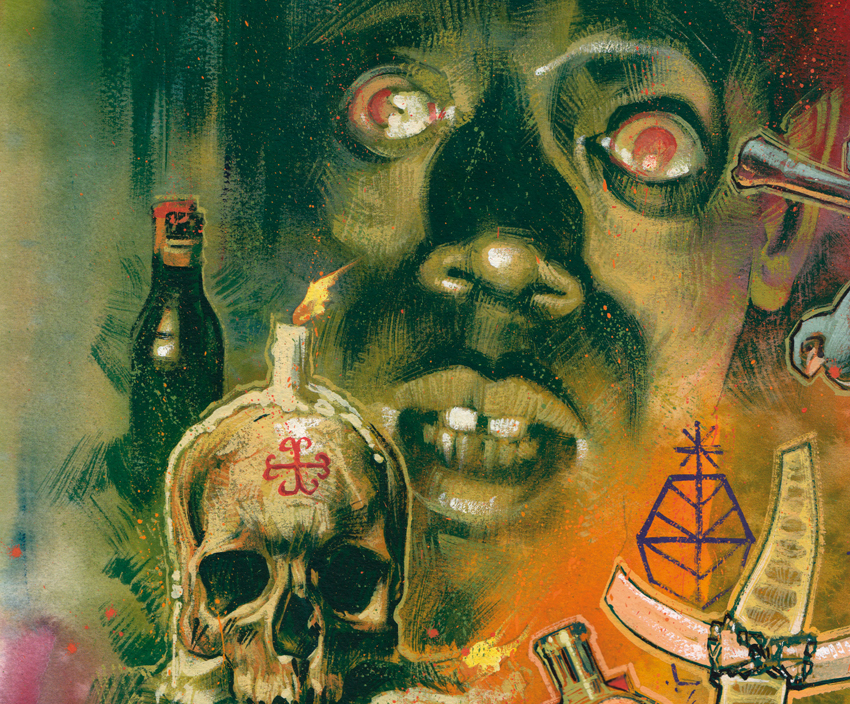
Chimerical Optics: Haiti, Colonialism and Voodoo Terror
John Cussans
18 May 2017
Chimerical Optics: Haiti, Colonialism and Voodoo Terror
Since the first descriptions of bizarre ceremonies witnessed by the French colonial historian Moreau de Saint-Méry, Haitian Vodou has been characterized by most European and American commentators as a deplorable and dangerous African atavism that, if allowed to flourish, could eventually corrupt and destroy the economic and social order of the New World. Such omens were spectacularly affirmed by the Haitian Revolution of 1791, which, according to legend, was triggered by a Vodou ceremony in which a blood-sacrifice was offered to the “demon gods”, and the slaves, in a state of trance-like possession, butchered their white masters in a “racial holocaust”. Since then Haiti has held a special place in colonial imaginings of all that is macabre, sinister and maniacally savage, a land of irredeemable barbarism and “Voodoo Terror”. This class will trace a history of such representations, discussing how they continue to shape xenophobic and neo-colonial imaginings of Haiti as a country mired in superstition and incapable of enlightened self-governance, and the importance of the zombie figure for these “chimerical optics”.
Copies of Cussans’ new book “Undead Uprising: Haiti, Horror and the Zombie Complex” from Strange Attractor Press will be available to purchase at the event for a specially discounted launch price.
John Cussans
18 May 2017
Read more
18 May 2017
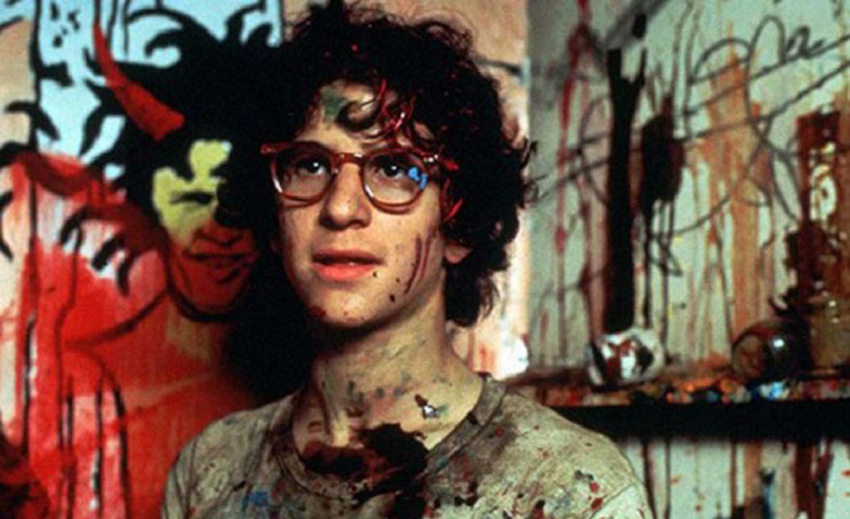
Tele-terrors: The Real and Imagined Horrors Inside the Made for Television Movie
Amanda Reyes
20 April 2017
Tele-terrors: The Real and Imagined Horrors Inside the Made for Television Movie
Often considered the bastard step-child of the theatrical motion picture, TV movies have long been relegated to the dusty corners of our childhood memories. However, despite its scorned status, telefilms could be thoughtful and, at times, subversive. And, in this compact, mass marketed form, the TV movie reached millions of viewers, generated discussion, and aided in the development of our collective consciousness.
Some of the dismissive tone of critics may come from the fact that made for TV films look surprisingly superficial, relying heavily on B movie film techniques to produce and market themselves. Using tawdry titles such Satan’s School for Girls (1973) or salacious taglines like, “He’s found the perfect prey… A young defenseless human” (Savages, 1974), telefilms sought to grab audiences by any means necessary. And, it was this desire to entertain and win Nielsen rating points that allowed the medium to cross over into a wide spectrum of sub-genres, tackling everything from the supernatural to the very real terrors of everyday life. This lecture offers an exploration into several facets of the made for television movie, surveying its cultural touchstones and analyzing the influence the telefilm had on Americans during the run of the network made for television movie produced between 1964 – 1999.
This class will be taught by visiting TV scholar Amanda Reyes, along with Jennifer Wallis and Miskatonic founder Kier-La Janisse, who both contributed to her new book Are You in the House Alone? A TV Movie Compendium 1964-1999 from Headpress, who will have copies available for sale at the event.
Amanda Reyes
20 April 2017
Read more
20 April 2017
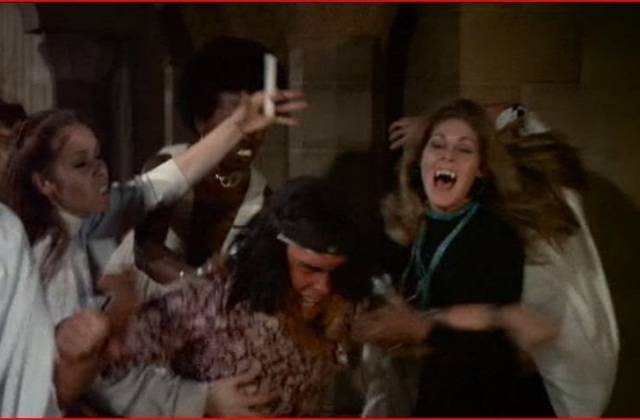
CALIFORNIA SCREAMING: WEST COAST CULT HORROR
Michael Wood
21 March 2017
CALIFORNIA SCREAMING: WEST COAST CULT HORROR
Joining us to wrap up our 7th year is our “Final Guy,” Mike Wood, with three weeks of “California Screaming: West Coast Cult Horror.” Mike, a historian and archaeologist by profession—and expert on Indonesian culture, history and politics—has been devouring films like PSYCH-OUT (1968), COUNT YORGA, VAMPIRE (1970), and MEPHISTO WALTZ (1971), since he was in his teens. In this course, he turns his youthful cinephilia into an exploration of the alternative religious movements and cults in 1960s and 1970s California—perhaps most notoriously represented by Charles Manson and Jim Jones, and their followers—that spawned a whole subgenre of films.
Michael Wood
21 March 2017
Read more
21 March 2017
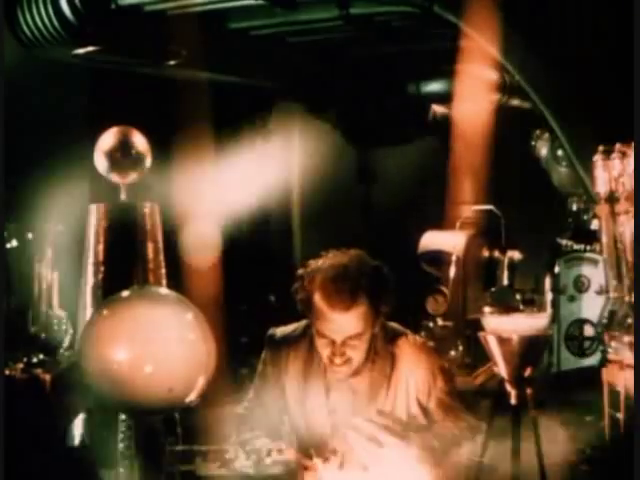
Synthetic Flesh/Rotten Blood: The Turn to Gruesomeness in American Horror Films, 1931-1936
Jon Towlson
16 March 2017
Synthetic Flesh/Rotten Blood: The Turn to Gruesomeness in American Horror Films, 1931-1936
‘Too dreadfully brutal, no matter what the story calls for […] it carries gruesomeness and cruelty just a little beyond reason or necessity.’ – Review of Frankenstein, Motion Picture Herald, 1931;
‘The type of picture that brought about censorship.’ – Review of Mad Love, Motion Picture Herald, 1935;
‘Quite the most unpleasant picture I have ever seen […] it exploited cruelty for cruelty’s sake.’ – Review of The Raven, London Daily Telegraph, 1935;
Is the thirties horror film more akin to graphic modern horror than is often thought?
Critics have traditionally characterised classic horror by its use of shadow and suggestion. Yet the graphic nature of early 1930s films only came to light in the home video/DVD era. Along with gangster movies and ‘sex pictures’, horror films drew audiences during the Great Depression with sensational screen content. Exploiting a loophole in the Hays Code, which made no provision for on-screen ‘gruesomeness’, studios produced remarkably explicit films that were recut when the Code was more rigidly enforced from 1934. This led to a modern misperception that classic horror was intended to be safe and reassuring to audiences.
Taking a fresh look at the genre from 1931 through 1936, this class examines ‘happy ending’ horror in relation to industry practices and censorship. Early works like Murders in the Rue Morgue (1932) and The Raven (1935) may be more akin to the modern Grand Guignol of The Texas Chain Saw Massacre (1974) and Hostel (2005) than many critics believe.
Tracing the development of classic horror to the deployment — and subsequent censorship — of on-screen ‘gruesomeness’, Jon Towlson will illustrate the discussion with memos, letters and censorship reports from the studio archives and other research conducted for his new book, The Turn to Gruesomeness in American Horror Films, 1931-1936 (McFarland, 2016). Aspects of the topic to be covered in the class will include:
The emergence of the 1930s cycle in an industrial context, showing how various stresses during the Great Depression, such as censorship controversy over sex and crime films, declining audiences and growing opposition to unfair business practices, formed a backdrop of ideological rupture and contradiction in the lead up to horror’s first golden age;
The ways in which cash-strapped studios pushed for increasingly gruesome and sensational screen content to attract audiences, whilst simultaneously placating the Hays Office with moral endings; critics of the genre at the time called such studio tactics ‘Five Reels of Transgression Followed by One Reel of Retribution’;
The pervasive influence of Grand Guignol on the thirties cycle: how filmmakers deployed gruesomeness and brutality through the use of offscreen space, monster make-up, sound, and shadow play;
The changing ways in which the Hays Office responded to gruesomeness in the 1930s, from relatively light interference in the early days to heavily influencing the allowable level of gruesomeness from July 1934 following the Reaffirmation of the Production Code;
How pre-Code horror films were censored for reissue after 1935, and the implications of these becoming the only known versions by a whole generation of fans in the 1950s/1960s;
Why many modern critics have misread the 1930s cycle, and how a re-evaluation of thirties horror based on its transgression has only recently begun to take place.
The class will be illustrated with clips and/ or studio archive material from canonical films like Frankenstein (1931), Dr. Jekyll and Mr. Hyde (1931), The Most Dangerous Game (1932), Dr. X (1932), Island of Lost Souls (1933), Murders in the Zoo (1933), Mad Love (1935), Dracula’s Daughter (1936) and The Walking Dead (1936); as well as from such lesser known titles as Night of Terror (1933), The Monkey’s Paw (1933), Maniac (1934), Black Moon (1934), The Ghost Walks (1934), The Clairvoyant (1935), Condemned to Live (1935), Le Golem (1936) and The Human Monster (1940).
Jon will be signing copies of his book, The Turn to Gruesomeness in American Horror Films, 1931-1936 after the class.
“Ridiculously informative […] This is not only one of the best horror history books I’ve read this year, but stands as one of the best on the golden age ever written” – Gavin Schmitt, THE FRAMING BUSINESS
Jon Towlson
16 March 2017
Read more
16 March 2017