MIS
KA
TON
IC
Institute of
Horror Studies
Archive
Archive
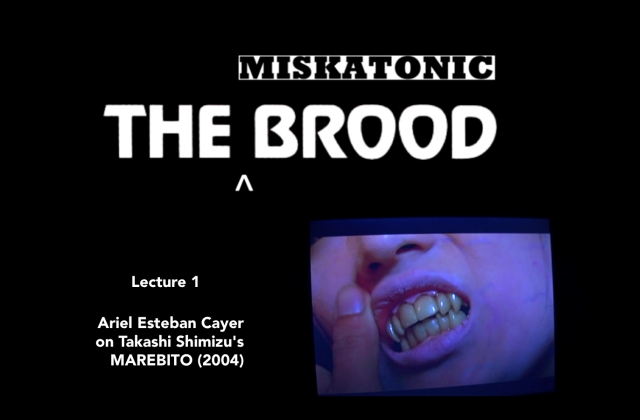
THE MISKATONIC BROOD presents...
7 March 2017
THE MISKATONIC BROOD presents...
Over our seven years in existence, Miskatonic-Montréal has seen some of our students go on to be film festival programmers, journalists, and career scholars. The “Miskatonic Brood” is a lecture series dedicated to these voices, featuring presentations by current and former Miskatonic-Montréal students on horror-related topics of interest to them.
Lecture 1: Ariel Esteban Cayer on Takashi Shimizu’s MAREBITO (UNIQUE ONE)
From the creator of the JU-ON series (2000, 2002, 2003), MAREBITO conceptualizes “fear” not so much as a negative affect, but rather as a positive one: an opening up, a potentiality, a force. When harnessed by capture technologies, fear becomes an event that opens up new worlds and new visions … which may or may not lead to madness. Looking at the film through the writings of Brian Massumi, Cayer will help us to locate the film’s importance in the influential J-horror cycle, as well as its function as a hypertext that brings together various mythologies and influences: the Japanese urban landscape, the scopophilia of films such as PEEPING TOM, the works of H.P. Lovecraft, Hollow Earth theories, the vampire mythos, and more.
7 March 2017
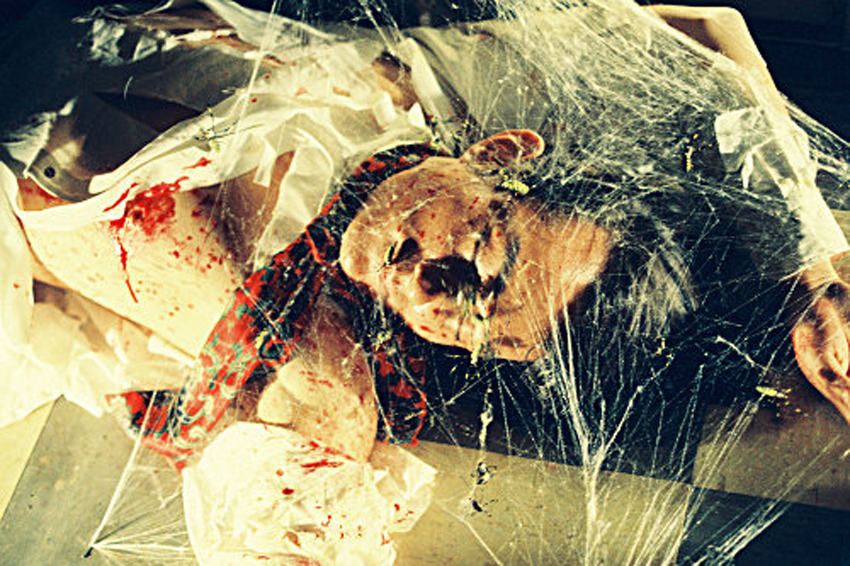
Lost Treasures of Japanese Genre Filmmaking
Jasper Sharp
16 February 2017
Lost Treasures of Japanese Genre Filmmaking
Very little of Japan’s vast cinematic output has made it onto foreign shores, perhaps not too surprising given that its industry stretches right back to the genesis of the medium and turns out on average about 500 titles a year. Genres such as sci-fi, horror and fantasy have generally been well represented abroad, but the boom in J-horror films in the wake of titles such as The Ring (1998) and Audition (1999) have crowded out discussions about how and when the fantastique first took root in Japanese cinema.
In this illustrated talk Jasper Sharp will explore the out reaches of Japanese fantasy cinema, from the embryonic trick films of “The Father of Japanese Film” Shozo Makino through oddball homegrown sub-genres such as the prewar “ghost cat” (bakeneko or kaibyô) films and the ama cycle of sexy pearl diver films such as Girl Divers at Spook Mansion (1959), some long-lost Japanese takes on the movie monsters of Universal Studios, the pink film-horror of directors like Tetsuji Takechi and Kinya Ogawa and much, much more, all peppered with a liberal amount of clips of some truly bizarre titles that remain either unseen or unseeable to modern audiences outside of the country.
Jasper Sharp
16 February 2017
Read more
16 February 2017
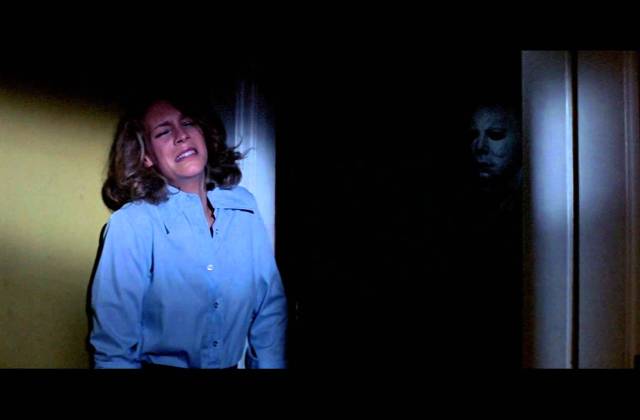
SLASHER THEORY: REASSESSING AN UNDERVALUED SUBGENRE
Anne Golden
24 January 2017
SLASHER THEORY: REASSESSING AN UNDERVALUED SUBGENRE
Miskatonic-Montréal goes back to “basics” with this six-week course taught by five different instructors. In the first class, all five instructors will weigh in on Alfred Hitchcock’s PSYCHO (1960) as an urtext for the Slasher film, with an eye towards the later film they have selected. From there, each instructor will trace a Slasher genealogy extending from PSYCHO’s monstrous feminine(s) through a host of the subgenre’s most influential (or notorious) entries.
24 January: PSYCHO (1960, Alfred Hitchcock)
31 January: HALLOWEEN (1978, John Carpenter)
7 February: FRIDAY THE 13TH (1980, Sean S. Cunningham)
14 February: A NIGHTMARE ON ELM STREET 2: FREDDY’S REVENGE (1985, Jack Sholder)
21 February: SLEEPAWAY CAMP (1983, Robert Hiltzik)
28 February: EYES OF LAURA MARS (1978, Irvin Kershner)
Anne Golden
24 January 2017
Read more
24 January 2017
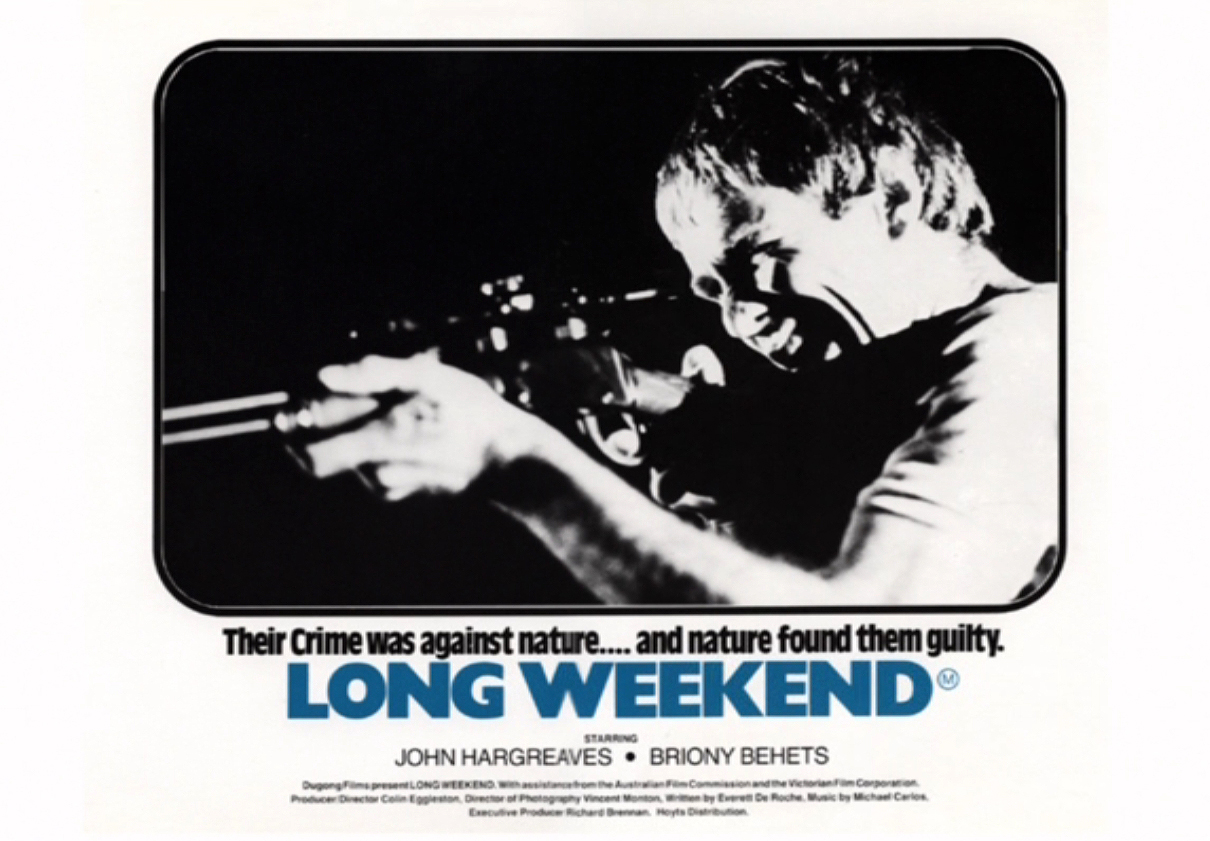
"Nature Found Them Guilty": Revenge in Australian Exploitation Cinema
Lindsay Hallam
19 January 2017
"Nature Found Them Guilty": Revenge in Australian Exploitation Cinema
In the 1970s the Australian film industry underwent a boom that is still unprecedented to this day, experienced two-fold with a strain of respectable arthouse period dramas, and a bunch of down-and-dirty, violent and sexy exploitation films. This lecture will explore how Australian horror cinema of this period incorporates a subversive streak that critiques Australian history and culture through the theme of revenge. It is a theme that is prevalent throughout these films, in particular in the spate of eco-horror films, exemplified by the likes of Long Weekend (1978), and Razorback(1984), where nature itself, often in the form of a rampaging nonhuman animal, seeks to avenge the past exploitation and abuse perpetrated against the land and its native inhabitants.
As well as nature seeking revenge, the fight for survival against human or supernatural forces is also presented in films such as Wake in Fright (1971), The Cars That Ate Paris (1974), The Last Wave (1977) Patrick (1978), Roadgames (1981), and Fair Game (1986), and vengeance even comes from beyond the grave in Next of Kin (1982) and BeDevil (1993). Given that Australia’s colonial past is one that encompasses genocide of the indigenous population, mass animal extinction, environmental destruction, and the glorification of masculine ‘mateship’ that carries a nasty undercurrent of misogyny, this lecture will discuss how it is in these revenge narratives that the darker aspects of Australian national identity are explored and indicted. The class will further investigate how this fascination with revenge for past (and present) wrongs still continues in contemporary Australian genre cinema, in films such as Dying Breed (2006), The Horseman (2008), The Loved Ones (2009), Mad Max: Fury Road (2015) and Red Christmas (2016).
Lindsay Hallam
19 January 2017
Read more
19 January 2017
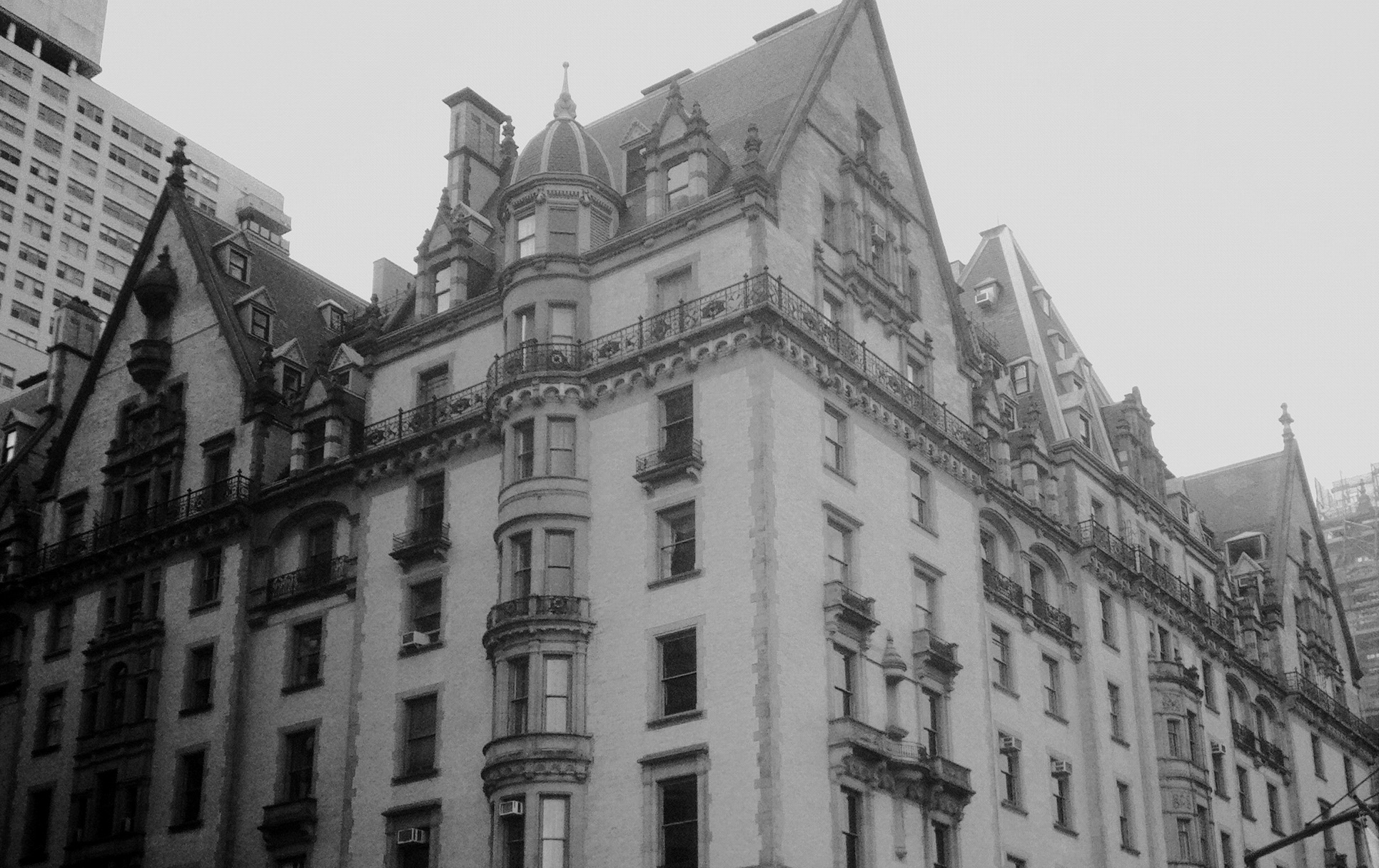
The New York State of Horror (NYC)
Michael Gingold
8 December 2016
The New York State of Horror (NYC)
For decades, the provinces of screen horror were European castles and villages, and Southwest/California towns and deserts—until 1968’s ROSEMARY’S BABY, when terror moved into the Big Apple and never left. This class will chronicle the history of Manhattan and the surrounding boroughs in genre cinema, addressing many specific titles—from expensive studio fare to down-and-dirty independents—lensed on and under its streets, classic and recurring locations, and how the many sides of the city were explored and exploited by filmmakers. Resident auteurs such as Larry Cohen, Abel Ferrara, Frank Henenlotter and William Lustig will be addressed, as will the ways in which New York City-set scare flicks reflected the changes in the city itself over the years.
Michael Gingold
8 December 2016
Read more
8 December 2016
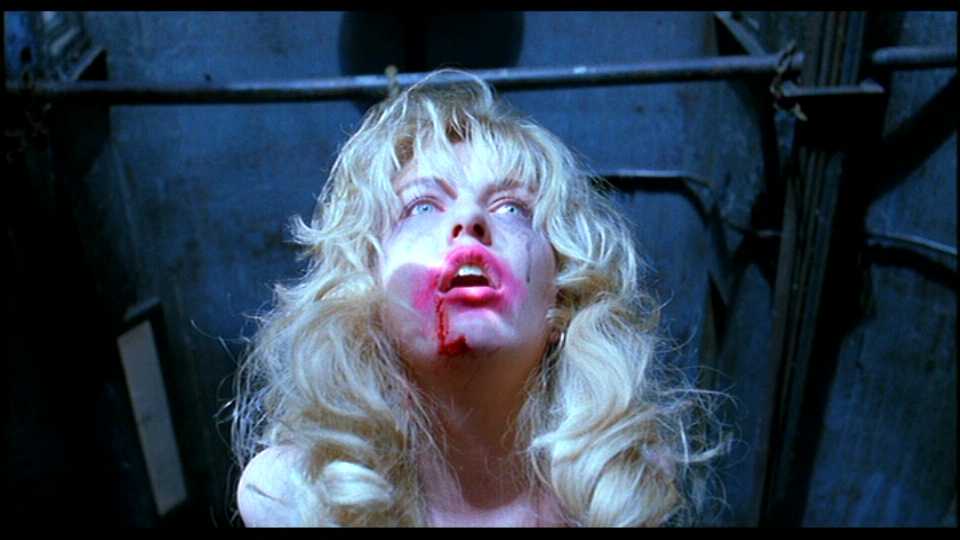
Working the Blue Rose Case: Signs, Codes, and Mysteries in David Lynch's 'Fire Walk With Me'
Maura McHugh
8 December 2016
Working the Blue Rose Case: Signs, Codes, and Mysteries in David Lynch's 'Fire Walk With Me'
FIRE WALK WITH ME (1992, directed by David Lynch and co-written with Robert Engels) was created to address unanswered questions in the seminal TV series TWIN PEAKS (1990-91), but instead it offered more puzzles and dream narratives to confound viewers. Its premiere in Cannes was met with boos and jeers from the audience, but over the years critical opinion of this challenging film has matured and developed. Maura McHugh will explore the symbols and themes that underpin FIRE WALK WITH ME and TWIN PEAKS, and will offer you a refresher course in its characters and strange happenings in advance of the new series of TWIN PEAKS which will materialise in 2017.
Maura McHugh
8 December 2016
Read more
8 December 2016
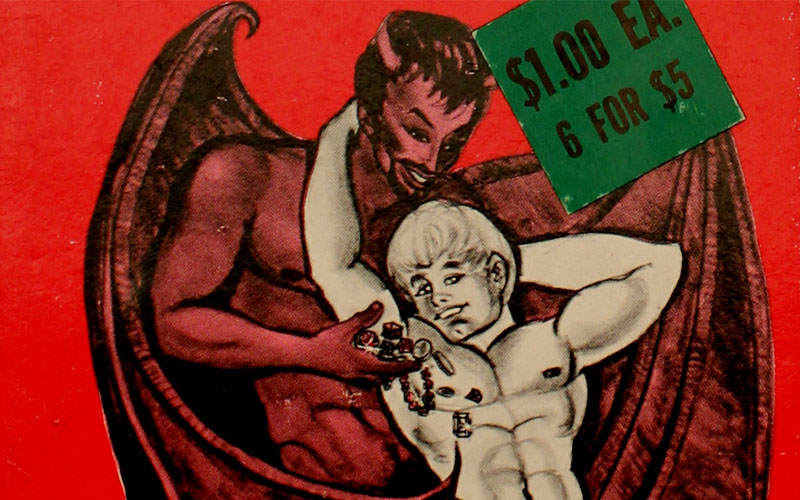
Monsters in the Closet: Gay Pulp Horror in the 1970s (NYC)
Maitland McDonagh
17 November 2016
Monsters in the Closet: Gay Pulp Horror in the 1970s (NYC)
Monsters in the Closet examines the intersection between gay erotic novels of the 1970s and the conventions of genre fiction formulas that lent themselves to sexually explicit variations, which adults-only publishers mined with exemplary vigor. I began collecting them not for the colorful covers but because they were windows onto a world of familiar stories with a twist, like the European exploitation movies I sought out in Times Square. I gravitated towards horror and thrillers, a natural adult-novel match—consider the phrase “scared stiff”—that produced tales of gay vampires, psycho killers, demonic possession and restless spirits no closet can contain.
And while these books are pulp fictions through and through, they’re far from unsophisticated: The teaser for Vampire’s Kiss, in which a tediously ordinary, suburban wage slave chronicles his induction into the world the queer undead, wonders disingenuously whether he’s “a vampire?—Or… merely rationalizing his homosexuality?” Free of the scrutiny afforded gay literary novels, gay pulps dared to be cheeky, to riff on pop culture and flirt with subversiveness: Gay Vampire gives a shout out to supernatural soap opera Dark Shadows, the thriller Man Eater to every dark tale of mirror-image cops and criminals… gay pulps shone a light under the bed, into the corner and, yes, the closets, calling out the monsters in all their fabulous freakiness.
Maitland McDonagh
17 November 2016
Read more
17 November 2016
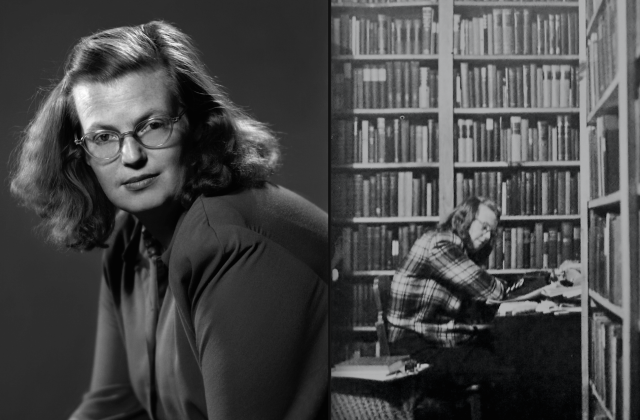
SHIRLEY JACKSON'S WEIRD
Kristopher Woofter
15 November 2016
SHIRLEY JACKSON'S WEIRD
With “Shirley Jackson’s Weird,” Miskatonic-Montréal celebrates the 100th birthday of Shirley Jackson, one of the grandmothers of literary horror. This three-week course is devoted to the work of the reclusive Vermont author whose brutal short story, “The Lottery,” still holds the record for the most letters of protest sent to THE NEW YORKER for publishing it. Come along with instructor Kristopher Woofter as we walk through the haunted spaces of Jackson’s four major works: THE LOTTERY AND OTHER STORIES (1949), and her “uncanny house trilogy,” THE SUNDIAL (1958), THE HAUNTING OF HILL HOUSE (1959), and WE HAVE ALWAYS LIVED IN THE CASTLE (1962). A bestseller in her time, and a major influence on authors like Stephen King and Joyce Carol Oates, Jackson’s work has gone relatively unacknowledged by scholarship that relegates her to obscurity. Jackson’s body of work varied from domestic satire in her darkly humorous memoirs RAISING DEMONS and LIFE AMONG THE SAVAGES), to young-adult fiction (THE WITCHCRAFT OF SALEM VILLAGE), to uncanny psychological studies (THE ROAD THROUGH THE WALL, THE BIRD’S NEST), to her most popular work in the realm of horror and the weird. This course brings Jackson back to acknowledge her place as one of America’s—and without question one of horror’s—greatest writers. This course will feature a screening of Robert Wise’s stunning Jackson adaptation, THE HAUNTING (1963).
Kristopher Woofter
15 November 2016
Read more
15 November 2016
Little Terrors: Children's Horror on Film and Television
Catherine Lester
10 November 2016
Little Terrors: Children's Horror on Film and Television
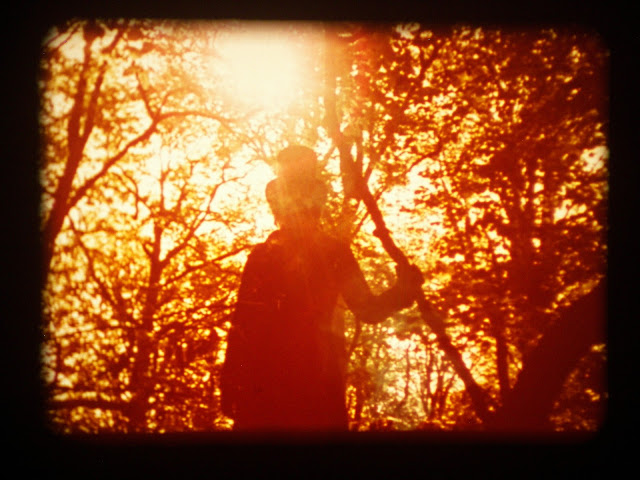
Children and horror: two things that are usually not considered to go together. Very often, it is assumed that if children are exposed to horror, they will be psychologically ‘corrupted’ in some way, and so they should be protected from it at all costs. However, for many horror fans, our fascination with all things spooky began in childhood – whether because we watched something that we really weren’t supposed to, or were introduced to horror through children’s content such as Scooby Doo, Goosebumps, or classic Disney fairy tales like that scene from Pinocchio. With recent films such as ParaNorman, Frankenweenie and Hotel Transylvania, and children’s toys like the Monster High dolls, horror for children is becoming increasingly mainstream.
This class will explore in detail the area of horror films and television programmes created specifically for children in the UK and the US. Aspects of this topic that will be covered in the class include:
How horror for children emerged and how the subgenre has developed and changed across time, from early cinema to the present day;
Key academic theories on or relating to frightening media for children;
The defining characteristics of children’s horror stories on film and television;
How children’s horror is able to be both ‘scary’ enough to be classified as horror, but ‘safe’ enough to be considered ‘child-friendly’;
Similarities and differences between children’s horror and adult horror;
The possible functions and benefits that horror might provide children.
This class aims to show that the relationship between children and horror is as complex as it is fascinating and that, far from being incompatible, children and horror are actually an ideal match. Films and programmes discussed range from the popular to the obscure, the good to the bad, the expected to the unexpected, and the surprisingly disturbing to the downright fun. Examples may include Disney’s The Watcher in the Woods, cult-favourite The Monster Squad, 70s CFF chiller The Man From Nowhere and the British anthology series Dramarama Spooky.
Catherine Lester
10 November 2016
Read more
10 November 2016
Adapting Lovecraft for the Screen: A Master Class with Dennis Paoli (NYC)
Dennis Paoli
20 October 2016
Adapting Lovecraft for the Screen: A Master Class with Dennis Paoli (NYC)
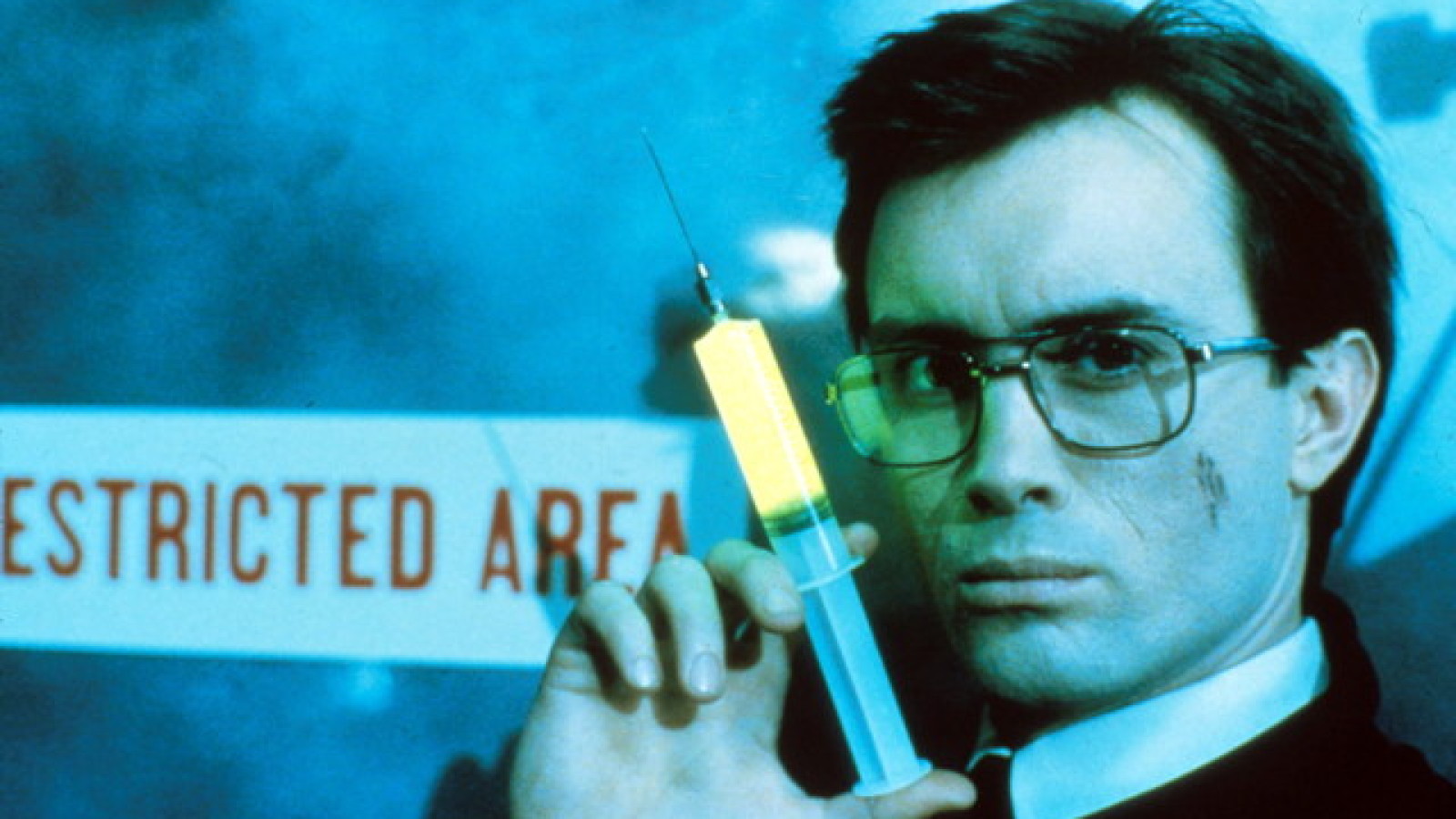
Dennis Paoli, screenwriter for director Stuart Gordon’s film adaptations of the works of H. P. Lovecraft (Re-Animator, From Beyond, Dagon, and for the cable television series “Masters of Horror,” Dreams in the Witch House), will lead a two-hour master class on adapting Lovecraft for the screen—the challenges, techniques, and insights into the works gained in the process. The class will also explore the collaborative nature of adaptation—the writer, in as real a sense as possible, collaborates with the original creator of the literary work—and of film-making, by nature a cooperative, if sometimes contentious, undertaking.
The enduring popularity of Gordon and Paoli’s film versions of Lovecraft’s fiction speaks to the enduring popularity of the original tales, but also to their capacity for updating, re-casting, and expanding. These specific adaptations will be examined in scenes from each of the films. Paoli will also discuss his long-time collaboration with Stuart Gordon, their methods of working together and roles in the process, based on their strengths.
Paoli, who runs writing programs and teaches Gothic Fiction at Hunter College, will also consider Lovecraft’s work in the larger context of the literary genres of horror and science fiction, the major themes and working principles of Gothic literature, and their long history of cinematic adaptation.
Dennis Paoli
20 October 2016
Read more
20 October 2016