MIS
KA
TON
IC
Institute of
Horror Studies
Archive
Archive
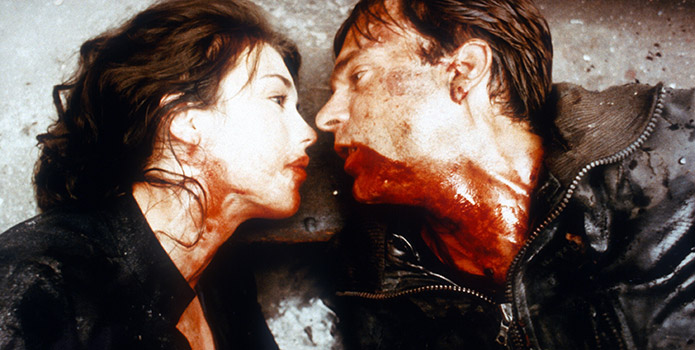
Vulgar Structures; or Andrzej Zulawski's Love Triangles
13 October 2016
Vulgar Structures; or Andrzej Zulawski's Love Triangles
Writer and filmmaker Andrzej Zulawski, who passed away earlier this year, worked in different genres: war films (The Third Part of the Night), gothic horror (The Devil, Possession), melodrama (The Most Important Thing is to Love, My Nights Are More Beautiful Than Your Days, La Fidelite), thrillers (La Femme publique, Cosmos), science fiction (On the Silver Globe), costume dramas (La Note bleue),crime films (L’Amour braque), erotic dramas (Szamanka) – even musicals (Boris Godunov). However, all of Zulawski’s films share the same fundamentally vulgar structure: the love triangle. This class looks at the love triangle fundamental to all of Zulawski’s films and squares it with this remarkable director’s life and loves.
13 October 2016
WOMEN HORROR DIRECTORS
Alanna Thain
27 September 2016
WOMEN HORROR DIRECTORS
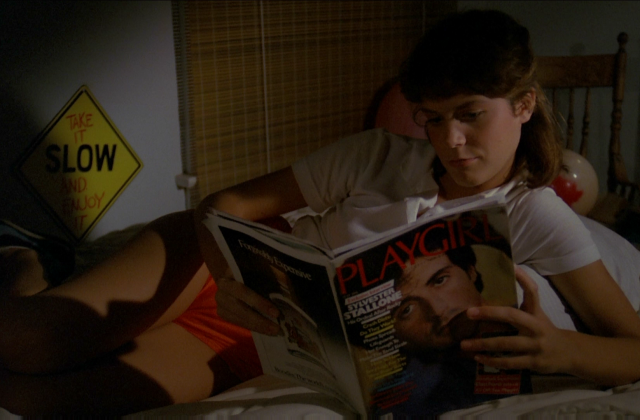
Miskatonic-Montréal kicks off its Fall 2016 semester on Tuesday, 27 September, 7-10pm, with the six-week course, “Women Horror Directors.” Week one features a screening and discussion of the Soska Sisters’ AMERICAN MARY, followed by THE HITCH-HIKER, directed by Ida Lupino, a pioneering woman director working in Hollywood (4 October). Week three of the course treats us to Amy Holden Jones’s feminist slasher film, SLUMBER PARTY MASSACRE (pictured), written by novelist Rita Mae Brown (11 October). Next up is Kathryn Bigelow’s cult favourite, NEAR DARK (18 October), followed by Iranian-American director Ana Lily Amirpour’s acclaimed independent horror film, A GIRL WALKS HOME ALONE AT NIGHT (25 October). Our final week of the course features a screening, Q&A and discussion with Montréal filmmaker Maude Michaud about her work, which includes the feature film, DYS–, and the short film, SNUFF (1 November).
Alanna Thain
27 September 2016
Read more
27 September 2016
Rituals in the Dark: Evoking Magic on Film
Mark Pilkington
22 September 2016
Rituals in the Dark: Evoking Magic on Film
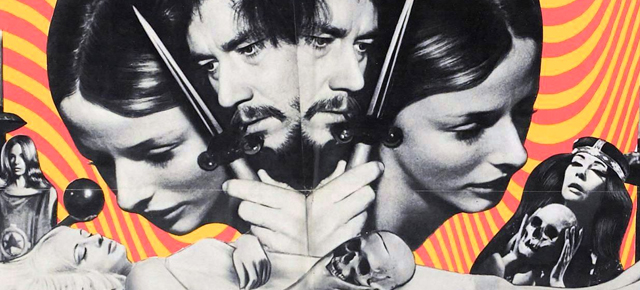
Step into the safety of the magic circle as Mark Pilkington explores how the myriad Western esoteric magical practices and traditions have been represented, enacted and portrayed on film.
As one might expect, depictions of magic on film have tended towards the lurid and sensational rather than the spiritual or the sublime but they also provide a useful reflection of popular attitudes and ideas about magic and, on occasion, the unorthodox beliefs and practices of the film makers themselves.
From the grit of medieval grimoires and spellcraft to the closeted exoticism and eroticism of early modern hermetic orders and the spiritual liberation of mid twentieth century witchcraft, we will look at a number of representations of magic on film, from the silent era, through Expressionism, B-movies, the avant garde and into the mainstream.
In doing so, we’ll also learn something of the history of Western magics and their symbiotic relationship of influence with popular culture, and enjoy blood and fire, sex and sacrifice, great costumes, freaky dancing and all the spirits and demons that lurk in the heart of man. And remember, whatever you do, don’t break the circle!
Mark Pilkington
22 September 2016
Read more
22 September 2016
Live From Miskatonic: In Conversation with Jack Ketchum (NYC)
Jack Ketchum
21 September 2016
Live From Miskatonic: In Conversation with Jack Ketchum (NYC)
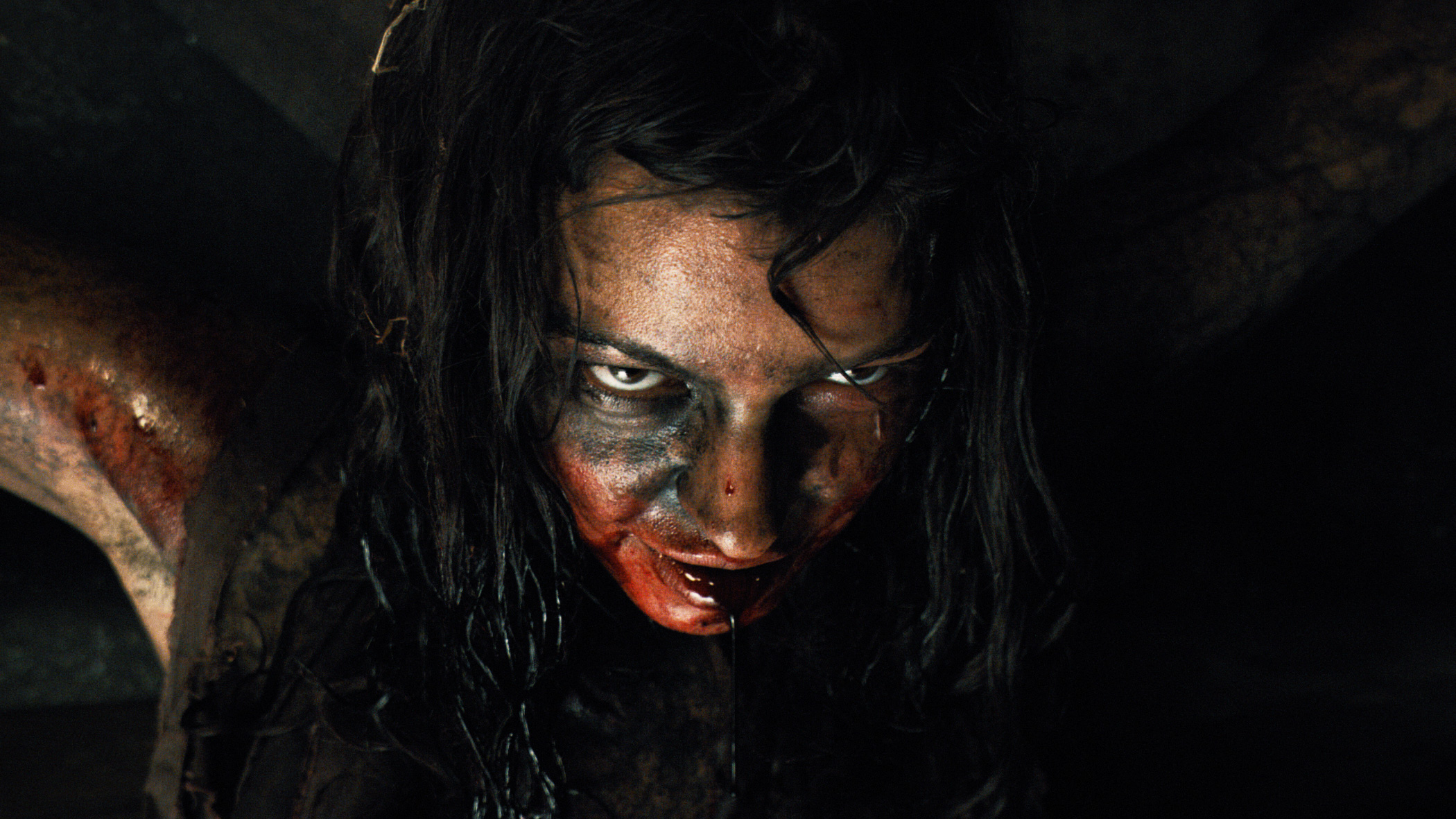
Stephen King called him “the scariest guy in America.” And so we kick off Miskatonic NYC with a bang as a titan of horror fiction, Jack Ketchum (OFF SEASON, THE GIRL NEXT DOOR, THE LOST, RED) joins us for our first event at the Morbid Anatomy Museum for an in-depth look at his work and adaptations to the screen, moderated by film writer, programmer and Miskatonic Institute founder Kier-La Janisse.
With clips, images and anecdotes we’ll look at Ketchum’s history on the screen, his frequent collaborations with Lucky McKee and Andrew van den Houten and talk about the horror writers and filmmakers who have influenced his work.
Jack Ketchum is the pseudonym for a former actor, singer, teacher, literary agent, lumber salesman, and soda jerk — a former flower child and baby boomer who figures that in 1956 Elvis, dinosaurs and horror probably saved his life. His first novel, OFF SEASON, prompted the Village Voice to publicly scold its publisher in print for publishing violent pornography. He personally disagrees but is perfectly happy to let you decide for yourself. His short story THE BOX won a 1994 Bram Stoker Award from the HWA, his story GONE won again in 2000 — and in 2003 he won Stokers for both best collection for PEACEABLE KINGDOM and best long fiction for CLOSING TIME. He has written eleven novels, the latest of which are RED, LADIES’ NIGHT, and THE LOST. His stories are collected in THE EXIT AT TOLEDO BLADE BOULEVARD, BROKEN ON THE WHEEL OF SEX, and PEACEABLE KINGDOM. His novella THE CROSSINGS was cited by Stephen King in his speech at the 2003 National Book Awards. (Photo by Steve Thornton) www.jackketchum.net
Jack Ketchum
21 September 2016
Read more
21 September 2016
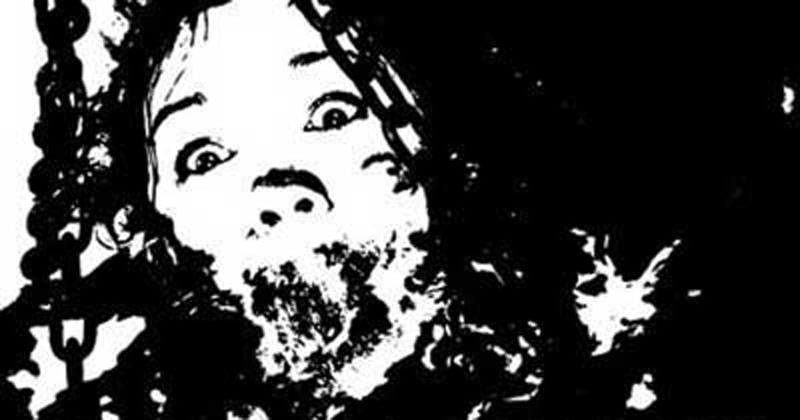
IT’S NOT REAL, BUT IT’S REALITY: The Story of Custom-Made Sex and Horror
David Kerekes
12 May 2016
IT’S NOT REAL, BUT IT’S REALITY: The Story of Custom-Made Sex and Horror
In the 1990s, Wave Productions in New Jersey established itself as perhaps the leading distributor of shot-on-video horror movies. Its catalogue was expansive because of a very simple if ingenious marketing premise: Customers scripted and paid for their own movies.
From the outset, customers wanted sexy girls in horrible situations. Yet, Wave had reservations about nudity and violence, underplaying or rejecting entirely anything it considered extreme. Not all the companies that followed were as conscientious. Fetish custom studios now operate internationally, patronised by individuals with a hankering to see a favourite model hiccup in white socks, or else, more likely, be executed and play dead.
This lecture traces the history of the custom shoot, from its clumsy beginnings in video horror to the present facsimile death scenes, often enhanced by digital effects and sometimes featuring explicit sex. These short films closely mimic the motifs of the mythological ‘snuff’ film, in as much as the customer suggests a scenario, the preferred mode of death (gunshot, strangulation, hanging, etc.) and the victim (plucked from a studio’s own roster of performers). Thus the custom shoot occupies a unique space in the collective mind-set, one created and never occupied by the ‘reality’ of snuff films.
Adults only.
Please note there will be no admission after the lecture has started at 7.30pm.
David Kerekes
12 May 2016
Read more
12 May 2016
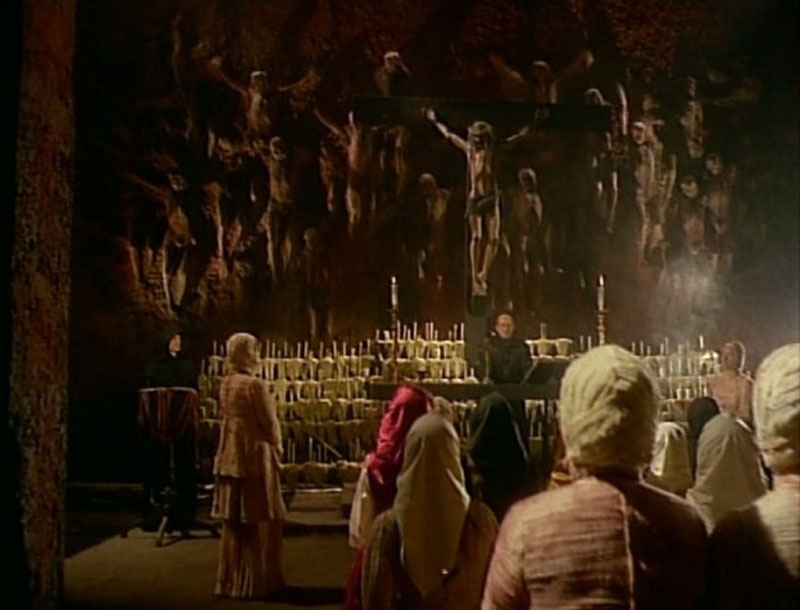
HOLY TORTURE: Desire, Cruelty, Power and Religion in 1960s-70s Cinema
Virginie Sélavy
14 April 2016
HOLY TORTURE: Desire, Cruelty, Power and Religion in 1960s-70s Cinema
The 1960s-70s saw copious amounts of on-screen self-flagellation, brutal witch-hunting, delirious possessions and sadistic exorcisms, culminating into the so-called ‘nunsploitation’ genre. Beyond the desire to shock and titillate, many of these films, most notably Ken Russell’s The Devils (1971), were part of the time’s questioning of all power structures, pitching repressive, corrupt and hypocritical religious authorities against individual freedom and morality. In particular, films such as Gianfranco Mingozzi’s Flavia the Heretic (1974) denounced the oppression of women in patriarchal society, and pictured their revolt through disobedience and deviant sexuality. This deviant sexuality was also sometimes part of an alternative form of worship connected to natural forces, as in Juan López Moctezuma’s Alucarda (1977). For Moctezuma, as for his fellow Panique associate Alejandro Jodorowsky, spiritual initiation involved an element of violence, although not the same kind of violence as that of the Catholic Church, as depicted in many of these films. The lecture will explore the various ways in which desire, cruelty, power and religion are configured in the cinema of the period.
Please note there will be no admission after the lecture has started at 7.30pm.
Virginie Sélavy
14 April 2016
Read more
14 April 2016
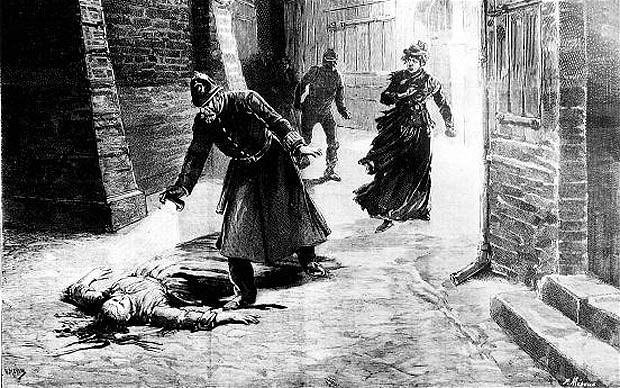
TRUE CRIME AND PUNISHMENT
Karen Herland
29 March 2016
TRUE CRIME AND PUNISHMENT
True Crime appeals to armchair detectives, voyeurs and conspiracy theorists. Each story offers the tantalizing possibility of resolving a mystery — though, often the most appealing works tend to instead multiply motives by pointing toward clues left uninvestigated. This three-week course will celebrate the genre by exploring how inspectors, authors, lawyers and viewers rely on the power of narrative to confirm their own path to an unreliable truth. Screenings may include: THE JINX (2015), THE THIN BLUE LINE (1988), and IN COLD BLOOD (1967).
Karen Herland
29 March 2016
Read more
29 March 2016
CANCELLED - INHUMAN NOISE: Synthesized Sound as Weapon, Antagonist and Supernatural Presence in Horror Cinema
Frances Morgan
10 March 2016
CANCELLED - INHUMAN NOISE: Synthesized Sound as Weapon, Antagonist and Supernatural Presence in Horror Cinema
WE ARE VERY SORRY TO ANNOUNCE THAT THE TALK IS CANCELLED DUE TO ILLNESS. ALL TICKETS WILL BE REFUNDED. APOLOGIES FOR THE DISAPPOINTMENT AND INCONVENIENCE CAUSED.
Electronic music and sound started to appear on science fiction and horror soundtracks in the 1950s, and by the 1970s were increasingly commonplace, used to denote alien life-forms, demonic realms and psychic ruptures. By the 1980s, the synth scores of director/composer John Carpenter were synonymous with modern American horror. But how have electronic music and sound become an agent of horror, as well as an accompaniment to it? This talk looks beyond the soundtrack at the role of composers, instruments, computers and other sound-making devices in horror films, revealing that the relationship between alien sounds and inhuman activity is not always as straightforward as one might expect.
Please note there will be no admission after the lecture has started at 7.30pm.
Frances Morgan
10 March 2016
Read more
10 March 2016
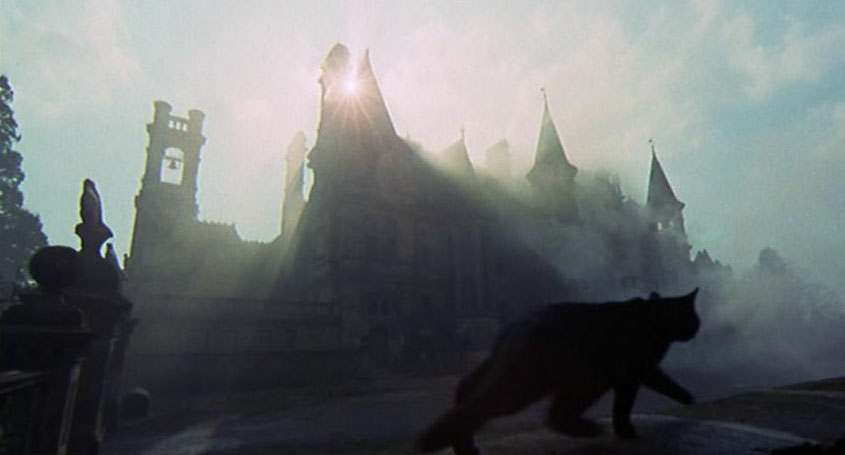
Live From Miskatonic: JOHN HOUGH IN CONVERSATION
Justin Harries
11 February 2016
Live From Miskatonic: JOHN HOUGH IN CONVERSATION
From 60s TV series THE AVENGERS and salacious Hammer Horror TWINS OF EVIL to 70s gearhead staple DIRTY MARY, CRAZY LARRY and children’s classics ESCAPE TO WITCH MOUNTAIN and THE WATCHER IN THE WOODS, British filmmaker John Hough has had an eclectic and storied career behind the camera. He considers himself a craftsman rather than an auteur, but is responsible for some of the most beloved films in horror history – most notably his 1973 adaptation of Richard Matheson’s novel HELL HOUSE.
In this special instalment of LIVE FROM MISKATONIC, Hough will participate in a lengthy on-stage conversation with our guest interviewer Justin Harries, the curator of London’s popular FILMBAR70. The conversation will cover Hough’s early television career, his work with Hammer Films and Disney, his interactions with 1970s renegade Hollywood and his work with screen giants such as Orson Welles, Roddy McDowell, John Cassavetes, Max Von Sydow, Sophia Loren, Rod Steiger and so many more. The talk will be punctuated by film clips and there will be a Q+A period following the formal discussion.
Please note there will be no admission after start time, so arrive in time to get a seat by 7pm!
Justin Harries
11 February 2016
Read more
11 February 2016
DOCUMENTING HORROR
Annaëlle Winand
2 February 2016
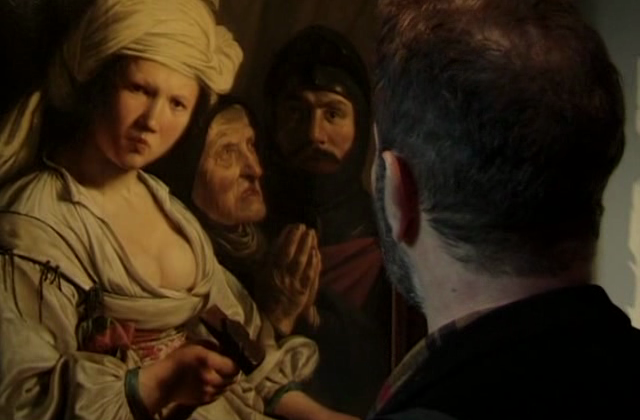
DOCUMENTING HORROR
This seven-week course kicks off an entire Winter 2016 semester devoted to the horrors of the real. Seven instructors offer their unique scholarly approaches to the varied convergences of horror and documentary cinema. Topics include pseudo-documentary horror, fake found-footage horror, the French cinema of sensation, horror in experimental documentary and the essay film, archival horror, and horror film samples in industrial music. Screenings may include: THE ACT OF KILLING (2014), LEÇONS DES TÉNÈBRES (1999), and THE HELLSTROM CHRONICLE (1971).
Week 1: From HAXAN to HELLSTROM and Beyond: The Critical Convergence of Horror and Documentary Cinemas
(Tuesday, 2 February)
Screening: HAXAN: WITCHCRAFT THROUGH THE AGES (1922, Benjamin Christensen)
Instructor, Kristopher Woofter
Week 2: Caravaggio’s Luminous Flesh: Sensation, Corporeality, and the Documentary: LEÇONS DES TÉNÈBRES
(Tuesday, 9 February)
Screening: LEÇONS DES TÉNÈBRES (1999, Vincent Dieutre)
Instructor, Mario DeGiglio-Bellemare
Week 3: The Monstrous Archive(s): The Redeployment of Horror Cinema by Found Footage Experimental Filmmakers
(Tuesday, 16 February)
Screenings: OUTER SPACE (2009, Peter Tscheserkassky) and other shorts
Instructor, Annaëlle Winand
Week 4: A Body Too Few—Horror Reenactment and THE ACT OF KILLING
(Tuesday, 23 February)
Screening: THE ACT OF KILLING (2014, Joshua Oppenheimer)
Instructor, Ned Schantz
Week 5: Horror Docudrama Cinema Meets the Avant-Garde
(Tuesday, 1 March)
Screening: THE WAR GAME (1965, Peter Watkins)
Instructor, Anne Golden
Week 6: “Jesus Wept”: Sampling, Sympathy, and the Animal in Industrial Music
(Tuesday, 8 March)
Listening will include Skinny Puppy’s VIVIsectVI (1988) and RABIES (1989) and a possible screening
Instructor, Shalon Noble
Week 7: “What if?”: The Metaphysical Horror of the Conditional Tense Documentary
(Tuesday, 15 March)
Screening: DARK SIDE OF THE MOON (OPÉRATION LUNE) (2002, William Karel)
Instructor, Papagena Robbins
Annaëlle Winand
2 February 2016
Read more
2 February 2016