MIS
KA
TON
IC
Institute of
Horror Studies
Archive
Archive
WRITTEN IN BLOOD: SCORING HORROR CINEMA
Chris Alexander
22 September 2012
WRITTEN IN BLOOD: SCORING HORROR CINEMA
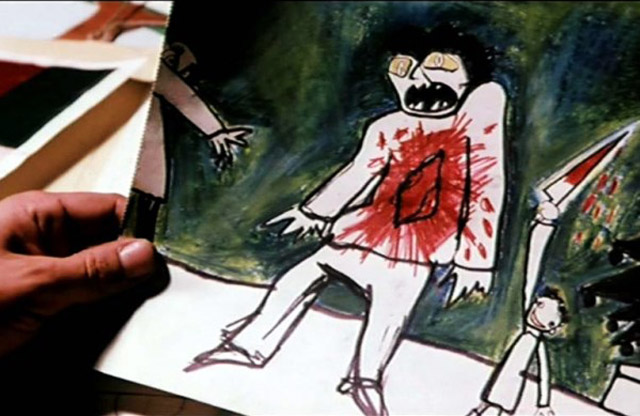
Since the early days of tent-bound magic lantern shows, music has accompanied the grand illusion of motion pictures. This lecture will not only discuss the history of musical composition in the horror film, it will specifically illustrate some of the finest examples of how music can radically accentuate and dictate an audience’s sensory and emotional connection to imagery. From the employ of “Swan Lake” in Tod Browning’s Dracula to the thundering symphonies in the British Gothics; from the romantic leanings of early 60’s European pictures to the brash post-mod rock in the Italian horrors; pop music, sparse electronics and note-heavy orchestras; we’ll speed through decades of sound, led by Fangoria Magazine editor and composer/filmmaker Chris Alexander.
Chris Alexander
22 September 2012
Read more
22 September 2012
TERROR AT THE MARGINS: THE PROSTITUTE AS OTHER
Karen Herland
4 April 2012
TERROR AT THE MARGINS: THE PROSTITUTE AS OTHER
The Monster in horror films carries the representational burden of its location’s social and cultural . The
broadly drawn, corrupt and irredeemable Monster becomes the screen upon which socio-cultural fears are projected. To make such a figure sexual, attractive, vulnerable or relatable is to pervert the role of the Monster, rendering it more dangerous, less easily contained. (Think about vampires such as Lestat, Angel and Spike— No, I’m not putting a Twilight reference here).
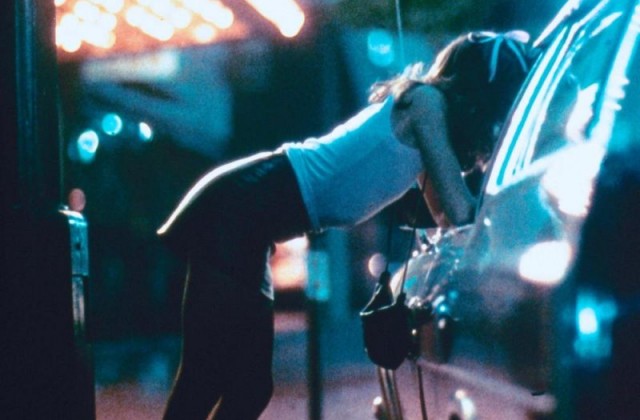
These same principles operate in the construction of stereotypes. For instance, the figure of the prostitute has long been depicted (and understood) to be unfeminine, irredeemable and polluting – a source of corruption and contagion. Thus, she becomes a monster — both in terms of fears about women’s sexuality and assumptions about ‘natural’ or ‘normal’ gendered behaviour. This course will parallel the extreme treatment of, and presentation of, the Monster in films with the representation of prostitutes and sex workers. This juxtaposition makes the underlying cultural constructions and fears at play in both contexts both more complicated, and compelling. Ultimately, the construction of the Other – both in how it serves to articulate the unacceptable, and how it is deployed to govern appropriate behaviour, will be discussed.
Week 1 – Wednesday, April 4th – Film: A FOOL THERE WAS
Week 1 Readings PDF
Jeffery Jerome Cohen, “Monster Culture (Seven Theses)”
Week 2 – Wednesday, April 11th – Film: FROM HELL
Week 2 Readings PDF
Elyssa Warkentin, “Jack the Ripper Strikes Again – The ‘Ipswich Ripper’ and the Vice Girls he Killed”
Week 3 – Wednesday, April 18th – Film: KLUTE
Week 3 Readings PDF
Christine Gledhill, “Feminism and Klute“
Week 4 – Wednesday, April 25th – Film: MONSTER
Week 4 Readings PDF
Kyra Pearson, “The Trouble with Aileen Wuornos, Feminism’s ‘First Serial Killer”
Karen Herland
4 April 2012
Read more
4 April 2012
TERROR AT THE MARGINS: THE PROSTITUTE AS OTHER
4 April 2012
TERROR AT THE MARGINS: THE PROSTITUTE AS OTHER
Wednesdays, April 4, 11, 18 + 25, 2012
The Monster in horror films carries the representational burden of its location’s social and cultural . The
broadly drawn, corrupt and irredeemable Monster becomes the screen upon which socio-cultural fears are projected. To make such a figure sexual, attractive, vulnerable or relatable is to pervert the role of the Monster, rendering it more dangerous, less easily contained. (Think about vampires such as Lestat, Angel and Spike— No, I’m not putting a Twilight reference here).
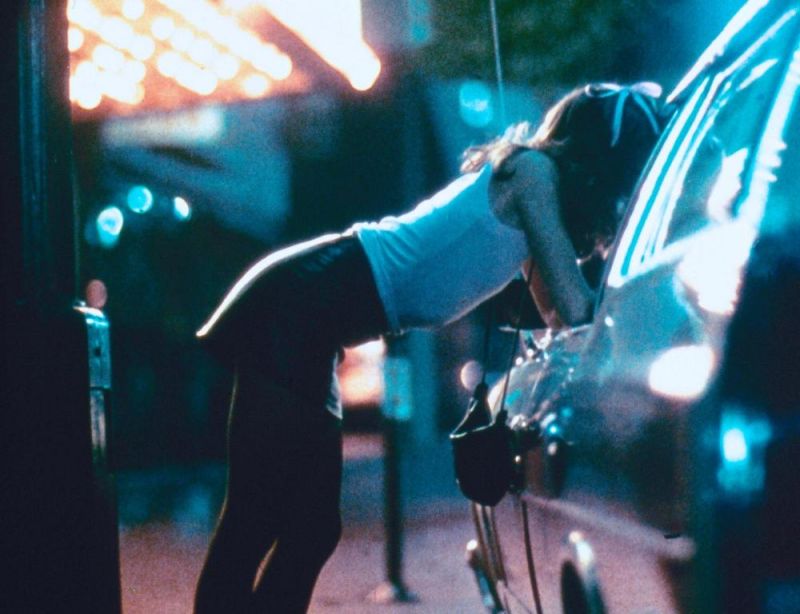
These same principles operate in the construction of stereotypes. For instance, the figure of the prostitute has long been depicted (and understood) to be unfeminine, irredeemable and polluting – a source of corruption and contagion. Thus, she becomes a monster — both in terms of fears about women’s sexuality and assumptions about ‘natural’ or ‘normal’ gendered behaviour. This course will parallel the extreme treatment of, and presentation of, the Monster in films with the representation of prostitutes and sex workers. This juxtaposition makes the underlying cultural constructions and fears at play in both contexts both more complicated, and compelling. Ultimately, the construction of the Other – both in how it serves to articulate the unacceptable, and how it is deployed to govern appropriate behaviour, will be discussed.
Week 1 – Wednesday, April 4th – Film: A FOOL THERE WAS
Week 1 Readings PDF
Jeffery Jerome Cohen, “Monster Culture (Seven Theses)”
Week 2 – Wednesday, April 11th – Film: FROM HELL
Week 2 Readings PDF
Elyssa Warkentin, “Jack the Ripper Strikes Again – The ‘Ipswich Ripper’ and the Vice Girls he Killed”
Week 3 – Wednesday, April 18th – Film: KLUTE
Week 3 Readings PDF
Christine Gledhill, “Feminism and Klute“
Week 4 – Wednesday, April 25th – Film: MONSTER
Week 4 Readings PDF
Kyra Pearson, “The Trouble with Aileen Wuornos, Feminism’s ‘First Serial Killer”
4 April 2012
SCARING THE DAYLIGHTS OUT OF YOU: THE FILMS OF WILLIAM CASTLE
Maude Michaud
29 February 2012
SCARING THE DAYLIGHTS OUT OF YOU: THE FILMS OF WILLIAM CASTLE
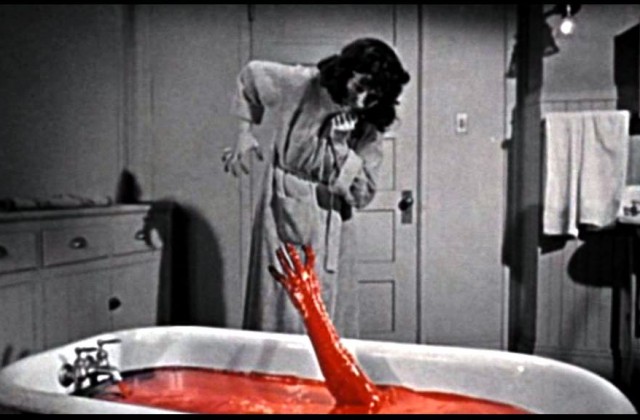
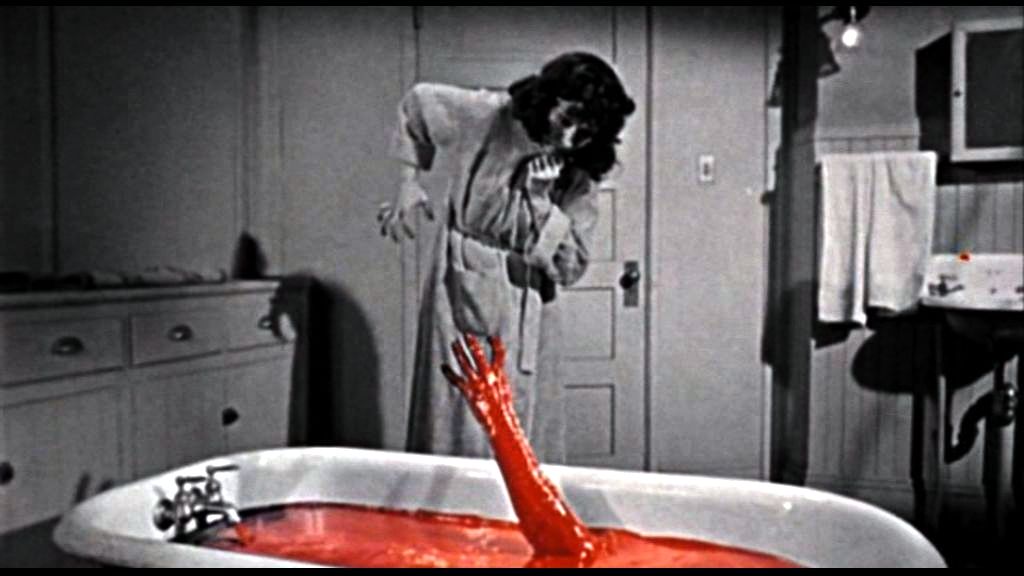
An icon of B-movies and master of marketing stunts, William Castle has left a lasting impact on the horror film industry. Despite less than stellar reviews, Castle’s films often proved successful commercially, thanks to his many gimmicks which attracted curious movie goers, and his constant quest to scare the daylights out of audiences. First spanning a variety of genres – including film noir, westerns and thrillers – before focusing on his trademark “gimmicky horror”, his body of work still continues to influence modern filmmakers, including John Waters who cites him as an inspiration for his “Odorama” cards created for the release of Polyester. This course will examine Castle’s legacy by first situating him within the historical context of the early-40s Hollywood, when he began his career, before focusing on his ‘horror cycle’ which began in the late-50s. In addition to a close analysis of some of his key films that will help highlight recurring themes, parallels will be drawn between his work and other horror films of the era. The second part of the course will offer an in-depth study of his various gimmicks; how they worked, how they were timed to the films and how audiences reacted. Screening of excerpts will help students get a better feel of what the experience was like for spectators. Lastly, the third part of the class will be devoted to the later part of his career working mostly as a producer and how his legacy inspired countless filmmakers and marketing stunts.
Maude Michaud
29 February 2012
Read more
29 February 2012
SCARING THE DAYLIGHTS OUT OF YOU: THE FILMS OF WILLIAM CASTLE
29 February 2012
SCARING THE DAYLIGHTS OUT OF YOU: THE FILMS OF WILLIAM CASTLE
The Miskatonic Institute of Horror Studies:
SCARING THE DAYLIGHTS OUT OF YOU: THE FILMS OF WILLIAM CASTLE
Wednesdays, Feb 29, March 7 + 14, 6:30-9:30pm
Admission $28 (includes all three classes)
An icon of B-movies and master of marketing stunts, William Castle has left a lasting impact on the horror film industry. Despite less than stellar reviews, Castle’s films often proved successful commercially, thanks to his many gimmicks which attracted curious movie goers, and his constant quest to scare the daylights out of audiences. First spanning a variety of genres – including film noir, westerns and thrillers – before focusing on his trademark “gimmicky horror”, his body of work still continues to influence modern filmmakers, including John Waters who cites him as an inspiration for his “Odorama” cards created for the release of Polyester. This course will examine Castle’s legacy by first situating him within the historical context of the early-40s Hollywood, when he began his career, before focusing on his ‘horror cycle’ which began in the late-50s. In addition to a close analysis of some of his key films that will help highlight recurring themes, parallels will be drawn between his work and other horror films of the era. The second part of the course will offer an in-depth study of his various gimmicks; how they worked, how they were timed to the films and how audiences reacted. Screening of excerpts will help students get a better feel of what the experience was like for spectators. Lastly, the third part of the class will be devoted to the later part of his career working mostly as a producer and how his legacy inspired countless filmmakers and marketing stunts.
In addition to different excerpts, the tentative schedule of films to be screened is as follows:
1st part of the class – TBA
2nd part of the class – The Tingler (1959)
3rd part of the class – Bugs (1975) (16mm copy)
Instructor: Maude Michaud
Proudly identifying as a slasher fan, Maude developed a passion for horror films at an early age which resulted in her hunting down classic horror titles and spending most of her teenage years trying to attain her personal goal of watching all the horror VHS offered at her local video store. She received her M.A in Media Studies from Concordia University where she focused her thesis on women horror filmmakers, creating the documentary web-series Bloody Breasts: Women, Feminism and Horror Films to support her findings. She also works as an independent horror filmmaker.
29 February 2012
THEORIZING HORROR
18 January 2012
THEORIZING HORROR
THEORIZING HORROR
Wednesdays, January 18 + 25, February 1, 8, 15 + 22
at BLUE SUNSHINE – 366- St-Laurent, 3rd Flr
Montreal, PQ
6-9pm (please note Mario DeGiglio-Bellemare’s classes and Anne Golden’s class will run 7-10pm)
Course Cost – $45 (includes all 6 classes)
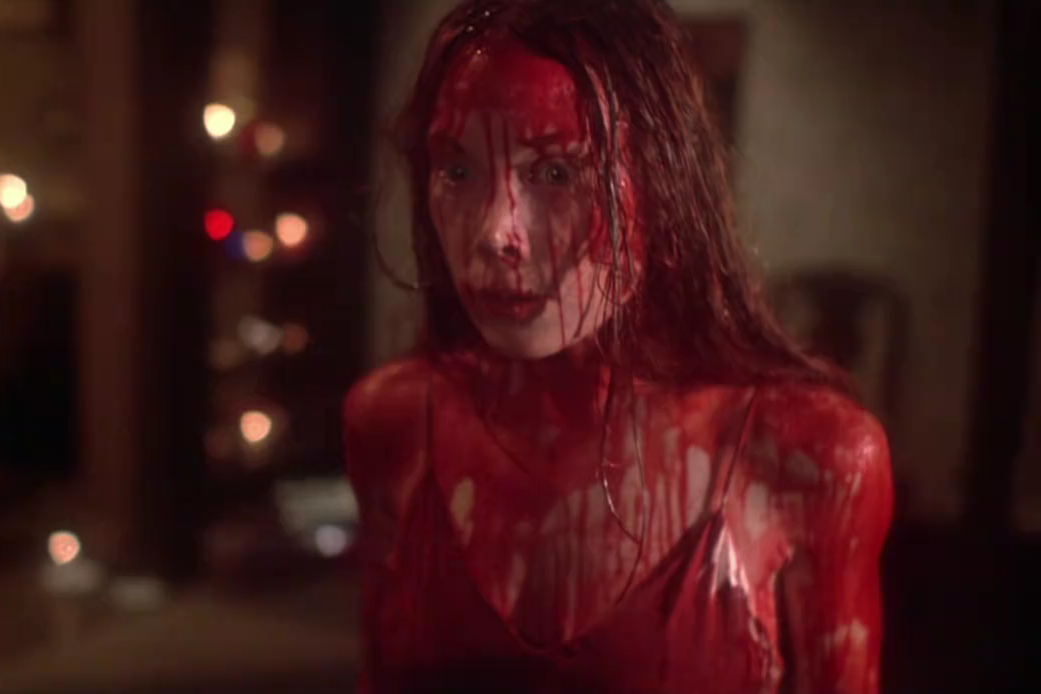
Up until the 1970s, the horror genre was perceived as either encouraging sadistic behaviour or endorsing adolescent escapism. With the publication of Robin Wood and Richard Lippe’s American Nightmare: Essays on the Horror Film in 1979, and with the development of cultural studies more generally, horror genre theorists began to break out from “media effect” theories that often underscored earlier discussions about the genre by film critics and scholars. This six week course will examine the recent history of horror theorizing starting in the early-1980s through some of the most influential writings on the genre. From Linda Williams’ essay on women and looking, Barbara Creed’s monstrous-feminine, Tania Modleski’s terror of pleasure, Carol Clover’s final girl, Steven Shaviro’s cinematic bodies, through to Cynthia Freeland’s dread-centred experience of horror, this course will discuss these genre theorists in conjunction with the “major” thinkers that influenced them, such as Sigmund Freud, Julia Kristeva, Karl Marx, Laura Mulvey, Gilles Deleuze, and Nöel Carroll. Every session will be taught by a different instructor. A film screening will accompany each session.
LINE-UP OF INSTRUCTORS AND THEORISTS :
Week 1 – Jan 18: Mario DeGiglio-Bellemare: Marcuse/Wood (1979) – Deathdream (Bob Clark, 1974) – 88 minutes
Week 1 Readings PDF
Week 2 – Jan 25: Charlie Ellbé: Kristeva/Creed (1986) – Possession (Andrzej Zulawski, 1981) – 127 minutes
Week 2 Readings PDF
Week 3 – Feb 1: Anne Golden: Freud/Williams (1983) – Ju-on (Takashi Shimizu, 2002) – 92 minutes
Week 3 Readings PDF
Week 4 – Feb 8: Mario DeGiglio-Bellemare: Mulvey/Clover (1987-1992) – Hell Night (Tom DeSimone, 1981) – 101 minutes.
Week 4 Readings PDF
Week 5 – Feb 15: Alanna Thain: Deleuze/Shaviro (1993) – Rabid (David Cronenberg, 1977) – 91 minutes
Week 5 Readings PDF
Week 6 – Feb 22: Kristopher Woofter: Carroll/Freeland (2004) – Cropsey (Barabara Brancaccio & Joshua Zeman, 2009) – 84 minutes
Week 6 Readings PDF 1
Week 6 Readings PDF 2
BIBLIOGRAPHY
Carroll, Noël. 1990. The Philosophy of Horror, or, Paradoxes of the Heart. New York: Routledge.
Clover, Carol. 1992. Men, Women, and Chainsaws: Gender in the Modern Horror Film. London: BFI Publishing.
Creed, Barbara. 1993. The Monstrous-Feminine: Film, Feminism, Psychoanalysis. New York: Routledge.
Deleuze, Gilles. 1986. Cinema 1: The Movement-Image. Minneapolis, MN: University of Minnesota Press.
____________. 1989. Cinema 2: The Time-Image. Minneapolis, MN: University of Minnesota Press.
Freeland, Cynthia A. 1995. “Realist Horror,” in Freeland and Wartenberg: 126-142.
________________. 2000. The Naked and the Undead: Evil and the Appeal of Horror. Boulder, CO: Westview Press.
_____________. 2004. “Horror and Art-Dread,” in Prince: 189-205.
Freeland, Cynthia A., and Thomas E. Wartenberg, eds. 1995. Philosophy and Film. New York: Routledge.
Freud, Sigmund. 2003. The Uncanny (1919). New York: Penguin Books.
Gelder, Ken, ed. 2000. The Horror Reader. New York: Routledge.
Grant, Barry Keith, ed. 1996. The Dread of Difference: Gender and the Horror Film. Austin: University of Texas Press.
Jancovich, Mark. 1992. Horror. London: B.T. Batsford.
_____________, ed. 2002. Horror, The Film Reader. London: Routledge.
Kristeva, Julia. 1982. Powers of Horror: An Essay on Abjection. New York, NY: Columbia University Press.
Modleski, Tania. 2000. “The Terror of Pleasure: The Contemporary Horror Film and Postmodern Theory,” in Gelder: 285-93.
Mulvey, Laura. 1989. Visual and Other Pleasures. Bloomington: Indiana University Press.
Prince, Stephen, ed. 2004. The Horror Film. New Brunswick, NJ: Rutgers University Press.
Shaviro, Steven. 1993. The Cinematic Body. Minneapolis, MN: University of Minnesota Press.
Tucker, Robert C., ed. 1972. The Marx-Engels Reader. New York: W.W. Norton.
Wells, Paul. 2000. The Horror Genre: From Beelzebub to Blair Witch. London: Wallflower Press.
Williams, Linda. 1996. “When the Woman Looks,” in Grant: 15-24.
Wood, Robin, and Richard Lippe, eds. 1979. American Nightmare: Essays on the Horror Film. Toronto: Festival of Festivals.
Wood, Robin. 1986. Hollywood: From Vietnam to Reagan. New York: Columbia University Press.
Genre magazine Rue-Morgue.
18 January 2012
THEORIZING HORROR
Alanna Thain
18 January 2012
THEORIZING HORROR
Up until the 1970s, the horror genre was perceived as either encouraging sadistic behaviour or endorsing adolescent escapism. With the publication of Robin Wood and Richard Lippe’s American Nightmare: Essays on the Horror Film in 1979, and with the development of cultural studies more generally, horror genre theorists began to break out from “media effect” theories that often underscored earlier discussions about the genre by film critics and scholars. This six week course will examine the recent history of horror theorizing starting in the early-1980s through some of the most influential writings on the genre. From Linda Williams’ essay on women and looking, Barbara Creed’s monstrous-feminine, Tania Modleski’s terror of pleasure, Carol Clover’s final girl, Steven Shaviro’s cinematic bodies, through to Cynthia Freeland’s dread-centred experience of horror, this course will discuss these genre theorists in conjunction with the “major” thinkers that influenced them, such as Sigmund Freud, Julia Kristeva, Karl Marx, Laura Mulvey, Gilles Deleuze, and Nöel Carroll. Every session will be taught by a different instructor. A film screening will accompany each session.
LINE-UP OF INSTRUCTORS AND THEORISTS :
Week 1 – Jan 18: Mario DeGiglio-Bellemare: Marcuse/Wood (1979) – Deathdream (Bob Clark, 1974) – 88 minutes
Week 1 Readings PDF
Week 2 – Jan 25: Charlie Ellbé: Kristeva/Creed (1986) – Possession (Andrzej Zulawski, 1981) – 127 minutes
Week 2 Readings PDF
Week 3 – Feb 1: Anne Golden: Freud/Williams (1983) – Ju-on (Takashi Shimizu, 2002) – 92 minutes
Week 3 Readings PDF
Week 4 – Feb 8: Mario DeGiglio-Bellemare: Mulvey/Clover (1987-1992) – Hell Night (Tom DeSimone, 1981) – 101 minutes.
Week 4 Readings PDF
Week 5 – Feb 15: Alanna Thain: Deleuze/Shaviro (1993) – Rabid (David Cronenberg, 1977) – 91 minutes
Week 5 Readings PDF
Week 6 – Feb 22: Kristopher Woofter: Carroll/Freeland (2004) – Cropsey (Barabara Brancaccio & Joshua Zeman, 2009) – 84 minutes
Week 6 Readings PDF 1
Week 6 Readings PDF 2
BIBLIOGRAPHY
Carroll, Noël. 1990. The Philosophy of Horror, or, Paradoxes of the Heart. New York: Routledge.
Clover, Carol. 1992. Men, Women, and Chainsaws: Gender in the Modern Horror Film. London: BFI Publishing.
Creed, Barbara. 1993. The Monstrous-Feminine: Film, Feminism, Psychoanalysis. New York: Routledge.
Deleuze, Gilles. 1986. Cinema 1: The Movement-Image. Minneapolis, MN: University of Minnesota Press.
____________. 1989. Cinema 2: The Time-Image. Minneapolis, MN: University of Minnesota Press.
Freeland, Cynthia A. 1995. “Realist Horror,” in Freeland and Wartenberg: 126-142.
________________. 2000. The Naked and the Undead: Evil and the Appeal of Horror. Boulder, CO: Westview Press.
_____________. 2004. “Horror and Art-Dread,” in Prince: 189-205.
Freeland, Cynthia A., and Thomas E. Wartenberg, eds. 1995. Philosophy and Film. New York: Routledge.
Freud, Sigmund. 2003. The Uncanny (1919). New York: Penguin Books.
Gelder, Ken, ed. 2000. The Horror Reader. New York: Routledge.
Grant, Barry Keith, ed. 1996. The Dread of Difference: Gender and the Horror Film. Austin: University of Texas Press.
Jancovich, Mark. 1992. Horror. London: B.T. Batsford.
_____________, ed. 2002. Horror, The Film Reader. London: Routledge.
Kristeva, Julia. 1982. Powers of Horror: An Essay on Abjection. New York, NY: Columbia University Press.
Modleski, Tania. 2000. “The Terror of Pleasure: The Contemporary Horror Film and Postmodern Theory,” in Gelder: 285-93.
Mulvey, Laura. 1989. Visual and Other Pleasures. Bloomington: Indiana University Press.
Prince, Stephen, ed. 2004. The Horror Film. New Brunswick, NJ: Rutgers University Press.
Shaviro, Steven. 1993. The Cinematic Body. Minneapolis, MN: University of Minnesota Press.
Tucker, Robert C., ed. 1972. The Marx-Engels Reader. New York: W.W. Norton.
Wells, Paul. 2000. The Horror Genre: From Beelzebub to Blair Witch. London: Wallflower Press.
Williams, Linda. 1996. “When the Woman Looks,” in Grant: 15-24.
Wood, Robin, and Richard Lippe, eds. 1979. American Nightmare: Essays on the Horror Film. Toronto: Festival of Festivals.
Wood, Robin. 1986. Hollywood: From Vietnam to Reagan. New York: Columbia University Press.
Alanna Thain
18 January 2012
Read more
18 January 2012
THE 'TERROR' FILMS OF VAL LEWTON
Speaker
23 November 2011
THE 'TERROR' FILMS OF VAL LEWTON
Wednesdays Nov 23 + 30, Dec 7 & 14
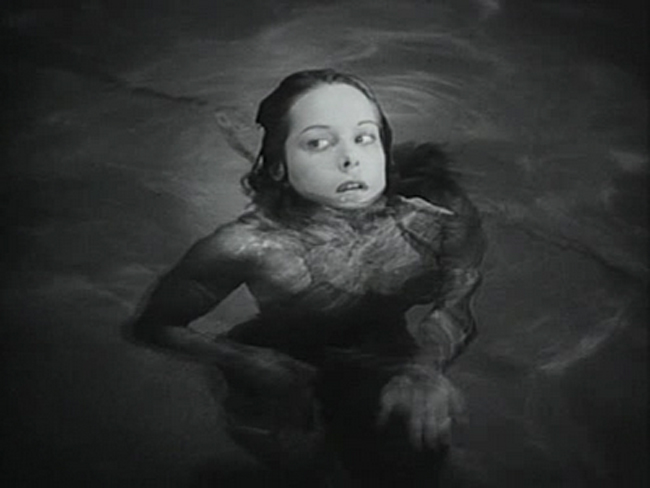
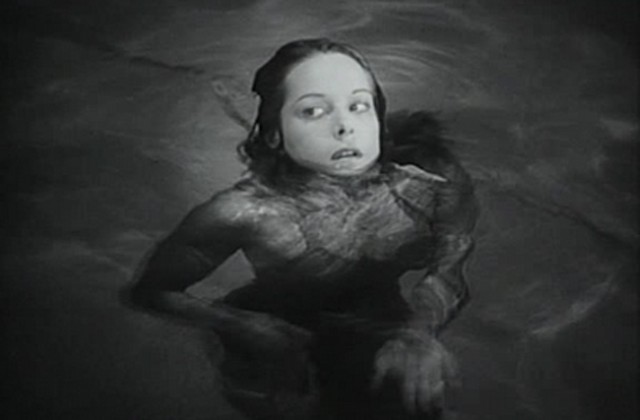
With the popularization of “auteur theories” very few producers get to carry the mantle of auteur, which is usually reserved for directors. Val Lewton is an exception. The nine horror films that Val Lewton produced for RKO studios between 1942 and 1946—including Cat People (1942), I Walked with a Zombie (1943), The Seventh Victim (1943), and Isle of the Dead (1945)—are traditionally described as indicative of a decidedly non-sensationalist, even poetic approach to the horror film. The more subtle style and independent, collaborative spirit evidenced in Lewton’s productions is in part the result of Lewton’s reaction to a show-all horror tradition established by Universal’s larger-budget monster movies in the 1930s that Lewton knew well and disliked. There is, in the Lewton horror film, an emphasis on dread and terror rather than shock and horror. Monstrous presences are suggested and ambiguously revealed. The Lewton films’ visual and aural characteristics—chiaroscuro lighting effects, deep shadows and silences, a baroque mise-en-scène, and distinctive music such as lullabies and folk songs—give the films a dream-like, meditative quality.
A successful author of politically-engaged potboilers such as No Bed of Her Own (1932), Lewton drew upon classic and folk literature as source material, and often took a sophisticated critical approach to his subject matter, such as the anti-colonial exploration of deeply-embedded racist and patriarchal structures in operation in I Walked with a Zombie, and the treatment of childhood longing for power through fantasy in the anti-sequel, Curse of the Cat People (also 1943). Lewton worked under strict budgetary and production constraints, forced to use RKO’s sensational pre-tested titles, to film on existing sets from other RKO productions, and to produce films (often simultaneously) on three-week shooting schedules. Lewton collaborated with a number of important figures in cinema, among them Jacques Tourneur (who would later direct the 1947 film noir classic Out of the Past with Robert Mitchum), Curt Siodmack (writer of Universal’s The Wolf Man [1941]) and Robert Wise (whose 1963 The Haunting emulates the Lewton style). But the Lewton chiaroscuro/baroque aesthetic and his subversive ideological themes remain distinctive across all nine films, becoming highly influential within the “monstrous unseen” tradition of horror films, which includes such films as The Blair Witch Project (1999).
It is the visionary quality of the films under Lewton’s collaborative guidance that we will explore in this course. We will also look at Lewton’s output in the context of film noir and the “woman’s film” immensely popular at the time, and influential on Lewton’s brand of 40s horror. Furthermore, the course will highlight aspects of Lewton’s cinema through the lens of postcolonial theory, examining the notion of the unknown and unruly “wilderness,” such as the Balkans and the Caribbean, as a site of political transgression. At least three of the Lewton-produced films will be screened in their entirety: Cat People (1942), I Walked with a Zombie (1943), and The Seventh Victim (1943).
About the Instructors:
Kristopher Karl Woofter
Kristopher teaches in the English Department at Dawson College in Montréal, Québec, and is a PhD student in Film and Moving Image Studies at Concordia University’s Mel Hoppenheim School of Cinema in Montréal. His academic interests in cinema, television and literature include the horror genre, the Gothic, folk and fairy tales, pseudo-documentary, new media, apocalypticism, and narrative. Publications include a chapter on using episodes of Buffy the Vampire Slayer in the classroom in the anthology, Buffy in the Classroom: Essays on Teaching with the Vampire Slayer (McFarland, 2010). Kristopher also serves as a co-chair for the Horror Area of the Popular Culture / American Culture Association, and serves on the editorial board for Watcher Junior, an online journal providing a forum for undergraduate scholarly writing on the work of Joss Whedon.
Mario DeGiglio-Bellemare
Mario is a native Montrealer and “monster kid” who teaches courses on genre cinema and monsters in the Humanities department of John Abbott College. He began to watch monster movies at the age of 9, staying up to watch Hammer films on late-night television. He has been an independent filmmaker with the Volatile Works collective for several years, working primarily in super-8 and 16mm. His films combine a love of silent cinema, “exploitation films,” the horror genre, and agit-prop sensibilities. He completed his PhD at the University of Toronto, and he often writes in the area of film and religion. He has published articles for Golem: The Journal of Religion and Monsters, as well as for the Journal of Religion and Film and for the Journal of Religion and Popular Culture. He is also an occasional writer for the Canadian horror genre magazine Rue-Morgue.
Speaker
23 November 2011
Read more
23 November 2011
THE 'TERROR' FILMS OF VAL LEWTON
Kristopher Woofter
23 November 2011
THE 'TERROR' FILMS OF VAL LEWTON
With the popularization of “auteur theories” very few producers get to carry the mantle of auteur, which is usually reserved for directors. Val Lewton is an exception. The nine horror films that Val Lewton produced for RKO studios between 1942 and 1946—including Cat People (1942), I Walked with a Zombie (1943), The Seventh Victim (1943), and Isle of the Dead (1945)—are traditionally described as indicative of a decidedly non-sensationalist, even poetic approach to the horror film. The more subtle style and independent, collaborative spirit evidenced in Lewton’s productions is in part the result of Lewton’s reaction to a show-all horror tradition established by Universal’s larger-budget monster movies in the 1930s that Lewton knew well and disliked. There is, in the Lewton horror film, an emphasis on dread and terror rather than shock and horror. Monstrous presences are suggested and ambiguously revealed. The Lewton films’ visual and aural characteristics—chiaroscuro lighting effects, deep shadows and silences, a baroque mise-en-scène, and distinctive music such as lullabies and folk songs—give the films a dream-like, meditative quality.
A successful author of politically-engaged potboilers such as No Bed of Her Own (1932), Lewton drew upon classic and folk literature as source material, and often took a sophisticated critical approach to his subject matter, such as the anti-colonial exploration of deeply-embedded racist and patriarchal structures in operation in I Walked with a Zombie, and the treatment of childhood longing for power through fantasy in the anti-sequel, Curse of the Cat People (also 1943). Lewton worked under strict budgetary and production constraints, forced to use RKO’s sensational pre-tested titles, to film on existing sets from other RKO productions, and to produce films (often simultaneously) on three-week shooting schedules. Lewton collaborated with a number of important figures in cinema, among them Jacques Tourneur (who would later direct the 1947 film noir classic Out of the Past with Robert Mitchum), Curt Siodmack (writer of Universal’s The Wolf Man [1941]) and Robert Wise (whose 1963 The Haunting emulates the Lewton style). But the Lewton chiaroscuro/baroque aesthetic and his subversive ideological themes remain distinctive across all nine films, becoming highly influential within the “monstrous unseen” tradition of horror films, which includes such films as The Blair Witch Project (1999).
It is the visionary quality of the films under Lewton’s collaborative guidance that we will explore in this course. We will also look at Lewton’s output in the context of film noir and the “woman’s film” immensely popular at the time, and influential on Lewton’s brand of 40s horror. Furthermore, the course will highlight aspects of Lewton’s cinema through the lens of postcolonial theory, examining the notion of the unknown and unruly “wilderness,” such as the Balkans and the Caribbean, as a site of political transgression. At least three of the Lewton-produced films will be screened in their entirety: Cat People (1942), I Walked with a Zombie (1943), and The Seventh Victim (1943).
Kristopher Woofter
23 November 2011
Read more
23 November 2011
CREEPY KIDS
26 October 2011
CREEPY KIDS
Wednesdays, October 26th & November 2nd, 9th, and 16th
“…the “otherness” of children… is that which is repressed within ourselves, its expression therefore hated in others…” (Robin Wood, 1985: 200).
“Insatiability for blood is almost too perfect a metaphor for the amorphous tyrants children can be” (John Calhoun, 2009: 27).
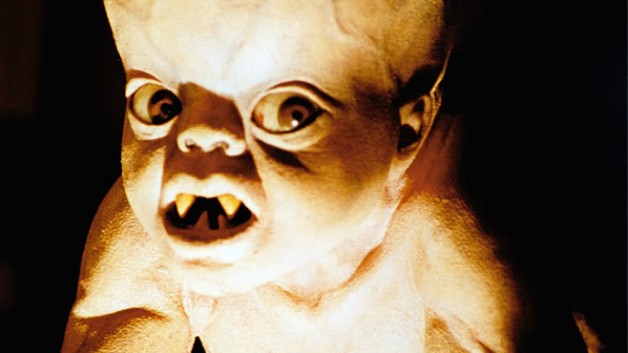
This course interrogates the figure of the child that, as Robin Wood (1985) reminds us, has “figured prominently in horror film as the monster or its medium (202).” This figure—embodied as “innocent” baby, child, or teenager somehow gone wrong—operates as much more than simply an inspirer of terror in this context; it exposes collective anxieties about ourselves: our beliefs, our environment, our desires, and our futures. Rather than following a chronological path, the trajectory of “Creepy Kids” follows the stages of age and development of our contemporary understandings of “normal” infancy, childhood, adolescence and young adulthood, and will explore the cultural significance of the child in horror films through readings, lectures, screenings and (most importantly) discussion. While Calhoun (2009) tells us that “there’s nothing like a little monster to inspire terror among grown-ups,” creepy kids will investigate the complexities of that dread (27). Issues related to gender, race, class, sexuality and (of course) age are crucial here, and we’ll discuss the interconnectedness of all of them—and more—each week we meet.
TENTATIVE SCHEDULE
1. Creepy Kids: the Birth of the Terrible
Lecture/Discussion: Age, the “figure of the child,” maternity, mom, family…and horror
Screening: It’s Alive! (1974)
2. Creepy Kids: (Not so) Malevolent Little Creatures
Discussion/Lecture: “Little children,” “community,” race, class…and horror
Screening: Village of the Damned (1960)
3. Creepy Kids: The Evil Innocent(s)
Lecture/Discussion: Family bonds/parenting, “innocence” and “purity”…and horror
Screening: The Children
4. Creepy Kids: Never Trust Anyone Under 20
Discussion/Lecture: Adolescence, rurality, contemporary moral panics…and horror
Screening: Eden Lake
SUGGESTED (OR FURTHER) READING
Bussing, Sabine. Aliens in the Home: the Child in Horror Fiction. Westport: Greenwood Press, 1987.
Calhoun, John. “Childhood’s End: Let the Right One In and Other Deaths of Innocence.” Cineaste. Winter 2009. 27-31.
Crane, Jonathan Lake. Terror and the Everyday Life: Singular Moments in the History of the Horror Film. Chapel Hill: University of North Carolina, 1994.
Pinedo, Isabel Cristina. “Postmodern Elements of the Contemporary Horror Film.” Journal of Film and Video. Volume 48, Numbers ½ (Spring-Summer 1996): 17-31.
Sobchack, Vivian. “Bringing it all Back Home: Family Economy and Generic Exchange.” The Dread of Difference: Gender and the Horror Film. Barry Keith Grant, ed. Austin: University of Texas Press, 1996: 143-163.
Williams, Tony. Hearths of Darkness: The Family in the American Horror Film. Madison: Fairleigh Dickinson University Press, 1996.
Williams, Tony. “Trying to Survive on the Darker Side: 1980s Family Horror.” The Dread of Difference: Gender and the Horror Film. Barry Keith Grant, ed. Austin: University of Texas Press, 1996:164-180.
Wood, Robin. “An Introduction to the American Horror Film.” Movies and Methods. Volume 2. Bill Nichols, ed. Berkeley/Los Angeles: University of California Press, 1985: 195-220.
Instructor: Candis Steenbergen
Candis cut her horror teeth at an early age, sneaking scary books off her dad’s bookshelf and reading by flashlight late into the night. She graduated to slasher films, B-movies and creature-features shortly thereafter. She received her PhD in Interdisciplinary Humanities from Concordia in 2009, and has been a lecturer at the Simone de Beauvoir Institute of Women’s Studies since 2002, teaching classes on feminism and popular culture, girls and girlhoods, deviant bodies, postfeminism and marxist analysis. She also teaches courses revolving around issues of representation, power and the media in the Humanities department at John Abbott College.
26 October 2011