MIS
KA
TON
IC
Institute of
Horror Studies
Archive
Archive
REGARD SUR LA NANAROPHILIE
9 March 2011
REGARD SUR LA NANAROPHILIE
REGARD SUR LA NANAROPHILIE :
Histoire et théorie de la lecture au deuxième degré
(Seulement en Francais)
Mercredi 9,16 + 23 Mars, 6-9pm
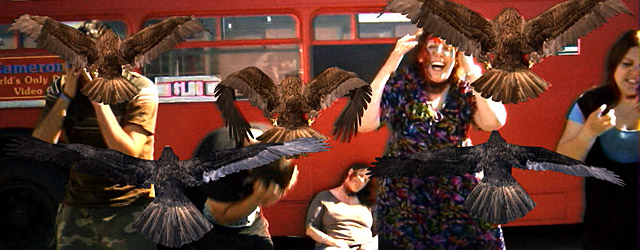
La nanarophilie consiste à regarder un film au deuxième degré dans le but d’en rire. Au lieu de se laisser porter par l’œuvre, le spectateur adopte une position particulière dans laquelle il tire son plaisir des erreurs de production et des intentions manquées du réalisateur. Cette pratique connaît aujourd’hui une certaine popularité auprès d’un public grandissant. Plusieurs amateurs se rassemblent régulièrement dans des bars pour visionner un nanar, un nombre important de sites Web sont consacrés à ce que le cinéma a de pire à offrir et il est désormais courant de trouver au sein de la programmation d’un festival généraliste une projection dite psychotronique. Comme son titre l’indique, le présent séminaire se penchera sur ce phénomène d’un point de vue historique et théorique. En premier lieu, nous tenterons de déterminer le lieu probable de naissance de la nanarophilie et nous suivrons son évolution jusqu’à sa forme actuelle sur Internet. Lors de la deuxième séance, nous aborderons la nanarophilie comme un phénomène de lecture où le spectateur confronte un mauvais film avec sa propre conception d’une œuvre de qualité. Finalement, lors de la dernière séance, nous nous pencherons sur le travail qu’opère Doug Walker, le proclamé «Nostalgia Critic», sur sa mémoire et son rapport personnel avec les films vus lors de son enfance. Nous mènerons également une enquête sur le cas de Birdemic de James Nguyen, une production américaine qui pourrait bien être un intrus. Plusieurs extraits seront présentés dans le cadre des trois séances qui seront toutes suivies d’une projection d’un film à déterminer.
Instructor: Simon Laperrière
Simon Laperrière est programmateur pour le Festival Fantasia depuis 2007. Titulaire d’un baccalauréat en littérature comparée et études cinématographiques, il rédige actuellement un mémoire de maîtrise traitant du mythe des snuff movies. En plus d’avoir récemment participé à plusieurs colloques, il a été publié chez Hors Champ, 24 Images, Offscreen et Twitch Film et a, au cours des années, terrorisé plusieurs stations de radio universitaire. Depuis 2010, il dirige à Fantasia « Camera Lucida », une section vouée aux cinémas de genres iconoclaste. Ses intérêts incluent le cinéma contemporain, la littérature ergodique, la fiction-férale et, bien évidemment, les nanars.
9 March 2011
REGARD SUR LA NANAROPHILIE
Simon Laperrière
9 March 2011
REGARD SUR LA NANAROPHILIE
REGARD SUR LA NANAROPHILIE :
Histoire et théorie de la lecture au deuxième degré
(Seulement en Francais)
Mercredi 9,16 + 23 Mars, 6-9pm
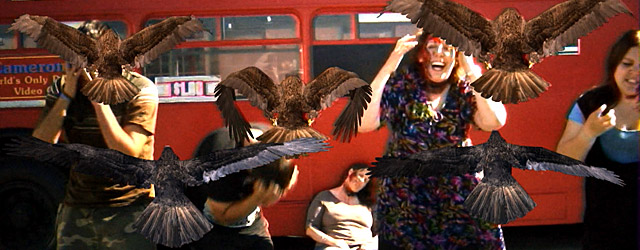
La nanarophilie consiste à regarder un film au deuxième degré dans le but d’en rire. Au lieu de se laisser porter par l’œuvre, le spectateur adopte une position particulière dans laquelle il tire son plaisir des erreurs de production et des intentions manquées du réalisateur. Cette pratique connaît aujourd’hui une certaine popularité auprès d’un public grandissant. Plusieurs amateurs se rassemblent régulièrement dans des bars pour visionner un nanar, un nombre important de sites Web sont consacrés à ce que le cinéma a de pire à offrir et il est désormais courant de trouver au sein de la programmation d’un festival généraliste une projection dite psychotronique. Comme son titre l’indique, le présent séminaire se penchera sur ce phénomène d’un point de vue historique et théorique. En premier lieu, nous tenterons de déterminer le lieu probable de naissance de la nanarophilie et nous suivrons son évolution jusqu’à sa forme actuelle sur Internet. Lors de la deuxième séance, nous aborderons la nanarophilie comme un phénomène de lecture où le spectateur confronte un mauvais film avec sa propre conception d’une œuvre de qualité. Finalement, lors de la dernière séance, nous nous pencherons sur le travail qu’opère Doug Walker, le proclamé «Nostalgia Critic», sur sa mémoire et son rapport personnel avec les films vus lors de son enfance. Nous mènerons également une enquête sur le cas de Birdemic de James Nguyen, une production américaine qui pourrait bien être un intrus. Plusieurs extraits seront présentés dans le cadre des trois séances qui seront toutes suivies d’une projection d’un film à déterminer.
Simon Laperrière
9 March 2011
Read more
9 March 2011
ALL THE COLOURS OF THE DARK: THE ITALIAN GIALLO FILM
Kier-La Janisse
15 February 2011
ALL THE COLOURS OF THE DARK: THE ITALIAN GIALLO FILM
Tuesdays, February 15, 22 + March 1, 6-9pm
(Participants under 18 must have a signed permission slip + ratings waiver from a parent or guardian. DOWNLOAD THE PERMISSION SLIP HERE)
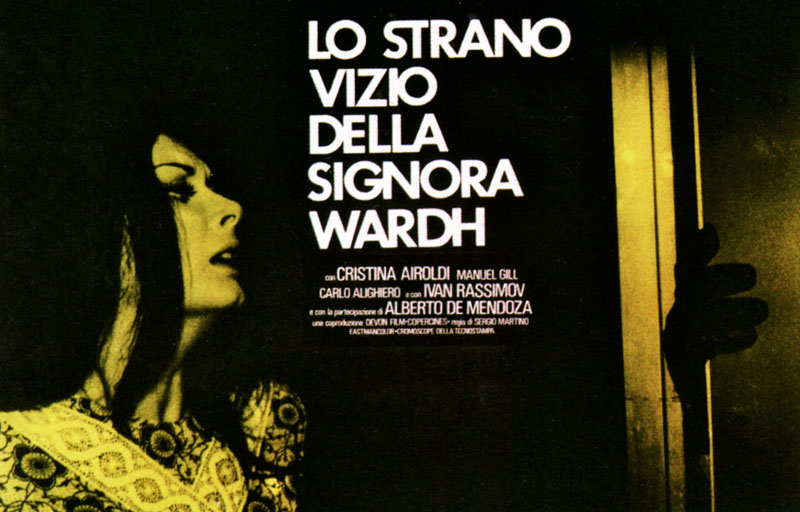
‘Giallo’ (pronounced “jahlo”), literally translated from Italian, means “yellow”. The term came to prominence in the late 1920s when Italy’s Mondadori publishing house started issuing murder mystery novels with yellow covers, originally by British and American writers such as Agatha Christie, Raymond Chandler, Ellery Queen and Ed McBain. Once the giallo made the transition from the printed page to the screen in the mid 1960s, beginning with Mario Bava’s The Girl Who Knew Too Much (AKA The Evil Eye) in 1963, an important distinction began to emerge, notably that extended murder setpieces became the artistic centre of the films, often accompanied by bizarre investigatory practices, melodramatic acting and overpowering musical scores.
This course looks at the peak period of the Italian giallo film (1963 – 1982) and discusses the historical development of the genre as well as its predominant themes and motifs, placing it contextually within the changing landscape of Italian and European popular cinema. Issues covered include misogyny, paranoia, xenophobia, the sexual revolution, alcoholism and self-medication, and the giallo’s fantasy microcosm of leisure and independent wealth. Key giallo figures whose work will be discussed include Mario Bava, Dario Argento, Sergio Martino, Luciano Ercoli, Umberto Lenzi, Lucio Fulci, Massimo Dallamano, Ernesto Gastaldi and others. The course will also look at the giallo’s influence on contemporary cinema (most notably the films of Bruno Forzani and Helene Cattet), pop culture, and the curious legacy of J&B Whiskey.
Pre-requisite: Misogyny in the Movies, with instructor: Candis Steenbergen
Kier-La Janisse
15 February 2011
Read more
15 February 2011
THE HAUNTED HOUSE
Kristopher Woofter
25 January 2011
THE HAUNTED HOUSE
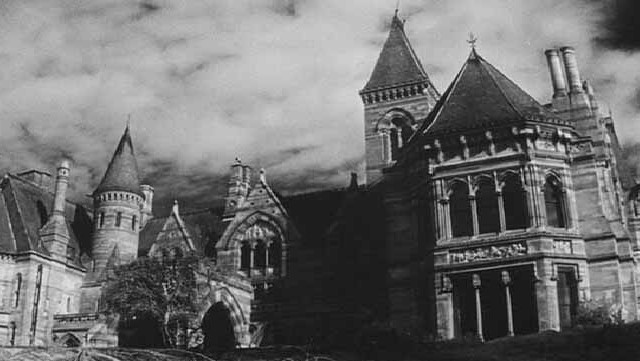
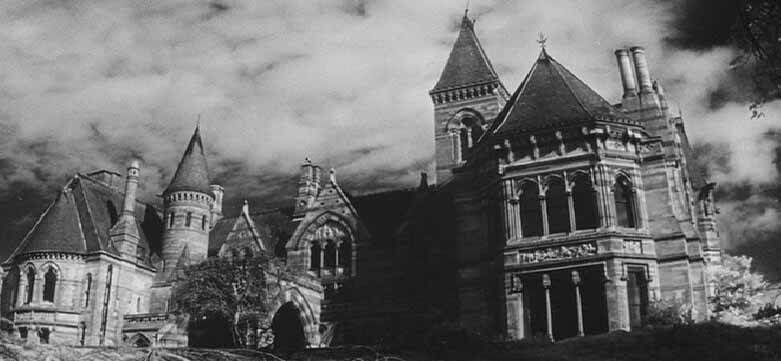
This course explores the characteristic styles, themes and conventions of the ‘haunted house’ film, from early cinema to recent films and television. Films featuring haunted structures express the need for anxieties around the past and future to be given embodiment in objects and structures. These films typically play upon fears of the unknown in nature and the psyche, and evidence a mistrust in the objectivity of modern perceptions of reality. Most recently, these films have used ghosts and haunting as a means of exploring anxieties related to virtual reality as a potentially spectral space. We will begin with an exploration of the Gothic trappings of the films in the ‘old dark house’ tradition, then move on to consider other key haunted house films in a variety of contexts. We also will discuss conceptualizations of haunting as a righting of past wrongs, as a means of ritualizing national and cultural guilt, and as a way to explore anxieties around family and the American Dream. Required reading for the course will be in the form of introductory articles related to the concepts and films we consider. Required viewing for the course will include numerous clips, and three films screened in class.
Kristopher Woofter
25 January 2011
Read more
25 January 2011
THE HAUNTED HOUSE
Kristopher Woofter
25 January 2011
THE HAUNTED HOUSE
Tuesdays, January 25, Feb. 1 and Feb 8, 6-9pm
This course explores the characteristic styles, themes and conventions of the ‘haunted house’ film, from early cinema to recent films and television. Films featuring haunted structures express the need for anxieties around the past and future to be given embodiment in objects and structures. These films typically play upon fears of the unknown in nature and the psyche, and evidence a mistrust in the objectivity of modern perceptions of reality. Most recently, these films have used ghosts and haunting as a means of exploring anxieties related to virtual reality as a potentially spectral space. We will begin with an exploration of the Gothic trappings of the films in the ‘old dark house’ tradition, then move on to consider other key haunted house films in a variety of contexts. We also will discuss conceptualizations of haunting as a righting of past wrongs, as a means of ritualizing national and cultural guilt, and as a way to explore anxieties around family and the American Dream. Required reading for the course will be in the form of introductory articles related to the concepts and films we consider. Required viewing for the course will include numerous clips, and three films screened in class.
Kristopher Woofter
25 January 2011
Read more
25 January 2011
MISOGYNY IN HORROR
Candis Steenbergen
4 January 2011
MISOGYNY IN HORROR
Ages 16+
(Participants under 18 must have a signed permission slip + ratings waiver from a parent or guardian. DOWNLOAD THE PERMISSION SLIP HERE)
“I always believe in following the advice of the playwright Sardou. He said, ‘Torture the women!’ The trouble today is that we don’t torture women enough.” (Alfred Hitchcock, qtd. in Spoto, 483).
“I like women, especially beautiful ones. If they have a good face and figure, I would much prefer to watch them being murdered than an ugly girl or a man” (Dario Argento, qtd. in Schoell, pp. 54).
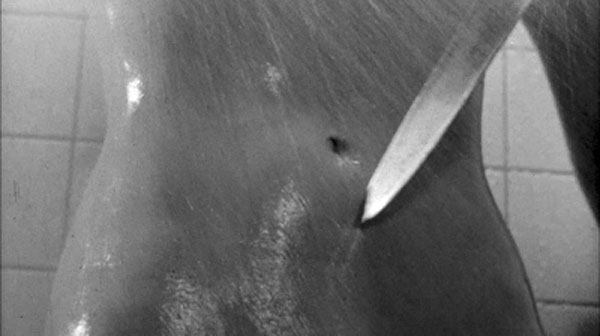
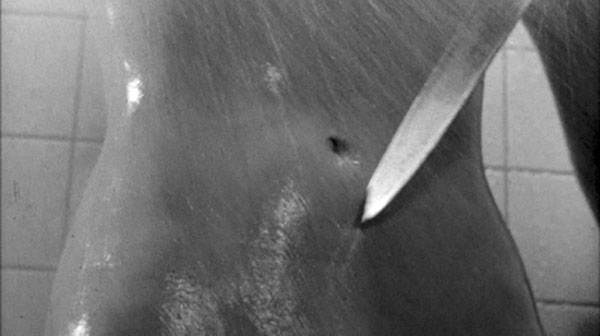
Beginning with the assumption that representations of “the feminine” and the female body illuminate broader, historical fascinations with and anxieties over gender, sexuality and the body, this course sets its sights (and sites) on misogyny, sexism, patriarchy and power as naturalized tropes in horror worthy of investigation. Women’s bodies––as slashed, maimed, mutilated and murdered, as sexually deviant and devious, as monstrous and horrifying, and even as the victim-hero––scream for interrogation, particularly by those who consume her time and time again. In a few short classes, we’ll turn a critical eye on these familiar images, asking key questions about why women are the prime victims in these films, what ideas about gender, sexuality and the body they normalize, what (and whose) fantasies are addressed when a film’s aesthetic centerpiece is a woman’s death (and for what purpose), and how we––as fans of the genre––engage with these images. These representations leave more than beautiful corpses and cliché in their wake: they provide insight into the often invisible mechanisms at work across the terrain of horror; expose the historical contexts in which they operate off-screen; and, sometimes, provide spaces and places for resistance to those very same systems of power.
—————————
Instructor: Candis Steenbergen
Candis cut her horror teeth at an early age, sneaking scary books off her dad’s bookshelf and reading by flashlight late into the night. She graduated to slasher films, B-movies and creature-features shortly thereafter. She received her PhD in Interdisciplinary Humanities from Concordia in 2009, and has been a lecturer at the Simone de Beauvoir Institute of Women’s Studies since 2002, teaching classes on feminism and popular culture, girls and girlhoods, deviant bodies, postfeminism and marxist analysis. She also teaches courses revolving around issues of representation, power and the media in the Humanities department at John Abbott College.
NOTE: This course is a pre-requisite for the courses ALL THE COLOURS OF THE DARK: THE ITALIAN GIALLO FILM and GETTING EVEN: A HISTORY OF THE RAPE-REVENGE FILM
————————–
Cited, borrowed from and of interest:
Clover, C. Men, Women and Chainsaws: Gender in the Modern Horror Film. NJ: Princeton, 1992.
Freeland, C. “Feminist Frameworks for Horror Films.” Pp. 742-763.
Schoell, W. Stay out of the Shower: Twenty-Five Years of Shocker Films Beginning with Psycho. NY: Dembner, 1985.
Spoto, D. The Dark Side of Genius: The Life of Alfred Hitchcock. NY: Ballantine Press, 1983.
Candis Steenbergen
4 January 2011
Read more
4 January 2011
MISOGYNY IN HORROR
Candis Steenbergen
4 January 2011
MISOGYNY IN HORROR
Tuesdays, January 4, 11 + 18, 6-9pm
Ages 16+
(Participants under 18 must have a signed permission slip + ratings waiver from a parent or guardian. DOWNLOAD THE PERMISSION SLIP HERE)
“I always believe in following the advice of the playwright Sardou. He said, ‘Torture the women!’ The trouble today is that we don’t torture women enough.” (Alfred Hitchcock, qtd. in Spoto, 483).
“I like women, especially beautiful ones. If they have a good face and figure, I would much prefer to watch them being murdered than an ugly girl or a man” (Dario Argento, qtd. in Schoell, pp. 54).
Beginning with the assumption that representations of “the feminine” and the female body illuminate broader, historical fascinations with and anxieties over gender, sexuality and the body, this course sets its sights (and sites) on misogyny, sexism, patriarchy and power as naturalized tropes in horror worthy of investigation. Women’s bodies––as slashed, maimed, mutilated and murdered, as sexually deviant and devious, as monstrous and horrifying, and even as the victim-hero––scream for interrogation, particularly by those who consume her time and time again. In a few short classes, we’ll turn a critical eye on these familiar images, asking key questions about why women are the prime victims in these films, what ideas about gender, sexuality and the body they normalize, what (and whose) fantasies are addressed when a film’s aesthetic centerpiece is a woman’s death (and for what purpose), and how we––as fans of the genre––engage with these images. These representations leave more than beautiful corpses and cliché in their wake: they provide insight into the often invisible mechanisms at work across the terrain of horror; expose the historical contexts in which they operate off-screen; and, sometimes, provide spaces and places for resistance to those very same systems of power.
—————————
Instructor: Candis Steenbergen
Candis cut her horror teeth at an early age, sneaking scary books off her dad’s bookshelf and reading by flashlight late into the night. She graduated to slasher films, B-movies and creature-features shortly thereafter. She received her PhD in Interdisciplinary Humanities from Concordia in 2009, and has been a lecturer at the Simone de Beauvoir Institute of Women’s Studies since 2002, teaching classes on feminism and popular culture, girls and girlhoods, deviant bodies, postfeminism and marxist analysis. She also teaches courses revolving around issues of representation, power and the media in the Humanities department at John Abbott College.
NOTE: This course is a pre-requisite for the courses ALL THE COLOURS OF THE DARK: THE ITALIAN GIALLO FILM and GETTING EVEN: A HISTORY OF THE RAPE-REVENGE FILM
————————–
Cited, borrowed from and of interest:
Clover, C. Men, Women and Chainsaws: Gender in the Modern Horror Film. NJ: Princeton, 1992.
Freeland, C. “Feminist Frameworks for Horror Films.” Pp. 742-763.
Schoell, W. Stay out of the Shower: Twenty-Five Years of Shocker Films Beginning with Psycho. NY: Dembner, 1985.
Spoto, D. The Dark Side of Genius: The Life of Alfred Hitchcock. NY: Ballantine Press, 1983.
Candis Steenbergen
4 January 2011
Read more
4 January 2011
THE FILMS OF MARIO BAVA
Donato Totaro
30 November 2010
THE FILMS OF MARIO BAVA
Tuesday Nov. 30, Wednesday Dec. 8th, Tuesday Dec. 14th – 6-9pm
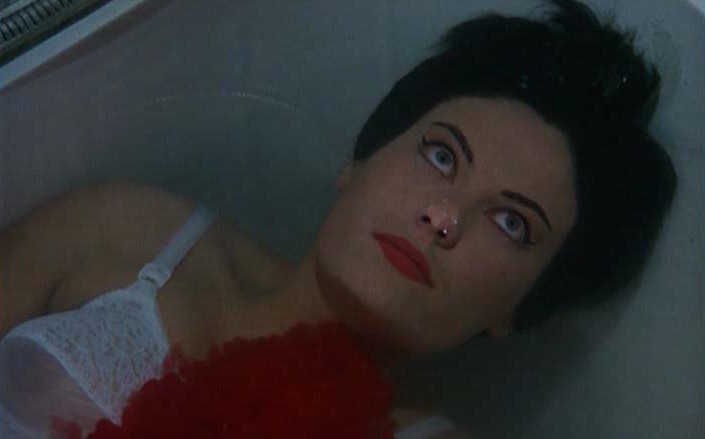
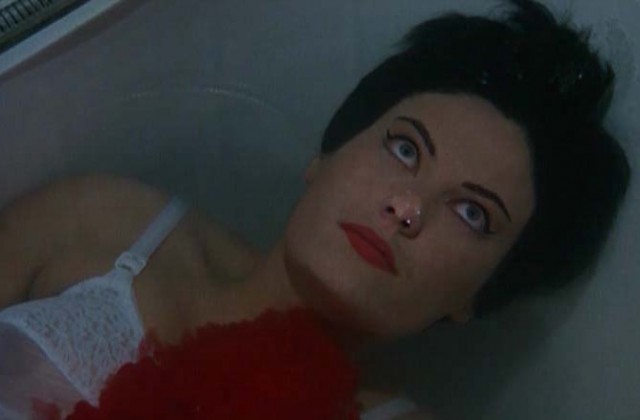
Over the past 30 years Italian director Mario Bava has gone from relative obscurity to being acknowledged as perhaps the most significant and influential Post World War 2 European horror director. While Italian film critics were slow to appreciate his talents, Bava had plenty of critical and professional admirers across the Atlantic, including such directors as Martin Scorsese, Tim Burton, Joe Dante, John Carpenter and Quentin Tarantino. This course will examine Bava’s enduring legacy by first situating him within the Post WW2 Italian film industry, where the dominant genre changed according to popular trend (peplum, giallo, spaghetti western, gothic horror, crime film, etc.), and then with close analysis of some of his key films to arrive at an understanding of his unique stylistic and thematic contributions to the horror genre. The approach of the course will be to perform close formal analysis of shots and scenes to demonstrate Bava’s unique atmospheric treatment of space through camera movement, lighting, and inventive technical solutions to creative problems. Bava was a master of many genres and experimented with different strains of the horror film, including science-fiction/horror, peplum/horror, psychological horror and the supernatural, but the course will focus on his groundbreaking contributions to the giallo (a sub-genre for which Bava laid down the foundation) and the gothic. Films/extracts to be screened include I Vampyr (1956), La maschera del demonio/The Mask of Satan (1960), I tre volti della paura/Black Sabbath (1963), La ragazza che sapeva troppo/The Evil Eye (1963), Sei donne per l’assassino/Blood and Black Lace (1964), Operazione paura/Kill Baby, Kill (1966), and Reazione a catena/Twitch of the Death Nerve (1971).
Instructor: Donato Totaro
Donato Totaro received his PhD in Film & Television from the University of Warwick (UK) and has been a Film Studies lecturer at Concordia University (Montreal, Canada) since 1990. Totaro has been the editor of the online film journal Offscreen since its inception in 1997 and member of AQCC “Association québécoise des critiques de cinéma” since 2004. Totaro has published extensively on horror cinema, including articles/essays in Cult TV (2010), 100 European Horror Films (2007), The Cinema of Japan and Korea (2004), Fear Without Frontiers (2003), Eaten Alive!: Italian Cannibal and Zombie Movies, and magazines The Dark Side and Fangoria.
Donato Totaro
30 November 2010
Read more
30 November 2010
THE FILMS OF MARIO BAVA
Donato Totaro
30 November 2010
THE FILMS OF MARIO BAVA
Over the past 30 years Italian director Mario Bava has gone from relative obscurity to being acknowledged as perhaps the most significant and influential Post World War 2 European horror director. While Italian film critics were slow to appreciate his talents, Bava had plenty of critical and professional admirers across the Atlantic, including such directors as Martin Scorsese, Tim Burton, Joe Dante, John Carpenter and Quentin Tarantino. This course will examine Bava’s enduring legacy by first situating him within the Post WW2 Italian film industry, where the dominant genre changed according to popular trend (peplum, giallo, spaghetti western, gothic horror, crime film, etc.), and then with close analysis of some of his key films to arrive at an understanding of his unique stylistic and thematic contributions to the horror genre. The approach of the course will be to perform close formal analysis of shots and scenes to demonstrate Bava’s unique atmospheric treatment of space through camera movement, lighting, and inventive technical solutions to creative problems. Bava was a master of many genres and experimented with different strains of the horror film, including science-fiction/horror, peplum/horror, psychological horror and the supernatural, but the course will focus on his groundbreaking contributions to the giallo (a sub-genre for which Bava laid down the foundation) and the gothic. Films/extracts to be screened include I Vampyr (1956), La maschera del demonio/The Mask of Satan (1960), I tre volti della paura/Black Sabbath (1963), La ragazza che sapeva troppo/The Evil Eye (1963), Sei donne per l’assassino/Blood and Black Lace (1964), Operazione paura/Kill Baby, Kill (1966), and Reazione a catena/Twitch of the Death Nerve (1971).
Donato Totaro
30 November 2010
Read more
30 November 2010
THE MONSTERS OF HAMMER HORROR
Mario DeGiglio-Bellemare
9 November 2010
THE MONSTERS OF HAMMER HORROR
Tuesdays, Nov. 9. 16 + 23, 7-10pm
“I went to see Dracula, a Hammer film, prepared to enjoy a nervous giggle. I was even ready to poke gentle fun at it. I came away revolted and outraged… Laughable nonsense? Not when it is filmed like this, with realism and with the modern conveniences of colour and the wide screen.” – Nina Hibbin in The Daily Worker (24/05/1958)
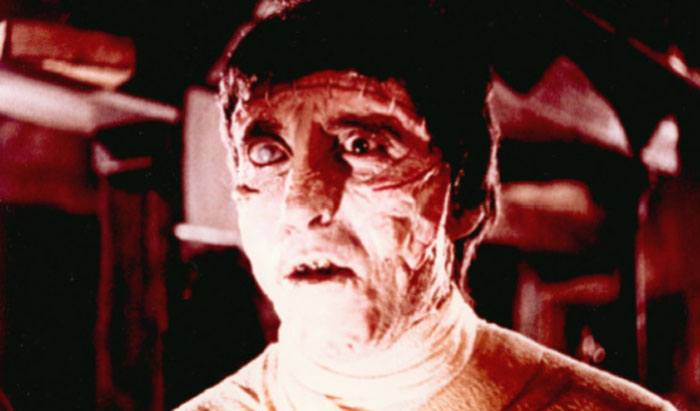
This course will examine Hammer horror films through their most distinctive feature: the centrality of the monster. From the Italian monstrare (to show), the monster exists to be read: it warns and reveals. This course will read Hammer films through a look at its monsters – such as the Frankenstein monster, vampires, werewolves, zombies, mummies, devil worshippers, and of course, the Baron and Count – as an essential ingredient in the studio’s massive success in the 1950s through to its ultimate decline in the 1970s. The immense popularity of Hammer horror within the youth culture of the late-1950s, and the outright dismissal of the films by the British critics at the time, can be linked in part to a radical shift in the construction of its monsters. Unlike many of the horror films coming from the U.S.A. in the 1950s, Hammer monsters, like Christopher Lee’s Dracula (Terence Fisher, 1958), were “awe-ful” in a paradoxical or ambivalent way. In other words, fear of the monster (awful) is really a kind of desire (full of awe). Hammer visionaries of the 1950s and 1960s created monsters that creatively balanced characteristics of repulsion and attraction. However, this “paradox of the monstrous” began to come undone in the early-1970s, especially as it was linked to questions of woman’s agency and the fear of female sexuality.
The individual films examined in the course will be critically appraised within the socio-political, cultural, and historical context in which they were made and viewed. As a controversial yet popular cinematic form in the UK, Hammer horror films offer a resonant frame through which to analyze conflicting social controversies in the decade of the 1950s, 1960s, and 1970s, especially as they relate to questions of gender and sexuality. Using the definitions of the monster suggested by Jeffrey Jerome Cohen, in his essay “Monster Culture (Seven Theses),” this course will examine films from each of these decades in order to trace a history of “monster creation” in Hammer Studios.
Questions we will be asking:
What do Hammer monsters reveal to us about the attraction of evil? What do Hammer monsters reveal to us about the social disgust of women’s sexuality? How do Hammer monsters represent the paradox of the monstrous in different historical contexts? How do Hammer films represent the monster as “us”? How do Hammer films represent monsters as “them”? What is the difference?
Students aged 18+ who are enrolled in this course may also attend the supplementary screening of THE CURSE OF FRANKENSTEIN at Blue Sunshine on Friday November 19th at 8:30pm, free of charge.
Mario DeGiglio-Bellemare
9 November 2010
Read more
9 November 2010