MIS
KA
TON
IC
Institute of
Horror Studies
Archive
Archive
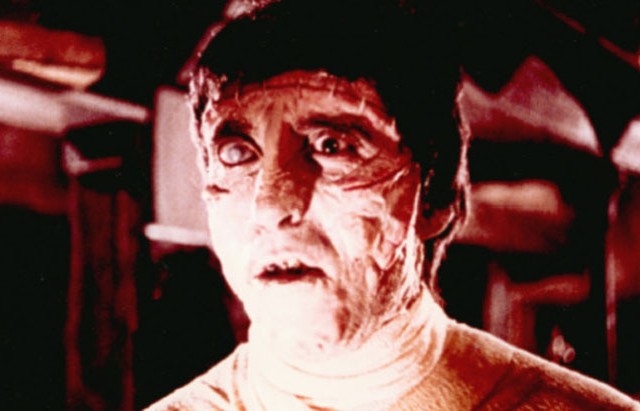
THE MONSTERS OF HAMMER HORROR
Mario DeGiglio-Bellemare
9 November 2010
THE MONSTERS OF HAMMER HORROR
“I went to see Dracula, a Hammer film, prepared to enjoy a nervous giggle. I was even ready to poke gentle fun at it. I came away revolted and outraged… Laughable nonsense? Not when it is filmed like this, with realism and with the modern conveniences of colour and the wide screen.” – Nina Hibbin in The Daily Worker (24/05/1958)
This course will examine Hammer horror films through their most distinctive feature: the centrality of the monster. From the Italian monstrare (to show), the monster exists to be read: it warns and reveals. This course will read Hammer films through a look at its monsters – such as the Frankenstein monster, vampires, werewolves, zombies, mummies, devil worshippers, and of course, the Baron and Count – as an essential ingredient in the studio’s massive success in the 1950s through to its ultimate decline in the 1970s. The immense popularity of Hammer horror within the youth culture of the late-1950s, and the outright dismissal of the films by the British critics at the time, can be linked in part to a radical shift in the construction of its monsters. Unlike many of the horror films coming from the U.S.A. in the 1950s, Hammer monsters, like Christopher Lee’s Dracula (Terence Fisher, 1958), were “awe-ful” in a paradoxical or ambivalent way. In other words, fear of the monster (awful) is really a kind of desire (full of awe). Hammer visionaries of the 1950s and 1960s created monsters that creatively balanced characteristics of repulsion and attraction. However, this “paradox of the monstrous” began to come undone in the early-1970s, especially as it was linked to questions of woman’s agency and the fear of female sexuality.
The individual films examined in the course will be critically appraised within the socio-political, cultural, and historical context in which they were made and viewed. As a controversial yet popular cinematic form in the UK, Hammer horror films offer a resonant frame through which to analyze conflicting social controversies in the decade of the 1950s, 1960s, and 1970s, especially as they relate to questions of gender and sexuality. Using the definitions of the monster suggested by Jeffrey Jerome Cohen, in his essay “Monster Culture (Seven Theses),” this course will examine films from each of these decades in order to trace a history of “monster creation” in Hammer Studios.
Questions we will be asking:
What do Hammer monsters reveal to us about the attraction of evil? What do Hammer monsters reveal to us about the social disgust of women’s sexuality? How do Hammer monsters represent the paradox of the monstrous in different historical contexts? How do Hammer films represent the monster as “us”? How do Hammer films represent monsters as “them”? What is the difference?
Students aged 18+ who are enrolled in this course may also attend the supplementary screening of THE CURSE OF FRANKENSTEIN at Blue Sunshine on Friday November 19th at 8:30pm, free of charge.
Mario DeGiglio-Bellemare
9 November 2010
Read more
9 November 2010
REALITY HORROR
Kristopher Woofter
19 October 2010
REALITY HORROR
Tuesdays, Oct. 19, 26 + Nov. 2 – 6-9pm
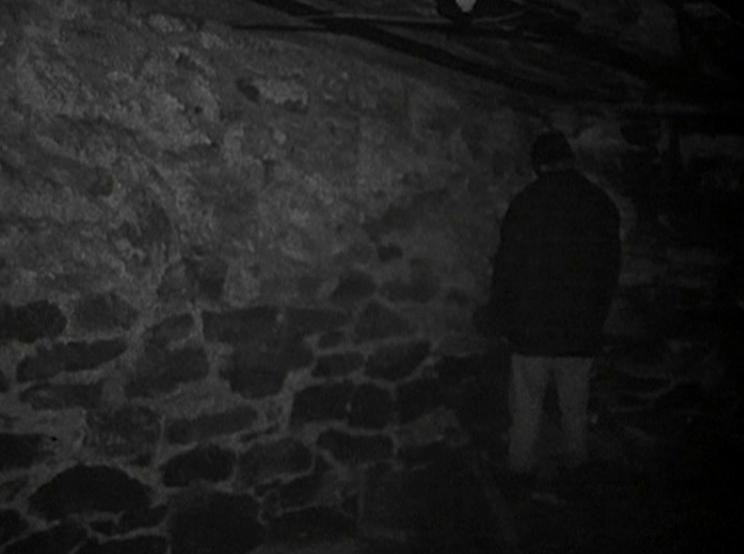
This course looks at a popular sub-genre of horror films that blend a documentary aesthetic with traditional horror conventions to produce a hybrid form of horror cinema. Characterized by such films as The Blair Witch Project (1999), George A. Romero’s Diary of the Dead (2007), Cloverfield (2008) and Paranormal Activity (2009), ‘reality horror’ films seem particularly suited to expressing millennial and/or post-9/11 anxieties regarding not only individual and social security, but also ambivalent attitudes towards technology, new media and online databases such as YouTube and Google Video. The continued popularity of this trend also constitutes an important aesthetic shift in horror cinema. In this course, we will look at some of the trends, conventions and themes in horror cinema that have informed the ‘reality horror’ film. Some of the questions we will start with are: To what extent do these horror films renegotiate the intersection between horror and documentary? In what ways do these films link the forbidden unknowns typical of horror to fears of being lost in a virtual reality? What is these films’ relationship to other reality styles, such as ‘Mondo’ films, snuff films, gothic documentaries, found-footage films, reality TV and home movies. Required reading for the course will be in the form of articles related to the films we view. Required viewing for the course will include a variety of clips, two films screened in class, and a field-trip screening of Paranormal Activity 2. (admission included in course cost)
Kristopher Woofter
19 October 2010
Read more
19 October 2010
INTRODUCTION TO HORROR FILM CRITICISM FOR TEENS
Kier-La Janisse
5 October 2010
INTRODUCTION TO HORROR FILM CRITICISM FOR TEENS
Instructor: Kier-La Janisse
Tuesday Oct. 5 + Tuesday Oct. 12, 6-9pm
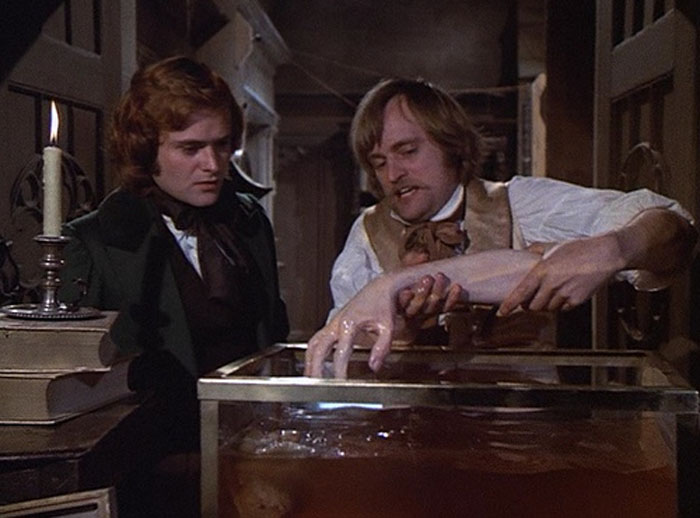
Miskatonic director and longtime horror writer/film programmer Kier-La Janisse kicks off the Miskatonic season with this 2-evening course on horror film criticism for teens aged 14+. The course will focus on developing an aptitude for critical interpretation, using Jack Smight’s 1973 Frankenstein: The True Story as a focal point. Examples of various historical schools of writing and interpretation will accompany open discussion in class, as well as individual review assignments. Each participant will be given a movie to take home and review using the tools and insider tips discussed in class, and these reviews will be posted on the Fangoria Magazine website’s Miskatonic Blog!
Kier-La Janisse
5 October 2010
Read more
5 October 2010
ADAPTING LOVECRAFT FOR THE SCREEN: A MASTER CLASS WITH STUART GORDON AND DENNIS PAOLI
Dennis Paoli
18 July 2010
ADAPTING LOVECRAFT FOR THE SCREEN: A MASTER CLASS WITH STUART GORDON AND DENNIS PAOLI
Sunday July 18th, 2pm-4pm
The Miskatonic Institute of Horror Studies has recently found a permanent home at Blue Sunshine, and who better to christen the new pad than the writing/directing team behind the most beloved HP Lovecraft film adaptations of all time?
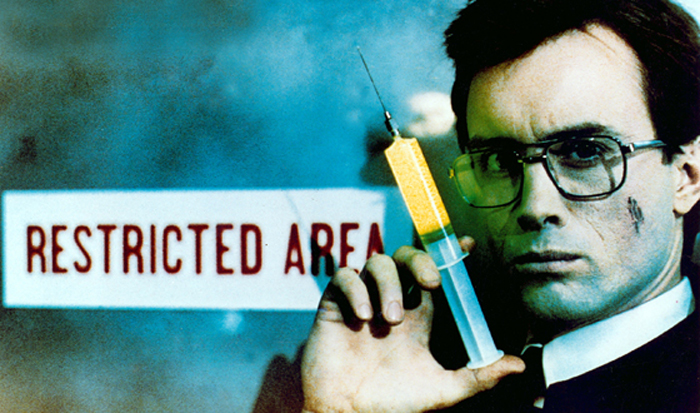
Stuart Gordon and Dennis Paoli ( Re-Animator, From Beyond, Dagon) will be the inaugural instructors at Miskatonic’s new home, and will be delivering a two-hour masterclass on adapting Lovecraft to the screen – the challenges, the techniques and some insight as to why their films stand out amidst a sea of historically troubled counterparts.Their masterclass will be happening at Blue Sunshine (3660 St-Laurent, 3rd Floor) on Sunday July 18th from 2pm-4pm and will be followed by a Q&A period. Seating is limited, as Blue Sunshine is a small space (max 50 people!), so it is a rare chance to be in an intimate environment with some of the genre’s leading lights.
——————-
Stuart Gordon and Dennis Paoli – along with cult icon and Re-Animator star Jeffrey Combs – will be in Montreal for the Fantasia Festival to present their one-man play “Nevermore: An Evening With Edgar Allan Poe”. More details at the Fantasia website!
Dennis Paoli
18 July 2010
Read more
18 July 2010