MIS
KA
TON
IC
Institute of
Horror Studies
Archive
Archive
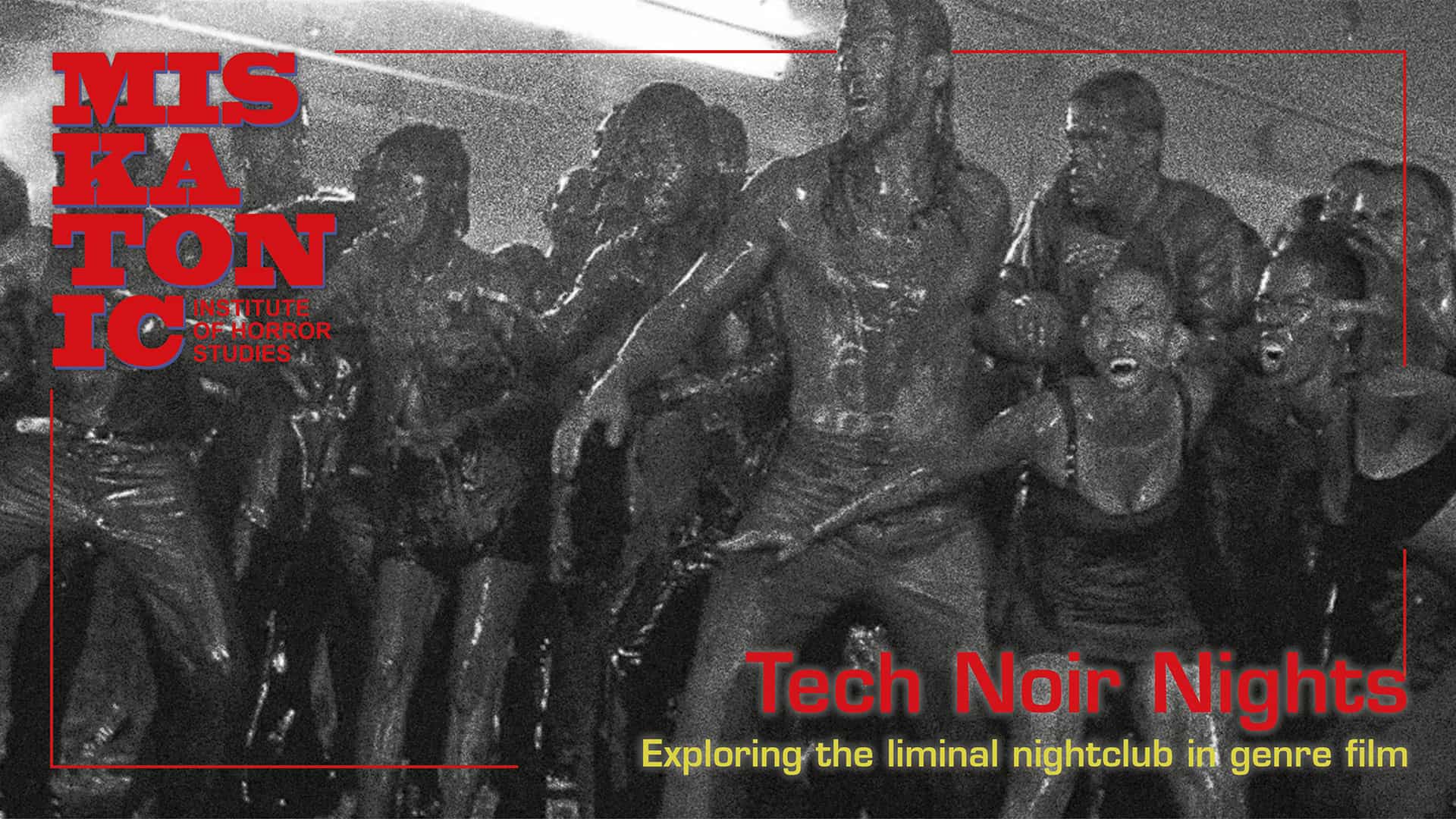
Tech Noir Nights - Exploring the liminal nightclub in genre film (London)
Daniel Pietersen
10 December 2024
Tech Noir Nights - Exploring the liminal nightclub in genre film (London)
I’m in this bar called Tech Noir.
I know it. It’s on Pico.
There was a time – a time always only slightly in the future – when a certain kind of film seemed to feature a certain type of scene, set in a certain kind of place. The lights dimmed, the music rose and bodies began to writhe under burning neon and flashing strobes. You know the place. You’ve been there. You can call it Tech Noir or The Boiler Room but this place is really one place, and it goes by one name:
Nightclub.
Even in the real world nightclubs are weird places. As welcoming as they are threatening, untrustworthy lights illuminating a crepuscular space between night and day. Between the real and unreal. Clubbers play by their own rules, different from those of the outside world, and masks hide their daytime faces. Smoke billows. Eyes stare. Hands drag you onto the haunted dance floor…
In this lecture Daniel Pietersen will explore depictions of nightclubs in genre film and investigate how those scenes aren’t just a breathing space for the characters, a moment of reflection for the audience or simply an opportunity for the producers to push one more song onto the soundtrack album. Rather, this talk will outline how they work as liminal, transitional pivots where our understanding of their host film’s narrative is broken down, reconfigured and often subverted; it’s inside Tech Noir where we learn, as horrified as Sarah Connor, of The Terminator’s true nature; the ghost of Alex Murphy starts to reappear underneath the industrial hammering of RoboCop’s anonymous club; Pinhead performs that most transgressive of horror film blasphemies and changes the rules in the infernal Boiler Room of Hellraiser III.
Most fundamentally, this lecture will interrogate how the cultural understanding that nightclubs are play-grounds – where daytime rules don’t fully apply – allows filmmakers an opportunity to play with, or wholly transgress, film’s structures and conventions in a way that can be opposed in more mainstream genres. It will look at how the confusion of duration and persistence inherent in the nightclub experience allows physical appearance or emotional personae to change and develop, facilitating a process of narrative and character development often more natural, often more convincing, than more filmic methods like montage or exposition.
You might be murdered on the dance floor so come with me if you want to live.
Daniel Pietersen
10 December 2024
Read more
10 December 2024

“The Screams of His Poor Bride”: Daria Nicolodi’s Vengeful Screenwriting and the Erasure of Women’s Work (Online)
Producer, writer, and actor Daria Nicolodi is often identified simply as Dario Argento’s muse. This vague term is frequently used to obscure women’s status as active professional collaborators, a role Nicolodi certainly played both onscreen and behind the scenes of career-defining Argento films. While many critics have acknowledged Nicolodi’s influence, there is a hesitance to identify her as more than an extension of her long-term partner. In this fascinating and necessary lecture, Dr. Anne Young presents her incisive research into Daria Nicolodi’s career and efforts to claim the credit she was owed.
“The Screams of His Poor Bride” will discuss Nicolodi’s often-unacknowledged contributions to Italian genre classics and identify her artistic trademarks. It will also examine how she re-appropriated her essential contributions to SUSPIRIA through her scripts for the low-budget, often-maligned Luigi Cozzi films PAGANINI HORROR and DE PROFUNDIS (aka THE BLACK CAT). These films subversively interweave Nicolodi’s original ideas with her commentary on the danger posed to female creators by the worship of male auteurs. This will provide an inroad to discussing how women’s work is often uncredited and even unpaid, creating the harmful impression that there is a genuine lack of important female achievements. Through a historical analysis of women’s labor in general, and Daria Nicolodi’s legacy specifically, we can come to understand how certain contributions are erased, and how they can be identified and reclaimed.
Anne Young
19 November 2024
Read more
19 November 2024
In The Eye of the Beholder: imaging and imagining UFOs (London)
Dr. David Clarke and Andrew Robinson
12 November 2024
In The Eye of the Beholder: imaging and imagining UFOs (London)
Everyone has an idea of what a UFO might look like but where do these ideas originate and how have they become so influential? Using their experience of discovering, analysing and publishing the only known photograph of the Calvine UFO sighting of 1990, Dr David Clarke and Andrew Robinson from the Centre for Contemporary Legend at Sheffield Hallam University, examine the visual folklore and legend surrounding UFO sightings. Their talk will explore the representation of UFOs in popular culture, academic study and online contexts and reflect on the public interest following publication of the Calvine photograph in the summer of 2022, which resulted in the online sharing of numerous conspiracy theories, false claims and bizarre interpretations that did as much to obfuscate as to as reveal a possible explanation for the image.
This insider’s view of contemporary UFO analysis and debate includes a practical demonstration of UFO fakery and a participatory activity.
Dr. David Clarke and Andrew Robinson
12 November 2024
Read more
12 November 2024
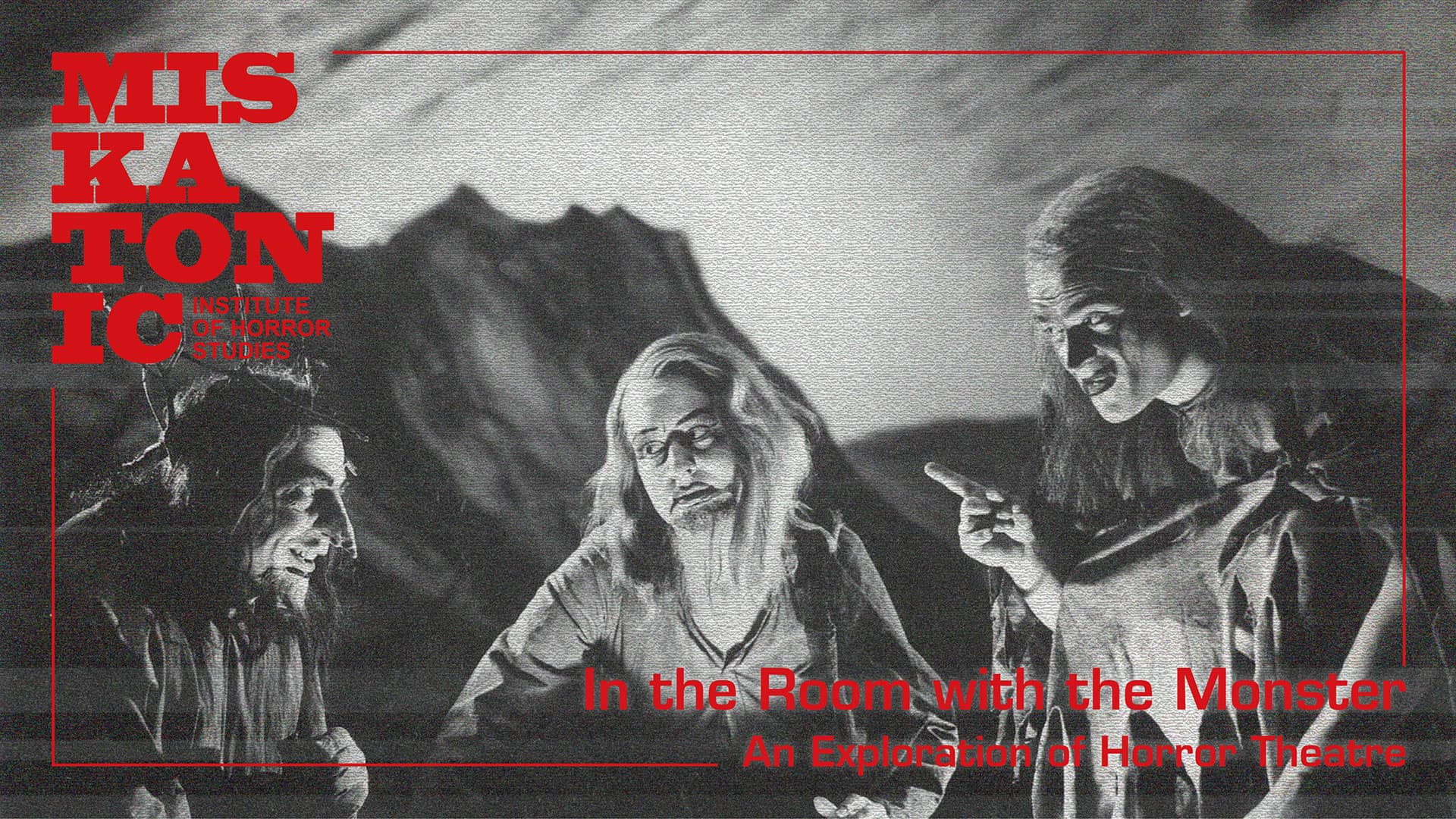
In the Room with the Monster: An Exploration of Horror Theatre (Online)
Felicia Lobo
29 October 2024
In the Room with the Monster: An Exploration of Horror Theatre (Online)
While movies and TV tend to get top billing in the field of horror studies, Miskatonic is pleased to present an exploration of genre theater with scholar and director Felicia Lobo. What sets horror theatre apart is the visceral experience: being in the same room as a monster, feeling its breath, and shuddering in its presence. This lecture explores how horror is evoked in audiences through stagecraft, without the benefit of editing or post-production.
The discussion begins with the introduction of violence on stage in Seneca’s Phaedra, followed by analysis of Shakespeare’s use of the supernatural in plays like Macbeth. The instructor then dissects the Grand Guignol’s shocking, blood-soaked spectacles and its early use of special effects, before describing how British “In-Yer-Face Theatre” tests the audience’s tolerance for brutality. The power of physical performance will be highlighted through the examples of Benedict Cumberbatch in Nick Dear’s Frankenstein, and the vampires in Jack Thorne’s Let The Right One In. The inclusion of ghosts in plays like The Piano Lesson and The Thin Place shows how theater can interrogate generational trauma cycles, and by contrast, students will see how horror musicals such as Sweeney Todd, Bat Boy, and Carrie use melody and comedy to delve into the macabre. The class will close with a discussion of the special stage effects that can immerse audiences in a nightmarish realm. Please join us for this deep dive into the art of terrifying live audiences, just in time for Halloween.
Felicia Lobo
29 October 2024
Read more
29 October 2024
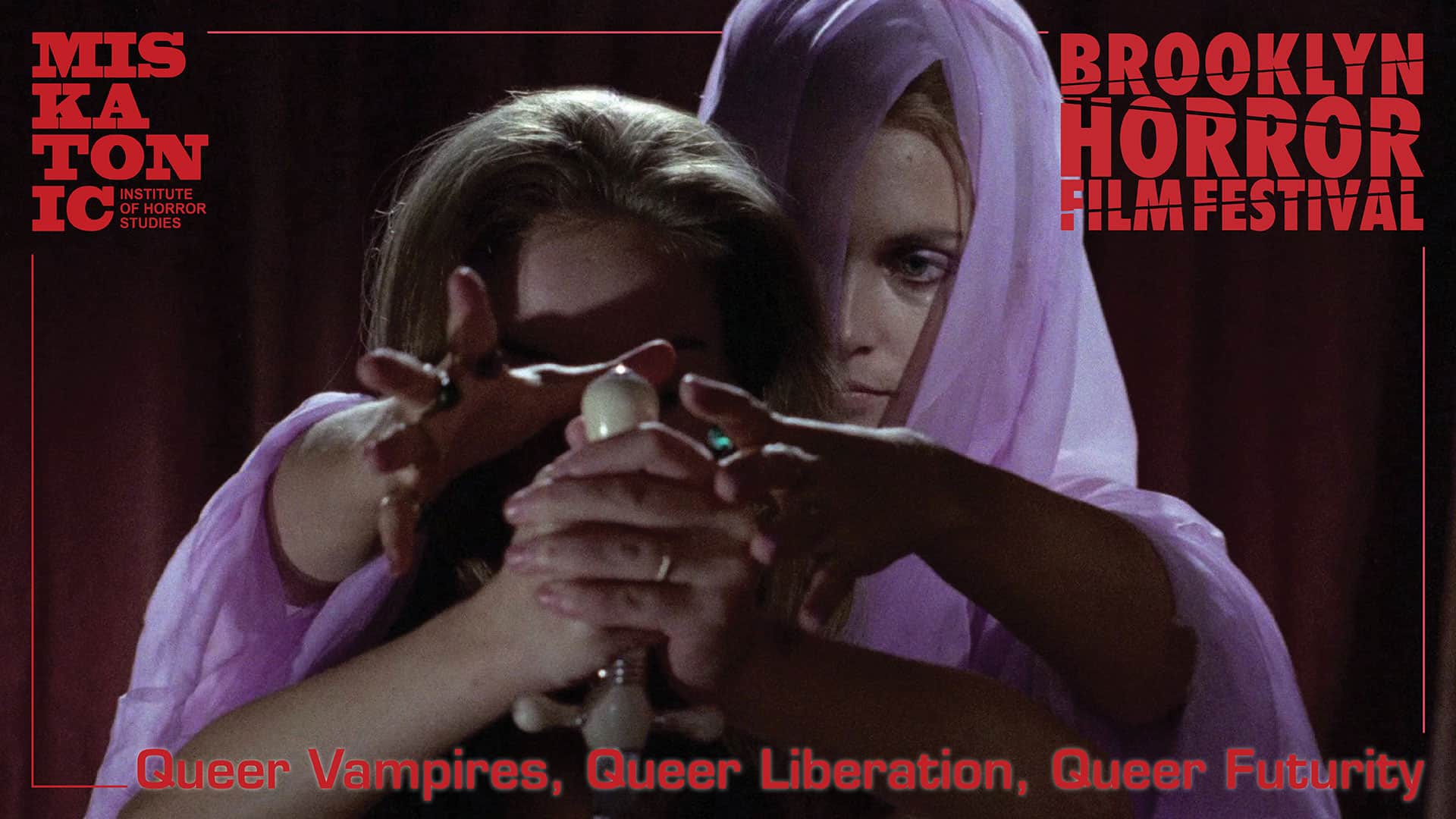
Brooklyn Horror Film Festival Event: Queer Vampires, Queer Liberation, Queer Futurity (NYC)
Leah Richards
22 October 2024
Brooklyn Horror Film Festival Event: Queer Vampires, Queer Liberation, Queer Futurity (NYC)
Please note that this is a LIVE, IN-PERSON ONLY EVENT, and students will need to purchase tickets from the Brooklyn Horror Film Festival. This one-off class is not included with either of the MIHS semester passes.
As any vampire scholar, and most vampire fans, will tell you, the figure of the vampire is inherently queer. John Polidori based Lord Ruthven (“The Vampyre,” 1818) on the indiscriminately licentious Lord Byron; J. Sheridan Le Fanu’s Carmilla (“Carmilla,” 1872) still dominates the lesbian vampire genre; and Bram Stoker’s Dracula (Dracula, 1897) tells his three brides that Jonathan Harker “is mine”. Their non-normative reproduction, the pleasure that they take in penetration and feasting, their seduction of victims into voluntary acquiescence, and their capes and ruffles and air of languid dissipation…vampires are queer. But so what?
This lecture will first establish cinematic vampires as almost universally queer-coded and explore the significance of this specific intersection of monstrosity and sexuality. The talk will then explore the alignment of vampire cinema with the queer liberation movement of the 1960s-70s, covering films such as Hammer’s Karnstein trilogy (The Vampire Lovers [1970], Lust for a Vampire [1971], and Twins of Evil [1971]) and its much gayer spiritual relatives including Daughters of Darkness (1971), The Blood Spattered Bride (1972), and Vampyres (1974), as well as recent titles like Bit (2019), Thirst (2020), and So Vam (2021).
Through the work of queer theorists including Lee Edelman, Jack Halberstam, and José Esteban Muñoz, this lecture with Dr. Leah Richards will explore the ways that vampires can contribute to discourses around queer identity, modes of being, and futurity.
Leah Richards
22 October 2024
Read more
22 October 2024
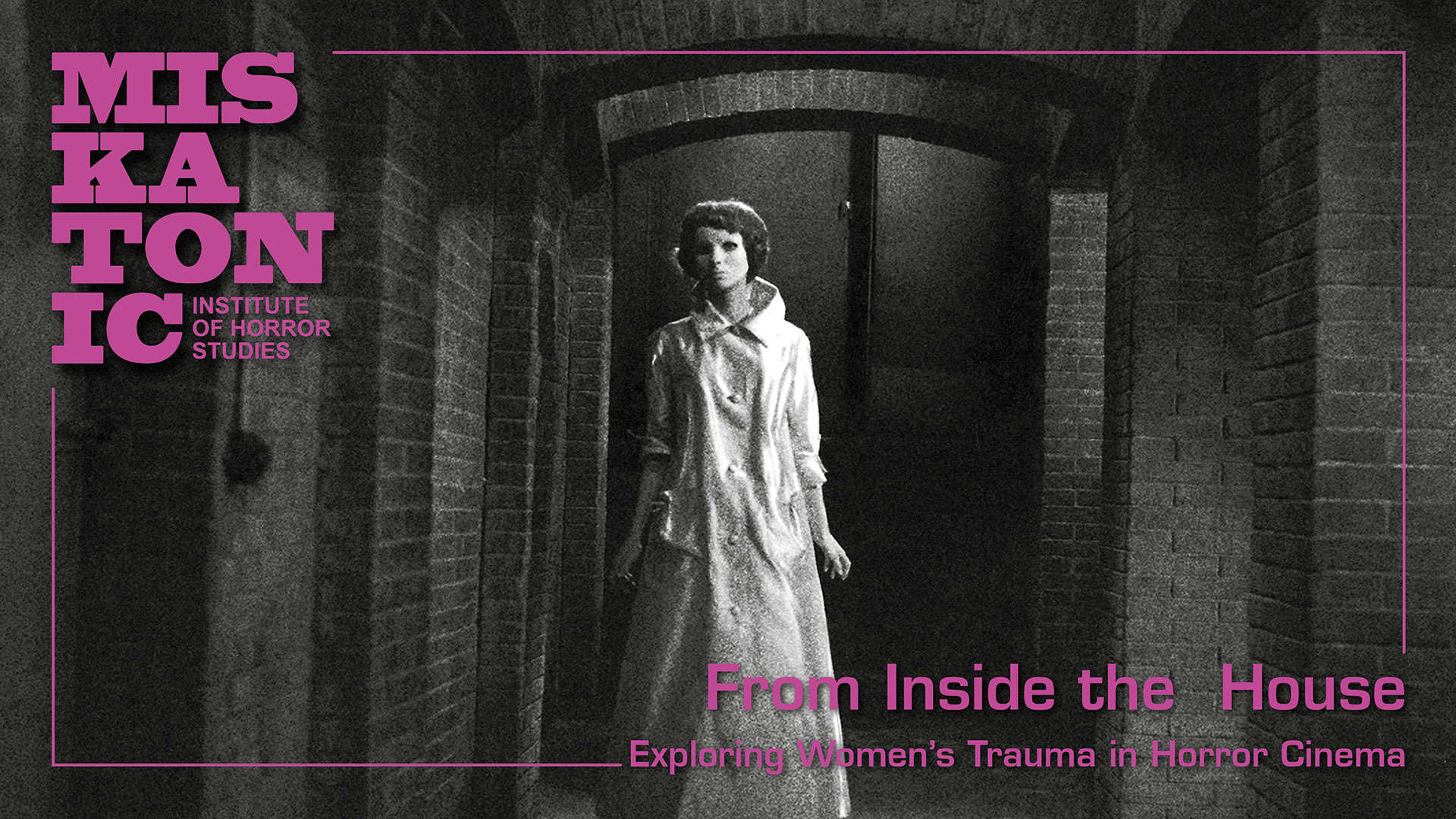
From Inside the House: Exploring Women's Trauma within Horror Cinema (London)
Mo Moshaty
8 October 2024
From Inside the House: Exploring Women's Trauma within Horror Cinema (London)
In this lecture, we deep dive into the analysis of key characters in horror cinema, their stories, and the traumas they reflect within five key categories: Possessed, Vengeful, Grief-stricken, Hysterical, and Objectified. By exploring these portrayals, I aim to shed light on how horror films mirror real-life fears and societal anxieties through their female characters. The female presence in horror has generated not only a mass of financial revenue for the genre, but also created a mainstay of horror focus. They are the main protagonist, the victim, the villain, the antagonist and the expendable but within these roles we can clearly classify them into five distinct categories, which can be taught as a whole or separately.
Mo Moshaty
8 October 2024
Read more
8 October 2024
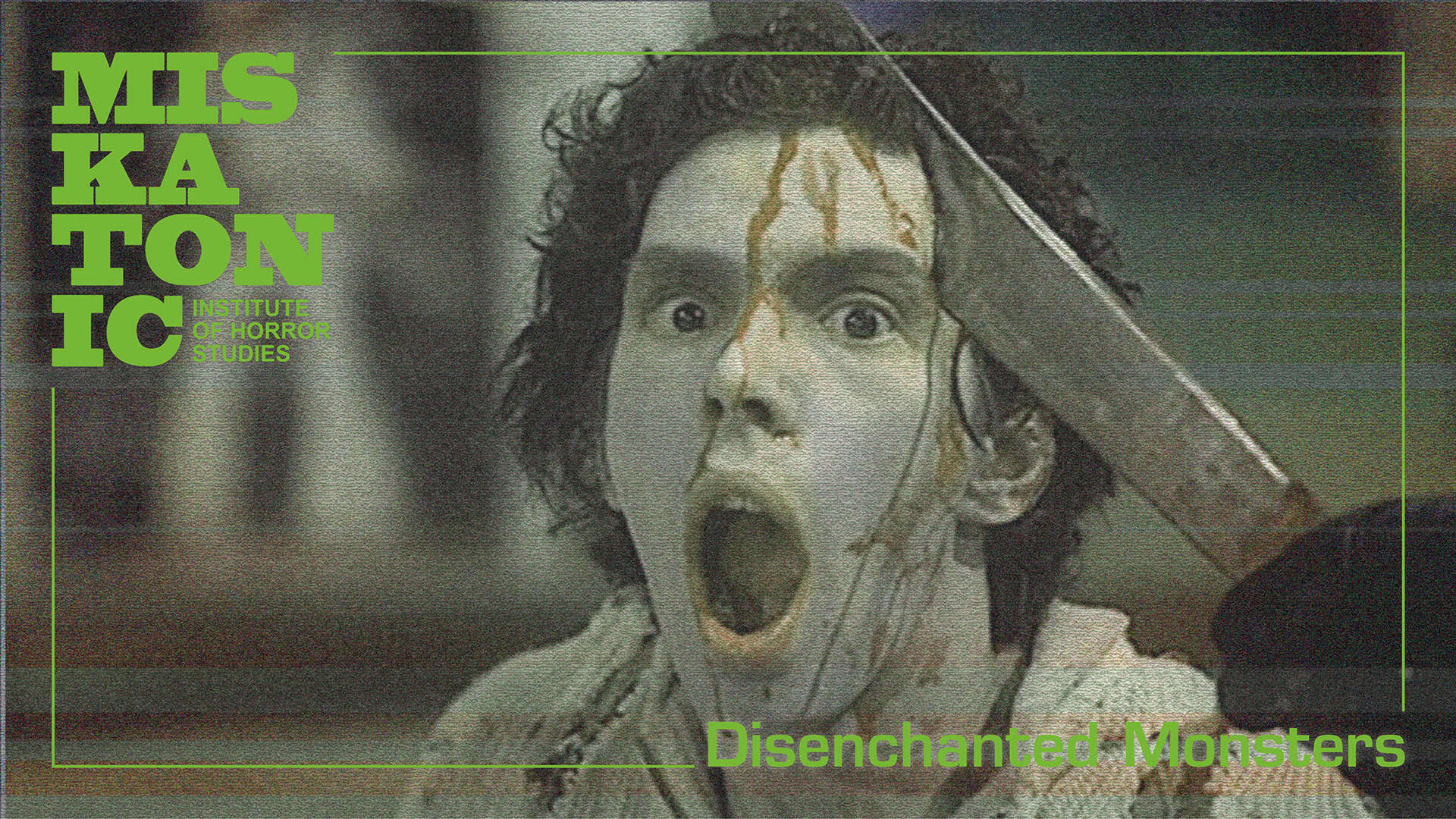
Disenchanted Monsters: The Changing Face of Horror from Creatures to Killers (Online)
Peter Bebergal
1 October 2024
Disenchanted Monsters: The Changing Face of Horror from Creatures to Killers (Online)
Even as the great Werner Herzog reimagined NOSFERATU in 1979 and deepened the tragic isolation of Dracula, his vision was fast becoming an anachronism. That same year the film ALIEN spoke to a new kind of visceral horror that was rising to ascendancy as the tragic monster would finally give way to chest-bursting gore. A year before, George Romero’s DAWN OF THE DEAD had turned monsters inside out. In lurid colors, the enigmatic zombie once controlled by Bela Lugosi in WHITE ZOMBIE became an intestine-eating killer, breaking through walls to get at their victims. There was no mystery here, no eerie pleasure to be gleaned from shadows, no creeping dread. The monster newly became a force of nature without meaning, empty of metaphor. We now sublimated our anxiety for giddy delight in torture.
Films like John Carpenter’s 1982 THE THING attempted to merge the classic creature feature with gore and blood, but the focus was still on all the terrible things that could happen to the human body. As Famous Monsters of Filmland passed the horror movie magazine torch to Fangoria, pop culture embraced body horror and explicit violence, putting Dracula, Frankenstein, and the Mummy back in their respective graves. Scholar Peter Bebergal will explore how in the late 1970s, the beloved monster of the creature features lost ground to the horrors of exploding heads and summer camp killers, and discuss possible reasons why.
Peter Bebergal
1 October 2024
Read more
1 October 2024
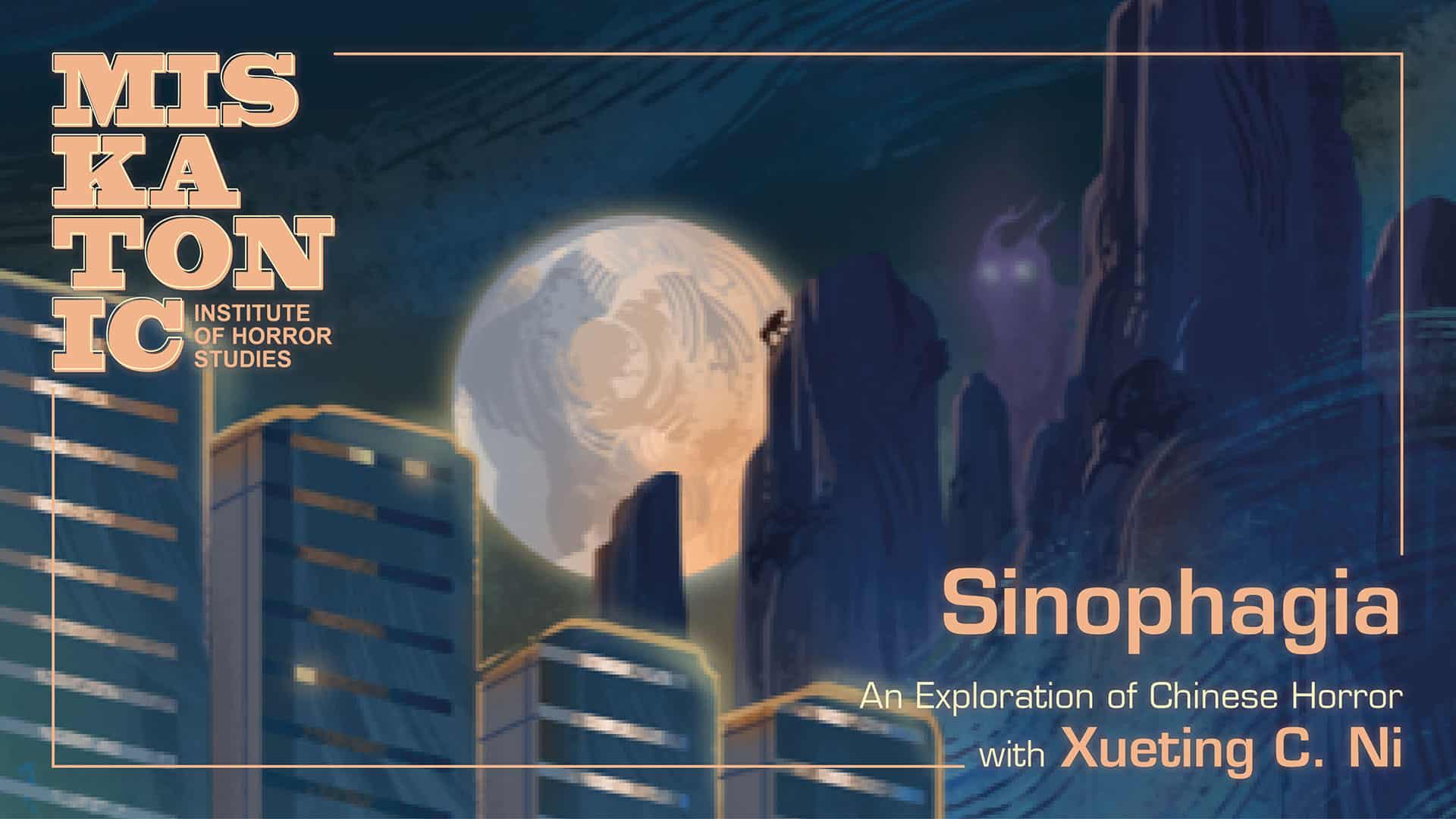
Sinophagia: An Exploration of Chinese Horror (London)
Xueting C. Ni
24 September 2024
Sinophagia: An Exploration of Chinese Horror (London)
Book Launch for Sinophagia. There has been so little consideration of Chinese Horror. Neither those inside the country nor around the world seem to have paid much attention to the genre, except for maybe some works of cinema. Within China, there has been a decade long period where Horror has been out of vogue for various reasons. Nevertheless, as people with very lively imaginations, rich and varied beliefs, there have always been a stream of remarkable tales of fright being created in this region, throughout history.
Chinese Horror needs to be viewed in the cultural frameworks of not only ‘global horror’, but what in its heritage, makes it distinct. In this lecture, I will introduce you to the fascinating history of China’s horror storytelling, its development from the tales of the strange, for which Pu Songling became so celebrated, to the rise of urban legends during the Tang Dynasty; from the beginnings of modern horror in early cinema, to the recent periods of domestic boom, and the incredible materials that inspired these. We will explore the contemporary horror landscape, which both diverges from and re-connects with older forms, and look at some of the works featured the new anthology, Sinophagia: A Celebration of Chinese Horror.
Xueting C. Ni
24 September 2024
Read more
24 September 2024

I Put a Spell On You: An Occult History of Rock and Roll
Peter Bebergal
17 August 2024
I Put a Spell On You: An Occult History of Rock and Roll
Peter Bebergal, author of “Season of the Witch: How the Occult Saved Rock and Roll,” will present a multi-media presentation on how the aesthetics and mythos of rock and roll have been deeply influenced by the occult imagination. Bebergal will narrate a secret occult history of bands and artists, including David Bowie, Led Zeppelin, Hawkwind, Arthur Brown, Psychic TV and Sunn0))) that owe their mystique to people like Aubrey Beardsley, Austin Osman Spare, and Aleister Crowley, as well as the pomp and circumstance of magic fraternities, UFOs, conspiracy theories, and neo-pagans. Underlying it all is pop culture’s frenzied love of occultism, and Bebergal will showcase stills, concert footage and film clips.
Peter Bebergal
17 August 2024
Read more
17 August 2024
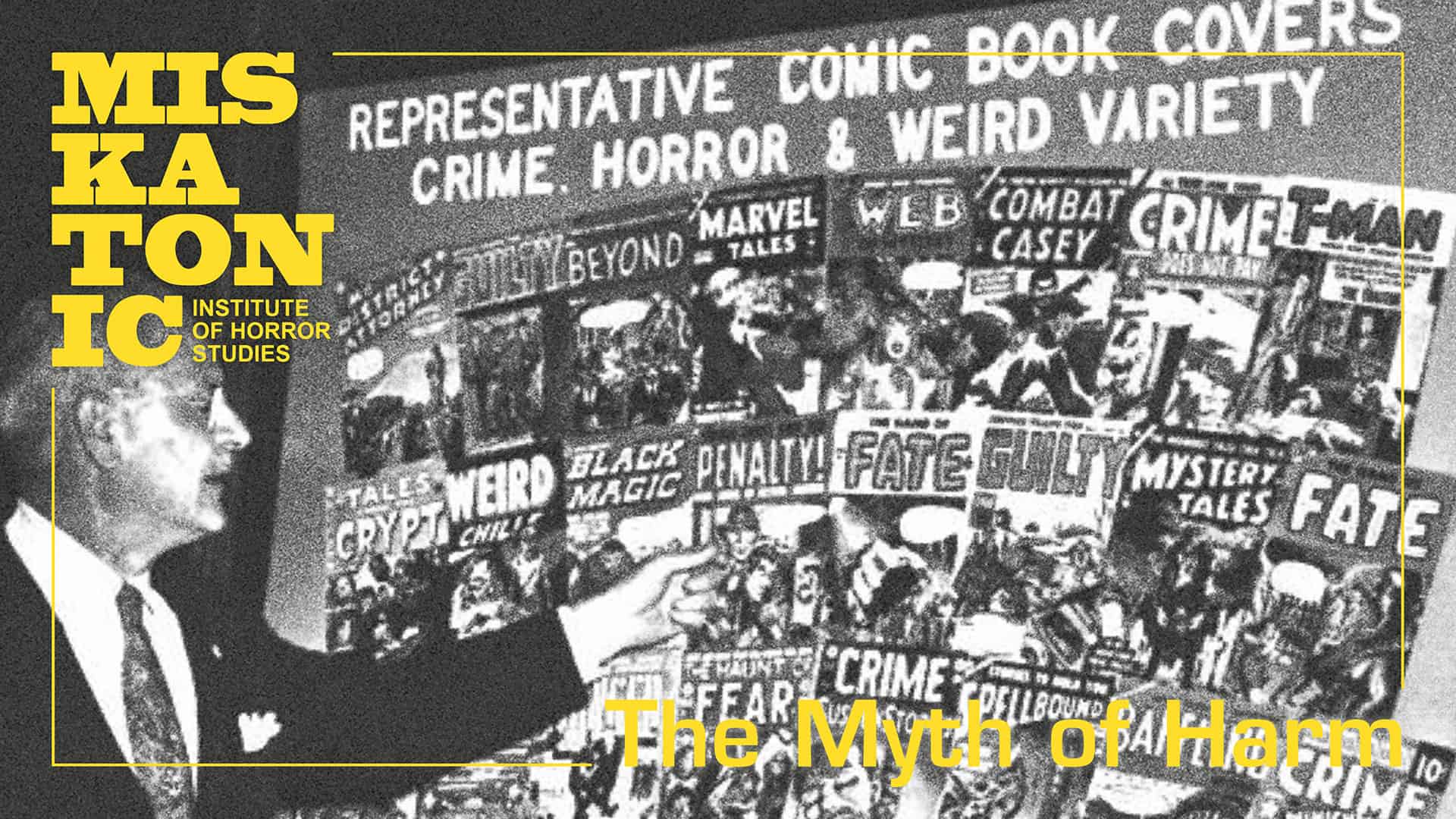
The Myth of Harm (London)
Sarah Cleary
18 June 2024
The Myth of Harm (London)
This class was originally scheduled for January 2024. Ticket buyers and passholders have been contacted via email.
Horror is frequently considered “inappropriate” and “offensive.” Very often that is exactly the point. But what and where is the real harm exactly? Given society’s unhelpful propensity to conflate inappropriate and offensive with harm, horror becomes the perfect scapegoat to map harm onto and deflect larger more complex social issues. However as this talk will illustrate, the fact of the matter is that after thousands of sensational headlines and decades of state-sponsored research, there is NO definite proof that horror or any other form of popular culture products such as video games harms. But why then does this myth persist? And why, if we can’t define “harmful” we continue to use the label as a means of censure and blame.
Horror occupies a rather unique position in society as a form of mainstream entertainment that is constantly under pressure to curb, suppress and censor that which initially made it so popular; its ability to disgust and horrify. An allegory for the “evil” that exists in mankind and not its embodiment, one of the key tropes of the genre is the representation of societal ills as a means of release, exploration and belonging. Yet time and time again the genre is found at the centre of controversy charged with the very corruption it seeks to represent. Blaming the mirror for what it reflects, the myth that the genre poses harm to children is as powerful now as it was when in 1796 the poet Samuel Taylor Coleridge decried Matthew Lewis’ Gothic Romance The Monk “a Mormo for children, a poison for youth, and a provocative for the debauchee.”
Introducing a cultural paradigm, known as the Myth of Harm, this talk will interrogate the meaning of harm by focusing on major controversies beginning with the 1930s Golden Age of Horror Cinema and moving on to the Horror Comic Hearings of the 1950s, the Video Nasty era of the 1980s, 1990s video game controversies and on into the more contemporary Cyber-Gothic horror. Drawing upon cases such as the James Bulger murder and the Slenderman stabbing, the Myth of Harm explores how horror has been repeatedly cast as a harmful influence upon children at the expense of scrutinising other, more complex, social issues. Furthermore, it seeks to expose how fears concerning negative media effects are often part of a larger narrative pertaining to the regulation of children’s pastimes, moral entrepreneurship, political scapegoating, media sensationalism and genuine fears obfuscated by a centuries-old myth about the horror genre and its ability to harm.
Sarah Cleary
18 June 2024
Read more
18 June 2024