MIS
KA
TON
IC
Institute of
Horror Studies
Archive
Archive
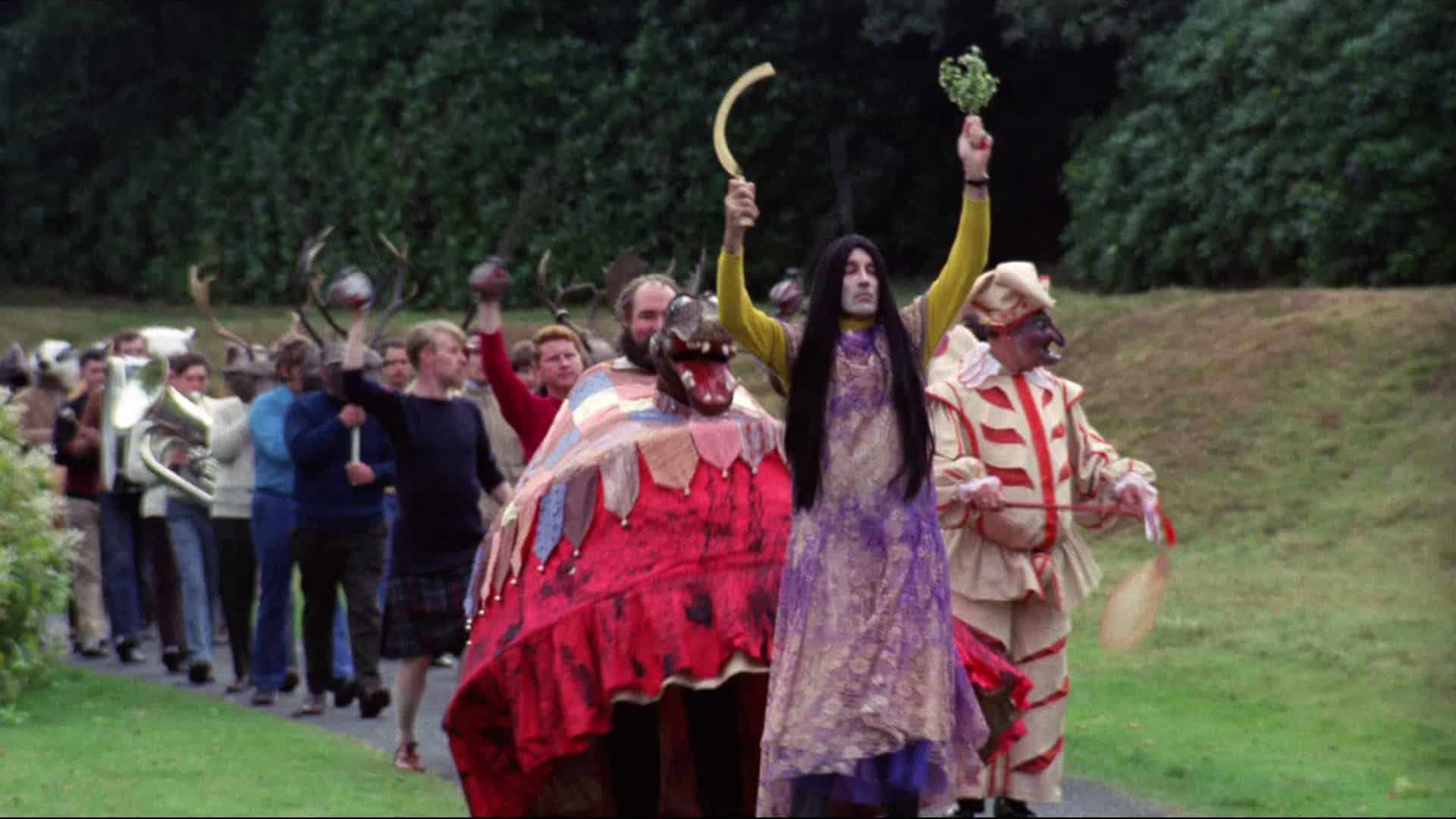
50 Years of The Wicker Man, Thousands of Years of History (London)
Wickham Clayton
20 June 2023
50 Years of The Wicker Man, Thousands of Years of History (London)
Riddled with enigmas and ambiguities, the 1973 British Lion production The Wicker Man managed to claw its way back from obscurity to cement itself as an internationally lauded piece of British cinema history. Boasting a script by recent writer célébre Anthony Shaffer, the production immediately hit compromises and challenges, and then struggled to see the light of day. Helmed by Shaffer’s ad firm partner and debut feature director Robin Hardy, The Wicker Man tells the story of a Scottish police officer who arrives at the outer Hebridean island of Summerisle in response to an anonymous letter reporting a missing child and in the process finding his devout Christianity, and the investigation, repeatedly challenged by the islanders and their adherence to the ‘old ways’.
Culminating in an iconic and disturbing sequence of ritual sacrifice, this is a film made by English people about Scottish identity and culture with a heavy focus on the tensions between British Christianity and millennia of British and Celtic paganism. A cursory understanding of thousands of years of British history and culture only marginally reveals the way this movie is informed by a rich and ancient culture that goes back far beyond its own written history. The Wicker Man not only implicitly deals with the colonisation of Scotland – and Celtic cultures more broadly – by the English and the feudal class system it imposed. It also draws from the wellspring of agrarian communal and ritual culture, not just in the gods it worships but in the celebrations developed around the agrarian calendar and the music the community sings together. This only partially explains the mystical grip The Wicker Man has on audiences worldwide, however.
In this presentation, Wickham Clayton will take you through this historical context and the troubled production and distribution of The Wicker Man. Furthermore, he will analyse the film itself explain why a movie which met with tepid praise on release and resigned to obscurity for nearly two decades became a mainstay of British film culture. Furthermore, Clayton will discuss the twin legacies of the film; on one hand it is seen as a ‘cult’ classic, on the other it holds a place as a ‘legitimate’ classic of British cinema. Can the enduring appeal of The Wicker Man be concretely identified, or is it surrounded in as many mysteries as Summerisle itself?
Wickham Clayton
20 June 2023
Read more
20 June 2023

PRS and Miskatonic Institute of Horror Studies present: The Films of the Ormond Family: IF FOOTMEN TIRE YOU, WHAT WILL HORSES DO? + THE BURNING HELL – with author Jimmy McDonough In-Person!
“The odd combination of actors/semi-actors plus Southern non-acting churchgoers give an Ormond / Pirkle film a particular off-kilter charm. Is it a documentary? A sermon? A hallucination? What is it?” – Jimmy McDonough
For almost half a century, June, Ron and Tim Ormond, a Nashville mother-father-son trio, cranked out a wild bunch of movies, from Lash LaRue westerns to the stripper-gore-musical outrage THE EXOTIC ONES, and plunged into every area of showbiz. What’s more, they did it all on a shoestring, totally independently, with no studio to back them. At the height of their frenzied career, Ron and June experienced a spiritual awakening when their private plane crashed on the way to a premiere. From then on, they turned their back on secular show business to produce a series of shocking, surreal religious pictures, including an unbelievable trio of films for Mississippi Baptist preacher Estus Pirkle – films such as THE BURNING HELL, which made millions, despite never being shown in an actual movie theatre.
These strange, wonderful examples of truly Outsider filmmaking have recently been restored by Nicolas Winding Refn for the Powerhouse Films/Indicator Blu-ray box set From Hollywood To Heaven: The Lost and Saved Films of The Ormond Family, released to coincide with FAB Press’ publication of forensic biographer Jimmy McDonough’s awe-inspiring tome on the extraordinary life and work of the Ormond Family, The Exotic Ones. Author and film historian Jimmy McDonough will join us to present two of the most wildly entertaining and outrageous Ormond Family films:
IF FOOTMEN TIRE YOU, WHAT WILL HORSES DO? – 1971, 52 min. Dir. Ron Ormond. “Many of you listening to me today will see hundreds of dead bodies in your towns,” warns Baptist preacher Estus Pirkle, in this hilariously and rabidly anti-Communist / anti-sex education / anti-mini skirt wearing religious propaganda classic. Truly jaw-dropping from the get-go, featuring a laundry list of corrupting dangers to watch out for including Saturday morning cartoons and drive-in theaters – and worst of all, bearded Cuban soldiers handing out candy to stunned grade-schoolers courtesy of their glorious leader, Fidel Castro!
THE BURNING HELL – 1974, 58 min. Dir. Ron Ormond. “Every hour at least 3,000 people go to hell,” intones Eustus Pirkle, in one of the Ormond Family’s best-known films, filled with grinning demons, charcoaled sinners, and “recreations” (ahem) of large chunks of the Bible featuring decidedly non-Middle Eastern actors. The plot involves Pirkle trying to save the soul of a young hippie biker whose friend unfortunately rejects Pirkle’s teachings and is sent to roast in Hell – where he meets a multi-colored harlequin Satan leaping around in the film’s most bonkers sequences.
Author Jimmy McDonough will sign copies of his new book on The Ormond Family, “The Exotic Ones” (FAB Press/ByNWR), available for sale in the PRS Bookstore!
PLUS!! Ticket Bundles are available that include Live From Miskatonic: Crazed Biographer JIMMY McDONOUGH in conversation, co-presented with the Miskatonic Institute of Horror Studies on May 31. See details on that event HERE.
Please Note: Limited Supplies of “The Exotic Ones” will be available for walk-ups at the event due to the sheer girth of this epic masterpiece of exploitation eye-candy – if you want to be GUARANTEED a book (and trust me, you do!) you must select one of the ticket bundles offered, BEFORE the shipping cutoff date of May 15th. After that, you take your chances – but this is a rare chance to get the book domestically, and at a heavily discounted price!
Special Thanks to: Peter Conheim and byNWR.
Jimmy McDonough
1 June 2023
Read more
1 June 2023
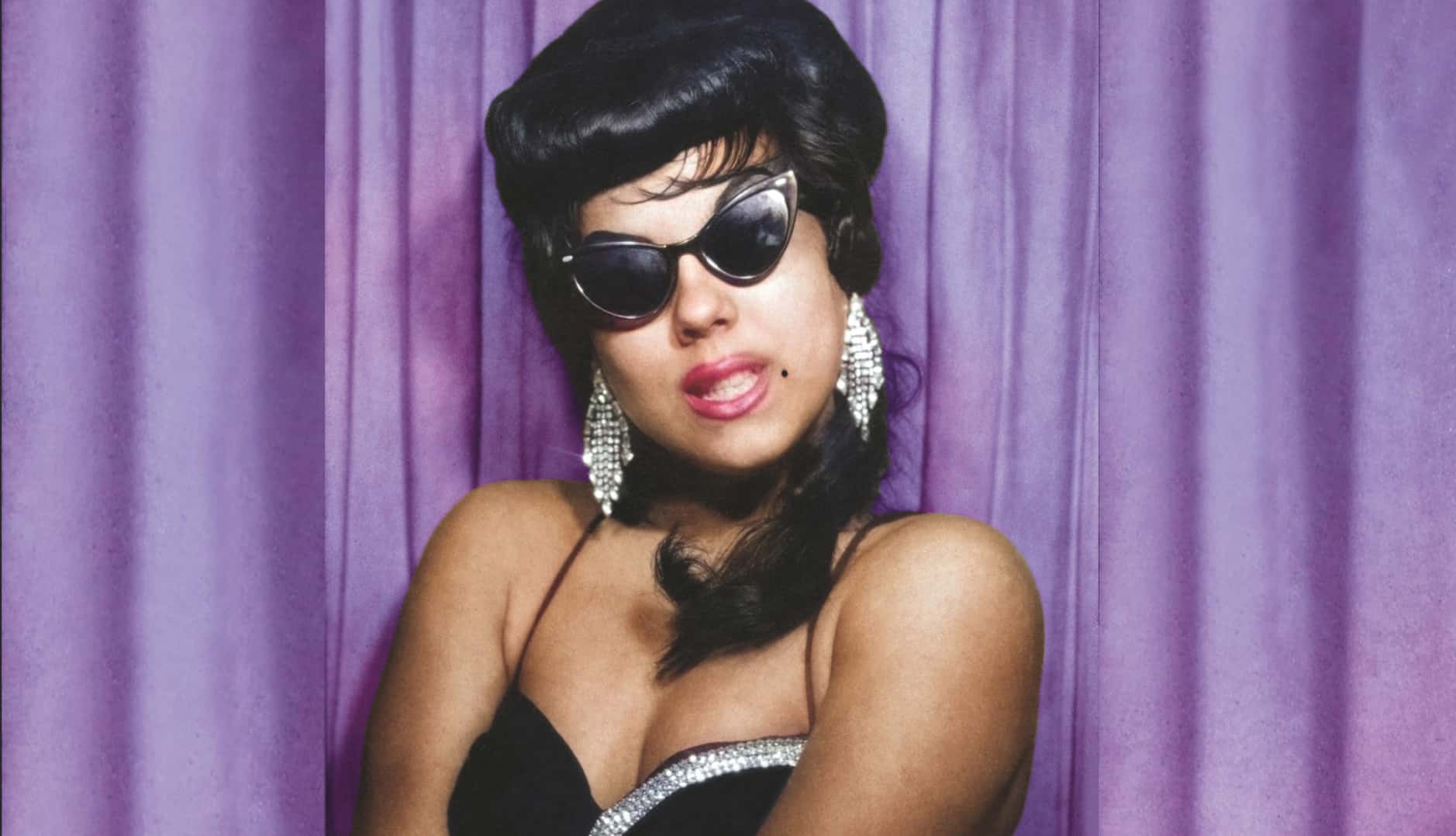
Live From Miskatonic: Author JIMMY MCDONOUGH in Conversation w/ new book THE EXOTIC ONES!
Jimmy McDonough
31 May 2023
Live From Miskatonic: Author JIMMY MCDONOUGH in Conversation w/ new book THE EXOTIC ONES!
You’ve read his warts-and-all biographies. You’ve reveled in their fiery prose and pulsating detail. Maybe you’ve even seen him in Tales from the Tour Bus, talking George Jones in cartoon form. But tonight you will see him in the flesh, and you will bear witness to the testimony of the mad biographer himself!
From art school to 42nd street, where he co-edited seminal Deuce chronicle Sleazoid Express, McDonough went on to fashion one of the most rich and colorful careers in pop culture history. He did time in the editing rooms of Radley Metzger and Brian DePalma before music writing for The Village Voice led to twin trajectories, penning definitive biographies of some of the biggest names in popular music – Neil Young, Tammy Wynette, Al Green – while also trawling the gutters of exploitation cinema to give voice to misunderstood iconoclasts like Russ Meyer and Andy Milligan.
We’ll head deep into Milligan country as we revisit anecdotes from McDonough’s groundbreaking and personal account, The Ghastly One (a perennial favorite of artists as varied as John Waters and Patton Oswalt). We’ll discuss the libido-igniting Ormond Family picture that sent McDonough on a 35-year mission to tell the story of vaudevillian, UFO enthusiast and shrewd no-budget producer June Ormond and her odd family of filmmakers. Maybe he’ll even share a taste of the Southern gothic tragedy next on his plate: a biography of honky-tonk singer Gary Stewart.
McDonough’s is a wild story full of lawsuits, betrayal, broken hearts, and most importantly for our purposes, MOVIES – from the swamps to Staten Island, from skid row to the Hollywood hills and straight up to heaven itself.
“Does anybody out there remember F. Lee Bailey’s Lie Detector show? That’s how I envision this interview. I hope Janisse will grill me unmercifully. For I intend to TELL ALL and let loose every bat in the belfry! Because I am KING of the Crazy Biographers! Hallelujah!” – Jimmy McDonough
Copies of Jimmy’s new book THE EXOTIC ONES – in a gorgeous, fully illustrated limited slipcover edition from FAB Press and ByNWR – will be available for purchase in the lobby alongside the paperback edition of THE GHASTLY ONE, or you can get a ticket bundle that includes a copy of THE EXOTIC ONES, to guarantee you have one waiting for you!
PLUS!! Ticket Bundles are available that include double bill screening The Films of the Ormond Family: IF FOOTMEN TIRE YOU, WHAT WILL HORSES DO? + THE BURNING HELL – with author Jimmy McDonough In-Person! Co-presented with the Philosophical Research Society on June 1st. Screening Details available HERE.
Please Note: Limited Supplies of “The Exotic Ones” will be available for walk-ups at the event due to the sheer girth of this epic masterpiece of exploitation eye-candy – if you want to be GUARANTEED a book (and trust me, you do!) you must select one of the ticket bundles offered, BEFORE the shipping cutoff date of May 15th. After that, you take your chances – but this is a rare chance to get the book domestically, and at a heavily discounted price!
Jimmy McDonough
31 May 2023
Read more
31 May 2023
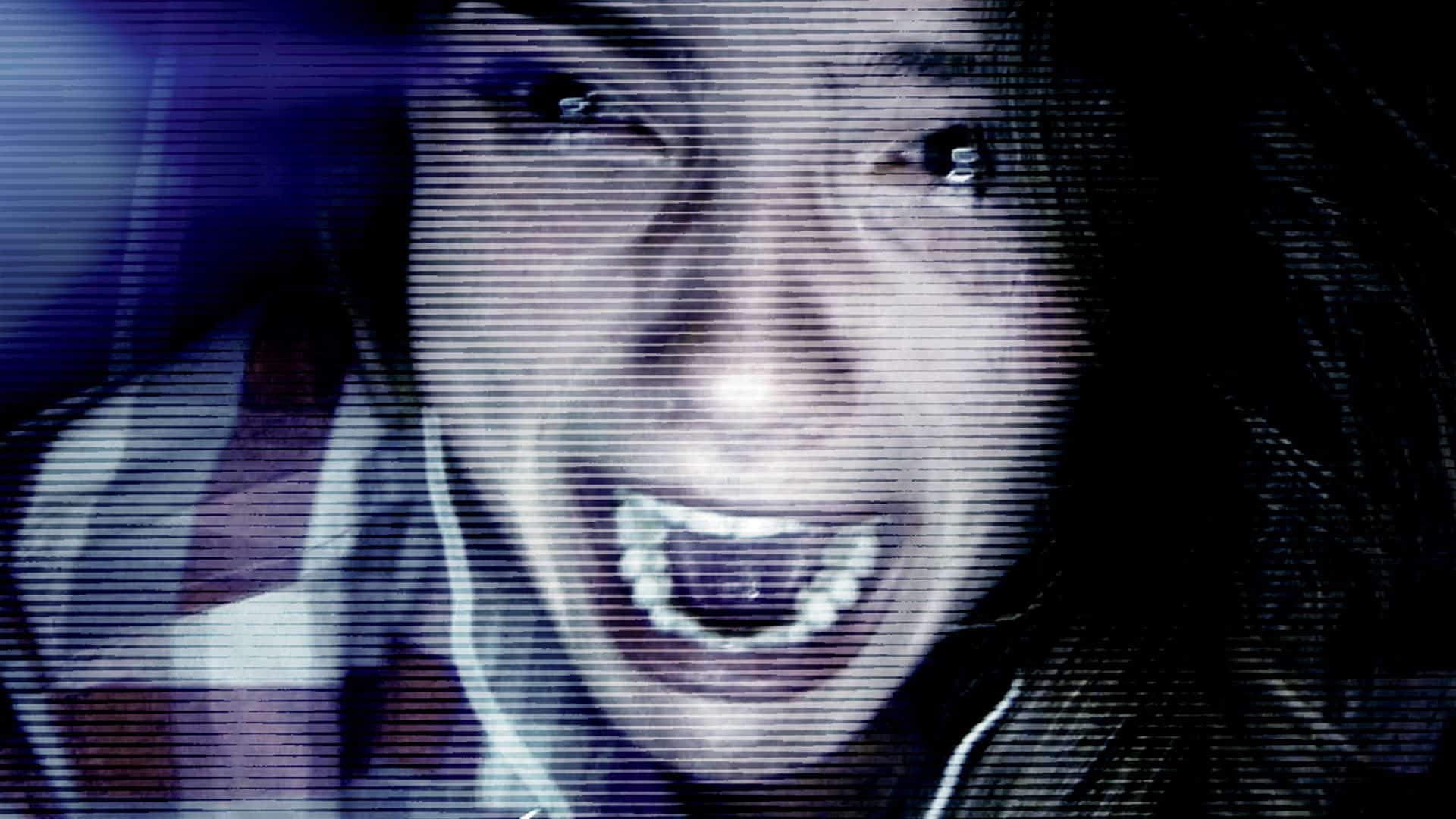
Never Log Off: Horror and the Internet (NYC)
Stephanie Monohan
16 May 2023
Never Log Off: Horror and the Internet (NYC)
In the never-ending abyss of the internet, there is nowhere to hide. As the internet and social media became a ubiquitous part of everyday life, the horror genre has kept pace in exploring the terror that lies within a tool of unfettered surveillance and identity distortion. What has emerged in the development of this subgenre are two main (sometimes overlapping) narrative/thematic threads:
(1) Internet-as-haunted house, in which people are terrorized by a ghost in the machine, as seen in films like UNFRIENDED (2014) and HOST (2021), and
(2) Internet-as-contagion, in which protagonists are infected by violence or paranoia, or lose their sense of identity, via the internet (PULSE (2001), CAM (2018)).
The relationship between communication technology and horror is nothing new; From the invention of the camera and the telephone, to the radio and beyond, people have seen such devices as a bridge to the beyond. And horror media has utilized such machines to scare us long after we stopped seeing them as intrinsically occult inventions (e.g. WHEN A STRANGER CALLS (1979), POLTERGEIST (1982), RINGU (1998)). While there has been an intense spate of internet-centric horror films over the past twenty years, many of them tread the same waters as their forebears. The more interesting ones, however, go farther, and capture a more complex fear that is unique to being an alienated subject under late-capitalist modernity.
In this illustrated lecture, we will situate the subgenre of internet horror within this historical context, as well as explore what it articulates about our fear of the modern world. We will also look at how the Internet has also been used as a form for horror, changing what scary story can be, from House of Leaves to creepypastas.
Stephanie Monohan
16 May 2023
Read more
16 May 2023
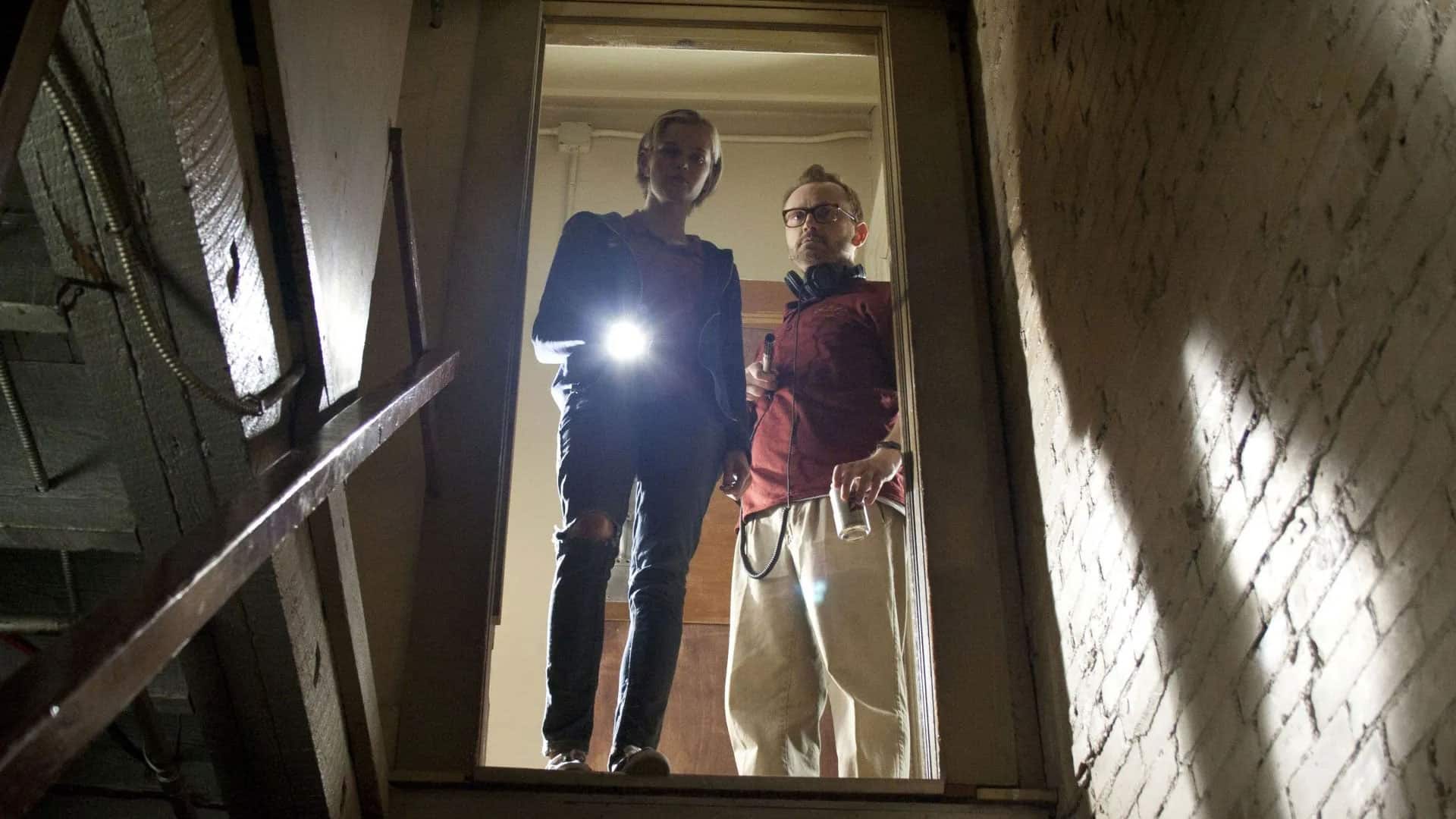
Worked to Death: Anti-Capitalism in Contemporary American Horror Cinema (London)
Craig Ian Mann
9 May 2023
Worked to Death: Anti-Capitalism in Contemporary American Horror Cinema (London)
In the years following the financial crisis of 2007-08 and the subsequent Great Recession, American horror cinema has become increasingly concerned with the horrors of capitalism – or, in other words, the gnawing anxieties that really keep us awake at night: the unaffordable cost of living, unpaid bills, rising rents, workplace exploitation and, ultimately, the ever-looming threat of unemployment, homelessness and financial destitution. This began with a wave of ‘recessionary’ horror films produced by the most severe economic downturn since the Great Depression; the late 2000s and early 2010s saw a wave of mainstream horror focused on prosperous middle-class families who are attacked by forces that threaten to destroy everything that they have worked for. But even as the recession came to an end, horror films concerned with the widespread economic suffering endemic to the United States only continued to proliferate.
This talk will explore the rise of anti-capitalist horror cinema in the years after the Great Recession, and particularly a body of independent American horror films that have shifted their focus away from the middleclass protagonists of more mainstream ‘recessionary’ horror movies and towards the working-class experience of everyday capitalism. As it has become painfully apparent that America refuses to learn from its mistakes and take action to reduce economic inequality in a nation home to over 700 billionaires, independent American horror cinema has become a site for exploring the material reality of capitalism for millions of ordinary workers; these films tell us that the new ‘American Nightmare’ is a nation in which profits mean more than people. Tracing the development of anti-capitalist horror from 2008 into the 2020s, the talk will show that these themes have become increasingly palpable and explicit over the last fifteen years, first exploring how enduring horror sub-genres – the home-invasion film, the haunted house movie, the vampire picture or the satanic cult narrative – have been retooled as metaphorical vehicles for anti-capitalist messaging. It will then discuss newer forms of horror that have emerged in the last decade, including ‘corporate’ horror movies and films focused on violent and humiliating ‘poverty games,’ that have brought both working-class perspectives and anti-elite sentiments to the textual forefront of contemporary American horror cinema.
Class Breakdown
The talk will begin by outlining the context of the financial crisis, the Great Recession and existing work on ‘recessionary’ horror cinema (e.g. The Strangers, Insidious)
It will then discuss a shift away from ‘recessionary’ horror towards ‘anti-capitalist’ horror, and will argue that this shift has occurred specifically in independent horror production
It will then explore existing sub-genres that have been reworked by independent filmmakers as vehicles for anti-capitalist narratives, e.g. a focus on renters and workers in haunted house films
Finally, it will analyse ‘new’ horror sub-genres that have emerged in the last decade, with a particular concentration on horror films that take place in corporate settings
Case Studies
This talk will briefly discuss several horror sub-genres and their connection to anti-capitalist themes but will largely focus on two for in-depth discussion: the haunted house movie and the corporate horror film. Case studies used to explore haunted house films will include The Innkeepers (2011), The Selling (2011), A Ghost Waits (2020) and Sorry About the Demon (2022). Case studies used to explore corporate horror will include Bloodsucking Bastards (2015), The Belko Experiment (2016), Mayhem (2017), Office Uprising (2018), Corporate Animals (2019) and Keeping Company (2021).
Craig Ian Mann
9 May 2023
Read more
9 May 2023
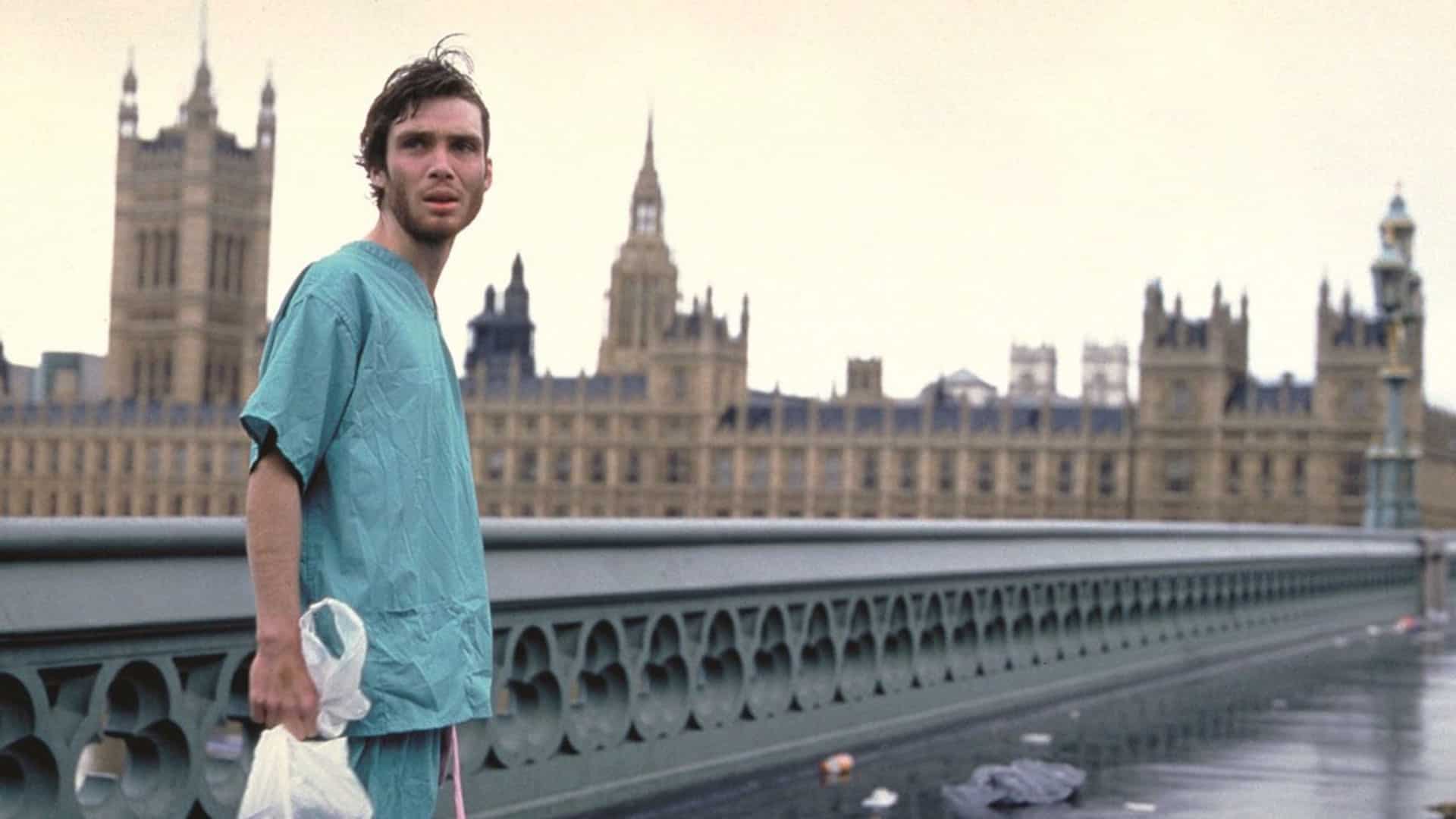
LEAVE OR REMAIN: THE SPECTRE OF BREXIT IN MODERN BRITISH HORROR FILMS (Online)
Alexandra West
2 May 2023
LEAVE OR REMAIN: THE SPECTRE OF BREXIT IN MODERN BRITISH HORROR FILMS (Online)
When the United Kingdom voted to leave the European Union in 2016, many were wary of the prospects that lay ahead. As economic uncertainty and the effects of attempted de-globalization became more prevalent in the day-to-day lives of many citizens, the country moved closer to finalizing their agreement which was finally completed in January 2020. Since the deal was signed much has been written about this decision and its wide-ranging and on-going effects. The world could only stand by and watch as a global power with still far-reaching influence wrestled with a monster of its own making.
However, many British filmmakers could sense something was afoot well before 2016 and pulled from their rich history to explore the ideas of identity, nationality, and the family unit through the horror genre. At the dawn of the new millennium, horror films from the UK emerged with increasingly urgent warnings and politics that blur the line between reality and fiction, crying out with warnings that fell on deaf ears.
Brexit through endless discourse across multiple platforms as become emblematic of the tension between what has been historically repressed and how it inevitably returns to us. By examining Danny Boyle’s 28 Days Later (2002), Ben Wheatley’s Kill List (2011), Remi Weekes’ His House (2022) and Alex Garland’s Men (2022) this lecture will explore what historical influence Paganism, folk horror and the decline of an empire has had on British horror films over the last two decades.
Books and Films to be Discussed:
Hammer and Beyond: The British Horror Film by Peter Hutchings
The Economics and Politics of Brexit: The Realignment of British Public Life by Stephen Davies
A Short History of Brexit by Kevin O’Rourke
Signals of Belief in Early England: Anglo-Saxon Paganism by Alex Sanmark and Sarah Semple
28 Days Later (2002)
Kill List (2011)
His House (2020)
Men (2022)
Alexandra West
2 May 2023
Read more
2 May 2023
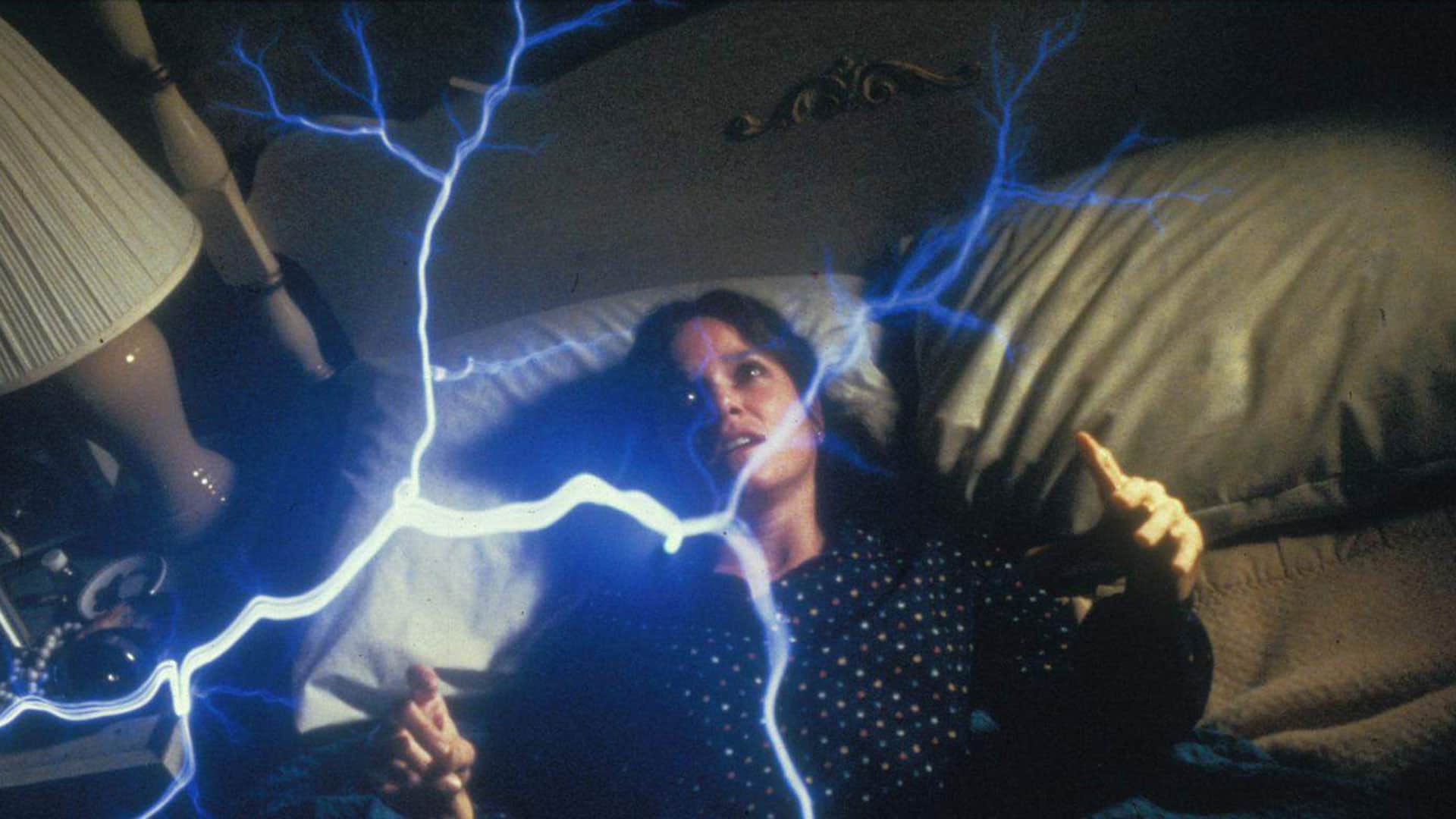
The Invisible Woman; Or, The Many Faces of Doris Bither (NYC)
Claire Donner
18 April 2023
The Invisible Woman; Or, The Many Faces of Doris Bither (NYC)
Most people know of Doris Bither not by name, but through the fictionalized account of her story in the harrowing supernatural thriller THE ENTITY (1982). It tells the tale of a single, working class mother who claimed to have endured relentless sexual assaults by a supernatural force—a claim that was investigated by parapsychologists from UCLA’s Neuropsychiatric Institute, which precipitated Bither’s deliberate disappearance. TV producer and novelist Frank De Felitta attended one night of the ten week investigation, and was inspired to pen a salacious pulp paperback about Bither’s alleged ordeal called The Entity (1978). De Felitta subsequently adapted his own erotic, exaggerated book for the screen production directed by Sydney J. Furie, whose compassionate version of the Bither story remains sadly relatable to anyone who has spoken up about their own victimization experience, and who has had to fight to be believed.
The Furie film leverages its claim of being “based on a true story” to frightful effect, but the question remains: Who was Doris Bither? To UCLA’s parapsychology team, her purported suffering offered a tantalizing validation of their profession. To the journalists at The Skeptical Inquirer, she was victimized only by the exploitative endeavors of pseudo-scientists. To some, Bither was a madwoman; to others, a con artist in her own right. For Furie and his star Barbara Hershey, she provided an allegory for more ordinary forms of misogynistic oppression…but this, too, is an instance of people using the Bither story to achieve their own ends. The elusive Doris Bither’s true identity may be lost to us, but this hasn’t stopped many different people from twisting her story to fit their own unique, often conflicting perspectives. In this talk, we will examine the many faces of Doris Bither as they appear in the original UCLA documentation of their investigation; the sober Skeptical Inquirer takedown; the licentious Frank De Felitta novel; and the controversial Furie film, which has been embraced by many modern feminist critics.
Claire Donner
18 April 2023
Read more
18 April 2023

Water, Water, Everywhere - British Sea Based Folklore (London)
Icy Sedgwick
11 April 2023
Water, Water, Everywhere - British Sea Based Folklore (London)
Water is an important part of the human experience. We’re mostly made of water, we need it to survive, and it forms the backdrop of some of the world’s origin stories in mythology. We’re so insistent on water that looking for it in the universe has become our benchmark for the existence of life. Humans simply cannot fathom life without water.
It’s therefore unsurprising that water weaves in and out of the folklore, legends, and mythology of the British Isles. In some cases, it takes the form of the cautionary tale, with the malicious water sprite Jenny Greenteeth keen to drag unsuspecting swimmers into the depths of those rivers otherwise clogged with dangerous weeds. Elsewhere, we see the mermaid used to represent the dangerous of boundless sexuality, while the seaside caves on the east coast play host to all manner of ghosts and fairies in an effort to deter locals from finding a smuggler’s stash. You might find the Bean Nighe prophesying death as she washes the linen of those fated to die at the ford, while the inimitable kelpie drags humans to their death. Selkies and merrows lurk in the seas off Scotland and Ireland, and many of our rivers are home to both spirits and deities – some of whom demand a sacrifice. That’s before we even get to the witches raising storms and controlling the rain.
In “Water, Water, Everywhere”, we’ll dive into the ways in which water appears in folklore, both as a location for a range of legends, but also as the home of a myriad of creatures, beings, and monsters. River, lake, well or spring, we’ll dip our toe into it – and hope that no aquatic devil takes hold. We’ll explore the tales to see what they tell us about earlier spirits who once called these islands home, and we’ll examine some of the water-based deities of both the Celts and the Romans to see how they fitted into their historical context – and what they can tell us now. By exploring the tales, examining how they appear in art and literature, and unpacking them from a 21st century perspective, we can see what lessons are available to learn if we take the time to tune into the crashing waves, the water lapping at the shore, and the burbling of the brook…
Icy Sedgwick
11 April 2023
Read more
11 April 2023
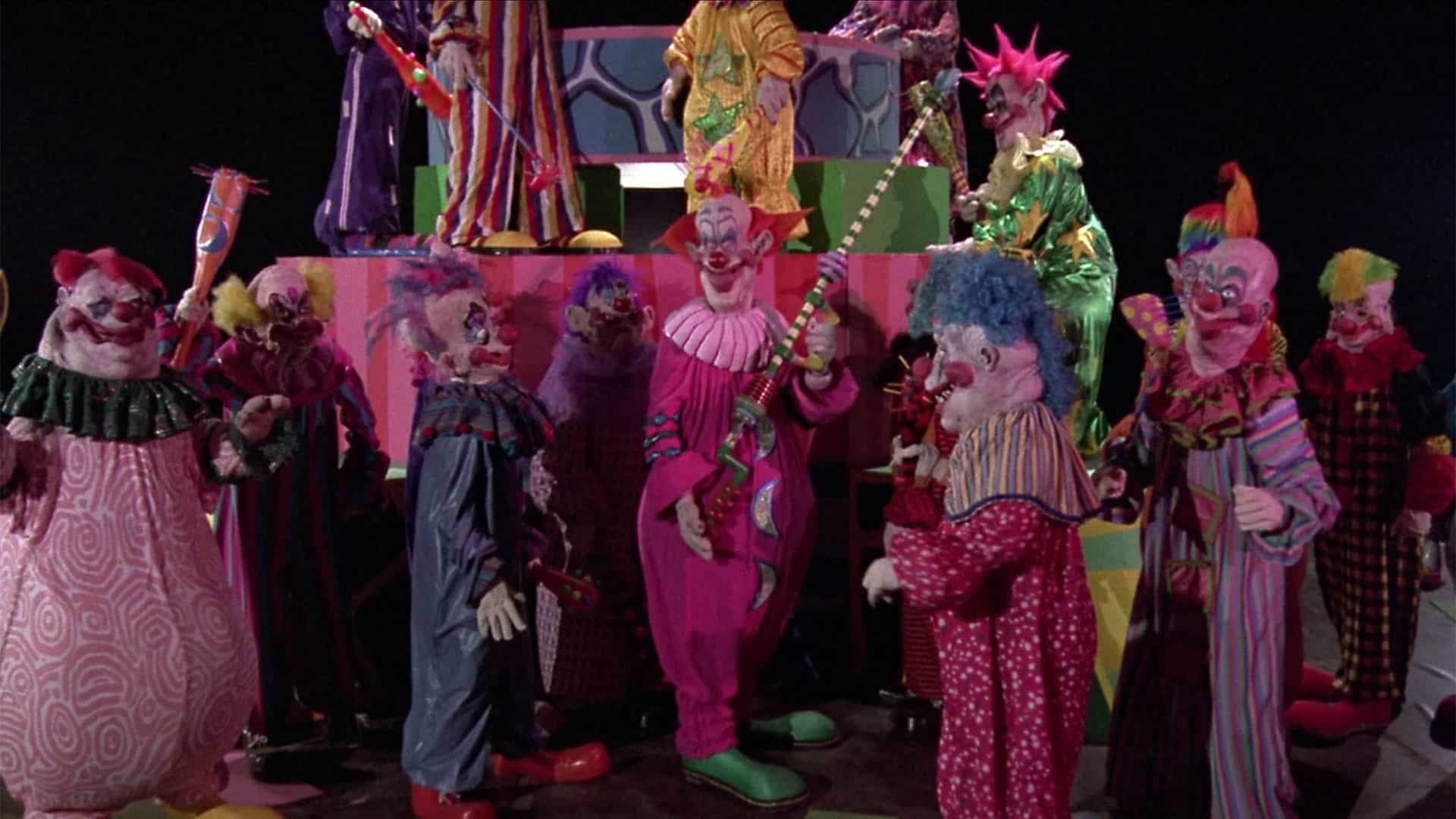
PARTY HORROR CINEMA (Online)
Emmalea Russo
4 April 2023
PARTY HORROR CINEMA (Online)
The horror genre is filled with parties, carnivals, clowns, festivals, and other spaces and figures of celebration and humor. Using examples from contemporary horror cinema and television as well as various philosophical texts on ritual, carnival, and temporality – this workshop will track moments of celebration, fun, and sacred wildness, as well as instances of carnival becoming crypt, when waking-up becomes hypnosis, and when contained chaos becomes unleashed mayhem. We’ll also ask how these films might help us examine our own experience of celebration, horror, ambiguity, and temporality during times of digitization and lack of ritual. When does the dazzling light of the carnival become never-ending trance? When does time’s out-of-jointness create terror? When and how does celebration become a site of horror?
There will be an introduction to the topic, and definitions of carnival, festival, and party. We will trace the moments in select films when celebration turns into something else – confusion, horror, hypnosis. And Russo will speak about our current cultural and temporal moment, lack of rituals, and the “permanent carnival” that many theorists claim we’re in, using the texts of Walter Benjamin, Byung-Chul Han, and Sianne Ngai and Lauren Berlant. How do these films wake us up to our current experiences of ritual, celebration, horror, and temporality?
List of films/TV to be referenced:
Killer Klowns from Outer Space (1988)
It (1990)
Suicide Squad (2016)
Clown (2016)
The Joker (2019)
Carnivale (2003-2005)
The Funhouse (1981)
Climax (2019)
Texts to be referenced:
“Comedy Has Issues” by Lauren Berlant and Sianne Ngai
“Celebration and Madness” from Helene Cixous’s Newly Born Woman
“For Your Unpleasure: The Hauteur-Couture of Goth” by Mark Fisher
The Disappearance of Rituals by Byung-Chul Han
“Capitalism as Religion” by Walter Benjamin
Selected writings on carnival and grotesque by Mikhail Bakhtin
Selected writings on festival by Nietzsche and Georges Bataille
Emmalea Russo
4 April 2023
Read more
4 April 2023
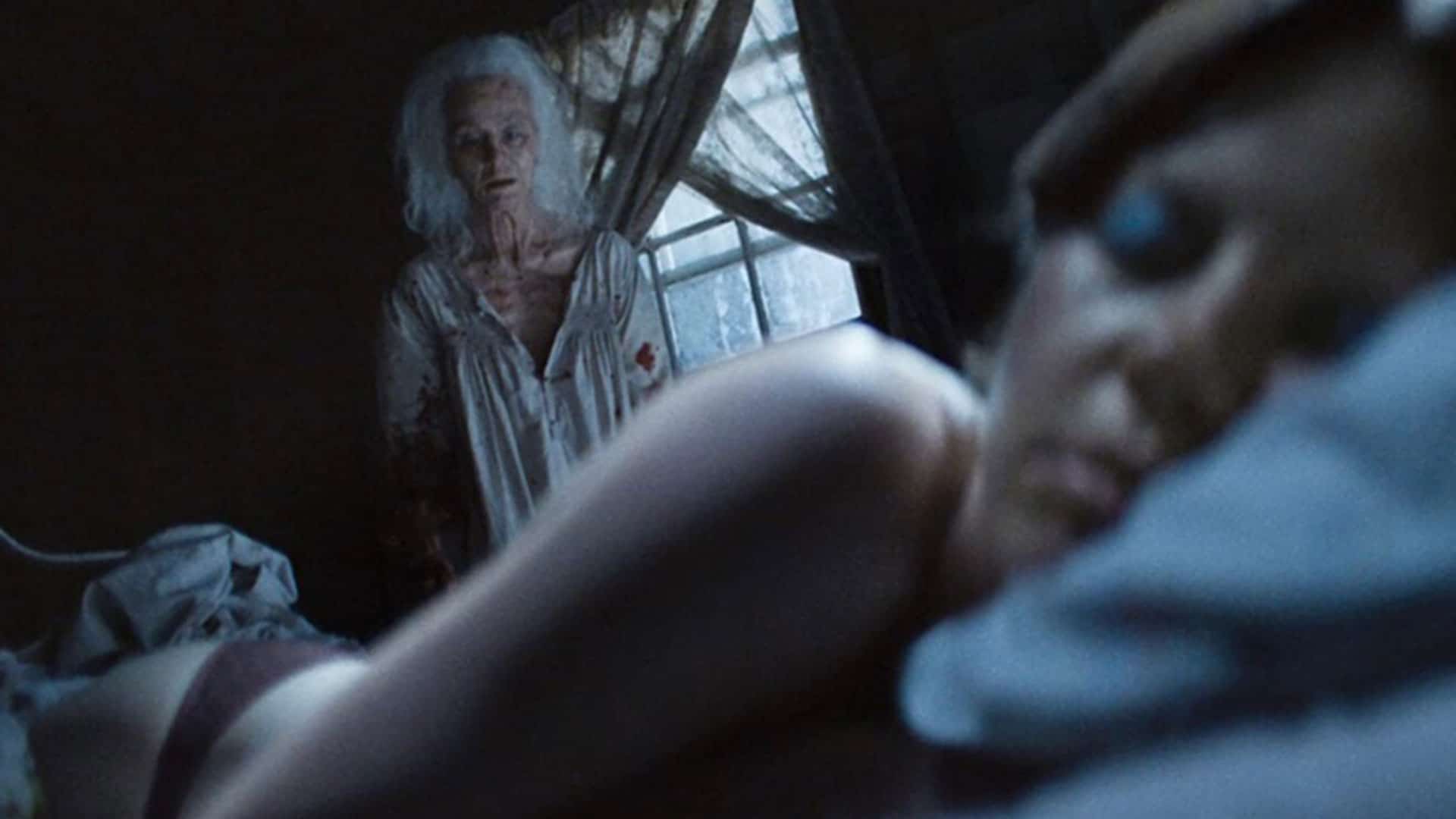
The Hag, the Crone, and the Wisewoman: Their Place in Popular Culture (NYC Online)
Peg Aloi
28 March 2023
The Hag, the Crone, and the Wisewoman: Their Place in Popular Culture (NYC Online)
*Note that this class is not part of the Miskatonic Online branch; Miskatonic Online passes do not include access to this class.
The recent all-out explosion of interest in witches and the occult is reflected in many film, TV, and literary offerings about witchcraft. Witchery in films is now so pervasive as to become its own sub-genre. Many of these stories focus on younger witches, with coming of age narratives being an increasingly popular and intriguing genre. But the continuum of witchy portrayals may be widening.
Despite the ubiquitous presence of witches in film and TV, far too many films about witches engage tired Hollywood tropes and stereotypes: witches as malevolent doers of evil, witches as seductresses, etc. Often we see that remakes of modern classics continue these trends. Even within the earthy folk horror genre, witchcraft films and shows tend to engage with supernatural energies and special effects. There’s been a shift in recent years, with a greater focus on natural witches: forest dwellers, edge dwellers (like the one in Brand New Cherry Flavor), witches coming of age, and witches communing with nature, not just with the Devil.
Horror offerings in recent years, especially in the indie landscape, have explored the witch in inventive ways (including Hereditary, Guadagnino’s remake of SUSPIRIA, and THE LOVE WITCH). These newly complex portrayals include the witch as crone, hag, and generally terrifying old woman (as in HAGAZUSSA, THE LORDS OF SALEM, and films that explore various permutations of the Witch, like Robert Eggers’ THE WITCH, subtitled “A New England Folk Tale”). The cinema and TV of 2022 have reflected a trend towards portrayals of older (although not always wiser) witches. Debut feature films like Mariama Diallo’s MASTER and Goran Stolevski’s YOU WON’T BE ALONE were 2022 Sundance hits that are now drawing rave reviews. The older witch archetype is also prominent in the 2022 horror hit BARBARIAN directed by Zach Cregger, Scottish filmmaker Charlotte Colbert’s SHE WILL, Ti West’s companion films X and PEARL, the upstate NY indie film HELLBENDER, and in recent TV series like Archive 81 and The Midnight Club.
This piece will explore the hag, the crone and the wise woman as both problematic stereotypes and powerful figures in contemporary horror narratives and mass media, and the implications for their increased presence across popular culture.
Peg Aloi
28 March 2023
Read more
28 March 2023