MIS
KA
TON
IC
Institute of
Horror Studies
Archive
Archive
Bug-Loving Freaks: The Entomologists of Horror Cinema
Edwin Harris
20 April 2026
Bug-Loving Freaks: The Entomologists of Horror Cinema
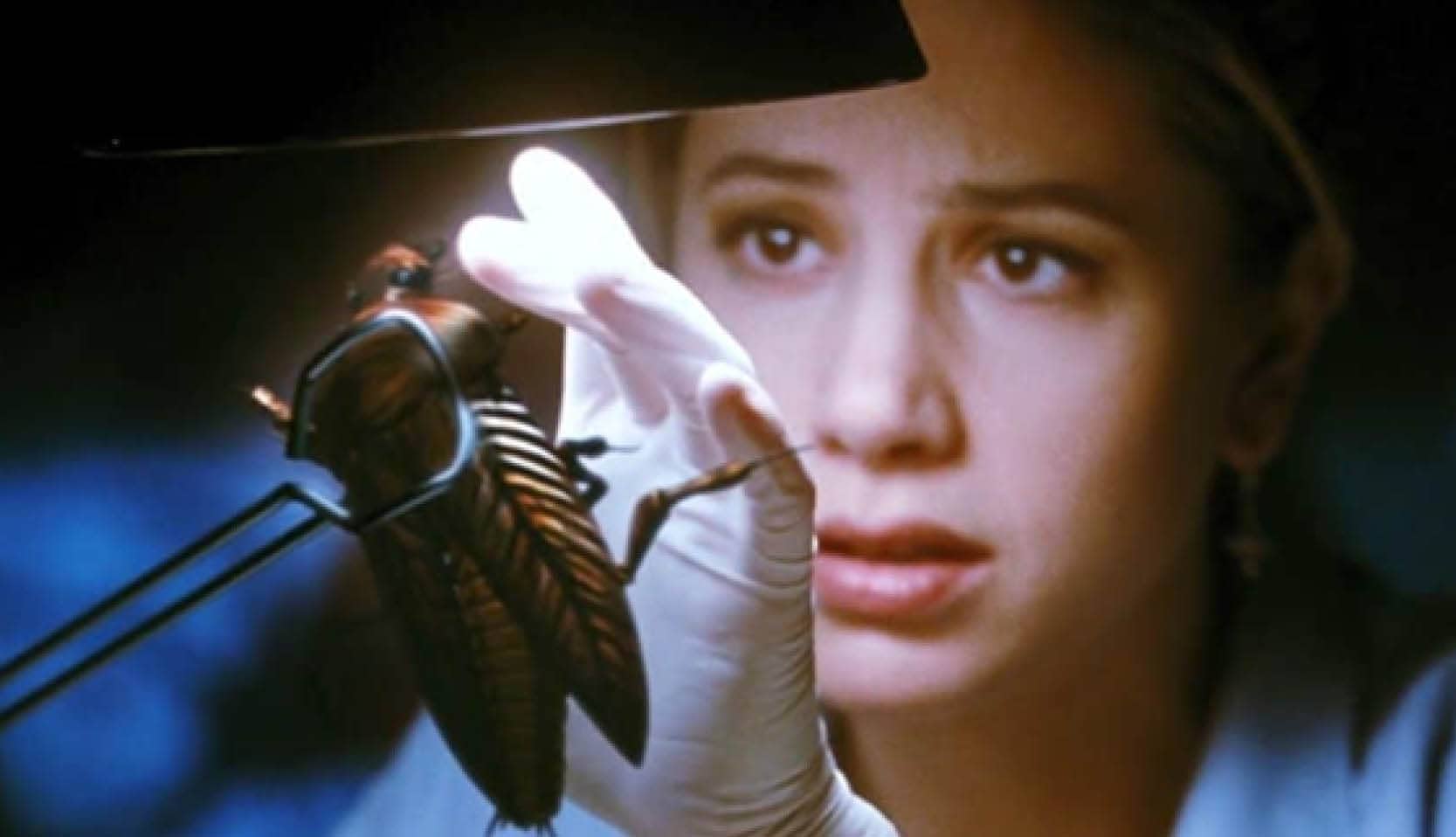
Science has long been one of horror cinema’s most reliable sources of fear, yet one scientific discipline has largely escaped sustained critical attention: entomology. From the atomic age to the present, insects and those who study them have appeared intermittently across horror, science fiction, and eco-horror cinema, where swarms, mutations, and infestations offer potent metaphors for anxieties about science, nature, and control. This lecture brings entomology out of the shadows, examining how insect researchers are represented in films ranging from cult classics such as Them! and Invasion of the Bee Girls to Oscar-winning thrillers like The Silence of the Lambs and made-for-TV creature features including Swarmed and Ice Spiders.
The talk explores the uneasy convergence of two enduring cinematic fears: scientific intervention and the natural world—particularly its creepier, crawlier inhabitants. Entomologists are tasked with managing insects deemed harmful or invasive, yet the tools of their trade—chemical warfare, mass eradication, and genetic manipulation—often provoke deep public unease. Many entomological horror films grapple with the question of where the true threat lies: in monstrous insects and deadly swarms, or in human technologies that risk destabilising fragile ecosystems.
Situating these films within key moments in the history of entomology, the lecture traces how developments such as synthetic insecticides, the publication of Silent Spring, and the eventual banning of DDT shaped popular attitudes toward insects and scientific authority during the 1950s–70s. While entomologists are frequently portrayed as heroic or well-intentioned figures, horror cinema also offers darker depictions—mad scientists, sinister collectors, and obsessive experimenters whose knowledge turns dangerous.
By contrasting these narratives with rare subversive examples such as Phenomena, this lecture reveals how entomological horror reflects shifting cultural tensions between fear, fascination, and the ethics of controlling the natural world.
All talks start at the following local times:
London @ 19:00:00
Berlin @ 20:00:00
New York @ 2pm (3pm 16th March)
Los Angeles @ 11am (12pm 16th March)
Edwin Harris
20 April 2026
Read more
20 April 2026
Be One of the Good Ones: His House and Colonial Capitalist Hauntings
James Rendell
14 April 2026
Be One of the Good Ones: His House and Colonial Capitalist Hauntings
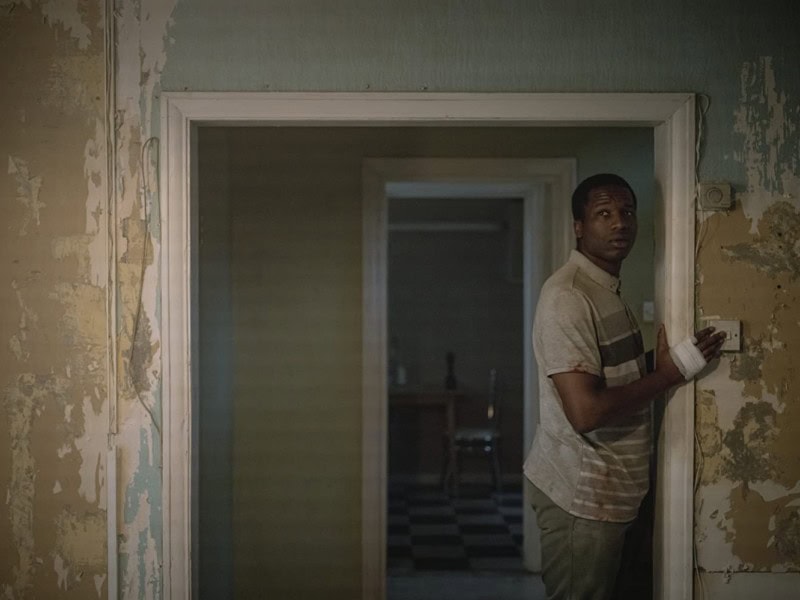
His House (Weekes, 2020) is crowded with ghosts. Walls whisper, shadows move, and spectres stalk its refugee protagonists. Yet this lecture looks beyond the film’s overt apparitions to uncover the deeper, less visible hauntings embedded within its narrative: the lingering afterlives of colonialism, capitalism, and displacement. These are not ghosts that simply lurk in corridors, but forces that structure everyday existence.
The talk begins by situating His House within what is termed a “horror cinema of precarity”—an international cycle of films that mobilise horror aesthetics to confront the lived realities of marginalised and precarised communities. Films such as Under the Shadow, Tigers Are Not Afraid, La Llorona, and Raging Grace fuse the supernatural with sociopolitical critique, using fear to articulate the violence of exclusion. In His House, this framework foregrounds the experience of refugees and asylum seekers navigating enforced displacement within a hostile United Kingdom.
Building on readings of the film’s British setting as an “anti-location,” the lecture adopts a postcolonial Gothic perspective informed by hauntological theory. It argues that Britain’s imperial past—particularly its exploitation of Black bodies in the production and circulation of mass consumer goods—returns as a diffuse but oppressive presence. These colonial capitalist hauntings are not embodied in a single monster, but operate atmospherically, saturating the film’s spaces through systems of surveillance, labour, and consumption.
This mise-en-ambiance of dread reflects the real-world slow violence enacted upon forced migrants in the UK: a condition in which acceptance is perpetually deferred, and the possibility of being one of the “good ones” remains out of reach. In His House, horror emerges not only from what is seen, but from what endlessly persists.
James Rendell
14 April 2026
Read more
14 April 2026
Gazing at the Trans Feminine Grotesque
Willow Catelyn Maclay
16 March 2026
Gazing at the Trans Feminine Grotesque
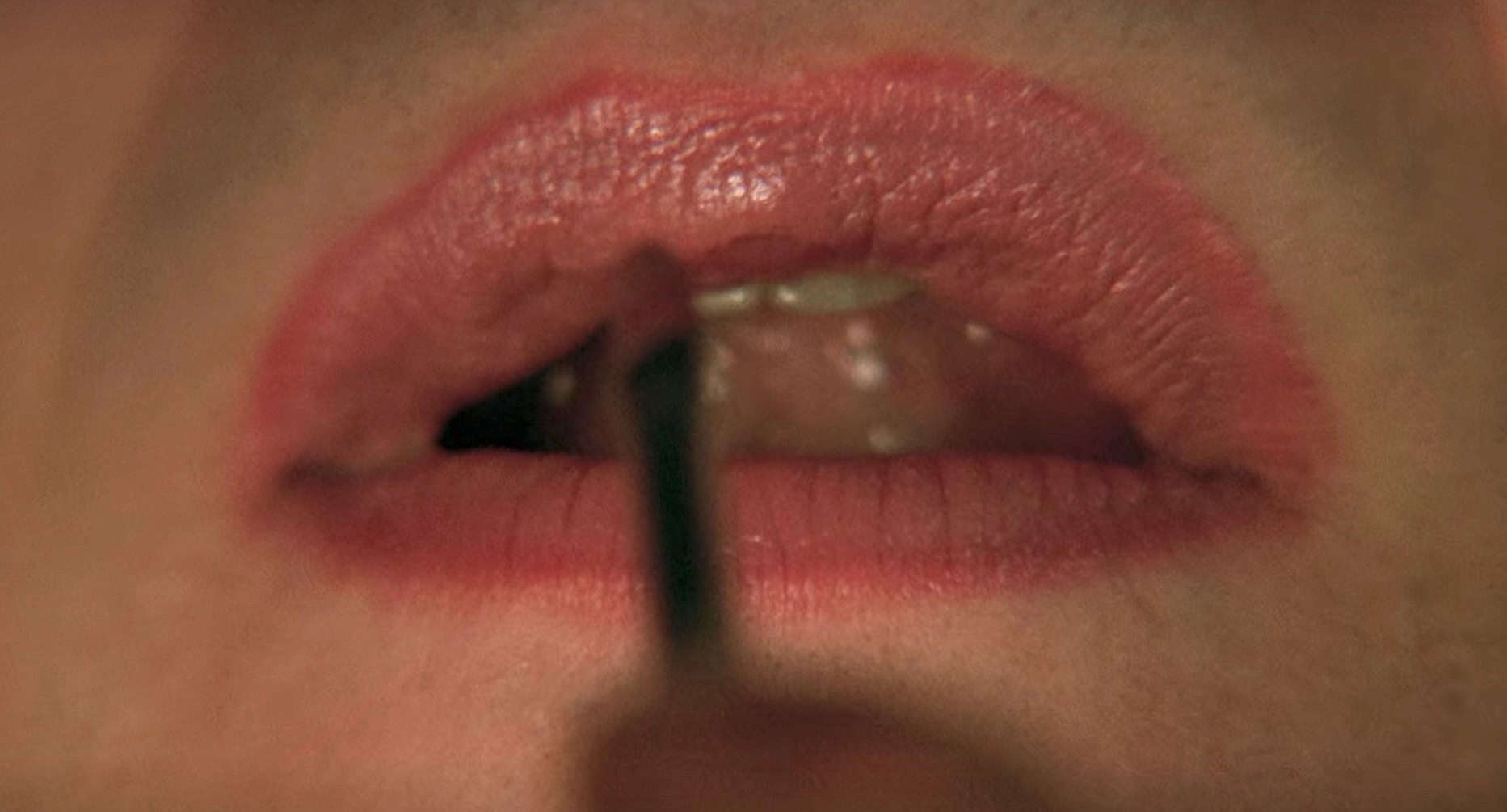
The figure of the trans feminine grotesque emerged from a uniquely American post–World War II mix of hysteria, fascination, and moral panic surrounding gender variance. This lecture traces how the media spectacle of Christine Jorgensen—a trans woman framed as both curiosity and cautionary tale—became entangled with the lurid revelations surrounding serial killer Ed Gein to produce a cinematic shorthand for trans femininity as deception, monstrosity, and threat. This fusion shaped decades of horror cinema, from Psycho and Dressed to Kill to Sleepaway Camp and The Silence of the Lambs, embedding transmisogynist tropes deep within the genre’s visual language.
While horror is often described as an “empathy machine” capable of transforming monsters into tragic anti-heroes, this promise falters when monstrous figures coded as trans women are viewed by trans women themselves. Rather than catharsis, these films confront trans audiences with the limits of reclamation and reconciliation, exposing how difficult it is to liberate such characters from a hostile cisgender gaze. The cultural currency of the trans feminine grotesque has proven remarkably persistent, continuing well into the twenty-first century.
Drawing on her book Corpses, Fools and Monsters: The History and Future of Transness in Cinema, Willow Catelyn Maclay examines how these figures were born from voyeurism, medicalised fear, and political anxiety around trans feminine bodies. She situates these representations alongside the lived realities of trans people, tracing how cinema both reflects and reinforces systems of marginalisation. The lecture also considers contemporary interventions by trans filmmakers such as Alice Maio Mackay, Louise Weard, and Jane Schoenbrun, whose work challenges inherited tropes and imagines new possibilities for transness in horror. At the same time, it interrogates the uneasy resurgence of subtly coded trans feminine monstrosities in recent mainstream horror. Ultimately, the talk argues that the history of transness onscreen cannot be told without reckoning with these disreputable figures and with what it means to love a genre that has so often refused to love you back.
All talks start at the following local times:
London @ 19:00:00
Berlin @ 20:00:00
New York @ 2pm (3pm 16th March)
Los Angeles @ 11am (12pm 16th March)
Willow Catelyn Maclay
16 March 2026
Read more
16 March 2026
Terminal Desert: From Trinity Site to the Ends of the Earth (via Bronson Canyon)
Ken Hollings
10 March 2026
Terminal Desert: From Trinity Site to the Ends of the Earth (via Bronson Canyon)
Terminal Desert begins with the anguish and horror at the end of Eric Von Stroheim’s 1924 silent classic Greed. Stranded in Death Valley, chained to the corpse of the man he has murdered, the film’s protagonist stares at blood-stained sand and scattered gold coins, realising—too late—that survival is impossible. Shot on location under punishing conditions, this scene anticipates a powerful cinematic tradition in which the desert becomes a space of horror, mutation, and moral collapse.
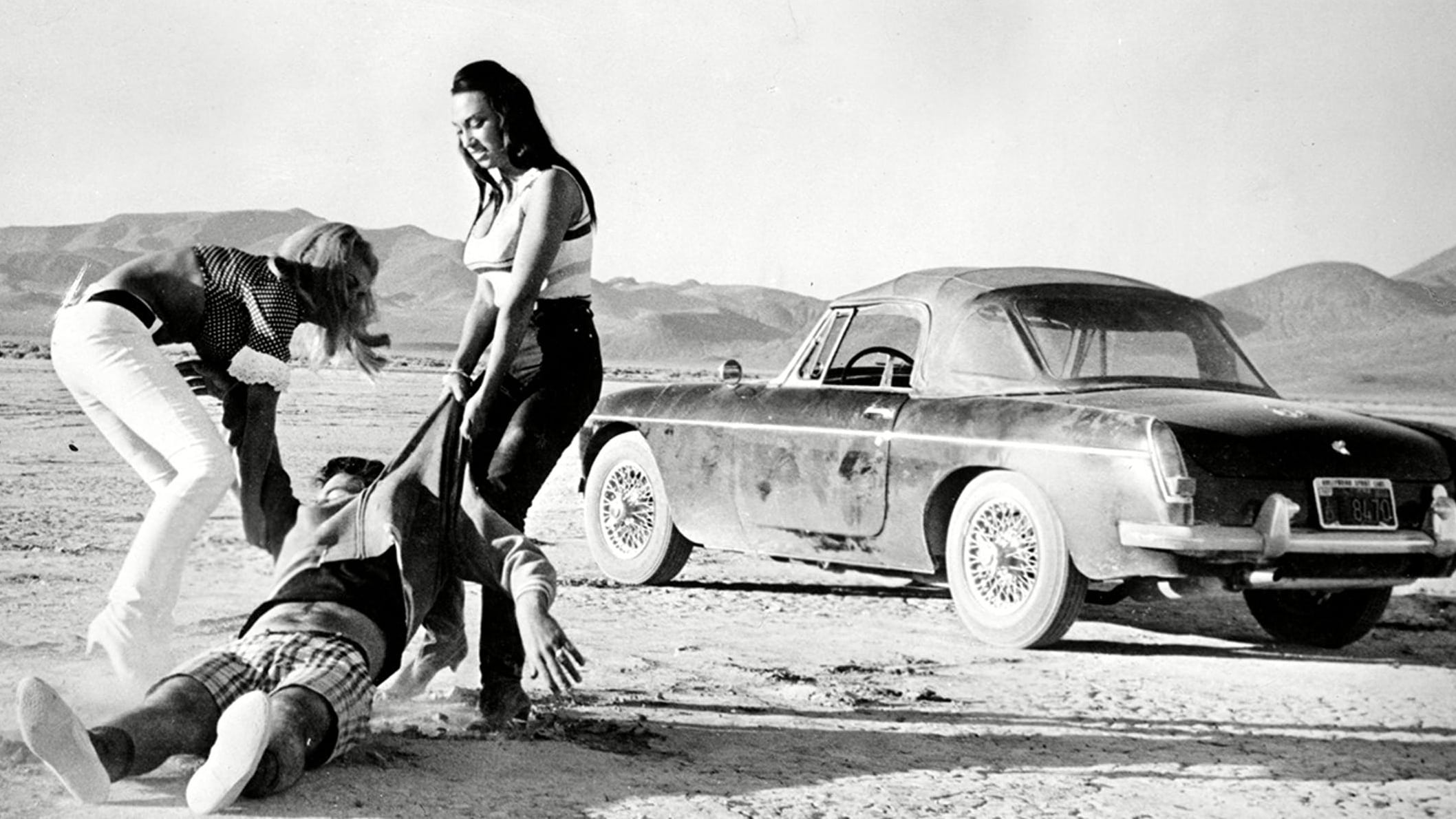
This lecture traces how the American desert evolved into a home for monsters, violent drifters, and irradiated nightmares. As one scientist warns in It Came from Outer Space, the desert itself is alive—capable of killing through heat, cold, and isolation. The atomic tests conducted in the Southwest only intensified this sense of desolation, transforming landscapes like the Mojave Desert and New Mexico’s Jornada del Muerto into symbolic wastelands. From 1950s creature features such as Them! and The Beast of Yucca Flats to low-budget alien worlds and mad-scientist narratives, these locations gradually replaced Bronson Canyon as Hollywood’s preferred terrain for the uncanny.
By the late 1960s and 1970s, exploitation cinema and biker films, including Motorpsycho and Satan’s Sadists, expanded the desert’s reputation as a blank screen for fantasies of violence, madness, and transgression. In the 1980s, imports like Mad Max cemented the desert as shorthand for post-apocalyptic survival, a lineage continued in films ranging from World Gone Wild to Tremors and Resident Evil: Extinction.
Ultimately, Terminal Desert challenges us to rethink horror’s aesthetics, revealing how cruelty and madness thrive not in shadowy interiors, but in relentless sunlight… exposed, inescapable, and unforgiving.
Ken Hollings
10 March 2026
Read more
10 March 2026
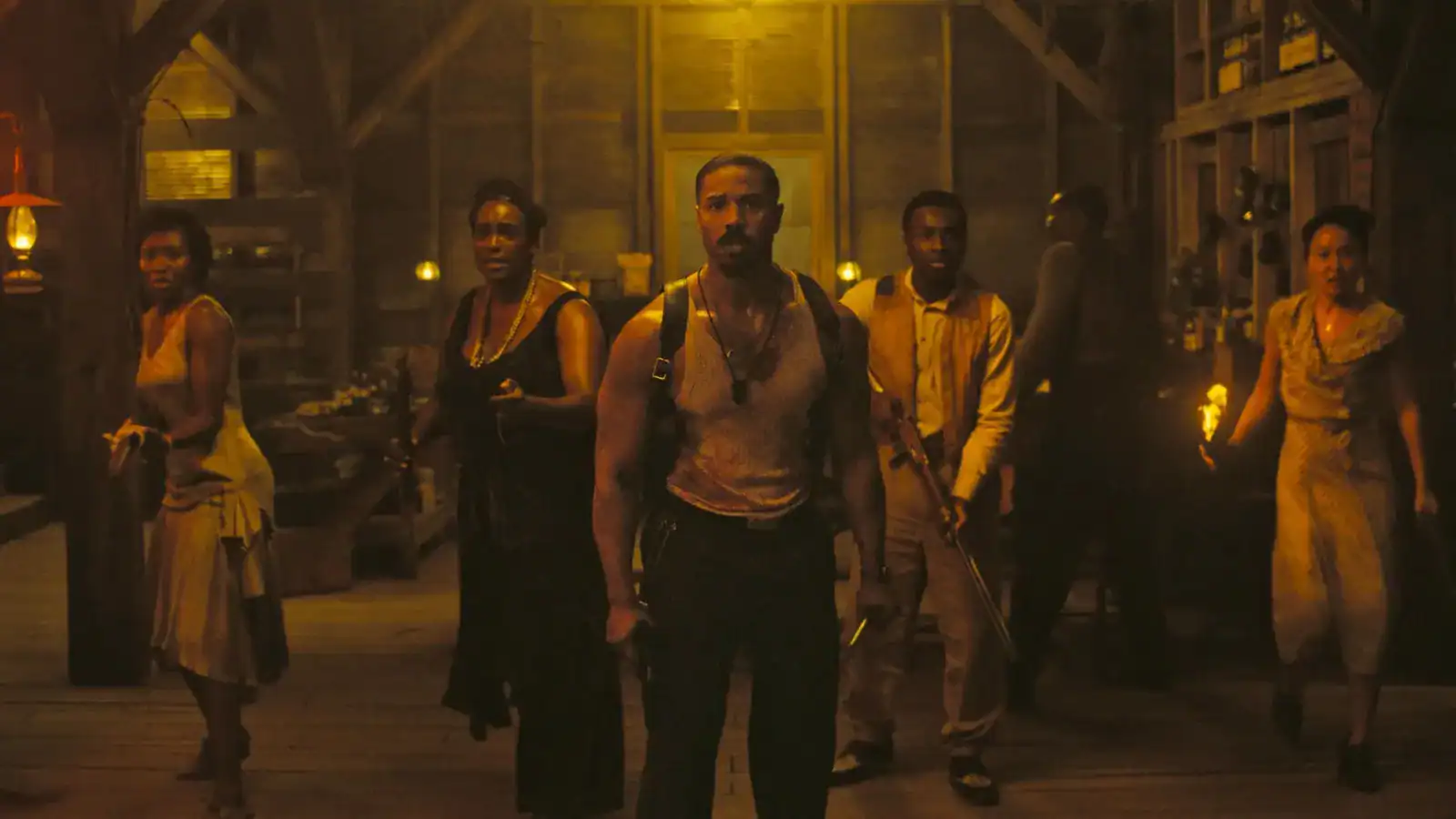
New Black Gothic Romance
Lea Anderson
16 February 2026
New Black Gothic Romance
In a 2018 essay for The Los Angeles Review of Books, Sheri-Marie Harrison identified what she terms “New Black Gothic”: a revival across literature, cinema, and music in which Black creators mobilise Gothic tropes to confront an ongoing accumulation of historical and contemporary violence. Writing in what she describes as distinctly Gothic times, Harrison argues that artists such as Jesmyn Ward, Jordan Peele, and Donald Glover use horror, satire, and the uncanny to expose how racial violence does not recede into the past, but continues to shape everyday Black life. As long as this violence persists, she suggests, the Gothic will remain central to Black cultural expression.
This lecture builds on Harrison’s framework while shifting focus away from the satirical dark humour of works like Get Out and Atlanta, and toward a less frequently discussed current within New Black Gothic: Gothic romance. Paying particular attention to Black women’s horror and Gothic storytelling, the talk explores how intimacy, desire, mourning, and attachment to the dead operate alongside terror. Drawing on the work of scholars and creators including Dr. Kinitra Brooks, Leila Taylor, John Jennings, and Rammellzee, the lecture introduces multiple critical approaches to Afrogothic cinema.
These frameworks are then applied to a series of films that span generations and geographies, from Ousmane Sembène’s Black Girl (1966) to Nikyatu Jusu’s Nanny (2022), Julie Dash’s Daughters of the Dust (1991) to Mati Diop’s Atlantics (2019), alongside Eve’s Bayou, His House, and Ryan Coogler’s Sinners. Together, these works reveal how survival within the Black diaspora has required an intimacy with ghosts that can only be described as Gothic—one that signals horror, but also articulates a romance oriented not toward the past, but toward possible futures.
All talks start at the following local times:
London @ 19:00:00
Berlin @ 20:00:00
New York @ 2pm (3pm 16th March)
Los Angeles @ 11am (12pm 16th March)
Lea Anderson
16 February 2026
Read more
16 February 2026
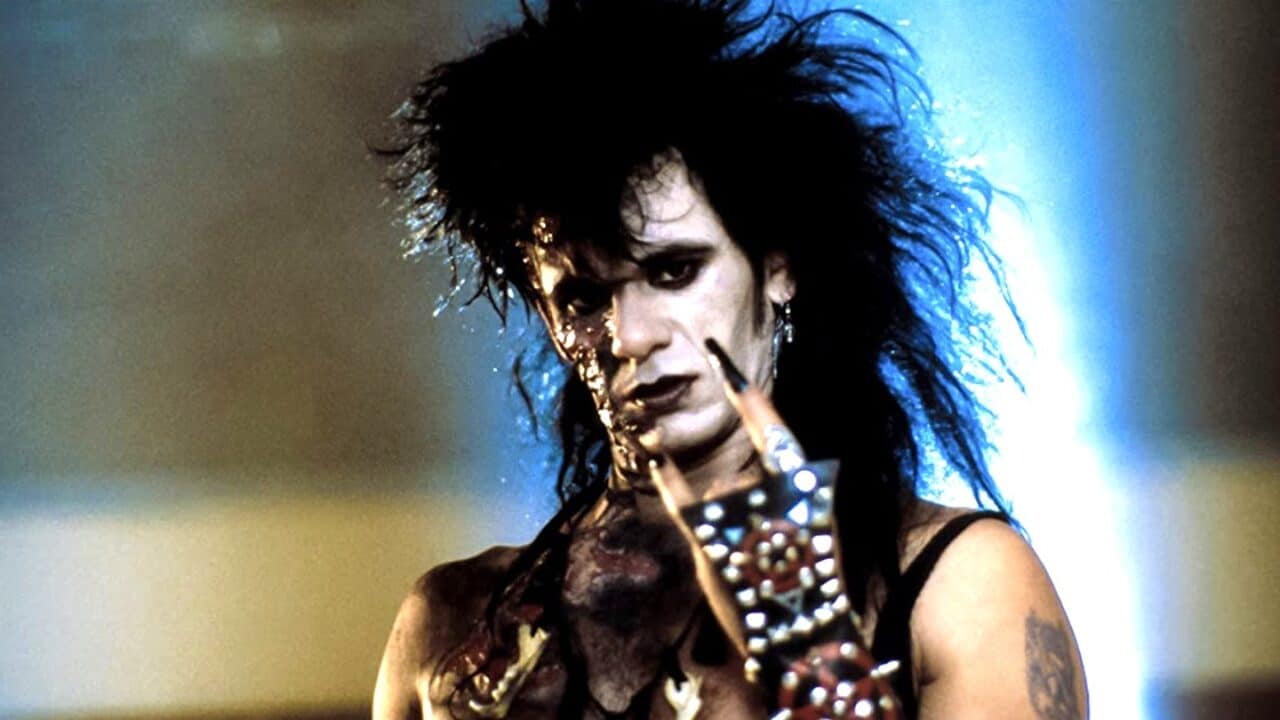
Heavy Metal Horror Film in 1980s’ USA: Moral Panic and Folk Devil Reactions
Nedim Hassan
10 February 2026
Heavy Metal Horror Film in 1980s’ USA: Moral Panic and Folk Devil Reactions
By the mid-1980s, heavy metal was no longer a subcultural curiosity, it was a commercial juggernaut. In the United States alone, hard rock and metal were estimated to account for as much as 40 percent of all recorded music sales by 1989. Yet this extraordinary success coincided with an equally intense backlash. As metal grew louder, darker, and more visible, it became a lightning rod within the era’s so-called “culture wars,” attracting the suspicion of religious groups, parent-teacher associations, and moral reformers who feared what their children might be hearing, watching, or becoming.
No organisation embodied this backlash more prominently than the Parents Music Resource Center (PMRC), a grassroots campaign led by the wives of several U.S. congressmen. Framing their intervention as a defence of America’s youth against “porn rock,” the PMRC launched a highly visible media crusade that portrayed heavy metal as a corrupting force—one that allegedly encouraged violence, suicide, Satanism, and occult practices. These anxieties were echoed by institutions more directly involved in youth governance, including probation services and mental health professionals, reinforcing the idea that metal fandom itself was a social problem in need of regulation.
The consequences of this moral panic were tangible. Fans were routinely made to feel deviant, while artists and scenes were recast as threats to public morality. In sociological terms, metal culture became a classic “folk devil”: a convenient scapegoat onto which wider fears about youth, sexuality, and cultural change could be projected.
In his lecture for the Miskatonic Institute of Horror Studies, Nedim Hassan explores this febrile cultural moment through an unexpected lens. He argues that a short-lived cycle of 1980s horror films – including Trick or Treat (1986), Rock ’N’ Roll Nightmare (1987), The Gate (1987), and Black Roses (1988) – provided a rare space in which these moral panics could be exaggerated, interrogated, and even resisted. Exploiting metal’s popularity and its demonisation, these films offered scapegoated youth audiences an opportunity to reflect critically on the fears being projected onto them; and to enjoy the spectacle along the way.
Nedim Hassan
10 February 2026
Read more
10 February 2026
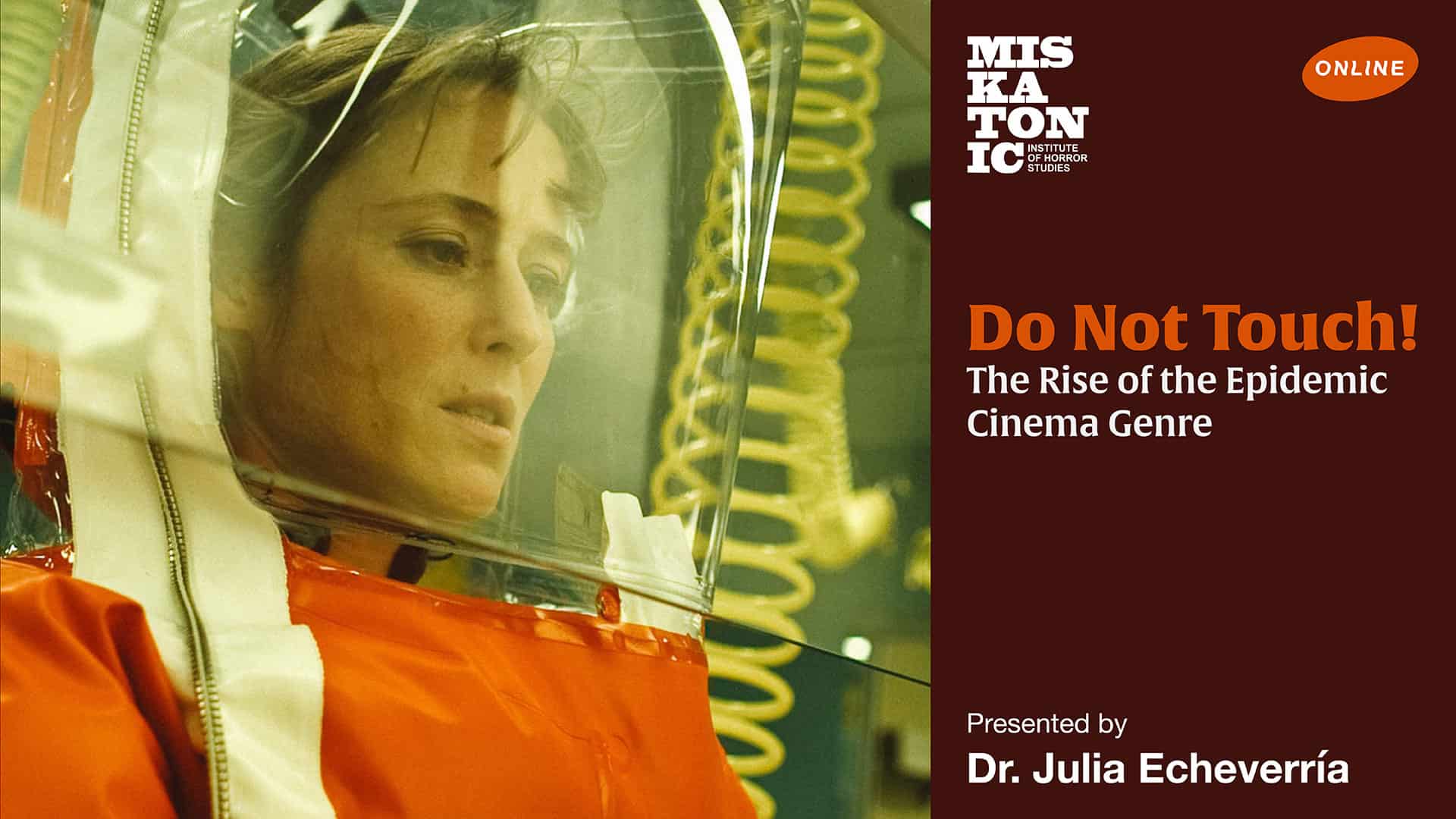
Do Not Touch! The Rise of the Epidemic Cinema Genre (Online)
Julia Echeverría
9 December 2025
Do Not Touch! The Rise of the Epidemic Cinema Genre (Online)
“There have been as many plagues as wars in history; yet always plagues and wars take people equally by surprise.” These words from Albert Camus’s The Plague underscore the unpredictable nature of pandemics. And yet, long before the COVID-19 crisis, popular cinema was issuing repeated warnings about the threat of viral outbreaks in the age of global mobility. From zombie apocalypses to deadly contagions, the early twenty-first century saw an unprecedented proliferation of fictional narratives centered on highly transmissible pathogens, building on past epidemic scares and anticipating future health crises.
In this lecture, Dr. Julia Echeverría explores the emergence of the “epidemic film” as a distinct genre, outlining its key stylistic, thematic, and narrative conventions. She offers a historical overview of its cinematic development and proposes a typology of epidemic narratives into three tales: connectivity, confinement, and conversion. The lecture also examines the pervasive use of contagion as a metaphor in contemporary popular culture, a recurring motif symptomatic of increasingly invisible, transnational, and deterritorialized threats. Epidemic films foreground a wide range of discourses relating to borders, global risk, biopolitics, digital networks, and forms of social contagion. These narratives dramatize the conflict between homogenizing global threats and the desire to preserve individuality, oscillating between collective panic and individual fright, between public health and the intimacy of bodies, and between global interconnectedness and nationalist resistance.
Dr. Julia Echeverría will perform close readings of CHILDREN OF MEN (Alfonso Cuarón, 2006), BLINDNESS (Fernando Meirelles, 2008), CONTAGION (Steven Soderbergh, 2011), and WARM BODIES (Jonathan Levine, 2013), among others, to illustrate the evolution and cultural significance of epidemic cinema in the twenty-first century. In a world where conspiracy theories and mistrust of modern medicine spread like the proverbial plague, this talk could not be more timely.
Julia Echeverría
9 December 2025
Read more
9 December 2025
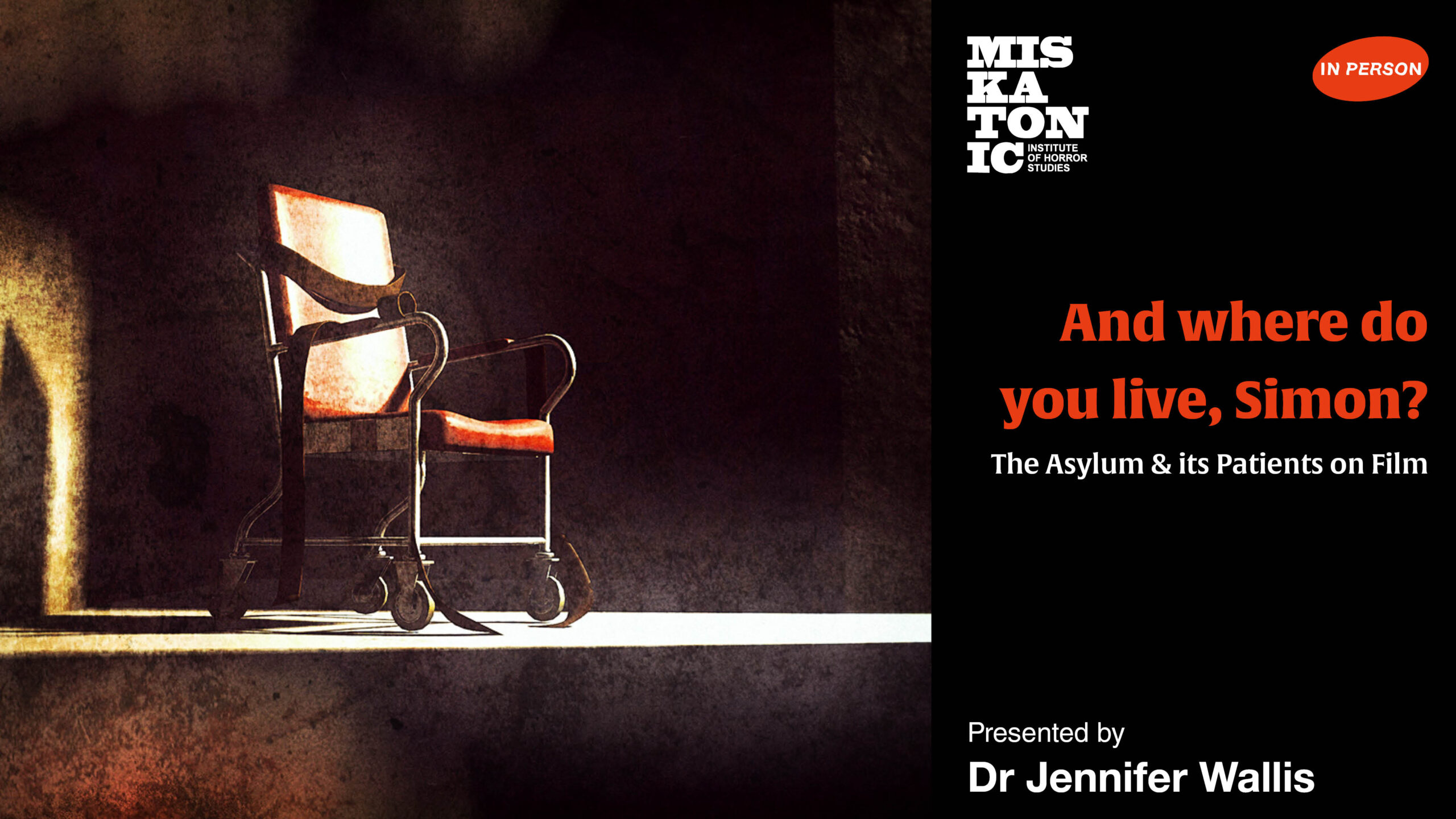
"And where do you live, Simon"? The Asylum and its Patients on Film
Jennifer Wallis
9 December 2025
"And where do you live, Simon"? The Asylum and its Patients on Film
The asylum and madness are enduring themes in the history of cinema, from the silent The Cabinet of Dr Caligari (1920) to found footage horrors such as Grave Encounters (2011) and Gonjiam: Haunted Asylum (2018). This talk explores how cinematic representations of the asylum and its patients have reflected real-life developments in psychiatry, including the demolition of Victorian institutions and moves toward community-based care in the late 20th century. We will also see how film itself played a role in these developments, with documentary exposés of asylum life like Frederick Wiseman’s Titicut Follies (1967) revealing the real-life horrors of the institution.
Jennifer Wallis
9 December 2025
Read more
9 December 2025
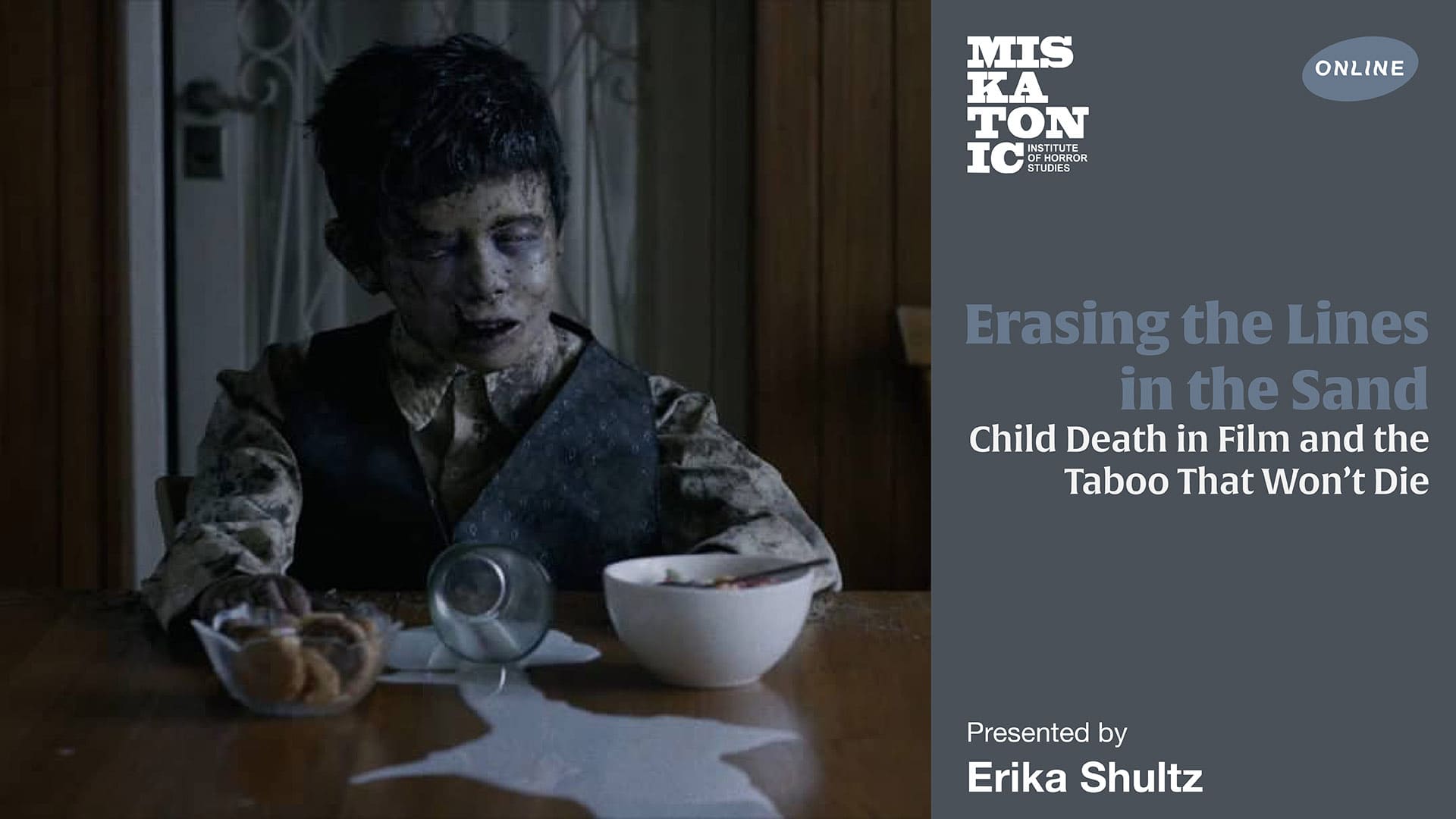
Erasing the Lines in the Sand: Child Death in Film and the Taboo That Won’t Die (Online)
Erica Shultz
18 November 2025
Erasing the Lines in the Sand: Child Death in Film and the Taboo That Won’t Die (Online)
Few things in cinema make audiences squirm quite like the death of a child. Across genres from horror to prestige dramas, filmmakers have long wrestled with how to depict this ultimate taboo — when it’s permissible, when it’s too much, and when it’s just plain funny (yes, really). Despite an era of increasing moral outrage over media content, child mortality in film remains one of the last great battlegrounds of taste, censorship, and audience tolerance.
Drawing from her book The Sweetest Taboo: An Unapologetic Guide to Child Kills in Film, Erica Shultz takes a sharp-witted, irreverent approach to a subject that has made critics and censors clutch their pearls for decades. Through film clips, historical context, and a healthy dose of gallows humor, this talk will dissect the genre biases, cultural contexts, and hypocrisies that dictate what is considered too far. Different cultures and historical moments have shaped how filmmakers portray child mortality, from the transgressive violence of Italy’s “Years of Lead”-era cinema to the reactionary moral panics of 1980s America. In Hong Kong cinema, shifting political landscapes before and after the Handover influenced the framing of youthful innocence—and its destruction.
Meanwhile, Hollywood’s unwritten rules dictate when a child’s death serves as tragedy, retribution, or exploitation. Mainstream, critically acclaimed films have long used child mortality as an emotional weapon, while horror films are branded exploitative for doing the same. Violent child deaths in action movies may remain PG-13, while horror films with similar content are punished with an R or NC-17. This conversation will also explore the difference between “Killer Kids” and “Killing Kids,” examining why a murderous child’s death in PET SEMATARY, MIKEY, or WHO CAN KILL A CHILD? is more palatable than the death of an innocent.
Beyond genre and censorship, the internet’s ever-growing influence has reshaped audience reactions, amplifying social media outrage and recontextualizing past films through contemporary lenses. Expect a lively discussion, controversial examples, and an unapologetic look at one of cinema’s most enduring taboos. If you’ve ever laughed, gasped, or cringed at an onscreen child kill, this is the class for you.
Erica Shultz
18 November 2025
Read more
18 November 2025
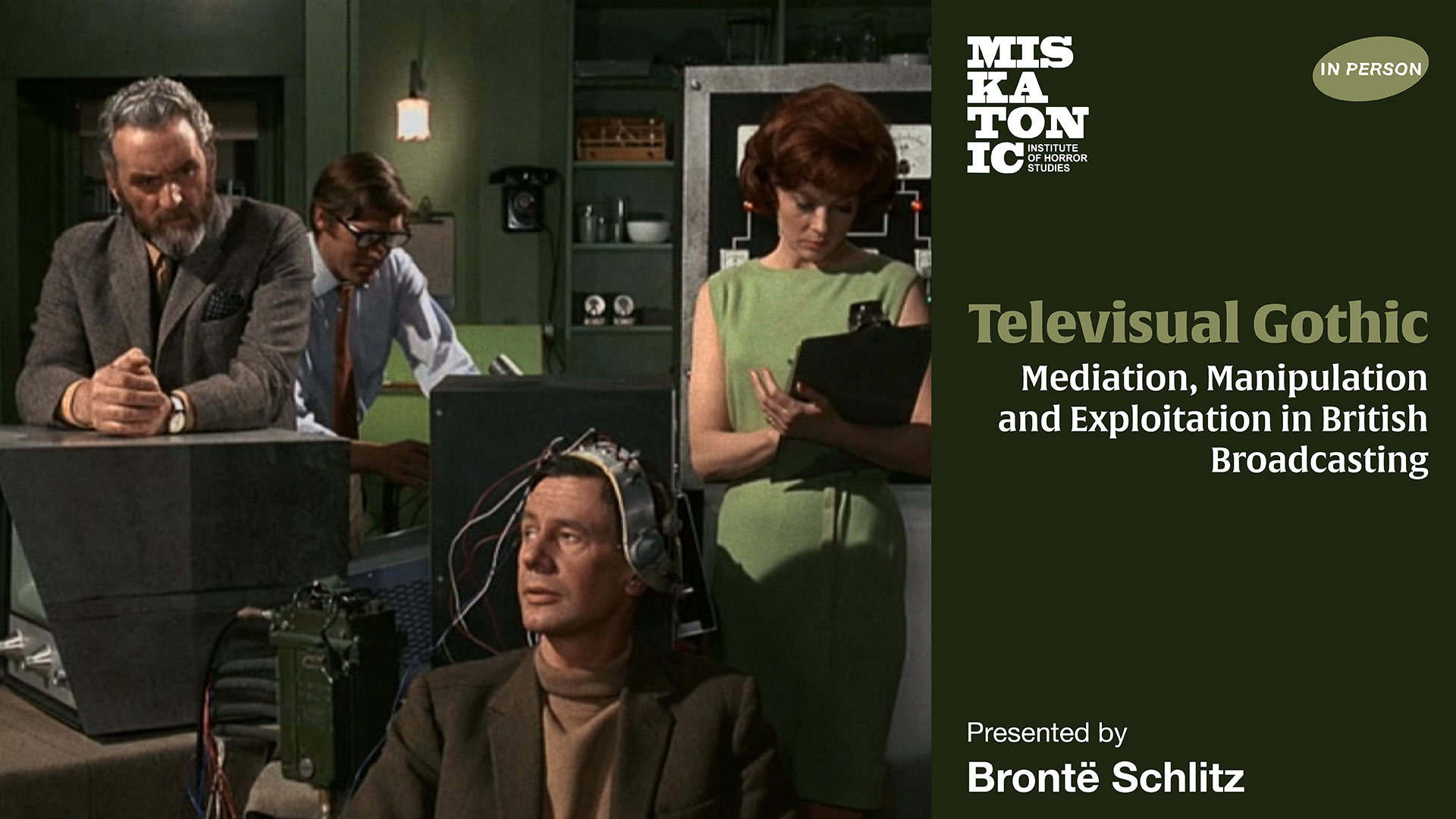
Televisual Gothic: Mediation, Manipulation and Exploitation in British Broadcasting (London)
Brontë Schlitz
11 November 2025
Televisual Gothic: Mediation, Manipulation and Exploitation in British Broadcasting (London)
Between the 1950s and 1970s, Nigel Kneale, one of the BBC’s first two staff writers, foresaw a horrifying future for British television. Through a series of Gothic dramas, he envisioned a substitution of televisual mediation for reality; the invention of reality television to both drive ratings, and, following privatisation, income, and to serve the ideological interests of capitalism by reinforcing social stratification, with fatal consequences; and the prioritisation of technological innovation over art and human life.
Kneale’s predictions have now come to fruition. There have been forty recorded suicides linked to participation in reality shows. Figures like Jimmy Savile continue to haunt our perceptions of broadcasting years after their deaths. Working-class people, despite watching more television than any other socioeconomic demographic, are also most likely to distrust and feel misrepresented by public service broadcasters. During COVID-19 lockdowns, television viewership increased to unprecedented levels, genuinely offering a substitute for reality while social contact was prohibited.
But since Kneale’s conjectures began to materialise, British public service broadcasters have also aired numerous dramas that instead position the Gothic as a radical force through which to challenge the potential horrors of British television.
This lecture surveys seventy years of such self-reflexive texts, which I classify under the term Televisual Gothic, and explores their reinstatement of the Gothic’s subversive potential to expose and criticise modes of television production that serve capitalist ends to the detriment of creatives and audiences alike. It begins with discussion of four programmes by Kneale – The Quatermass Experiment (1953), Quatermass and the Pit (1958-9), The Year of the Sex Olympics (1968) and The Stone Tape (1972) – before moving on to the Televisual Gothic’s neoliberal revival via Doctor Who episodes ‘Vengeance on Varos’ (1985) and ‘The Long Game’/‘Bad Wolf’ (2005), as well as the infamous Ghostwatch (1992). Finally, it considers the Televisual Gothic’s transformations in the age of reality television and social media via Red Rose (2022) and Inside No. 9 episodes ‘Séance Time’ (2015), ‘Dead Line’ (2018) and ‘Boo to a Goose’ (2024).
We will examine how the Televisual Gothic facilitates predictions and articulations of, and critical responses to, broadcasters’ work to distort perceptions of reality, atomise audiences, exploit participants, and manufacture shock to drive ratings in the interests of generating profit and fortifying capitalist constructions of class. By heeding their warnings, these screenwriters suggest, we might finally combat the capacity for genuine horror inherent in our most domestic medium.
Brontë Schlitz
11 November 2025
Read more
11 November 2025