MIS
KA
TON
IC
Institute of
Horror Studies
Archive
Archive
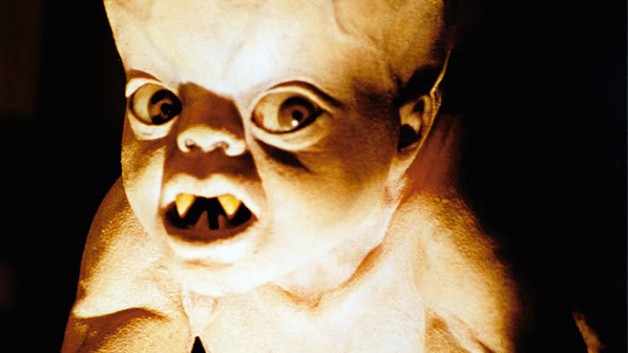
CREEPY KIDS
Candis Steenbergen
26 October 2011
CREEPY KIDS
“…the “otherness” of children… is that which is repressed within ourselves, its expression therefore hated in others…” (Robin Wood, 1985: 200).
“Insatiability for blood is almost too perfect a metaphor for the amorphous tyrants children can be” (John Calhoun, 2009: 27).
This course interrogates the figure of the child that, as Robin Wood (1985) reminds us, has “figured prominently in horror film as the monster or its medium (202).” This figure—embodied as “innocent” baby, child, or teenager somehow gone wrong—operates as much more than simply an inspirer of terror in this context; it exposes collective anxieties about ourselves: our beliefs, our environment, our desires, and our futures. Rather than following a chronological path, the trajectory of “Creepy Kids” follows the stages of age and development of our contemporary understandings of “normal” infancy, childhood, adolescence and young adulthood, and will explore the cultural significance of the child in horror films through readings, lectures, screenings and (most importantly) discussion. While Calhoun (2009) tells us that “there’s nothing like a little monster to inspire terror among grown-ups,” creepy kids will investigate the complexities of that dread (27). Issues related to gender, race, class, sexuality and (of course) age are crucial here, and we’ll discuss the interconnectedness of all of them—and more—each week we meet.
TENTATIVE SCHEDULE
1. Creepy Kids: the Birth of the Terrible
Lecture/Discussion: Age, the “figure of the child,” maternity, mom, family…and horror
Screening: It’s Alive! (1974)
2. Creepy Kids: (Not so) Malevolent Little Creatures
Discussion/Lecture: “Little children,” “community,” race, class…and horror
Screening: Village of the Damned (1960)
3. Creepy Kids: The Evil Innocent(s)
Lecture/Discussion: Family bonds/parenting, “innocence” and “purity”…and horror
Screening: The Children
4. Creepy Kids: Never Trust Anyone Under 20
Discussion/Lecture: Adolescence, rurality, contemporary moral panics…and horror
Screening: Eden Lake
SUGGESTED (OR FURTHER) READING
Bussing, Sabine. Aliens in the Home: the Child in Horror Fiction. Westport: Greenwood Press, 1987.
Calhoun, John. “Childhood’s End: Let the Right One In and Other Deaths of Innocence.” Cineaste. Winter 2009. 27-31.
Crane, Jonathan Lake. Terror and the Everyday Life: Singular Moments in the History of the Horror Film. Chapel Hill: University of North Carolina, 1994.
Pinedo, Isabel Cristina. “Postmodern Elements of the Contemporary Horror Film.” Journal of Film and Video. Volume 48, Numbers ½ (Spring-Summer 1996): 17-31.
Sobchack, Vivian. “Bringing it all Back Home: Family Economy and Generic Exchange.” The Dread of Difference: Gender and the Horror Film. Barry Keith Grant, ed. Austin: University of Texas Press, 1996: 143-163.
Williams, Tony. Hearths of Darkness: The Family in the American Horror Film. Madison: Fairleigh Dickinson University Press, 1996.
Williams, Tony. “Trying to Survive on the Darker Side: 1980s Family Horror.” The Dread of Difference: Gender and the Horror Film. Barry Keith Grant, ed. Austin: University of Texas Press, 1996:164-180.
Wood, Robin. “An Introduction to the American Horror Film.” Movies and Methods. Volume 2. Bill Nichols, ed. Berkeley/Los Angeles: University of California Press, 1985: 195-220.
Candis Steenbergen
26 October 2011
Read more
26 October 2011
UNIVERSAL HORRORS
Speaker
5 October 2011
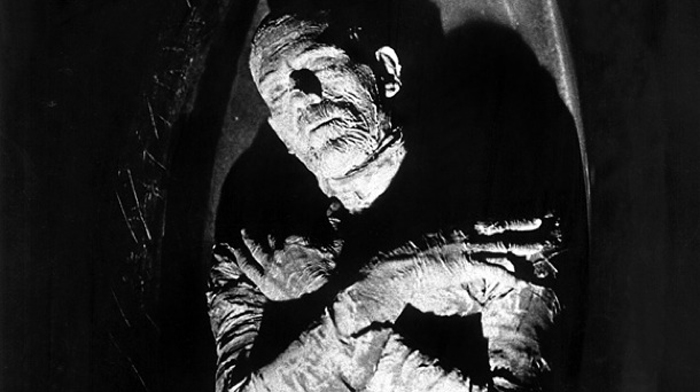
UNIVERSAL HORRORS
Wednesdays, Oct 5, 12 + 19, 6pm-9pm
This course will examine the main themes and stylistic characteristics of the horror films produced by Universal Studios during the 1930s. In order to offer an efficient analysis of the themes and stylistics of Universal horrors, each of the four classes will be specifically devoted to the study of one film from the first horror cycle.
Speaker
5 October 2011
Read more
5 October 2011
UNIVERSAL HORRORS
Charlie Ellbé
5 October 2011
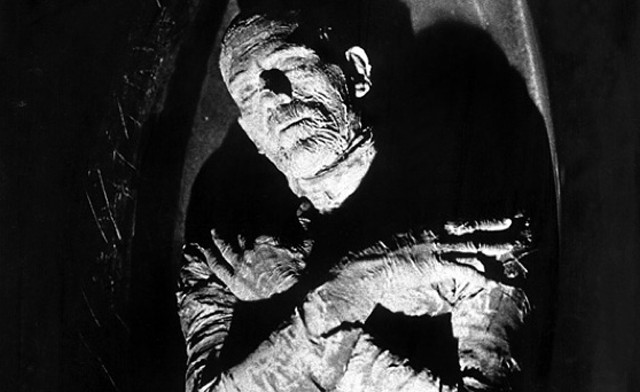
UNIVERSAL HORRORS
This course will examine the main themes and stylistic characteristics of the horror films produced by Universal Studios during the 1930s. In order to offer an efficient analysis of the themes and stylistics of Universal horrors, each of the four classes will be specifically devoted to the study of one film from the first horror cycle.
Charlie Ellbé
5 October 2011
Read more
5 October 2011
GETTING EVEN: A HISTORY OF THE RAPE REVENGE FILM
Kier-La Janisse
6 June 2011
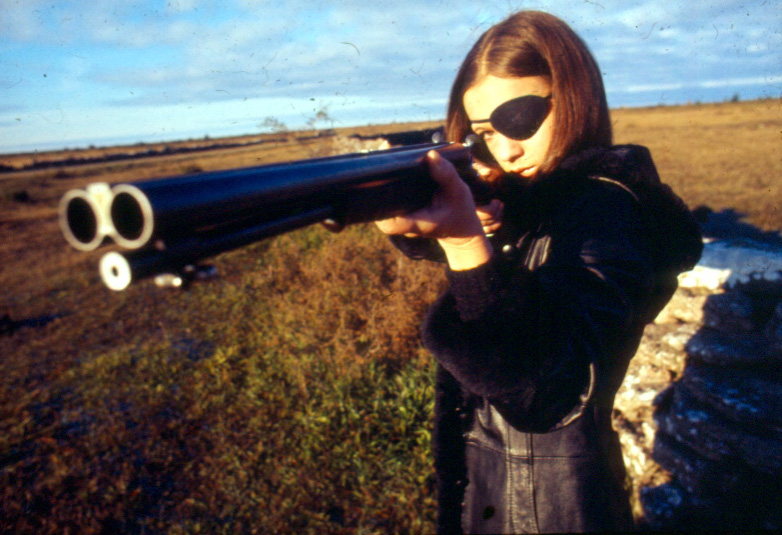
GETTING EVEN: A HISTORY OF THE RAPE REVENGE FILM
Monday June 6 + Monday June 13 – 6-9pm
No genre gets a worse rap that the rape-revenge film. Cited as unrelentingly misogynistic, and viewed as perpetuating real-life violence against women, rape-revenge films are considered the bottom-of-the-barrel even among exploitation fans. Alternately (and often facetiously) referred to as the “women’s revenge picture”, I maintain that rape-revenge is just that: a cathartic and empowering vehicle for female cinematic rage. A rape scene is the single greatest justification for anything else in the film that follows – no matter how illogical, unbelievable, sadistic, misanthropic, graphic or tortuous. Rape-revenge films, like horror films in general, prize vigilante justice, and the audience will accept any direction the story takes because culturally, rape is worse than death.
This course traces the history of the rape-revenge genre from its roots in the 4th century Swedish folk tale that inspired Ingmar Bergman’s The Virgin Spring through the genre’s peak period in the 70s + 80s, to contemporary rape-revenge films such as Gaspar Noe’s Irreversible and the remakes of Last House on the Left and I Spit on Your Grave. Utilizing numerous clips from rare films and a complete screening of Abel Ferrara’s seminal rape-revenge film, Ms. 45, this course will examine the evolution of the woman’s revenge picture, assessing its tragic character trajectory, its common narrative and tonal structure, and its controversial place in pop culture.
Kier-La Janisse
6 June 2011
Read more
6 June 2011

THE JAPANESE HORROR FILM
Donato Totaro
16 May 2011
THE JAPANESE HORROR FILM
(Participants under 18 must have a signed permission slip + ratings waiver from a parent or guardian. DOWNLOAD THE PERMISSION SLIP HERE)
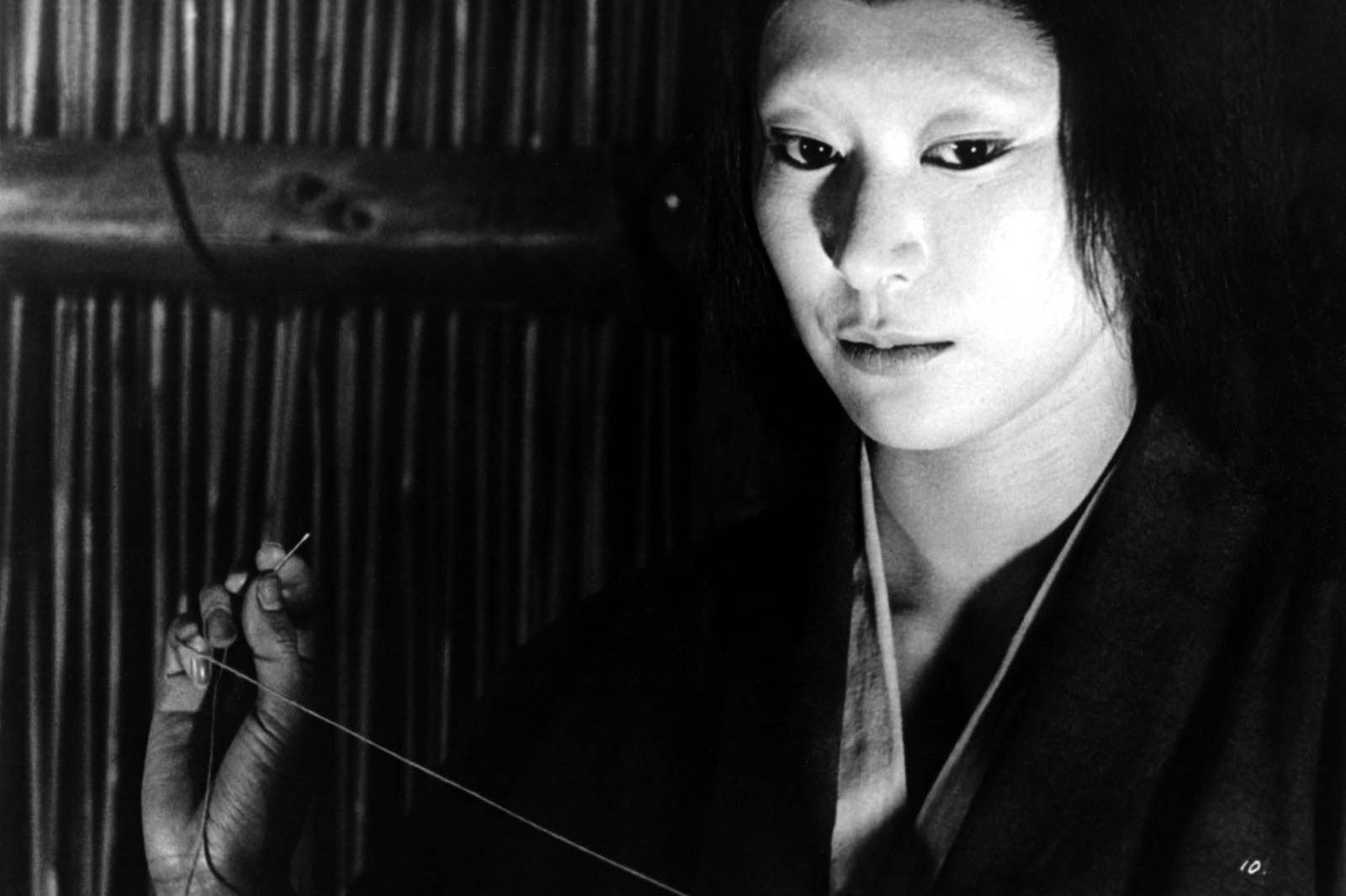
The Japanese horror film burst onto the International scene in the late 1990s with a series of suspenseful, nerve-wracking chillers that brought mood, subtlety and terror back into a genre that was growing weary and stale. By the early 2000s the Japanese horror film became so popular, and its aesthetic approach so widespread and copied that it became a virtual cottage industry, spawning numerous American remakes, television series, comics, and a rekindling of other Asian horror cinemas. To the jaded horror fan J-horror felt alive and fresh, but the seminal figures such as Hideo Nakata, producer extraordinaire Taka Ichise, Kiyoshi Kurosawa, Takashi Shimizu, and Takashi Miike were clearly drawing from a rich historical tradition of supernatural and ghost stories that go back to pre-Modern Japanese literature, theatre, and painting. The course will trace the importance of the pre-modern tradition (pre-1900), as seen in Japanese Kabuki and Noh theatre, literature and painting, on the first flowering of great Japanese horror in the 1950s, 1960s and 1970s (Kenji Mizoguchi, Nobuo Nakagawa, Kaneto Shindo, Masaki Kobayashi), and then examine how the current new wave of J-horror drew from this older tradition of ghost/supernatural film and art and added a modern, technologically concerned sensibility. Films/extracts will include Ugetsu (1954), Jigoku (1960), Kwaidan (1964), Onibaba (1964), Ringu (1998), Uzumaki (2000), Kaïro (2001), Ju-on: The Grudge (2004), and Exte: Hair Extensions (2007).
Donato Totaro
16 May 2011
Read more
16 May 2011
THE JAPANESE HORROR FILM
16 May 2011
THE JAPANESE HORROR FILM
Mondays May 16, 23 + 30, 6-9pm
Instructor: Donato Totaro
(Participants under 18 must have a signed permission slip + ratings waiver from a parent or guardian. DOWNLOAD THE PERMISSION SLIP HERE)
The Japanese horror film burst onto the International scene in the late 1990s with a series of suspenseful, nerve-wracking chillers that brought mood, subtlety and terror back into a genre that was growing weary and stale. By the early 2000s the Japanese horror film became so popular, and its aesthetic approach so widespread and copied that it became a virtual cottage industry, spawning numerous American remakes, television series, comics, and a rekindling of other Asian horror cinemas. To the jaded horror fan J-horror felt alive and fresh, but the seminal figures such as Hideo Nakata, producer extraordinaire Taka Ichise, Kiyoshi Kurosawa, Takashi Shimizu, and Takashi Miike were clearly drawing from a rich historical tradition of supernatural and ghost stories that go back to pre-Modern Japanese literature, theatre, and painting. The course will trace the importance of the pre-modern tradition (pre-1900), as seen in Japanese Kabuki and Noh theatre, literature and painting, on the first flowering of great Japanese horror in the 1950s, 1960s and 1970s (Kenji Mizoguchi, Nobuo Nakagawa, Kaneto Shindo, Masaki Kobayashi), and then examine how the current new wave of J-horror drew from this older tradition of ghost/supernatural film and art and added a modern, technologically concerned sensibility. Films/extracts will include Ugetsu (1954), Jigoku (1960), Kwaidan (1964), Onibaba (1964), Ringu (1998), Uzumaki (2000), Kaïro (2001), Ju-on: The Grudge (2004), and Exte: Hair Extensions (2007).
16 May 2011
REVISIONIST MONSTERS
19 April 2011
REVISIONIST MONSTERS
Tuesdays, April 19,26 + May 3, 6-9pm
Instructor: Anna Phelan
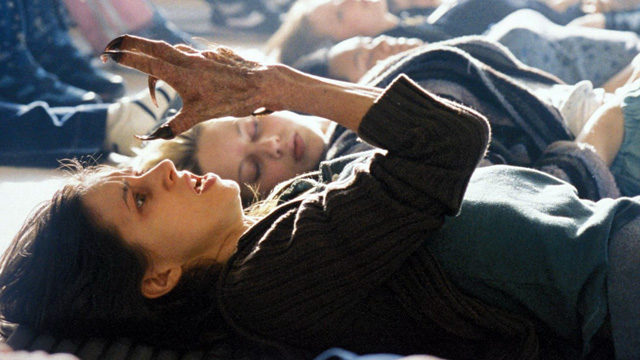
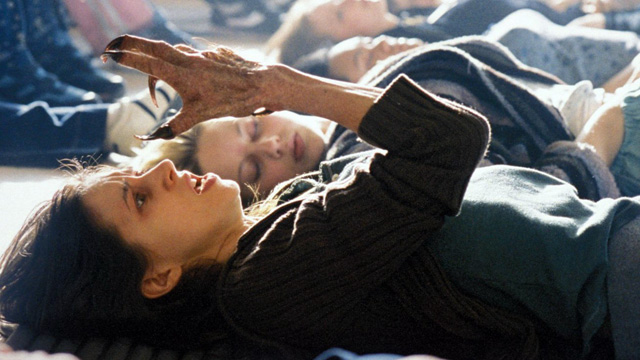
From monsters under the bed to Monsters Inc., generations of our collective imagination have been preoccupied with boogie men and their various incarnations. Classic monsters like Dracula, Frankenstein or the Werewolf unite our fears as well as cultural reference points; meaning, today, ‘traditional’ monster narratives are so universal that old and young alike can easily identify historical, aesthetic and plot clichés inherent to each classic baddie. But with the recent, frightening pervasiveness of the teenie-bopper Twilight franchise, it’s clear that the vampire story, for one, has come a long way from ‘I vant to suck your blooood.’ Under the shadow of Twilight’s seemingly superficial re-imagining of the Dracula tale, this is an excellent time to re-examine more complex and interesting forays into revisionist monster movies. With clips, selected readings and screenings, this course will look at the implications, questions and cultural concerns raised when filmmakers transpose classic monster tales onto contemporary milieus.
Screening Week 1: The Company of Wolves (Neil Jordan, 1984)
Screening Week 2: Nadja (Michael Almereyda, 1994)
19 April 2011
REVISIONIST MONSTERS
Anna Phelan
19 April 2011
REVISIONIST MONSTERS
From monsters under the bed to Monsters Inc., generations of our collective imagination have been preoccupied with boogie men and their various incarnations. Classic monsters like Dracula, Frankenstein or the Werewolf unite our fears as well as cultural reference points; meaning, today, ‘traditional’ monster narratives are so universal that old and young alike can easily identify historical, aesthetic and plot clichés inherent to each classic baddie. But with the recent, frightening pervasiveness of the teenie-bopper Twilight franchise, it’s clear that the vampire story, for one, has come a long way from ‘I vant to suck your blooood.’ Under the shadow of Twilight’s seemingly superficial re-imagining of the Dracula tale, this is an excellent time to re-examine more complex and interesting forays into revisionist monster movies. With clips, selected readings and screenings, this course will look at the implications, questions and cultural concerns raised when filmmakers transpose classic monster tales onto contemporary milieus.
Screening Week 1: The Company of Wolves (Neil Jordan, 1984)
Screening Week 2: Nadja (Michael Almereyda, 1994)
Anna Phelan
19 April 2011
Read more
19 April 2011
DEAD CELLULOID: A BRIEF HISTORY OF ZOMBIES IN CINEMA
Stuart Andrews
12 March 2011
DEAD CELLULOID: A BRIEF HISTORY OF ZOMBIES IN CINEMA
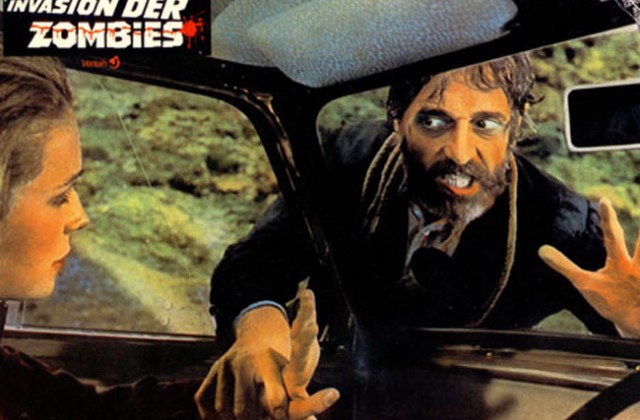
The dead are among us, and always have been, since the dawn of cinema. From the parasitic, hollow eyed drones of the expressionist era to the monsters of Monogram studios, up through the atomic 1950’s and fully kicking into gear with the the cannibal corpses of George A. Romero; international pop culture’s fascination with zombies has resulted in some of the most relevant and defining works that horror genre has to offer. RUE MORGUE RADIO head honcho Stuart ‘Feedback’ Andrews will take you on a two day journey into the black, putrifying heart of darkness with this exciting, lively and shuddery history of the living dead on-screen.
Stuart Andrews
12 March 2011
Read more
12 March 2011
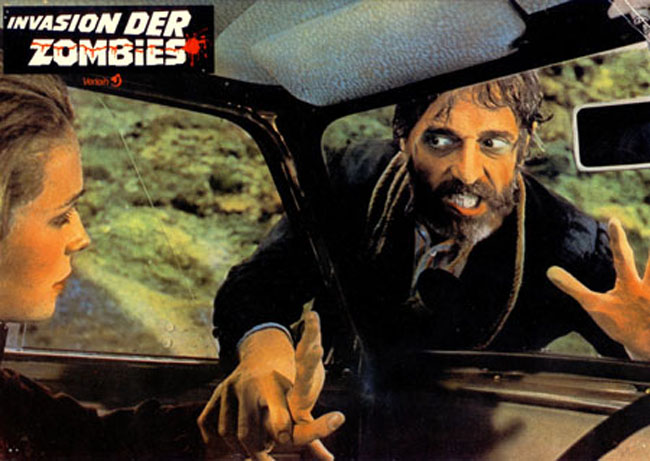
DEAD CELLULOID: A Brief History of Zombies in Cinema
Saturday March 12 + Sun March 13 – Noon-5pm
The dead are among us, and always have been, since the dawn of cinema. From the parasitic, hollow eyed drones of the expressionist era to the monsters of Monogram studios, up through the atomic 1950’s and fully kicking into gear with the the cannibal corpses of George A. Romero; international pop culture’s fascination with zombies has resulted in some of the most relevant and defining works that horror genre has to offer. RUE MORGUE RADIO head honcho Stuart ‘Feedback’ Andrews will take you on a two day journey into the black, putrifying heart of darkness with this exciting, lively and shuddery history of the living dead on-screen.
Instructor: STUART ANDREWS
Since 2005, Toronto based film journalist Stuart “Feedback” Andrews has been a regular contributor to Rue Morgue Magazine and a spoken word contributor to Rue Morgue Radio where he’s interviewed many of the horror genre’s most celebrated figures.He studied film at Toronto’s York University and was a student of influential genre film critic Robin Wood (Hitchcock’s Films). Excerpts from his career retrospective interview with legendary filmmaker George A. Romero appear on the special features of the Weinstein Company’s 40th anniversary DVD reissue of Night of the Living Dead. He’s also the host of CKLN radio’s long running weekly film show Cinephobia Radio.
12 March 2011