MIS
KA
TON
IC
Institute of
Horror Studies
Archive
Archive
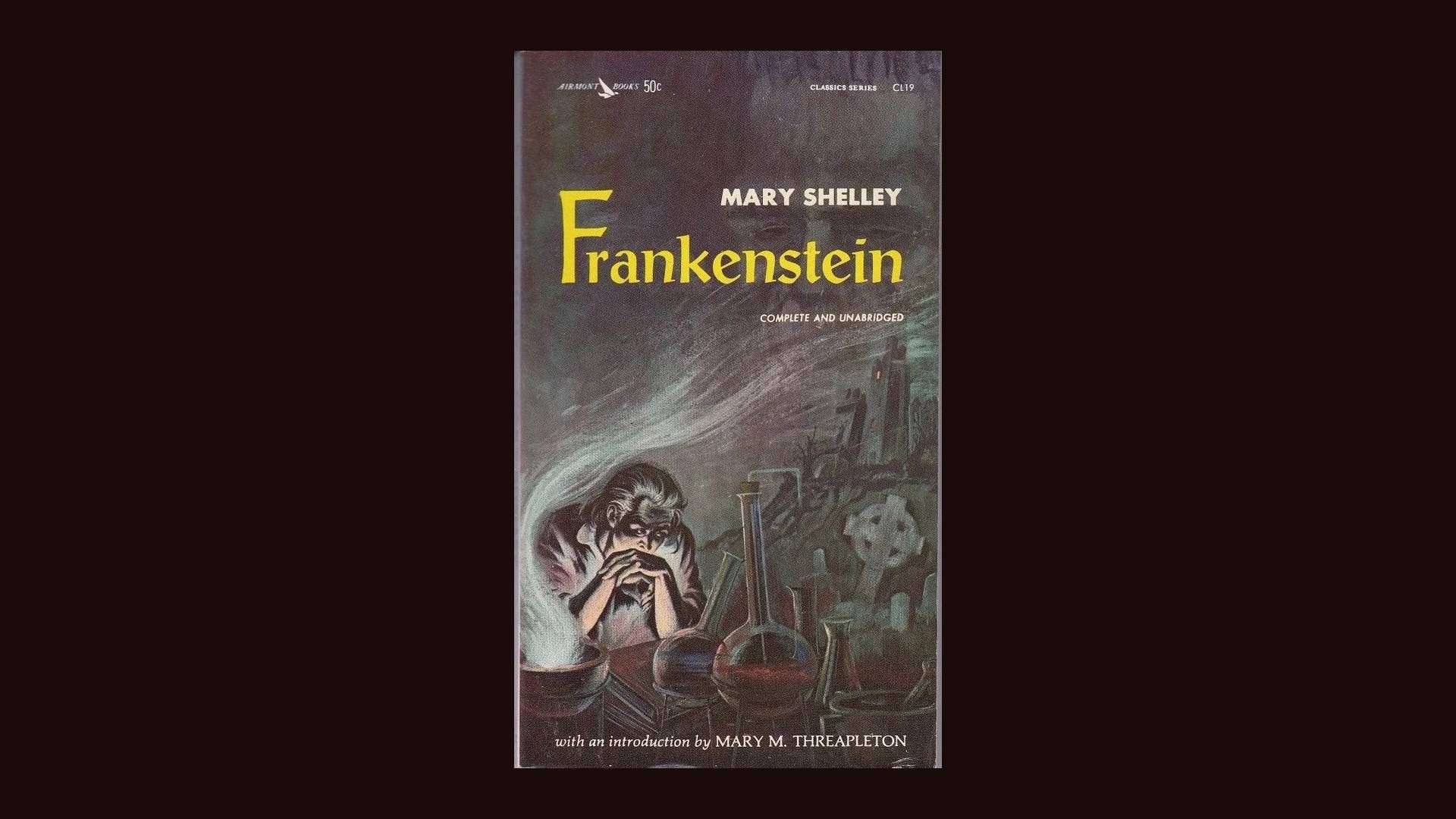
Facing Familiar Fears: Race, Gender, and Technology in Frankenstein (NYC physical)
Wendy C. Nielsen
17 May 2022
Facing Familiar Fears: Race, Gender, and Technology in Frankenstein (NYC physical)
Are humans only born, or can they be made? Must your origins determine your future? Are you fated to be who you are, or can you choose? What lessons does Mary Shelley’s Frankenstein have to teach us about Black Lives Matter and the role of science and technology in shaping our concept of who counts as human? What can we learn through Shelley’s novel about extending human rights–including the right to reproduce–to synthetic, artificial life forms?
Though it was first published more than two centuries ago, Shelley’s groundbreaking narrative is as relevant and provocative today as it was in 1818. Its blend of science fiction, horror, and gothic drama provides a phantasmagorical laboratory in which progressive generations of scholars, writers, and artists continue to test what it means to be human. The novel’s questions about what constitutes human nature, and who can lay claim to human rights, are compellingly applicable to our contemporary political turmoil around how anatomy, appearance, and origin determine one’s identity–or if they even should. Perhaps Frankenstein can help us attend to historic societal wounds that remain open, as we approach futuristic concerns such as medical procedures that facilitate self-affirmation, the progress of artificial intelligence, and the advent of cloning.
This talk will explore Frankenstein’s implications for modern autonomy and identity issues by analyzing the original text with an eye toward science’s impact on racial, sexual, and gender-based discrimination. Topics will range from incest to artificial life, and slavery to the singularity.
The reach of Shelley’s influence and Frankenstein’s fertility for interpretation will be illustrated through a selection of film adaptations, including the first FRANKENSTEIN film by Thomas Edison, James Whale’s iconic films FRANKENSTEIN and BRIDE OF FRANKENSTEIN, Andy Warhol’s FLESH FOR FRANKENSTEIN, BRIDE OF RE-ANIMATOR, FRANKENHOOKER, and the recent MARY SHELLEY. These films will be discussed in relation to the 1818 and 1831 editions of Frankenstein and scholarship about the novel’s production history and influences (Alan Bewell, “An Issue of Monstrous Desire: Frankenstein and Obstetrics”), intersections with race (Allan Lloyd Smith, “‘This Thing of Darkness’: Racial Discourse in Mary Shelley’s Frankenstein”), and relevance for American culture and queer issues (Elizabeth Young, “Here Comes the Bride: Wedding Gender and Race in Bride of Frankenstein“).
Please be advised that this class is not included in the Global Spring 2022 Pass or the New York Spring 2022 Pass.
Please check with your local health authority on the current requirements for masks and vaccination for attending live events.
Wendy C. Nielsen
17 May 2022
Read more
17 May 2022
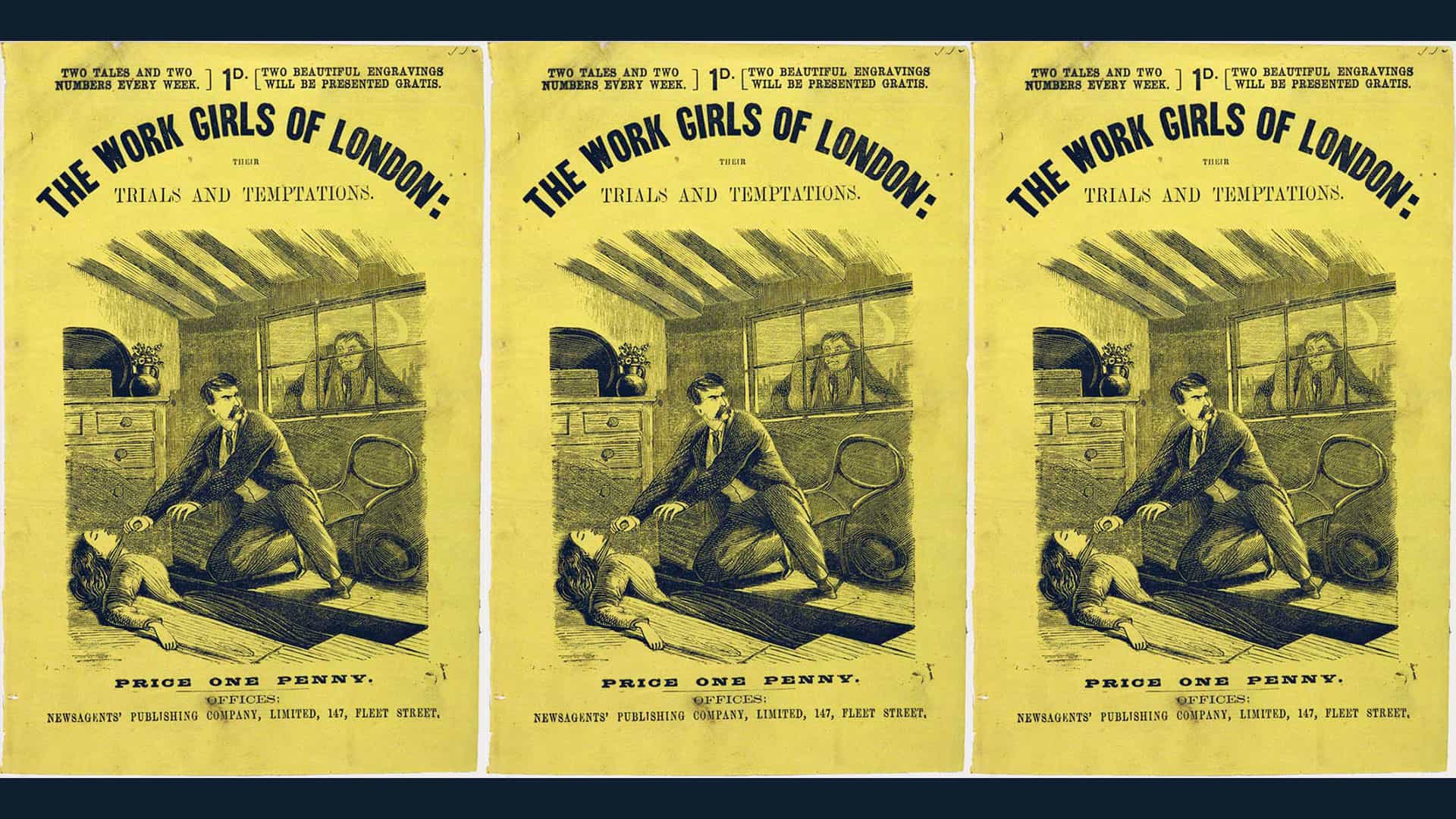
Excavating the Penny Dreadful: Labour exploitation in Victorian Trash Fiction (London Online)
Sophie Raine
10 May 2022
Excavating the Penny Dreadful: Labour exploitation in Victorian Trash Fiction (London Online)
From their inception in the 1840s until their decline in the 1860s, the penny dreadful was a source of derision from both moralist and literary critics. While many advocated for the banning of such texts on account of their salacious and often violent content, literary critics further condemned the texts as inferior plagiarisms of more well-known Gothic novels which could not be considered ‘serious’ literature. Distributed in weekly penny-parts aimed at the working classes, these serials were hugely popular in the Victorian period with texts such as George W M Reynolds’s The Mysteries of London (1844-46) even outselling Dickens. Due to their reputation as the bastardised offspring of Gothic literature, however, the penny dreadfuls have long been regarded as less worthy of critical study than more canonical Gothic fiction. There has, however, been a resurgence of interest in some of these texts particularly the aforementioned The Mysteries of London and James Malcolm Rymer’s The String of Pearls (1846-47) featuring the demon-barber of Fleet Street, Sweeney Todd, which has been subject to numerous adaptations over the years. It is due to this renewed interest – aided by archival work excavating many of these forgotten texts by the contributions of collectors such as Barry Ono – that we are able to access these texts and gain a deeper understanding of these controversial Gothic serials.
This workshop will aim to explore these texts as radical in terms of their political content and demonstrate how these texts show the malleable form of the Gothic mode as they adapt the genre harkening back to older forms and acknowledging their own role within Gothic discourses. The session will look at a breadth of material including more popular, well-known penny serials such as The String of Pearls as well as lesser-known texts such as Herbert Thornley’s Life in London (1846), and Thomas Frost’s The Mysteries of Old Father Thames (1848). These texts offered their readership the sensational and gripping tales of terror featuring subterranean dwellings, murder and cannibalism. However, despite what has been previously suggested, the use of these shocking narratives had a social purpose: to enter into discourse regarding the treatment of the working classes under capitalism and as a result of industrialised labour. Through these Gothic tales, by bringing these topical discussions to the fore, readers were able to exorcise these anxieties through fiction. These three texts have been chosen for their exploration of poverty and exploitative labour is represented through subterranean dwellings.
Please note this is a live broadcast event – the class cannot be watched later, so please be sure you are available at the date and time the class is being offered in before registering. All sales are final, and we will not give refunds for any reason other than class cancellation. Classes curated by Miskatonic London are either in Greenwich Mean Time or British Summer Time depending on the time of year.
Sophie Raine
10 May 2022
Read more
10 May 2022

The Women Of Weird Tales (LA Online)
Melanie R. Anderson
26 April 2022
The Women Of Weird Tales (LA Online)
In the early decades of the twentieth century in America, pulp magazines developed into prime real estate for genre fiction such as westerns, science fiction and fantasy, horror, mysteries, and adventure stories. Specific magazines catered to specific tastes, and readers of Weird Tales (1923-1954) were looking for horror and dark fantasy.
Unfortunately, because of their paper materials, the pulp magazines were not built to last and are difficult to find now. And, because they offered portable entertainment to the general public, for the most part, the stories were not incorporated into academic classrooms. Ultimately, the fiction and names of many pioneering writers of genre fiction who wrote for the pulps have faded into history. Many of the surviving works are by men. Today, for example, H. P. Lovecraft is often connected to Weird Tales. This, however, does not mean that women were not involved in the production of the pulp magazines. They were in positions ranging from cover artists to editors to writers. Scholars of history and literature have been working to unearth their names and recent studies and collections are bringing them and their fiction to light.
This lecture will explore how women were involved in the production of the pulps with a focus on Weird Tales. In the course of this exploration, we also will discuss a few of the women writers and their works. These women’s stories fit into a larger tradition of horror and dark fiction by connecting the legacy of women writing horror prior to the twentieth century to later generations.
Please note this is a live broadcast event – the class cannot be watched later, so please be sure you are available at the date and time the class is being offered in before registering. All sales are final, and we will not give refunds for any reason other than class cancellation. Classes curated by Miskatonic Los Angeles are in Pacific Time.
Melanie R. Anderson
26 April 2022
Read more
26 April 2022
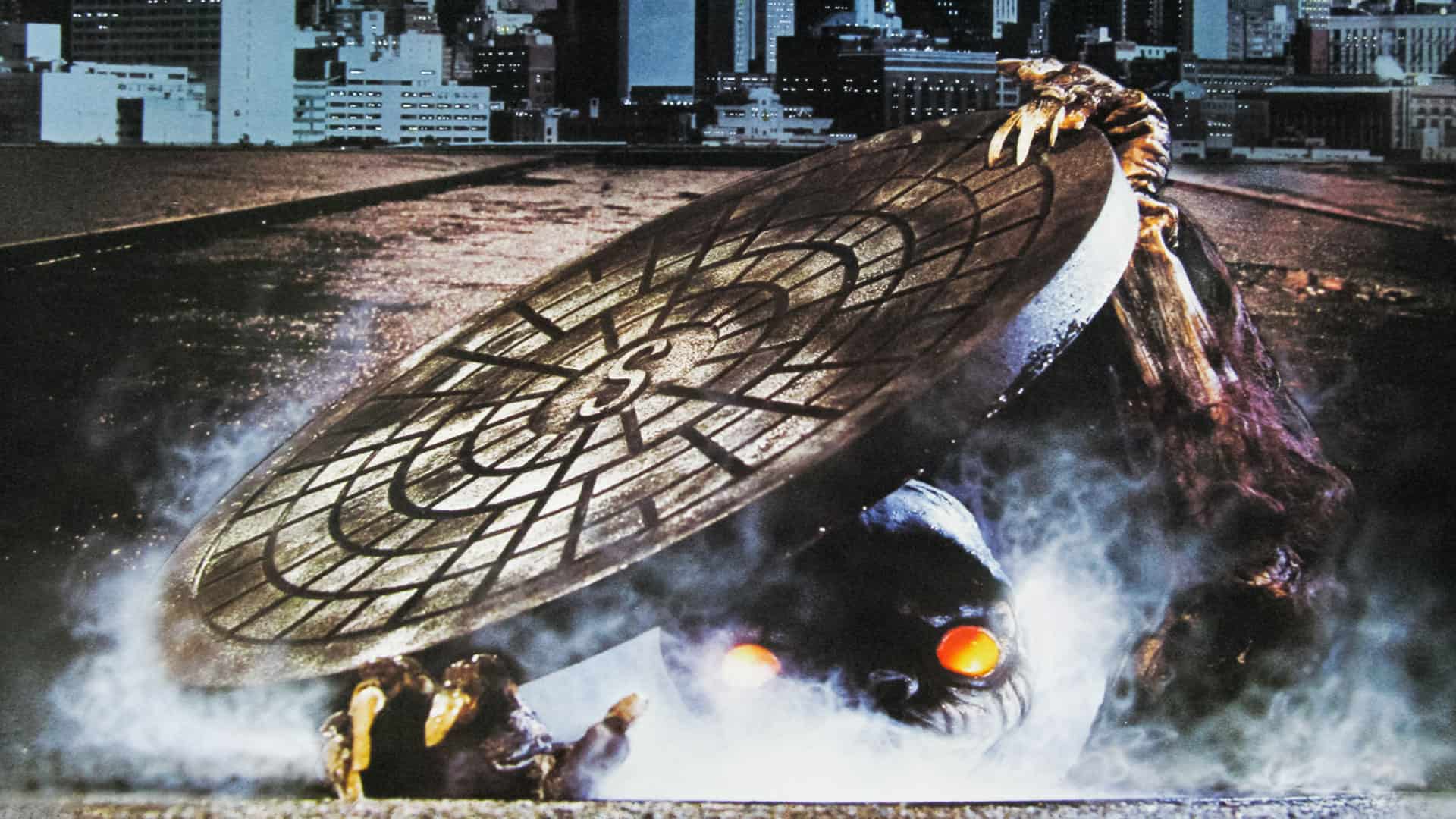
Subterranean Horror (NYC Online)
Leo Goldsmith
19 April 2022
Subterranean Horror (NYC Online)
From the bowels of Hell to Dracula’s crypt to the New York City sewer system, horror is obsessed with the dark, mysterious inner substructures of the planet. Across a wide array of media, from folklore and literature to painting and cinema, horror explores these underground locales both as sinister settings — obscure origins or grim resting places — and as a symbolic terrain that mirrors the hidden, repressed, or lurking forces of the human psyche, the supernatural, or history itself.
Navigating the lairs, mines, caverns, and hollows of this subterranean subgenre, this lecture shines a light into these dim spaces, mapping the ways the underground landscape has indexed the suppressed impulses of human consciousness, the literally buried traumas of the past (as in the highly dubious trope of the “Indian burial ground”), physical architectures of class hierarchy and warfare, and Nature’s revenant energies in an age of anthropogenic climate change. Reference texts include literary works such as Poe’s “The Premature Burial,” Wells’s The Time Machine, Kafka’s “The Burrow,” and Lovecraft’s “The Lurking Fear,” and films including Quatermass and the Pit, Plague of the Zombies, The Descent, 10 Cloverfield Lane, and C.H.U.D.
Please note this is a live broadcast event – the class cannot be watched later, so please be sure you are available at the date and time the class is being offered in before registering. All sales are final, and we will not give refunds for any reason other than class cancellation. Classes curated by Miskatonic New York are in Eastern Time.
Leo Goldsmith
19 April 2022
Read more
19 April 2022
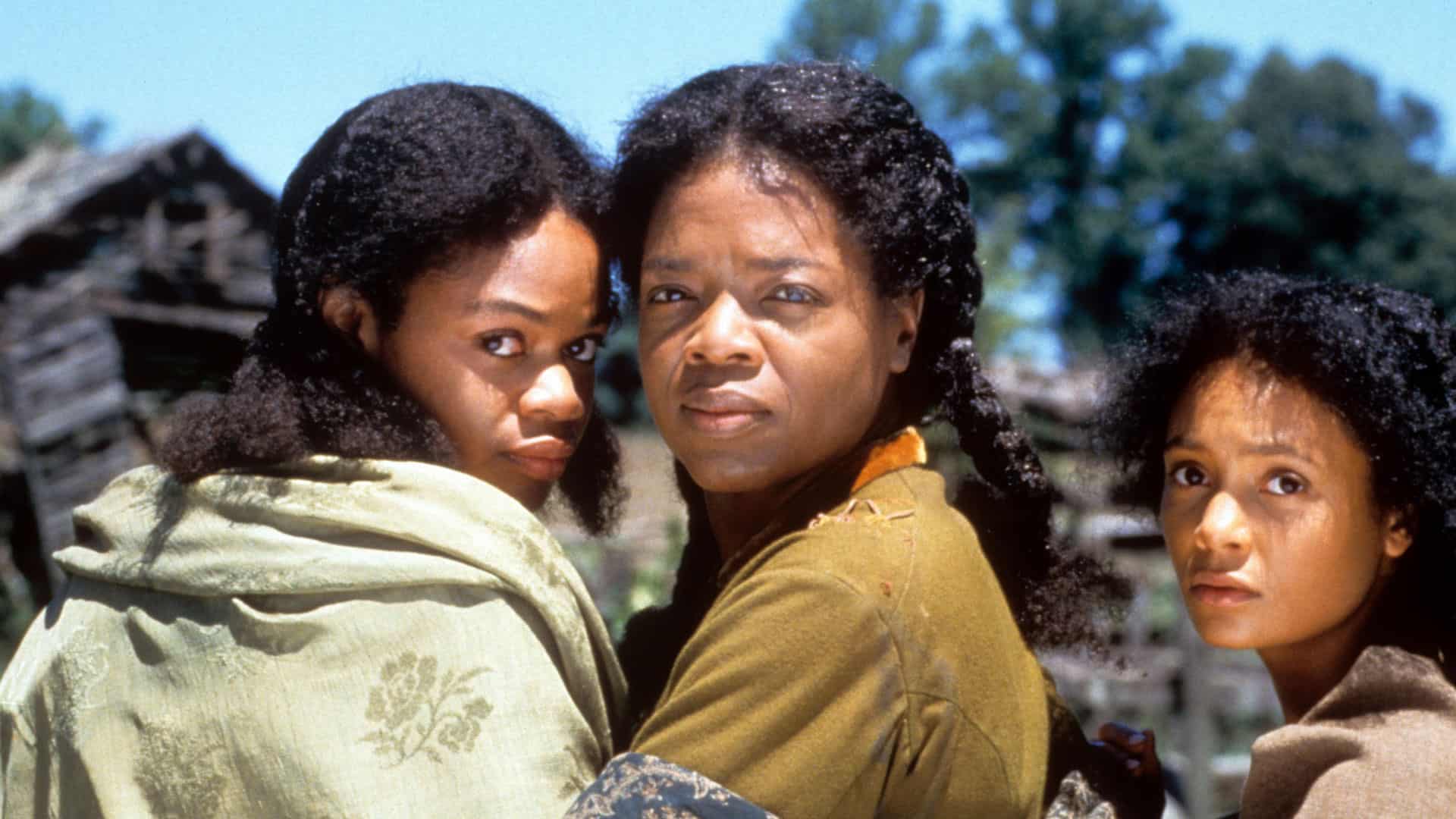
Nursing Grief: The Manifestations of Grief, Loss and the Supernatural in Beloved and Hereditary (London Online)
Carolyn Mauricette
12 April 2022
Nursing Grief: The Manifestations of Grief, Loss and the Supernatural in Beloved and Hereditary (London Online)
When we lose a loved one, it’s a crushing and life-changing event—and the loss of a young child unleashes an indescribable pain for families. Genre films like Don’t Look Now and The Changeling have captured this emotional upheaval of a life lost too soon, but there are two films that are unlikely bedfellows in representing a mother’s grief: Beloved, the 1998 film adaptation of Toni Morrison’s 1987 novel of the same name, and Ari Aster’s 2018 film Hereditary.
Both Aster and Morrison take grief head-on, centring death as the catalyst for their characters. Beloved, based on a real enslaved woman Margaret Garner, and Hereditary, inspired by a freak accident in 2005, uses real-life horrific instances to create multi-layered explorations of loss. We get two very different families from two different eras, dealing with the legacy of control and grief. Yet the premise of both films is similar and straightforward: a mother loses a child in sudden and violent circumstances, and in the aftermath, they grieve and try to come to terms with the death within the realm of the supernatural. The world they’ve created after the death of their children becomes an environment to nurture grief, allowing it to manifest as a creature or a conjured soul that won’t rest.
These stories encapsulate what these women feel, showing that Sethe and Annie have surrendered themselves to being emotional outcasts despite the efforts of those around them—succumbing in different ways to generational trauma. In “Nursing Grief”, we’ll take a look at how grief manifests in both films, how the two women react to the deaths of their children, the contrast between Sethe, Annie and the supernatural, Sethe’s experience of grief as a formerly enslaved woman, The child from the “other side” and what they represent in both films, the matriarchs in Sethe and Annie’s lives, and how audiences connect to grief as a catharsis in genre films.
Please note this is a live broadcast event – the class cannot be watched later, so please be sure you are available at the date and time the class is being offered in before registering. All sales are final, and we will not give refunds for any reason other than class cancellation. Classes curated by Miskatonic London are either in Greenwich Mean Time or British Summer Time depending on the time of year.
Carolyn Mauricette
12 April 2022
Read more
12 April 2022
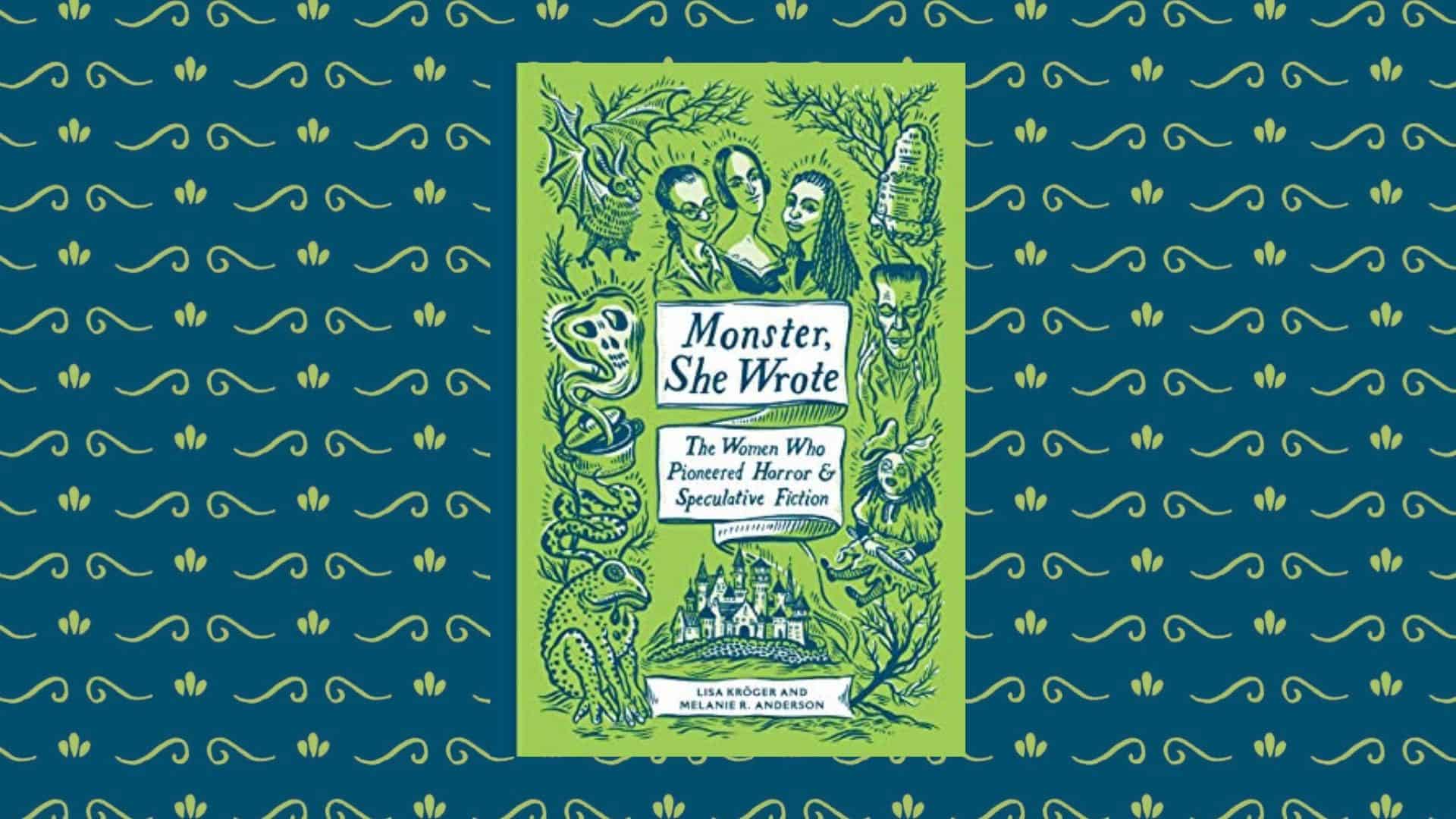
She Made Me A Monster: Women And Gothic Literature (LA Online)
Lisa Kröger
29 March 2022
She Made Me A Monster: Women And Gothic Literature (LA Online)
We know the Gothic when we see it. It’s the gloomy, mold-covered manor house called High Place in Silvia Moreno-Garcia’s Mexican Gothic. It’s the ghostly whispers of long-buried secrets in the dark rooms of Hundreds Hall, the English mansion in Sarah Waters’s The Little Stranger. It’s the heroine locked in a prison of her own mind, like Miranda in Helen Oyeyemi’s White is for Witching. Beneath these Gothic tropes is a rich of history of women writers, beginning with the literary success of Ann Radcliffe, whose novel The Mysteries of Udolpho is still considered one of the pioneering texts of the Gothic) and that of the other authors (Regina Maria Roche, Eliza Parsons) who published with Minerva Press in the last decades of the eighteenth century.
While the Gothic was a genre geared toward female audiences (and thus dismissed by the literary elite as “popular” fiction with little value), it often promoted radical ideas of the feminist movement, which was gaining popularity at the same time. The Gothic tradition continued through the next century with Mary Shelley (whose own mother was a leading feminist voice) and into the twentieth century with writers like Shirley Jackson. For these women, the Gothic was a space that allowed for the safe exploration of feminist themes like the lack of rights within marriage, the contested female body, women’s autonomy, and more. This lecture will examine women’s critical role in the creation of Gothic literature, as both creators and fans, from the earliest Gothic novels in 1790s England. Then, we will look to the modern Gothic, as it is being reimagined today in literature and film.
Please note this is a live broadcast event – the class cannot be watched later, so please be sure you are available at the date and time the class is being offered in before registering. All sales are final, and we will not give refunds for any reason other than class cancellation. Classes curated by Miskatonic Los Angeles are in Pacific Time.
Lisa Kröger
29 March 2022
Read more
29 March 2022
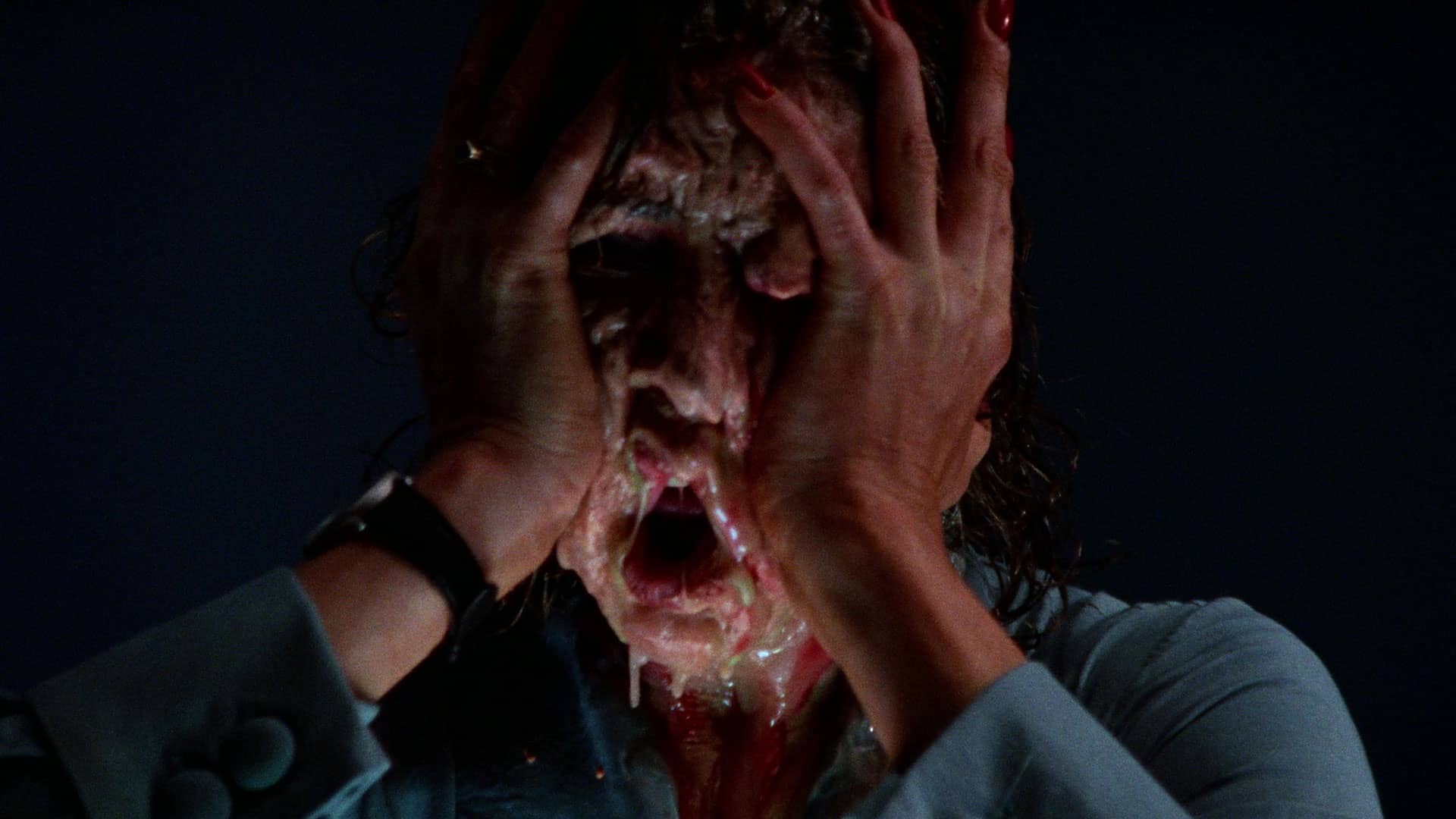
The Soiled Body: Gore, Pornography, And Bodily Fluids (NYC Online)
Éric Falardeau
15 March 2022
The Soiled Body: Gore, Pornography, And Bodily Fluids (NYC Online)
Gore and pornography are united by a spectacular exhibitionism of bodily fluids. Their exhibition, fetishized by the close-up, acts as a revealer of the ambiguous relationship that the subject, the spectator or his cinematographic double (the characters with whom he identifies or not), maintains with his carnal envelope.
The various liquids of the human body – whether secreted, excreted, or expelled – are not always present in gore and pornography, but they occupy a central place in the demonstration of sex and violence.
This obsession with fluids distinguishes these two genres and forms part of film audience’s obsession with them. This is also why they are paradoxically often misunderstood and criticized. Indeed, it reveals an attitude towards the body which goes beyond simple affective participation to join the symbolic space and, by the same fact, the great existential questions.
It is at the heart of aesthetic research which flirts with abstraction at times, of a narrative economy, which apparently translates an emptiness constraining to pure exploitation and, finally, of the astonishing power of identification which emerges from the two genres. Why? How? What meaning can we get from it, from both cinephiles’ obsession with these genres, and its presumed moralistic abhorrence?
This lecture will address different issues (anthropological, sociological and psychological) through the analysis of the representation of bodily fluids. Objects of disgust and fascination, they are the expression of an existential angst that gore and pornography insidiously force us to face.
Please note this is a live broadcast event – the class cannot be watched later, so please be sure you are available at the date and time the class is being offered in before registering. All sales are final, and we will not give refunds for any reason other than class cancellation. Classes curated by Miskatonic New York are in Eastern Time.
Éric Falardeau
15 March 2022
Read more
15 March 2022
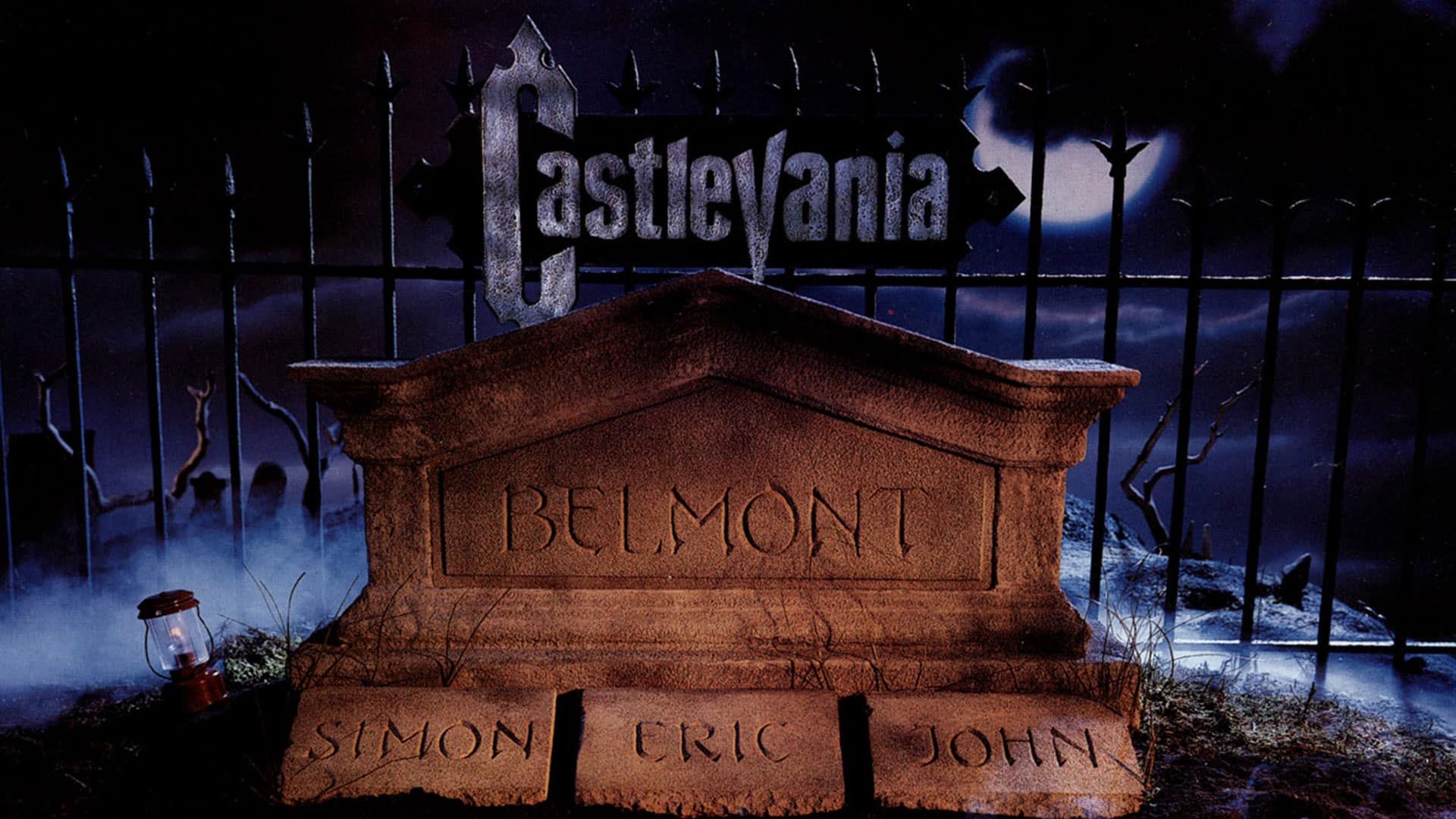
Castlevania’s ‘Miserable Pile of Secrets’: Dracula Adaptations and What They Can Teach Us (London Online)
Matthew Crofts
8 March 2022
Castlevania’s ‘Miserable Pile of Secrets’: Dracula Adaptations and What They Can Teach Us (London Online)
At the height of the 2020 American Election, amidst the chaos of the Covid-19 pandemic, #Dracula started trending on Twitter. The reason? Trump, his lead disappearing, had tweeted “STOP THE COUNT!”. People immediately responded with images of Dracula, offering unflattering comparisons with the outgoing President. This is the latest episode in Dracula’s long career of being relevant, referenced, and reinvented. This class will explore just what it is about Bram Stoker’s Dracula (1897). that makes it eternally relevant for adaptation within a rapidly changing culture.
>Dracula demonstrates the significance of Victorian anxieties within contemporary culture more than any other novel. Theories of adaptation has moved beyond fidelity to an ‘original’, recognising instead that each new adaptation has its own audience and intention. Dracula adaptations react to the needs and expectations of the era that produced them – providing an invaluable case-study that demonstrates changing attitudes toward Victorian legacies and their synergies of reinvention. For example, the popular convention of ‘Romanticising’ Dracula (such as Bram Stoker’s Dracula (1992) adding a plot about Dracula’s reincarnated wife) is read with cultural trends of ‘attractive’ vampires, such as Anne Rice’s fiction and the Twilight phenomenon, often ignoring that it signals a rejection of the patriarchal, xenophobic values Victorian period.
This class will examine the extended ‘afterlife’ of Dracula in transformations, identifying shared themes across diverse media, and to demonstrate that reworking Dracula, even making him child-friendly, is a way of coming to terms with problematic nineteenth-century histories. Increased engagement with new media incarnations of Dracula is vital to understanding the appeal of this nineteenth-century vampire to modern audiences of all kinds. Video games, comic books, and even cartoons have all played a key role in enshrining Dracula as a pop-culture icon; as comfortable opening a hotel as fighting Batman.
A key example of such an incarnation is the long-running Castlevania series, which has run from 1986 to the present and could boast being the ‘Dracula’ series with the most iterations. Castlevania has built its own Dracula mythos, received its own trans-media adaptation and offers an international perspective on incorporating diverse influences from other adaptations. To Dracula scholarship it offers a long-running example of not only literary adaptation across media, the role of international cultures, but most significantly how new versions feed off previous ones, engaging with audience expectations, and crafting a lineage of blood across many different versions.
Please note this is a live broadcast event – the class cannot be watched later, so please be sure you are available at the date and time the class is being offered in before registering. All sales are final, and we will not give refunds for any reason other than class cancellation. Classes curated by Miskatonic London are either in Greenwich Mean Time or British Summer Time depending on the time of year.
Matthew Crofts
8 March 2022
Read more
8 March 2022

Thai Horror Film As An Extension Of Thai Supernaturalism (LA Online)
Katarzyna Ancuta
22 February 2022
Thai Horror Film As An Extension Of Thai Supernaturalism (LA Online)
Horror has always been important for Thai cinema, although most Thai horror films, steeped in local folklore, history and modes of narrative, have relatively little in common with the genre as defined by major western productions. While in other languages horror derives its name from the emotion it is meant to evoke, in Thai it is the content of the films that defines the genre. Most of those films follow strictly supernatural plots built around a variety of beings described collectively as phi (ghosts, spirits, deities, and demons), they are therefore commonly known as nang phi, or ‘ghost films.’
Thai horror films differ from their western counterparts in one more aspect: they exist as an extension of Thai supernaturalism, a collection of shared beliefs and cultural practices that not only affects the portrayal of the preternatural in the films but also frames the functioning of the local entertainment industry. How then does one make a ghost film for an audience that sees living with spirits as part of everyday experience? How does one create a work of fiction that, on some level, can still be recognized as ‘real’?
In order to succeed locally, Thai horror films need to offer a fictional retelling of hypothetically possible spiritual encounters and generate fear by tapping into the personal experience of their viewers. If the filmmakers stray too far from the audience’s expectations, they risk getting seriously criticized for producing an ‘unconvincing’ film narrative. This is the layer of the film that is frequently lost on international viewers, which is why since the early 2000s, we have seen the rise of ‘new’ Thai horror films that align themselves with the pan-Asian Horror aesthetics popularized by Japanese and Korean horror cinema in an attempt to appeal to a wider audience. These new films repackage traditional Thai horror formulas for global consumption using supernaturalism as a means to connect with local viewers and simultaneously exoticize Thai culture for the outsiders.
In this lecture we will focus mostly on the 21st century films seen as a distinct stage in the evolution of Thai horror cinema. We will discuss the main themes of these films, situate them in the larger body of Thai cinematic horror, and address the effects of globalization on horror film production in Thailand.
Please note this is a live broadcast event – the class cannot be watched later, so please be sure you are available at the date and time the class is being offered in before registering. All sales are final, and we will not give refunds for any reason other than class cancellation. Classes curated by Miskatonic Los Angeles are in Pacific Time.
Katarzyna Ancuta
22 February 2022
Read more
22 February 2022
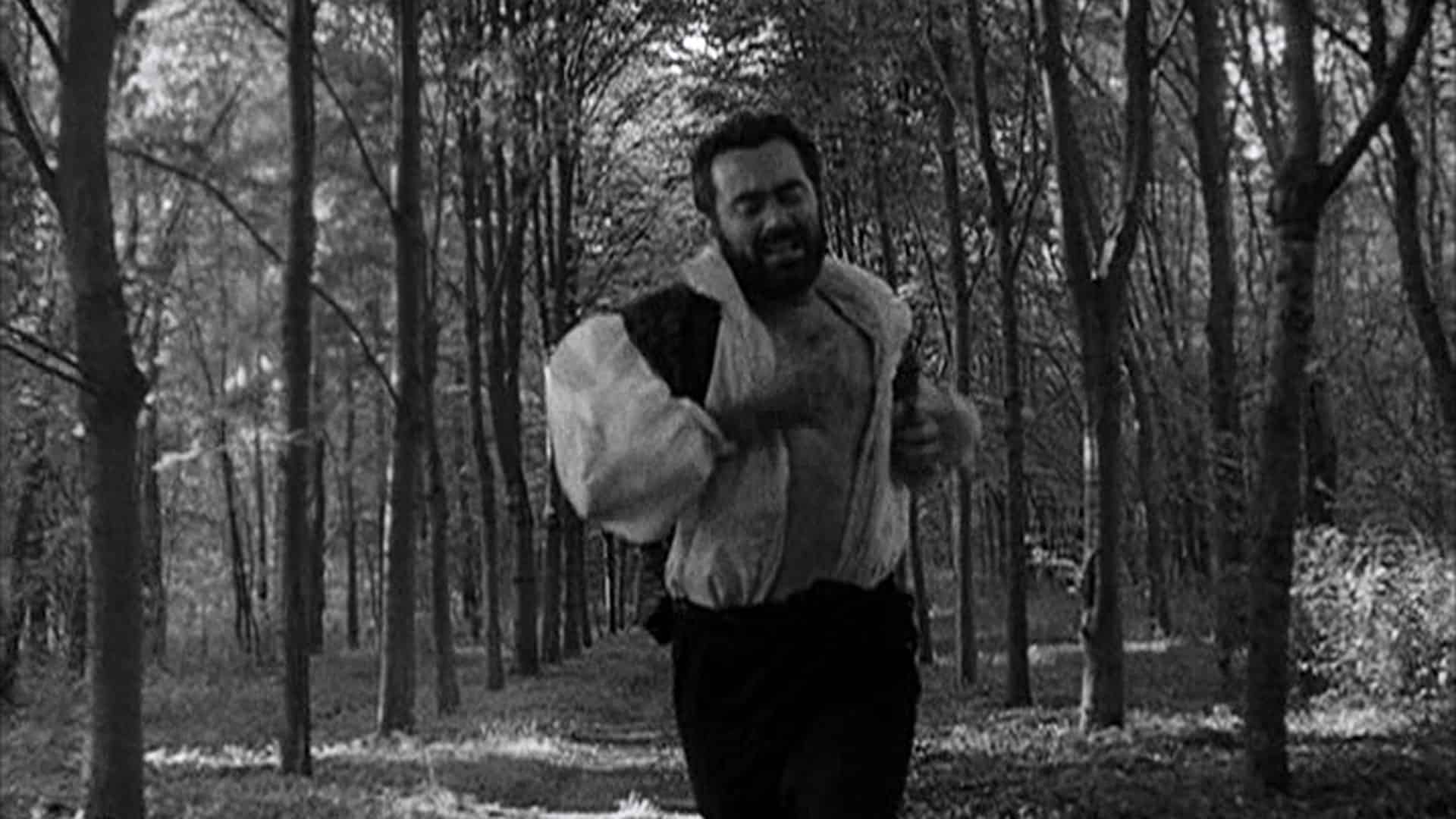
Don’t Dream It’s Over: Unreliable Narrators, Death Dreams, And Determinism In Horror (NYC Online)
Robyn Citizen
15 February 2022
Don’t Dream It’s Over: Unreliable Narrators, Death Dreams, And Determinism In Horror (NYC Online)
The already dead or damned unreliable narrator, and the similar path of characters immersed in death dreams – initially popularized by Ambrose Bierce’s short story, “The Occurrence at Owl Creek Bridge” – allow for philosophical explorations on the nature of reality, consciousness, the grim inevitability of death and occasionally, the possibility of an afterlife. This talk asks students to consider horror narratives in popular cinema and TV with characters who negotiate their impending / past deaths by constructing alternate scenarios in which they have escaped their fates going on to avenge themselves or make different choices entirely with their second chances. We will explore the functions of the death dream and damned narrator in films such as Jacob’s Ladder, Carnival of Souls, Ghost Stories, Angel Heart, Tale of Two Sisters, and Phantasm. We will also touch on Mike Flanagan’s limited series The Haunting of Bly Manor and Midnight Mass which both use this trope as a way to conceptualize the afterlife as a neverending dream that reimagines the present. In a media landscape where sci-fi and fantasy multiverses and their defining ‘what ifs’ are central to a significant number of family friendly, mainstream entertainment, what is the source of the horrific being mined in horror characters’ departures from objective reality?
Please note this is a live broadcast event – the class cannot be watched later, so please be sure you are available at the date and time the class is being offered in before registering. All sales are final, and we will not give refunds for any reason other than class cancellation. Classes curated by Miskatonic New York are in Eastern Time.
Robyn Citizen
15 February 2022
Read more
15 February 2022