MIS
KA
TON
IC
Institute of
Horror Studies
Archive
Archive

RAISING HELL: THE HORROR GENRE AND THE BRITISH FILM INDUSTRY IN THE 1980S (London)
Johnny Walker
14 March 2023
RAISING HELL: THE HORROR GENRE AND THE BRITISH FILM INDUSTRY IN THE 1980S (London)
Before its re-launch in the mid-2000s, Britain’s most iconic producer of horror movies, Hammer Films, ceased feature film production in 1979. For some, this sounded the death knell for domestic horror production, prior to the genre’s “rebirth” in the early 2000s with mainstream hits such as 28 Days Later (2002). While little-acknowledged, the intervening two decades saw numerous domestic horror productions materialise, enjoying varying levels of success and international exposure, albeit rarely in cinemas. Indeed, British horror’s presence was most felt in the nascent video cassette market.
This presentation, focussing on the 1980s, explores what British horror film production during this period reveals about contemporaneous film culture and society in Britain. It addresses a gap in dominant scholarly and popular narratives regarding commercial filmmaking, and argues that the significance of the genre to the period in question has been understated. The presentation argues that past histories of British film take too much for granted regarding British horror’s non-/marginal presence in cinemas during the 1980s and that judgments as to the quality (or lack thereof) of the films produced typically precludes meaningful analysis.
By locating British horror films within an industrial and socio-cultural context, the presentation will identify the key players in horror film production, the resources that were available to them, how they navigated the tumultuous climate of increased film censorship and new legislation pertaining to video, and the extent to which their films are socially engaged. It will show that “British horror” during the period under scrutiny was a broad church straddling various budgets and distribution trajectories, from mainstream money-spinners to amateur works. A more nuanced examination of domestic horror film production during the 1980s enables a greater understanding of the history of popular British cinema, and the lasting impact of this period on the present.
Johnny Walker
14 March 2023
Read more
14 March 2023
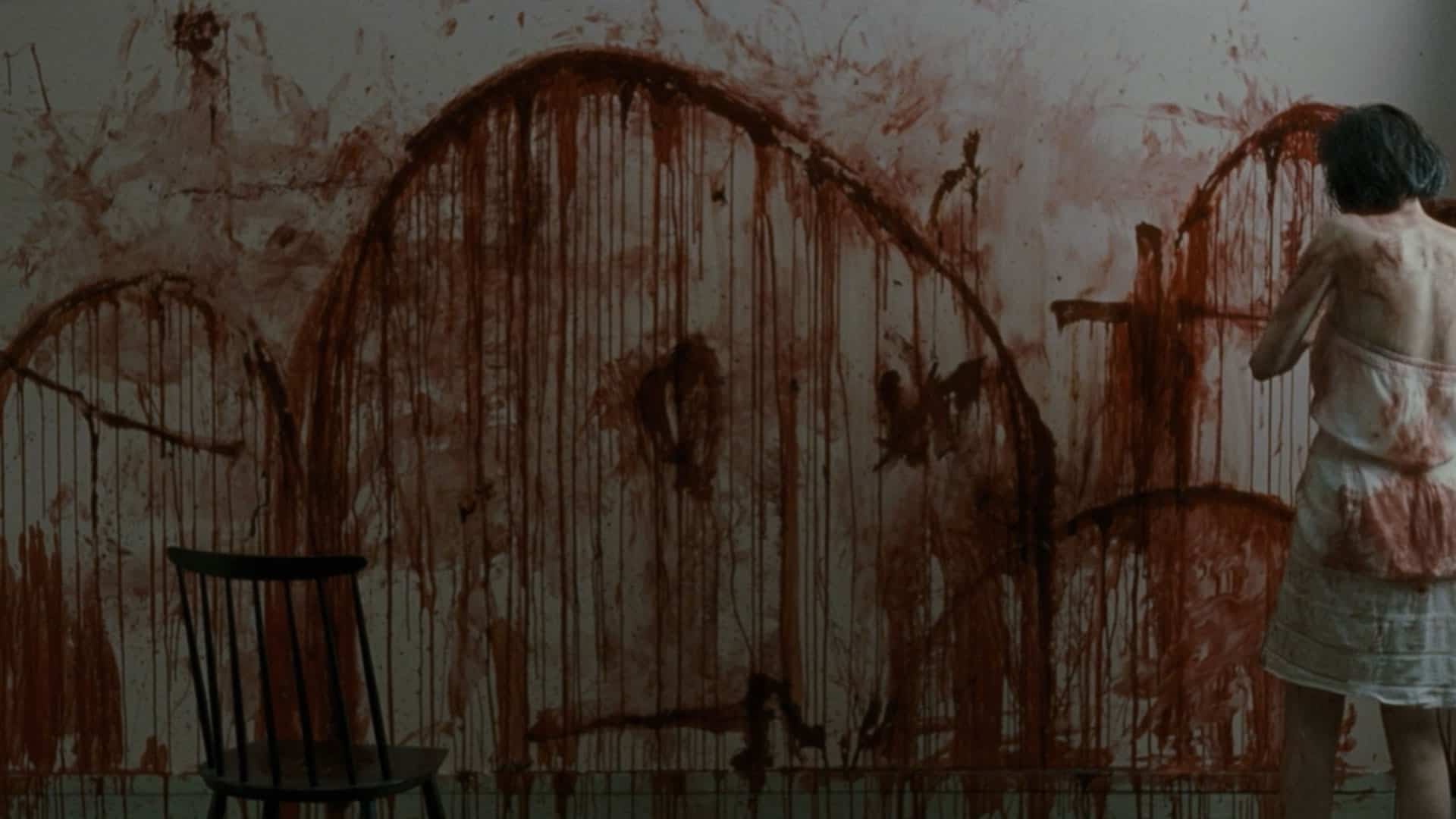
“I WANT TO BLEED FOR YOU”: BODY HORROR AS AN ACT OF DEVOTION (Online)
Justine Peres Smith
7 March 2023
“I WANT TO BLEED FOR YOU”: BODY HORROR AS AN ACT OF DEVOTION (Online)
As long as there have been depictions of Christ, his fragility has been expressed through horror, his body, violated and destroyed, has long represented the utmost symbol of devotion. The body is destroyed as a symbol of the liberation of humanity from sin.
Normal and healthy devotion can lead to a more meaningful life, yet it can also take on monstrous and self-destructive forms. Yet, the line between both forms of devotion is often blurred as we cannot help but admire those willing to sacrifice their body and self for what they believe in.
To understand devotion within the realm of body horror is to understand the body as the landscape of belief and sacrifice. What changes when acts of violence are enacted through love rather than hate? A theme consistent within religious-themed horror, it also extends to stories of sexual or romantic obsession. In particular, in the works of filmmakers like Clive Barker, we see an intersection of both ideas; the way that the flagellation of the body attains an almost spiritual practice, even if it is devoted not to God but to another person or even an idea.
By drawing on ideas from art history and the philosophy of devotion, this course aims to examine body horror in a way that underlines a long history of body disfigurement and annihilation as part of spiritual practice—broadening the scope to include secular interpretations of devotion, such as celebrity worship like Brandon Cronenberg’s Antiviral, which re-appropriates the communion literally as fans literally consume the meat of their favourite celebrities.
With a strong focus on art history and gender studies, the course aims to draw a throughline between the violence and devotion of Renaissance art, which was informed far more by a collective religious experience, into contemporary worship of the self and individual desires.
Justine Peres Smith
7 March 2023
Read more
7 March 2023
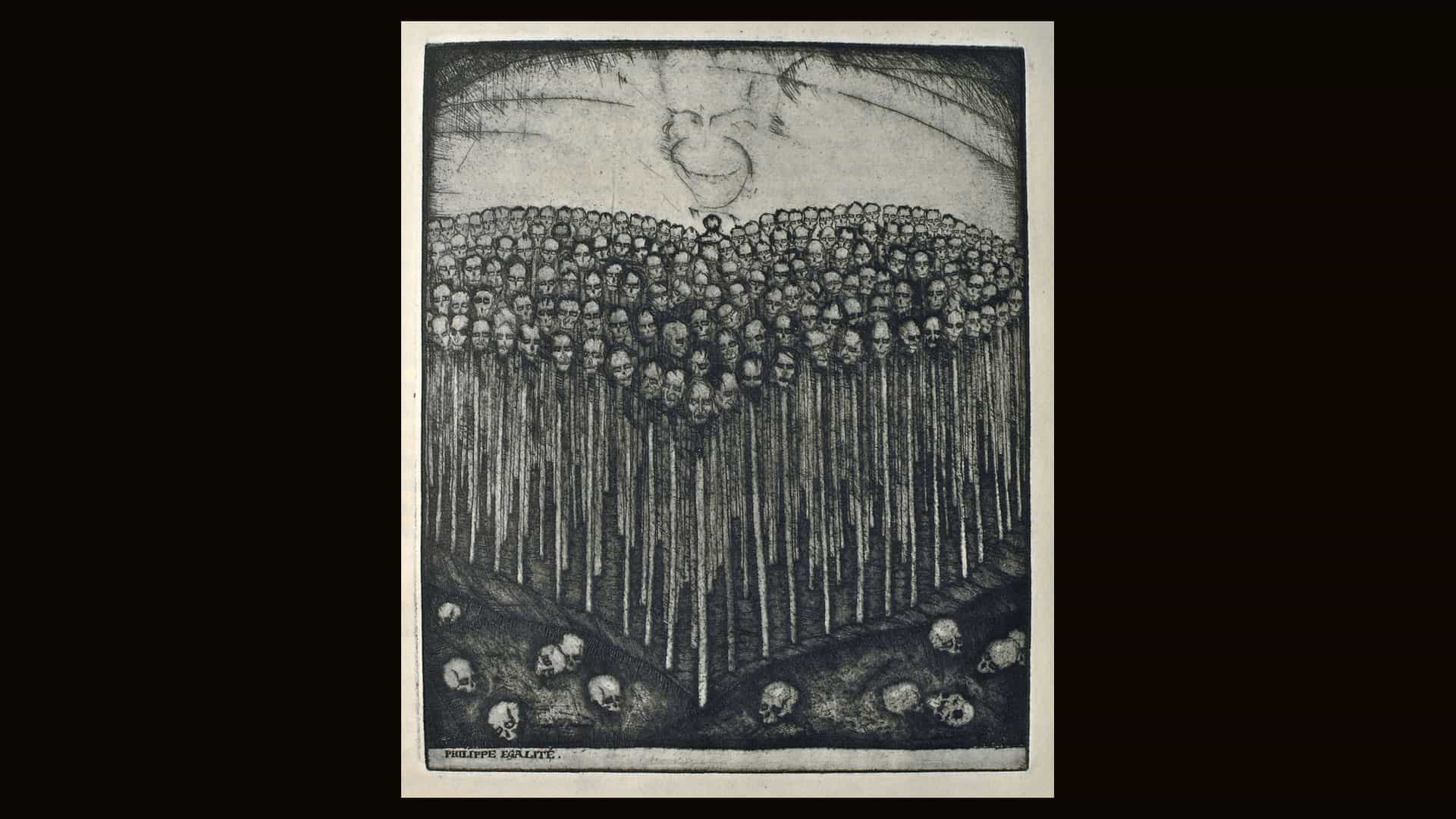
Hanns Heinz Ewers: Weird Fiction, Occult Philosophy, and Extreme Politics in 20th Century Germany (NYC)
Tenebrous Kate
21 February 2023
Hanns Heinz Ewers: Weird Fiction, Occult Philosophy, and Extreme Politics in 20th Century Germany (NYC)
The work of German author Hanns Heinz Ewers (1871 – 1943) combines the lush cruelty of the French Decadents, the macabre thrills of Edgar Allan Poe, and esoteric, occult philosophy into a heady literary brew. Publishing his horror tales in the years leading up to World War I and through Germany’s tumultuous Weimar Republic, Ewers emerged as a multifaceted artist and highly individualistic person: outspoken thinker, prolific author, vaudeville performer, and early proponent of cinema as a legitimate art form. His novel Alraune, which details the story of a doctor whose theories of mad science and folklore lead to the birth of a completely amoral woman, has been called a “decadent masterwork” and has been adapted for the screen five times.
Ewers would become a prominent figure in the brief flowering of German weird fiction between the World Wars, influencing the establishment of the world’s first fantastical fiction magazine, Der Orchideengarten. However, Ewers’ career–along with that of several of his contemporaries–would turn from lurid fantasies to real-world evil, finding him associated with the Nazi propaganda machine. This lecture explores the work of Ewers as part of the German tradition of horror and fantasy fiction, alongside the historical, social, and political forces that would have an impact on his work and ultimately lead to a collision with one of the most horrific political regimes of the 20th century.
Class citations are available here.
Tenebrous Kate
21 February 2023
Read more
21 February 2023
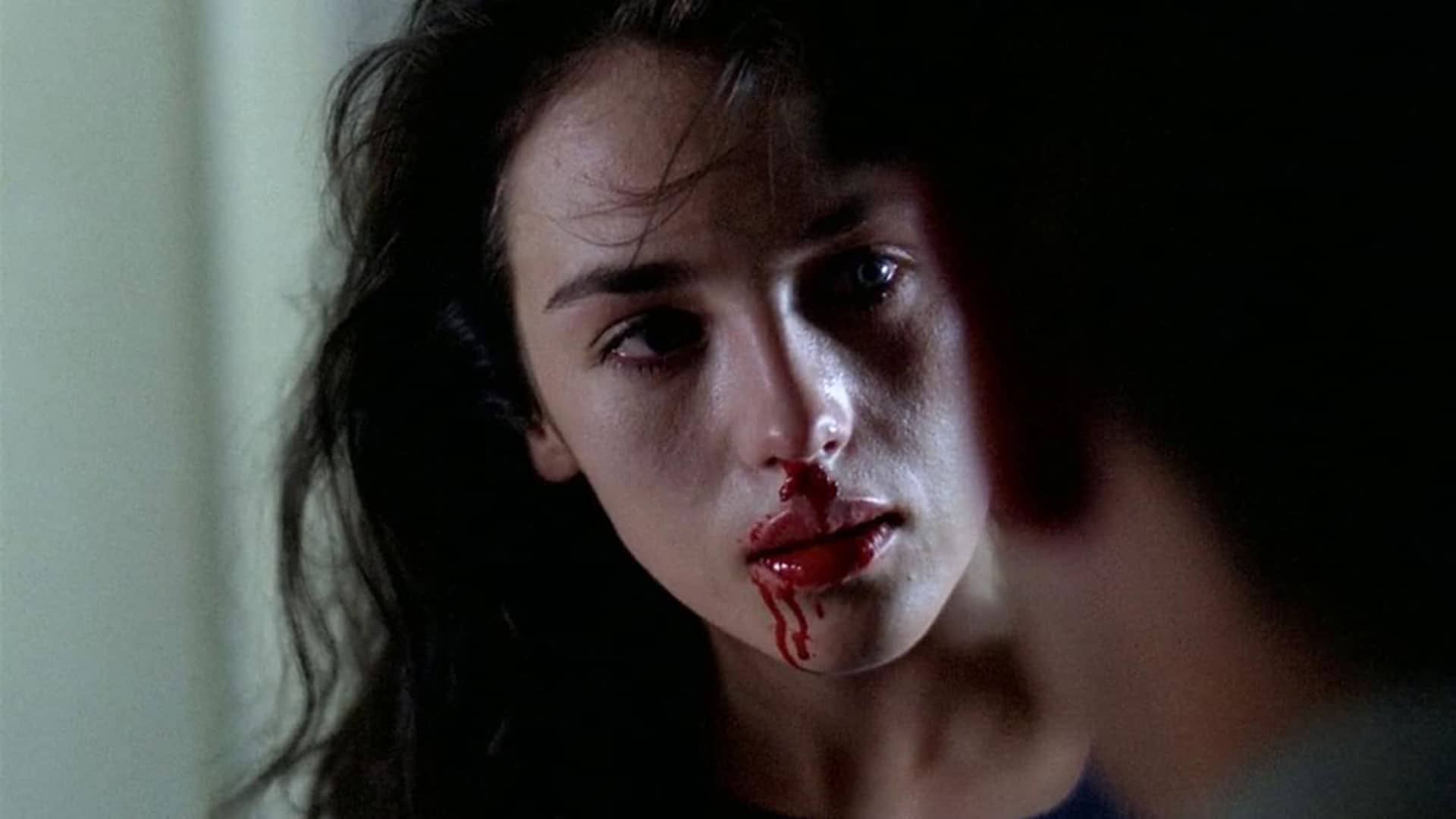
Feminine Jouissance in Horror Cinema (London)
Mary Wild
14 February 2023
Feminine Jouissance in Horror Cinema (London)
French psychoanalyst Jacques Lacan spoke about the possibility of an unlocatable feminine enjoyment that exists outside of the common discourse. He claimed that feminine subjectivity has access to an unsymbolised pleasure, which he contrasted to masculinity being bound to conditions of rising and falling. Female eroticism, within this theoretical framework, is foreclosed by the male due to her surplus of gratification. Women’s sexual autonomy forces them to occupy the paradoxical position of being both alluring and threatening. As a result, female sexuality is expelled to the forbidden realm of the inexpressible and death.
In this course, we will investigate representations of feminine jouissance in three films: Possession (1981) dir. Andrzej Żuławski, Paranormal Activity (2007) dir. Oren Peli, and Kiss of the Damned (2012) dir. Alexandra Cassavetes. The proposition is that women are capable of a transgressive and excessive bodily pleasure that reaches outside of the phallocentric order (male created discourse). This supplementary enjoyment causes women to be pushed out of a conscious collective reality; functionally it produces an (at best) ambivalent and most often fearful response within a culture that happens to confront female sexual power. In this context, reference will also be made to the psychoanalytic structure of hysteria, specifically to interpret the violent physical component of women in these films.
Mary Wild
14 February 2023
Read more
14 February 2023
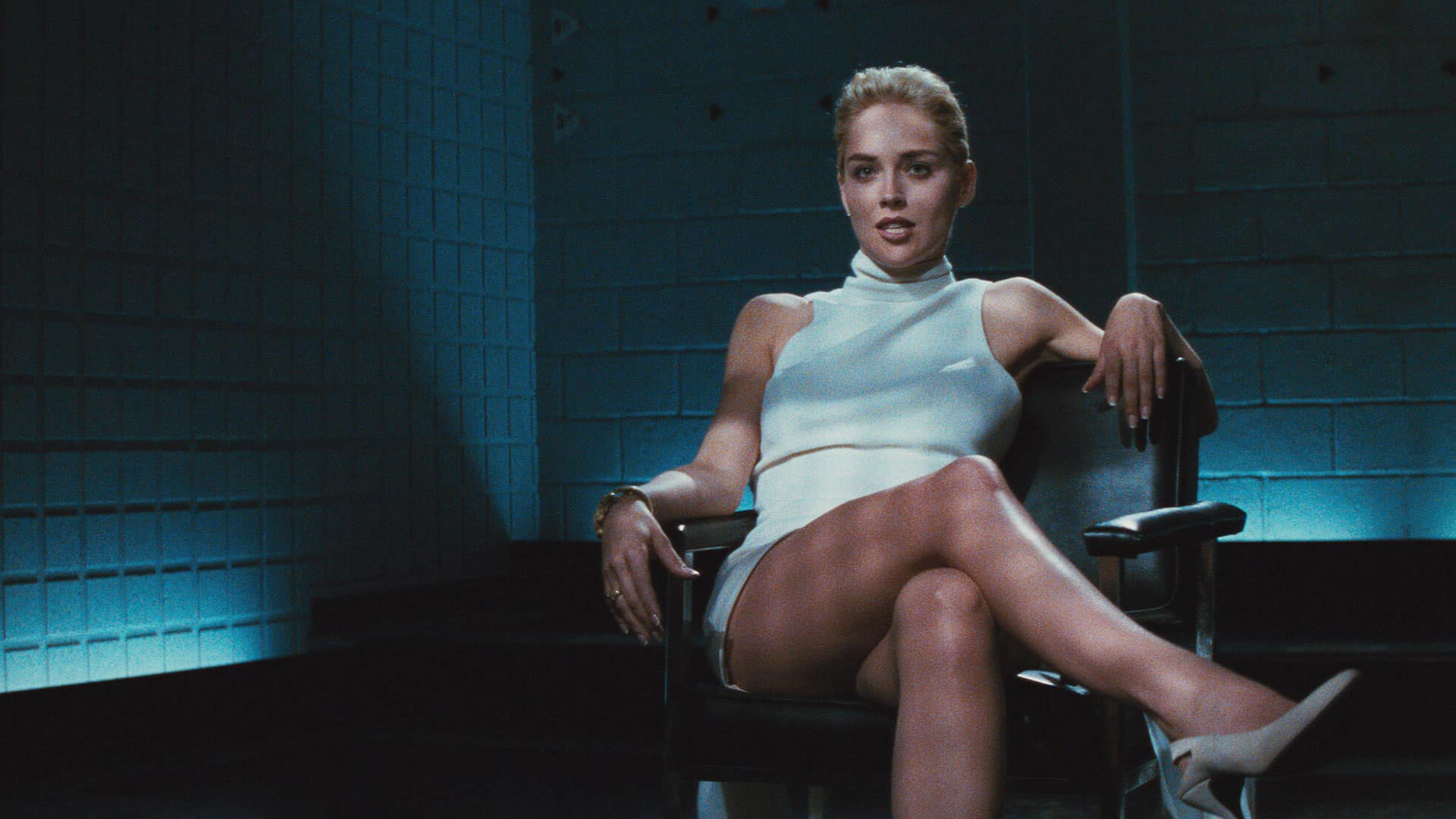
The Queerness of Erotic Thrillers (Online)
Joe Lipsett
7 February 2023
The Queerness of Erotic Thrillers (Online)
Erotic Thrillers are based on (often male) anxieties about sex, power and the intersection of the two. The subgenre evolved from the sexual politics of 1940s and 50s film noir as the Hays Code dissolved and the censorship of morals and ethics loosened. At its core, Erotic Thrillers are obsessed with the power dynamics between traditional (ie: white, middle to upper class, cis heterosexual) couples.
And yet there is an undercurrent of queerness lurking beneath the surface, and often within the reveal of the killer/villain. Starting with Noirs and moving through Psycho to films of the 70s, 80s and 90s, including Basic Instinct, Dressed To Kill, Stripped to Kill, 10 to Midnight, and The Color of Night, Erotic Thrillers have a tendency to traffic in the (presumed male) audience’s sexual fears of queerness, particularly bisexual and trans women.
This talk will explore the ways that sexual norms did – and didn’t – evolve throughout the Erotic Thriller heyday of the 80s to mid-90s. After exploring the social and political factors contributing to a fear of queer in this time period, we’ll conclude with a discussion of two recent contemporary examples (Yann Gonzalez’s Knife + Heart and Alain Guiraudie’s Stranger by the Lake) that suggest a new direction for queer representation in the subgenre.
References:
Karagiannidou, Aneta. Getting Away with it: The Erotic Thriller and Its Fantasies. Thesis.
Keesey, Douglas. “They kill for Love: Defining the Erotic Thriller as a Film Genre.” Cineaction
Williams, Linds Ruth. The Erotic Thriller in Contemporary Cinema. Indian University Press
Film Clips:
Psycho (1960, Hitchcock)
Dressed to Kill (1980, De Palma)
Basic Instinct (1992, Verhoeven)
Stranger by the Lake (2013, Guiraudie)
Joe Lipsett
7 February 2023
Read more
7 February 2023
The Cat Came Back: Feline Familiars in the Horror Genre (NYC)
Alexandra West
17 January 2023
The Cat Came Back: Feline Familiars in the Horror Genre (NYC)
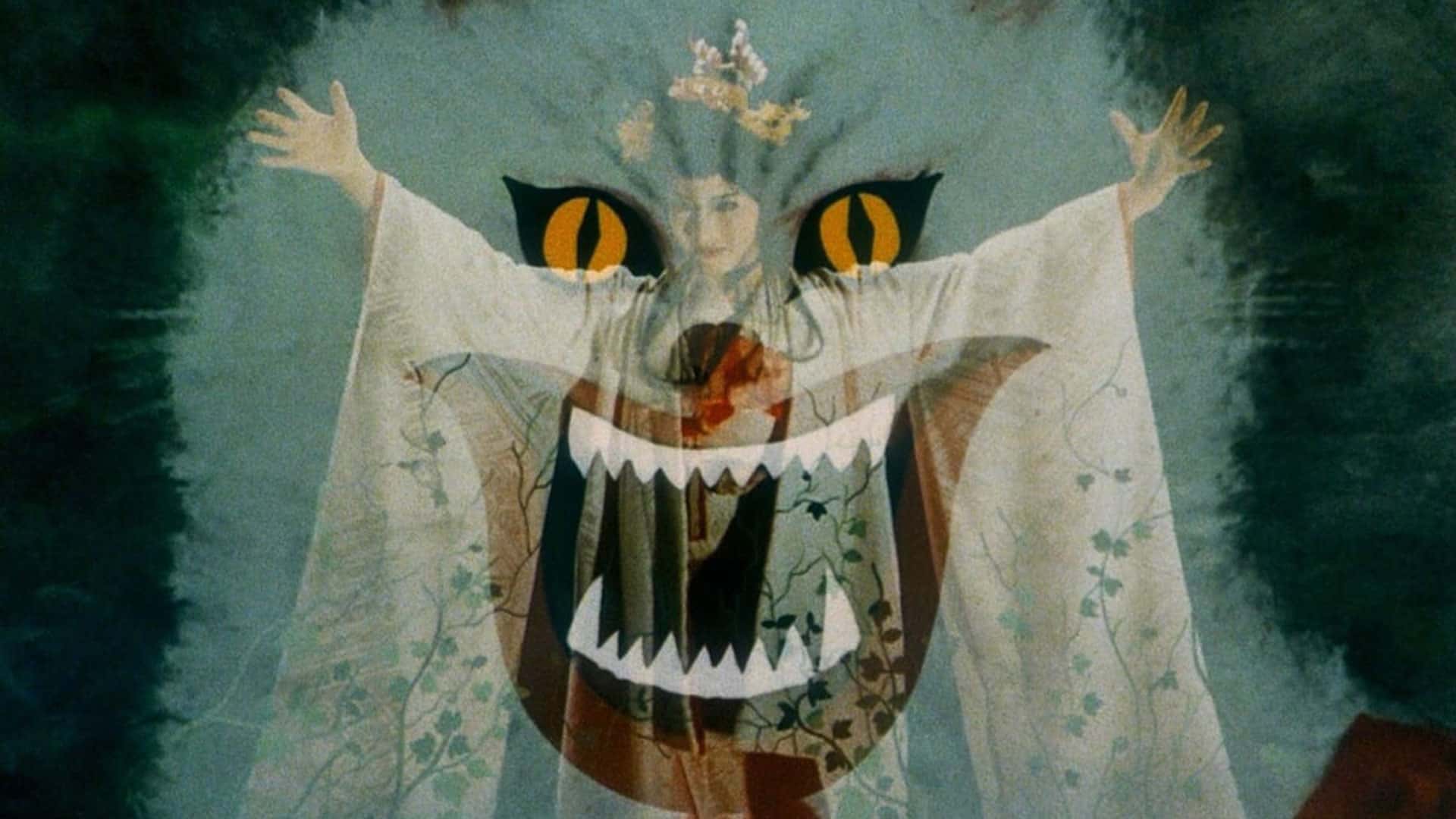
From emblems of the occult to internet sensations, our feline familiars occupy a rarefied space in contemporary culture. By examining how cats came to be associated with the dark arts and their subsequent persecution to their current role as influencers and meme generators, this lecture will look at the dual role cats have played in guiding us towards and steering us away from darkness.
Since the genre’s inception, cats and horror films have always flirted with each other with the little lions existing interchangeably as protectors, instigators, and doorways to the darkest regions of our imaginations. Once worshipped as Gods in Ancient Egypt they were executed alongside witches in Europe in the Middle Ages by the Church who demonized them which has led to a centuries long suspicion of their true nature.
This lecture will examine the liminal space between life and death that cats occupy and how that ability is intentionally or unintentionally used in films such as Bell, Book and Candle (1958), House (1977) and Pet Sematary (1989) among others. By looking at their different uses in a variety of films, we will aim to uncover why these beguiling creatures provoke senses of dread, protection, and adoration within us.
Class citations can be viewed here.
Alexandra West
17 January 2023
Read more
17 January 2023

Monsters in the Mouse House: Walt Disney Studios And The Horror Genre (London)
Thea Bamber
10 January 2023
Monsters in the Mouse House: Walt Disney Studios And The Horror Genre (London)
It is tempting to view Walt Disney Studios’ output as the antithesis of the horror genre, with many scholars and commentators focussing on its tendency to adopt bright aesthetics, conclude with unambiguous ‘happy endings’ and find their narrative momentum in young protagonists’ search for love. This idea, that Disney’s success is in sanitising the world and that its early animation represents a kind of bastardisation of ‘gorey’ folk tales, has even led to the widespread use of the word Disneyfication; the act of removing horror from the world and its stories.
However, this class aims to problematise this assumption by arguing that the aesthetics and narratives of the horror genre are not only integral elements in some of Disney’s most popular franchises but were central to the construction of the Disney brand. By first looking at some of Walt Disney’s work before Mickey was even a doodle, particularly 1924’s Alice’s Spooky Adventure, this class will build a textual history that suggests the macabre, kinetic skeletons of The Skeleton Dance (1929) were an obvious, rather than atypical, introduction to The Silly Symphonies. An examination of later spooky shorts like The Haunted House (1929), The Gorilla Mystery (1930) and The Mad Doctor (1933) will demonstrate that far from being immune to horror’s charms, early Disney animation embraced it again-and-again.
This lecture will use these early examples as a foundation to unravel unexpected connections between a number of cinematic horror subgenres and popular Disney animations from different Disney ‘eras’. Films like Snow White And The Seven Dwarfs (1937), Fantasia (1940), Sleeping Beauty (1959) and The Princess And The Frog (2009) will be considered through the lens of horror theory and scholarship as well as placed within the lineage of American horror cinema. In doing so, this lecture will untangle debates surrounding child horror fandom, horror’s ‘appropriateness’ for children and the academy’s reticence to position the Disney Studio within horror histories.
Ultimately this class will demonstrate how Disney visual media often serves as an introduction to the aesthetics and themes of the horror genre, becoming formative in young viewer’s understanding of cinematic horror as well as positioning horror as a key strategy to appeal to its fans of all ages.
Learning Outcomes:
Have a greater understanding of The Walt Disney Studios’ history, particularly through the lineage of horror history.
Be able to have nuanced discussions about the debates that surround children’s horror and how Disney negotiates them.
Understand the important role of horror narratives and imagery in the ‘Disney formulae’.
Develop a better understanding of Disney scholarship and how horror studies can interact with it.
Films / Shorts Discussed:
La Maison Ensorcelée (Chomón, 1906)
The Haunted House (Keaton and Cline, 1921)
Alice’s Spooky Adventure (Disney, 1924)
The Mechanical Cow (Disney, 1927)
The Skeleton Dance (Disney, 1929)
The Haunted House (Disney, 1929)
The Gorilla Mystery (Gillett, 1930)
The Mad Doctor (Hand, 1933)
Snow White And The Seven Dwarfs (Hand & Pearce, 1937)
Fantasia (Algar & Jackson, 1940)
Sleeping Beauty (Reitherman & Geronimi, 1959)
The Princess And The Frog (Musler & Clements, 2009)
Abbreviated Bibliography:
Animation And America (Wells, 2002)
Walt Disney’s Silly symphonies. A Companion To The Classic Cartoon Series (Merritt & Russell, 2008)
Trick or Treat: A History of Halloween (Morton, 2008)
Children Beware!: Childhood, Horror and the PG-13 Rating (Antunes, 2018)
Horror Films For Children: Fear And Pleasure In American Cinema (Lester, 2021)
Thea Bamber
10 January 2023
Read more
10 January 2023
Can’t Stop, Won’t Stop: Zombies and the Horrors of Work (NYC)
David Bering-Porter
13 December 2022
Can’t Stop, Won’t Stop: Zombies and the Horrors of Work (NYC)
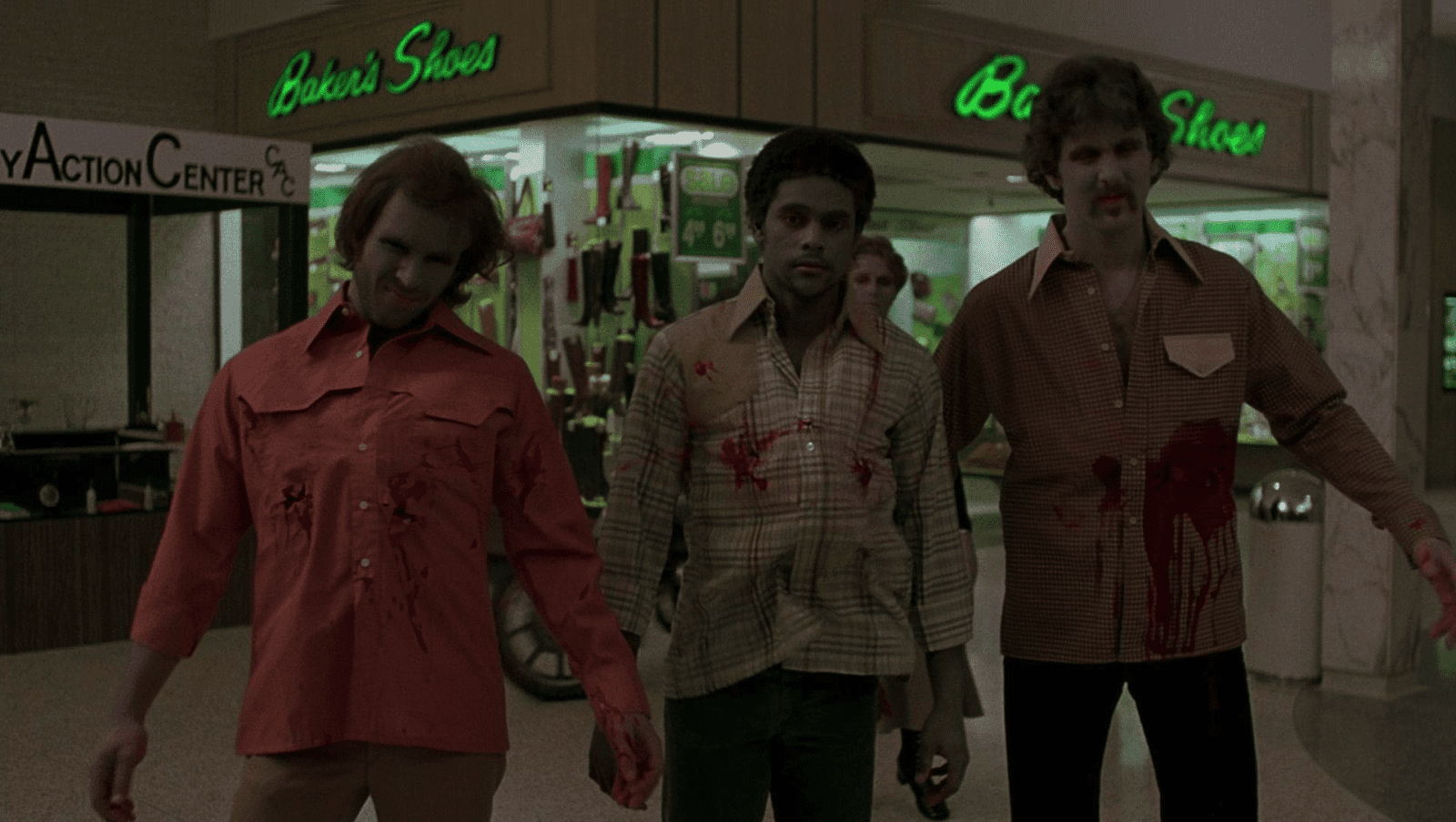
Zombies never sleep, never stop. At the heart of what makes the zombie such a lasting terror in our cultural imagination is its relentlessness. Fast or slow, it propels itself toward us with a mindless determination, it is motivated by a ceaseless drive to move, to consume, and to spread. The zombie is a reflection of life at its worst, reduced to simple needs and impulses. But how did the zombie become a symbol of bare life?
To answer the question of why the zombie can’t stop, we will look to the zombie’s origins in colonial Haiti, where the zombie first emerged as a monster within the slave cultures of the Caribbean, but from there it quickly spread – first to Hollywood and then to the world, becoming one of the most prominent and enduring movie monsters. Early touchstones will include the travelogue of William Seabrook – the original reference to the zombie in American consciousness – and the ethnographic works of Zora Neale Hurston and Wade Davis as well as early zombie movies like White Zombie, all of which show the zombie as a kind of monstrous slave and show the monster’s roots in the monstrosity of labor in modern culture. From there, we trace the zombie’s evolution from monstrous slave to a monstrous consumer in Night of the Living Dead and Dawn of the Dead and postmodern icon in Return of the Living Dead and Zombi 2. Finally, we’ll look at recent iterations of the zombie as plague, pandemic, and finally apocalypse. Across all stages of its evolution, the zombie reflects the contradictions around race, labor, and value that extend from its origin into the present day, revealing important insights into the always on, flexible work environments of the neoliberal present. Exploring the question of why the zombie can’t stop leads us to question, why can’t we?
David Bering-Porter
13 December 2022
Read more
13 December 2022
Bloody Bunnies: How Watership Down traumatised a generation (London)
Catherine Lester
13 December 2022
Bloody Bunnies: How Watership Down traumatised a generation (London)
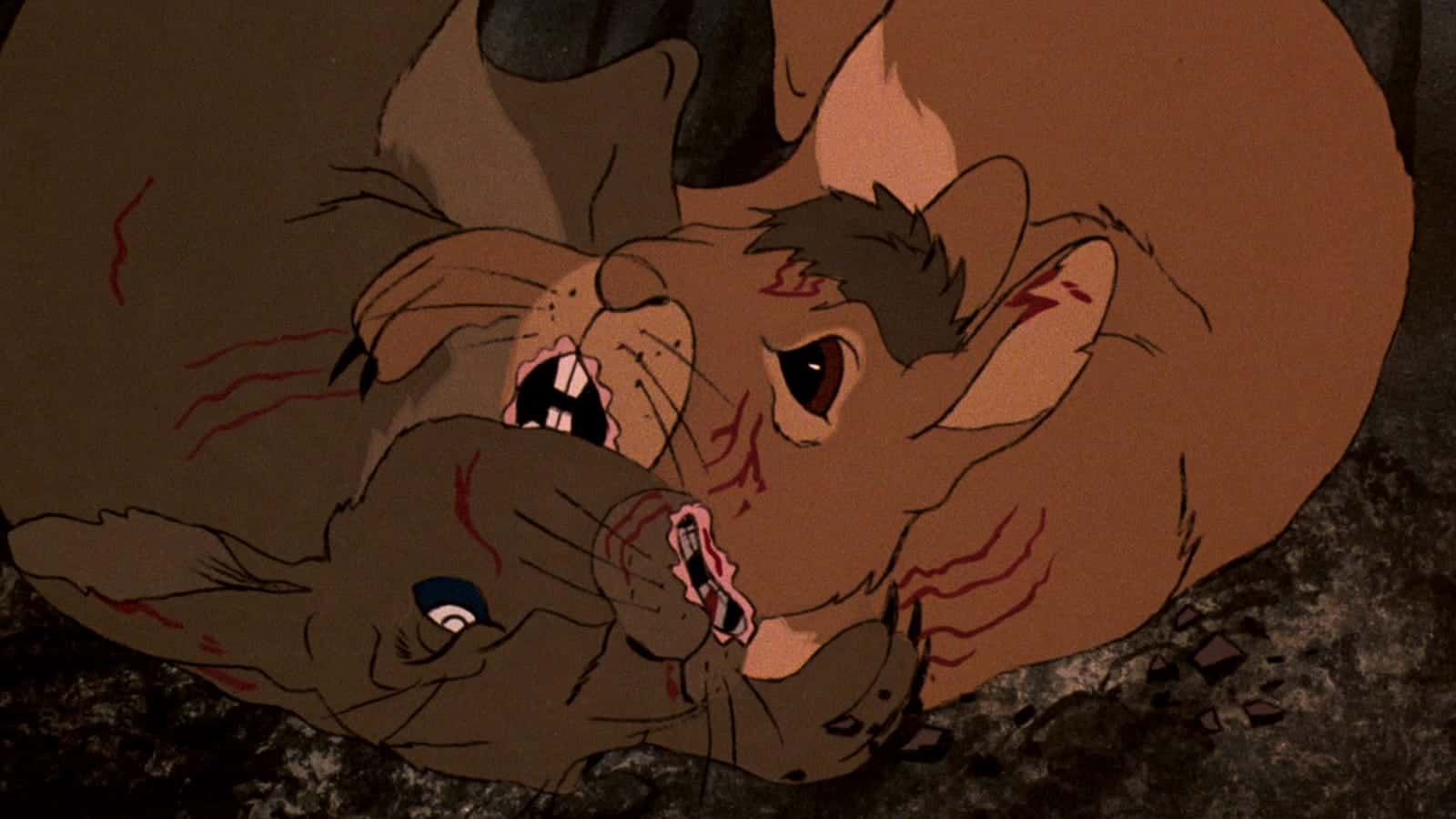
The 1978 animated film Watership Down, adapted from Richard Adams’ 1972 novel, is now widely known as one of the most frightening children’s films ever made, its subject matter of animated rabbits and U classification (upgraded to PG as of August 2022) supposedly not adequately preparing young viewers and their guardians for its mature tone and disturbing imagery. But is it really the case that audiences were not forewarned of the film’s material, and where did the perception that it is a typical, all-ages family film come from?
This talk begins by examining the production, marketing, classification, critical reception, paratexts and television broadcasting strategies of the film to trace the history of how Watership Down‘s ‘traumatic’ legacy came to be. It will then consider how the film’s reputation informed the production, marketing and reception of the 1999 and 2018 television adaptations, especially with regard to how these versions attempted to tone down their horrific aspects and reassure viewers of their suitability for children, the extent to which they were successful in this aim, and what this has to do with their lack of lasting cultural legacy compared with the film.
In doing so, this talk aims to take the conversation about Watership Down beyond debates about ‘suitability’ and trauma by situating the film and television adaptations in hitherto underexplored historical, industrial and critical contexts that shed new light on this remarkable classic of British popular culture.
Catherine Lester
13 December 2022
Read more
13 December 2022
"Based on a True Story": The Importance of Audience Faith in The Amityville Horror (LA + Simulcast)
Claire Donner
7 December 2022
"Based on a True Story": The Importance of Audience Faith in The Amityville Horror (LA + Simulcast)
Please note this class has two options to participate: Live and virtual via simulcast.
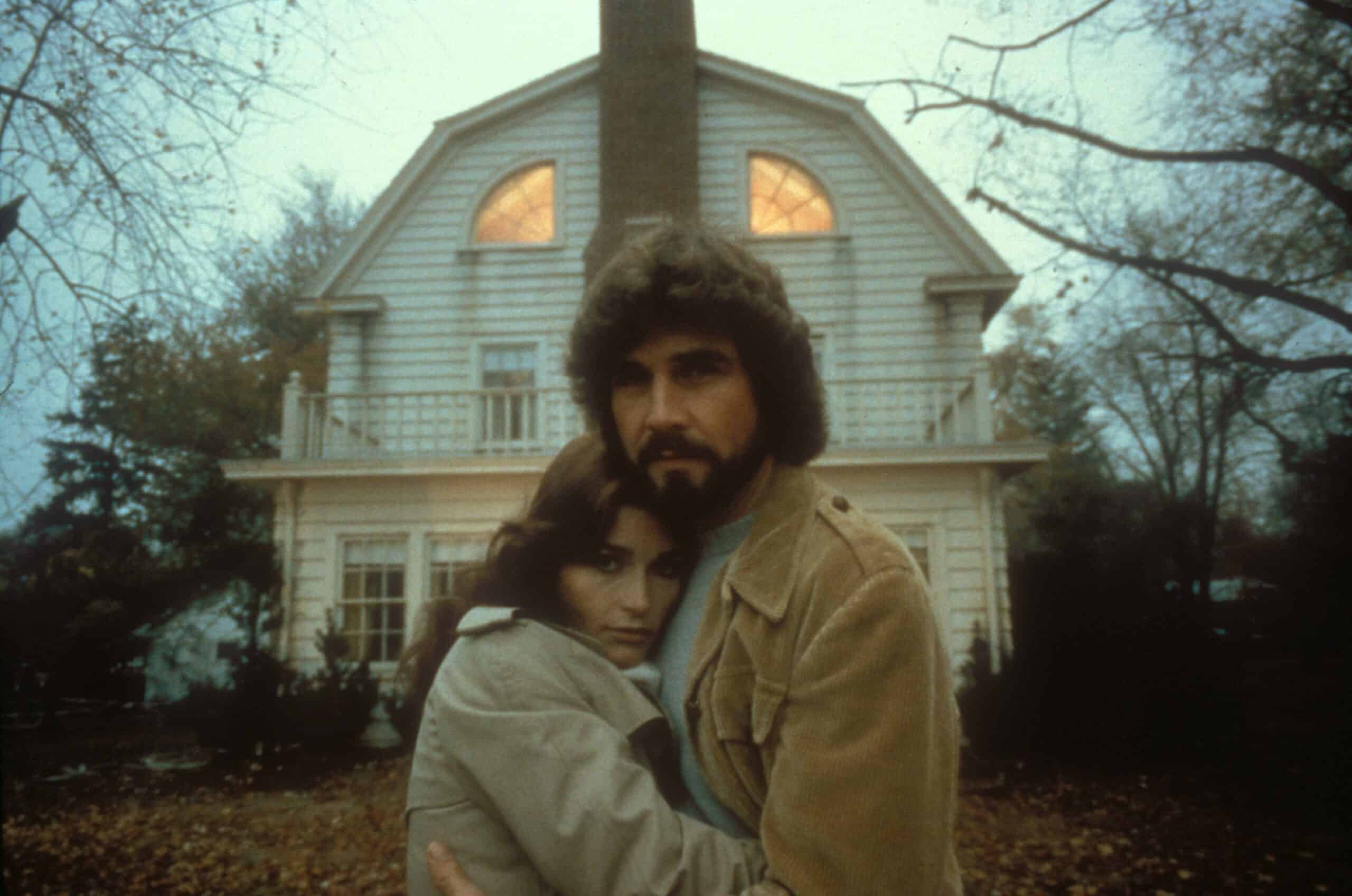
One now-famous night in 1975, an ordinary family fled their new Long Island home with only the clothes on their backs, never to return—but taking with them an outrageous story that they would retell far and wide. The supernatural scourge that supposedly drove them out was attributed to the house’s history: It was the site of the 1974 DeFeo family massacre, where the eldest son of a troubled family executed his parents and four siblings. The mystery of young Ronald DeFeo, Jr.’s motivation blended in the public imagination with the terrors reported by the Lutz family, making the success of “The Amityville Horror”—first a best-selling novel, then an iconic independent film, then a wildly prolific franchise including more than 30 movies—a foregone conclusion. But what is it that makes this folklore so enduring when Ron DeFeo, Jr.’s own defense attorney confessed in court that he and the Lutz family “created this horror story over many bottles of wine”?
The endurance of the “Horror” seems to rely upon the built-in beliefs of the white, suburban, generically Christian public who continue to consume its new outgrowths. Its earliest iteration represents the first popular version of the “Indian burial ground” trope, predating even THE SHINING and POLTERGEIST II, in which the haunted house is said to have been built on the land of indigenous tribes whose actual presence there was highly debatable. Mixed in with this primal feeling of white guilt is a simplistic Christian ethos, represented in the first film as a gateway to hell in the basement, and a demonic voice that drives a priest from the fly-plagued home with the oft-repeated bellow, “GET OUT!”
The claim that a movie is “based on a true story” can be irresistible to audiences, whether or not it is substantiated. This marketing device is all the more successful when it piggybacks on preexisting beliefs held by a target audience. This talk will examine the folkloric “Amityville Horror” as a prime example of the power of stories that, while unverifiable, intersect with the existing faith and beliefs of its receptive public. We will discuss elements of the DeFeo murder case that have been utilized to scaffold the largely fictional franchise, and the archetypal potency of core texts and films. The talk will draw on supporting theory put forth by figures such as William James and Carl Jung, to build greater understanding of the power of faith and belief as it relates to the continued consumption of the “Horror”—even as it reaches into the deep sea, and the far reaches of outer space.
—
If participating in the live/physical event, please check with your local health authority on the current requirements for masks and vaccination for attending live events.
If participating via live simulcast event – the class cannot be watched later, so please be sure you are available at the date and time the class is being offered in before registering.
Classes curated by Miskatonic Los Angeles are in Pacific Time.
Claire Donner
7 December 2022
Read more
7 December 2022